
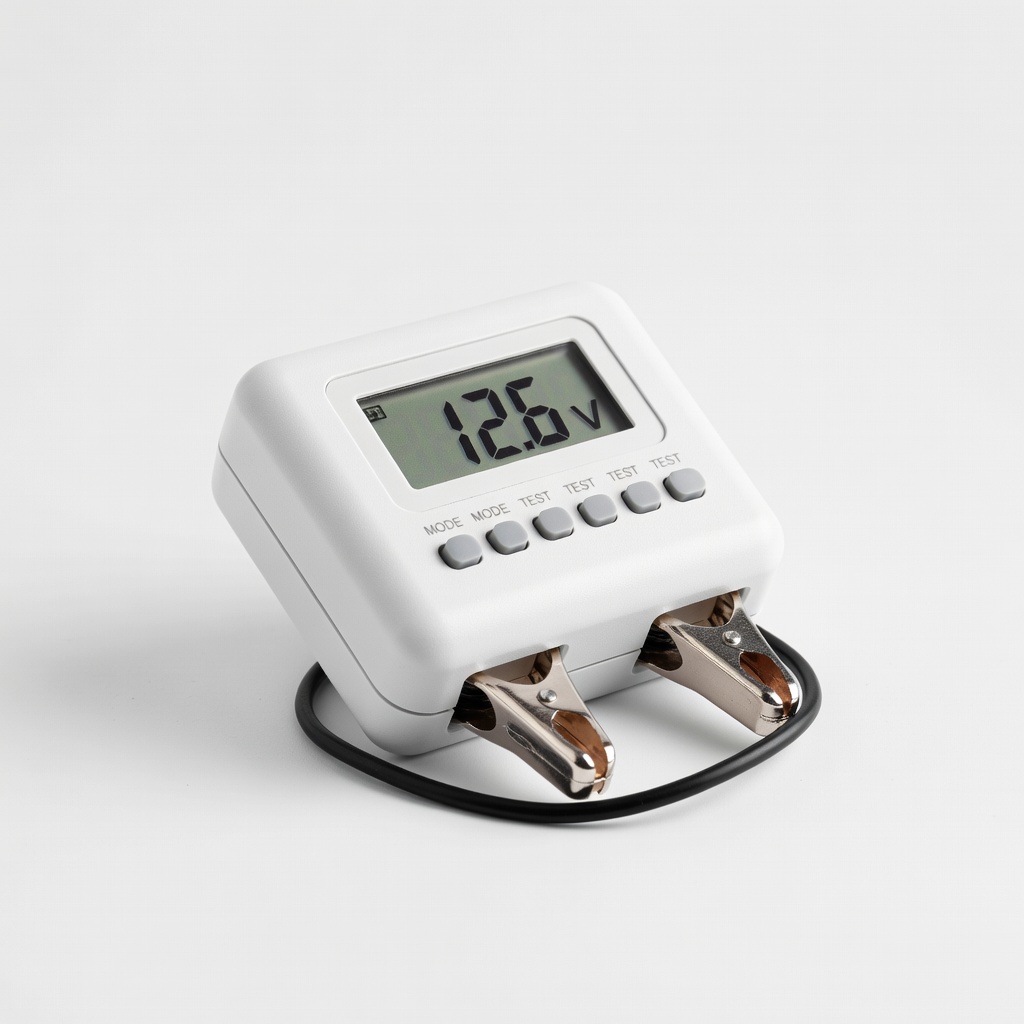
Accutest Digital Battery Voltage Tester
Essential for Step 3 to identify viable batteries.
$9.99
Accutest Digital Battery Voltage Tester Accurate, easy-to-read tester for AA/AAA; tests all types without draining.
Get the App
Better experience on mobile
Discover simple steps to store AA batteries so they stay fresh for 5-10 years, preventing leaks and saving money on replacements.
Nothing's more frustrating than grabbing batteries from your drawer only to find them leaked, corroded, or dead. Leaky AA batteries can damage devices and waste your hard-earned cash—up to $20-50 a year if you're not careful. Proper long-term storage keeps them reliable and ready.
In this beginner-friendly guide, you'll learn the best method to inspect, prepare, and store AA batteries for maximum shelf life (up to 10 years for alkalines). We'll cover why temperature and humidity matter, plus pro tips to avoid common pitfalls. Expect to spend just 15-30 minutes on setup, with minimal ongoing effort.
By the end, your batteries will be protected in a cool, dry setup that mimics manufacturer conditions, ensuring they perform like new when needed.
Estimated Time: 15-30 minutes for initial setup; 5 minutes every 6-12 months for checks Difficulty: beginner
Collect all your loose AA batteries from drawers, remotes, and gadgets. Lay them out on a clean, flat surface in good lighting.
Inspect each one visually: Look for corrosion (white/green crust on terminals), swelling, dents, or leaks. Fresh batteries have smooth, shiny terminals and no damage. Why it matters: Damaged batteries can leak further in storage, ruining others. Success looks like sorted piles of good vs. suspect batteries.
Tip: Work in a well-ventilated area if any smell acidic.
💡 Tips:
⚠️ Warnings:
If any batteries are still in devices, remove them immediately—even if the device is stored. Alkaline batteries self-discharge and leak faster under load.
Why? Devices create micro-currents that drain batteries over time. Expect to find some partially used ones; note their devices for future reference. Success: All batteries are loose and device compartments are empty and clean.
💡 Tips:
Use a battery tester to check each AA. Insert gently (positive end first for most testers) and read the gauge: Green/good (1.5V+ for alkaline), yellow/okay (1.2-1.5V), red/bad (<1.2V).
Why it matters: Partially used batteries degrade faster; store only strong ones long-term. Dispose of bad ones at recycling centers. Success: You've identified 80%+ good batteries ready for storage.
Real-world note: Fresh Duracell or Energizer AA hold ~1.6V unloaded.
💡 Tips:
⚠️ Warnings:
For mildly corroded batteries, dip a cotton swab in isopropyl alcohol and gently wipe terminals. Let dry 5-10 minutes.
Why? Residue accelerates further corrosion. Avoid if heavily damaged—dispose instead. Success: Terminals are clean, shiny, and dry—no white residue left.
💡 Tips:
⚠️ Warnings:
Select a plastic, divided organizer or airtight box sized for your batteries (e.g., 50-100 slots). Avoid cardboard or metal.
Why? Plastic prevents terminal contact (shorting risk); airtight blocks humidity. Line with bubble wrap if needed for cushioning. Success: Container is clean, dry, and organized by battery type.
💡 Tips:
Place 2-4 silica gel packets in the container. Ensure they're active (color-changing indicators).
Why? Humidity >60% causes leaks; silica absorbs it. Success: Container has desiccants distributed evenly—no direct battery contact.
💡 Tips:
⚠️ Warnings:
Write date acquired/type on each battery or compartment with marker/labels (e.g., 'Alkaline 10/2024'). Arrange positive ends aligned, no metal touching.
Why? Tracks age—use oldest first. Success: Neat, labeled setup ready to seal.
💡 Tips:
Place container in a cool (50-70°F), dark, dry spot like a closet shelf—not fridge/freezer (condensation risk).
Why? Heat >77°F doubles degradation; cold below 32°F risks damage. Check room humidity <50%. Success: Batteries stored, safe from kids/pets/heat sources.
💡 Tips:
⚠️ Warnings:
Problem: Batteries leak in storage
Solution: Humidity too high—add more silica, move to drier spot. Dispose affected ones.
Problem: Voltage drops fast after storage
Solution: Too warm—relocate below 70°F. Test and use weaker ones soon.
Problem: Corrosion appears on good batteries
Solution: Clean immediately, improve seals. Check container for cracks.
Problem: No tester available
Solution: Buy one ($5-10) or load into high-drain toy—if it runs strong, it's good.
Accurate, easy-to-read tester for AA/AAA; tests all types without draining.
Best for: Essential for Step 3 to identify viable batteries.
Price Range: $9.99
Durable plastic with secure lid and dividers; prevents contact and dust.
Best for: Perfect for Steps 5-8; holds hundreds of AA/AAA.
Price Range: $19.99-$24.99
Color-changing indicators show when to replace; food-safe and rechargeable.
Best for: Humidity control in Step 6 for leak prevention.
Price Range: $14.99
20-year shelf life; best for long-term storage over alkalines.
Best for: Stock up for archiving—leak-resistant.
Price Range: $15.99
Portable, stackable cases mimic original packaging.
Best for: Budget option for small batches in Steps 5-7.
Price Range: $12.99
Essential for Step 3 to identify viable batteries.
Accutest Digital Battery Voltage Tester Accurate, easy-to-read tester for AA/AAA; tests all types without draining.
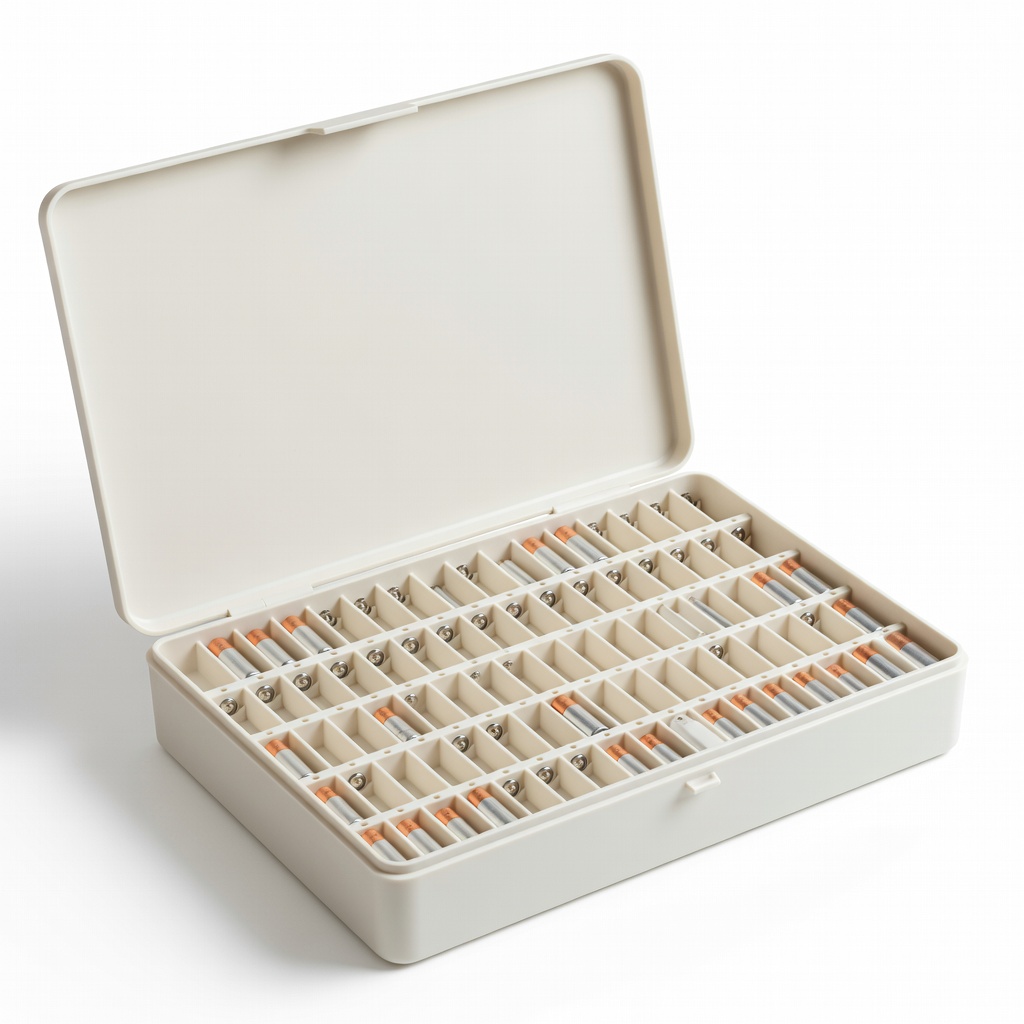
Perfect for Steps 5-8; holds hundreds of AA/AAA.
HoneyBull Battery Organizer Storage Box (180 Slots) Durable plastic with secure lid and dividers; prevents contact and dust.

Humidity control in Step 6 for leak prevention.
Wisedry Silica Gel Packs (20g, 50 Pack) Color-changing indicators show when to replace; food-safe and rechargeable.
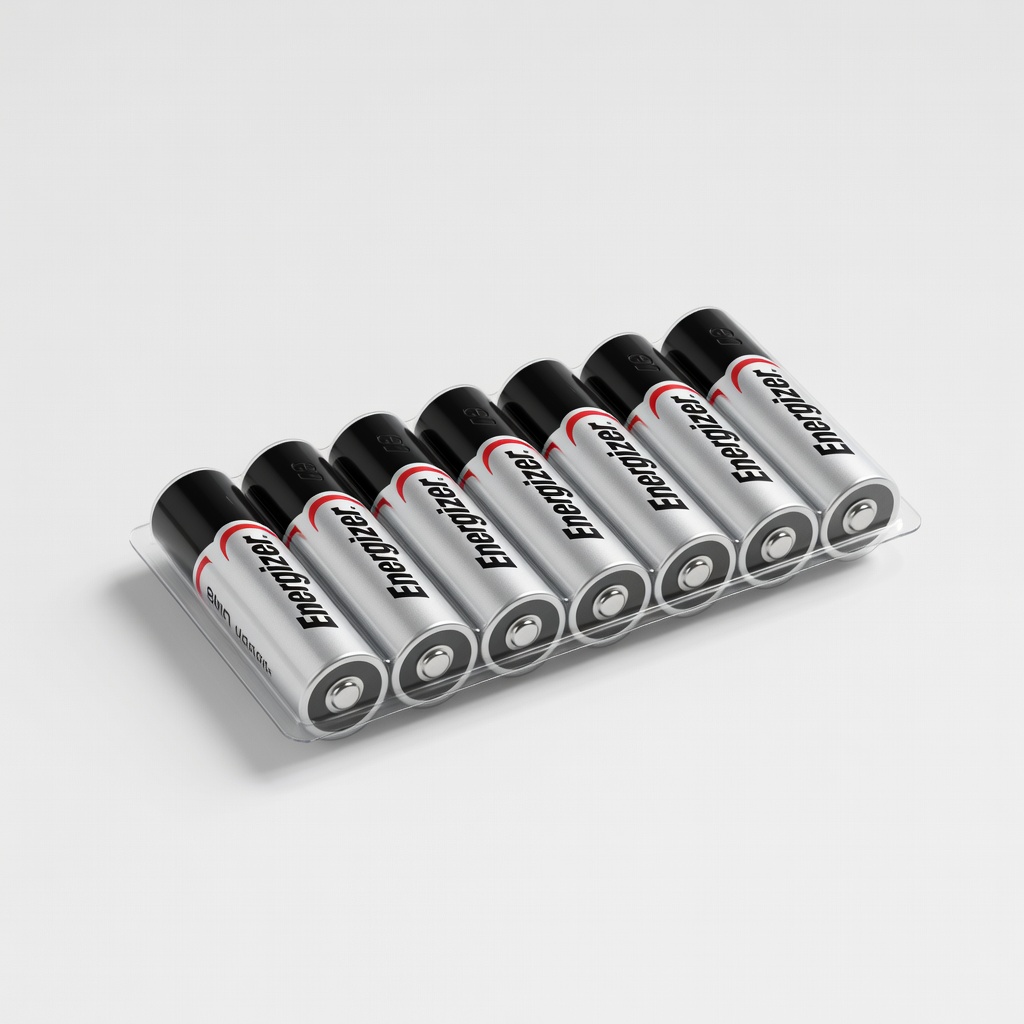
Stock up for archiving—leak-resistant.
Energizer Ultimate Lithium AA Batteries (8-Pack) 20-year shelf life; best for long-term storage over alkalines.
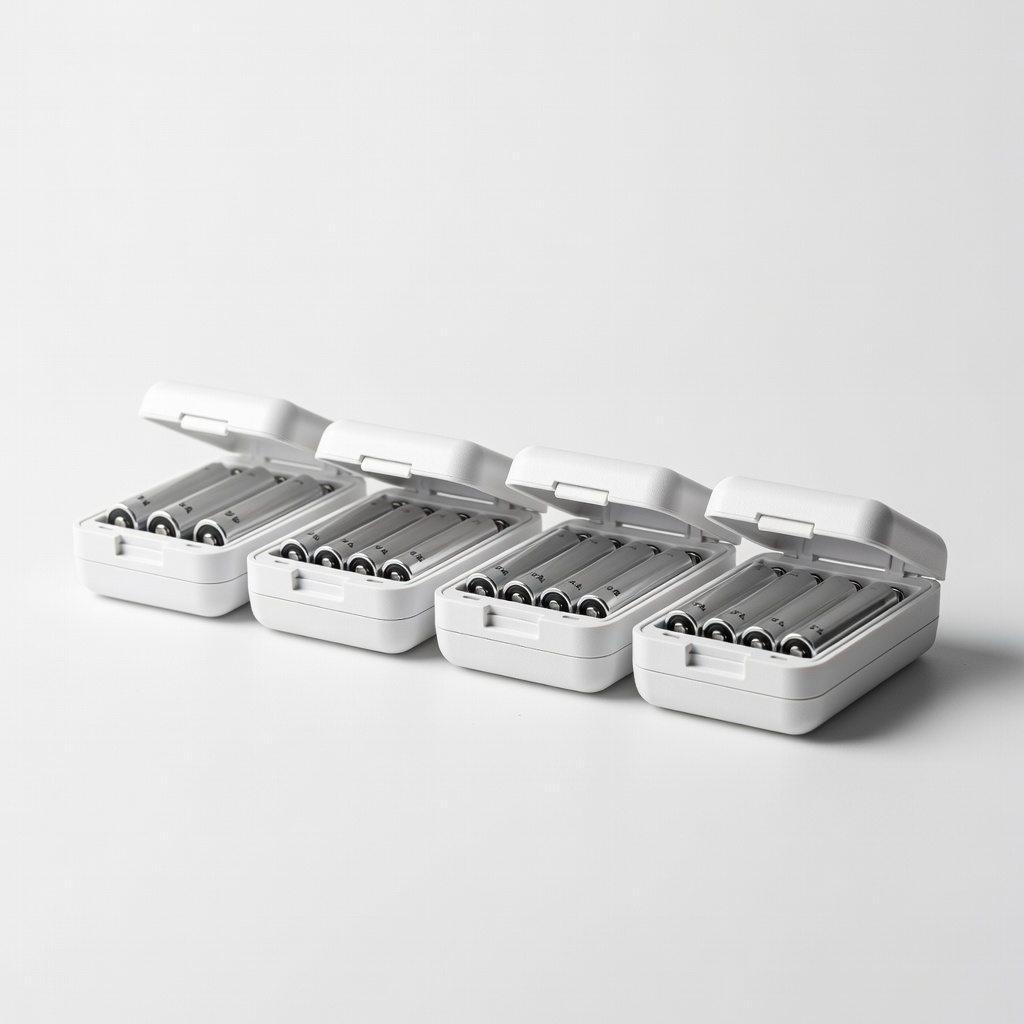
Budget option for small batches in Steps 5-7.
Porta-Pack AA/AAA Battery Caddy (4-Pack) Portable, stackable cases mimic original packaging.