We all have the same 24 hours, but not all hours are created equal when it comes to exercise. Some people swear by 5 AM workouts, while others find their peak performance after dinner. So, who's right? The truth is, the 'best' time to exercise depends on your individual body clock, your fitness goals, and your daily schedule.
This guide will help you understand the science behind exercise timing, break down the pros and cons of morning vs. evening workouts, and walk you through a simple step-by-step method to discover when your body feels strongest. By the end, you'll have a clear plan for finding your personal best time to exercise.
▸What You'll Need
- •A specific fitness goal (fat loss, muscle gain, endurance, or general health)
- •A basic awareness of your daily energy patterns
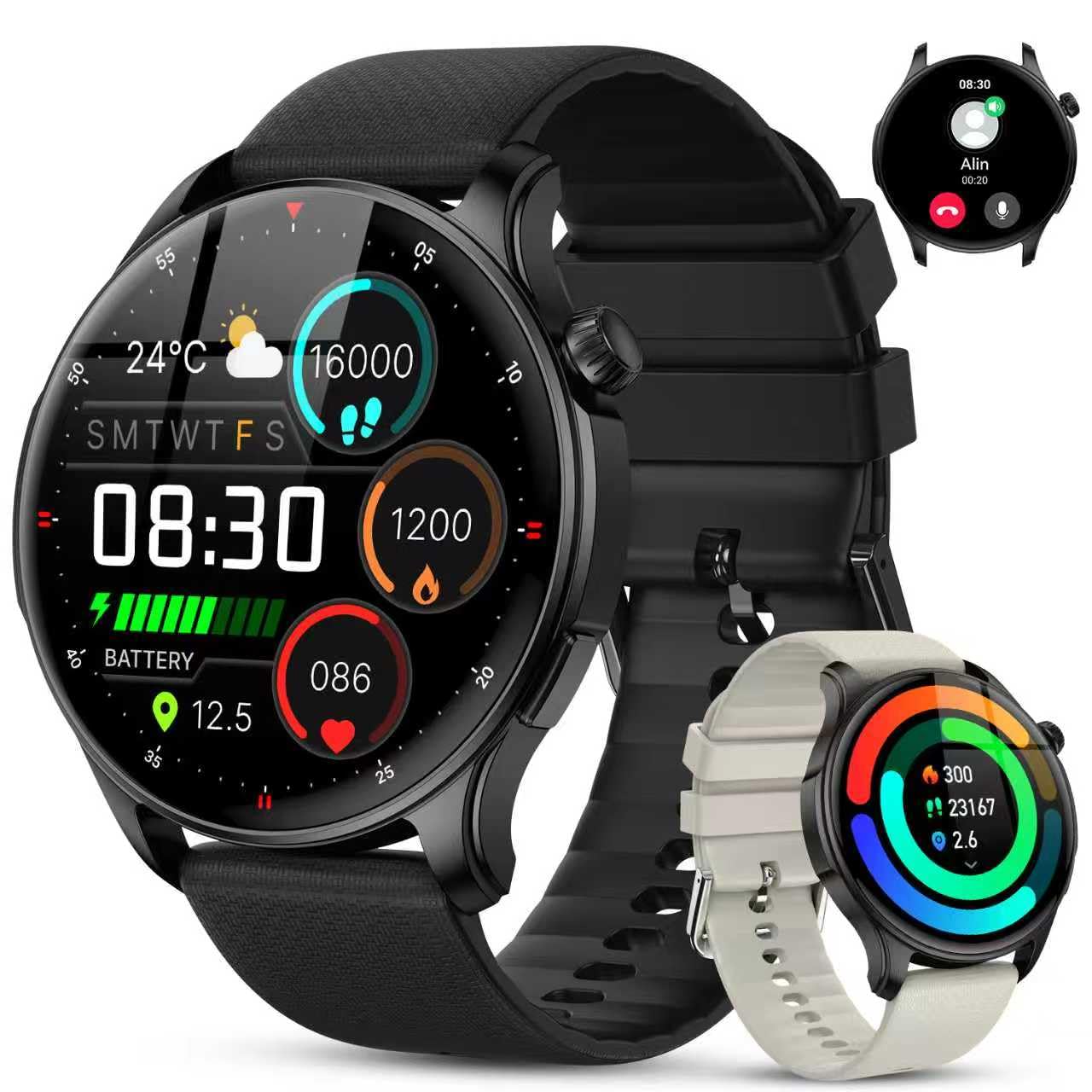
- •Optional: A fitness tracker or smartwatch to log performance
- •Optional: A workout journal or notes app on your phone
- •Optional: A heart rate monitor for more precise data
Estimated Time: 15 minutes to read; 1–2 weeks to test and find your optimal time
Difficulty: beginner
▸Step-by-Step Instructions
Step 1: Understand Your Body's Circadian Rhythm
Your body operates on a 24-hour internal clock called the circadian rhythm. This rhythm controls your core body temperature, hormone release, and energy levels throughout the day. In the early morning, body temperature is slightly lower and cortisol is elevated, which can help you wake up but may not be ideal for peak physical performance. As the day progresses, body temperature rises, peaking in the late afternoon. That's when your muscles are warm, joints are more flexible, and reactions are faster.
Studies have shown that strength, power, and endurance often peak in the afternoon to early evening, around 4–7 pm. However, this doesn't mean morning workouts are bad. For many people, the morning offers a great opportunity to establish a consistent habit, and regular exercise at any time beats staying on the couch.
Your own circadian rhythm might be slightly earlier or later than average—these are called 'morning types' and 'evening types.' This step is about becoming aware of your natural tendencies.
💡 Tips:
- •For a few days, note the times when you feel most alert and energetic.
- •Take a free online chronotype quiz to get a basic idea of your natural schedule.
- •Track your sleep - a regular sleep schedule will make your body clock more predictable.
⚠️ Warnings:
- •Don't assume you're a morning person just because social media fitness influencers say it's 'best.'
Step 2: Define Your Fitness Goals
Are you training to lose fat, build muscle, run faster, or just stay healthy? Your answer can influence what time of day might work best. For fat loss, some research suggests that training in a fasted state in the morning may slightly increase fat oxidation during a given workout, but this doesn't automatically translate to greater weight loss over time because total calorie balance matters most.
For muscle gain, afternoon workouts might be advantageous since strength and power output are naturally higher. If you're an endurance athlete, your VO2 max and reaction time may also be better later in the day. However, the observed benefits are often small—typically around 3–5%—so they should not be the sole deciding factor.
Ultimately, the goal that matters most is consistency. Most experts agree that the best time to exercise is the time you'll actually stick to. Choose a time that fits your schedule and that you genuinely enjoy, rather than forcing yourself into an unnatural slot.
💡 Tips:
- •Write down your top one and two fitness goals.
- •If your goal isn't highly specific, prioritize consistency over timing.
- •Use a simple workout log to note which days you feel best.
⚠️ Warnings:
- •Don't over-prioritize the tiny benefit of timing if it means you'll skip workouts because they don't fit your routine.
Step 3: Assess Your Natural Energy Patterns
Now it's time to zero in on your own energy curve. For the next few days, rate your energy on a scale of 1 to 10 at three-hour intervals: say 7 am, 10 am, 1 pm, 4 pm, 7 pm, and 10 pm. You can do this in a notebook or on your phone. Don't overthink it—just note whether you feel alert, neutral, or sluggish.
Next, look at your current daily schedule. When are you truly free to work out? If you have small kids, demanding work, or social commitments, the 'ideal' time for your body might not be feasible. That's okay. The key is to carve out a block where you can consistently exercise without rushing.
Pay attention to any post-lunch dip. Many people experience a natural energy slump about two hours after lunch. That's usually not the best time. Early afternoon or early evening often feel more sustainable if your schedule allows.
💡 Tips:
- •Use a free habit-tracking app to log your energy levels easily.
- •Pick a time that gives you at least 45 minutes to change, work out, and cool down.
- •Consider your commute and family obligations—these often make or break a routine.
⚠️ Warnings:
- •Avoid choosing a time that conflicts with your primary sleep window.
Step 4: Test a Morning Workout for Five to Seven Days
Now for the fun part: actually experimenting. Choose a week where your sleep schedule is fairly steady and stress is manageable. For five to seven consecutive days, exercise in the morning—ideally within 30–60 minutes of waking up. Perform the same type of workout each day (for example, a 30-minute jog or a basic full-body strength circuit).
After each session, log how you feel immediately afterwards and for the next few hours. Note your performance: how many reps you did, how fast you ran, your average heart rate if you have a tracker, and your perceived effort. Also record your motivation level before the workout.
It's normal to feel a bit stiff early in the morning. Consider a longer warm-up of 10–15 minutes instead of your usual 5. Keep the workout at a moderate intensity initially—you don't need to do a PR every day. This is purely a data-gathering week.
💡 Tips:
- •Prepare your gym bag or workout clothes the night before.
- •Drink 16–20 ounces of water as soon as you wake up.
- •Eat a light snack like a banana or a small bowl of oats 30–40 minutes before if you need fuel.
- •If you're exercising fasted, keep the intensity lower and stay hydrated.
⚠️ Warnings:
- •If you have a medical condition that makes fasted exercise risky, always eat a small snack.
Step 5: Test an Afternoon or Early Evening Workout
After taking a rest day or two, switch your workout time to the afternoon or early evening. Choose a window that works for you, such as 4–7 pm. Repeat the exact same workouts you did in the morning test—same exercises, same intensity—so you can make a fair comparison.
During this second week, you may notice that your body feels warmer, more flexible, and your strength or speed might be slightly higher. Many people report that their perception of effort is lower in the afternoon, meaning they can push harder without feeling more tired.
Keep the rest of your life as consistent as possible. Try to go to bed at the same time and eat similar meals. This reduces variability and makes the comparison more reliable. If your evenings are crunched, try a lunchtime workout around 1 pm—the effects are often similar.
💡 Tips:
- •Set a reminder on your phone for your chosen workout time.
- •Keep a small snack like a granola bar with you if you're exercising after work.
- •Stay well hydrated throughout the day, not just in the hour beforehand.
- •Don't forget a warm-up—even in the evening you need 5–10 minutes to prepare.
⚠️ Warnings:
- •Aim to finish your workout at least 2 hours before bedtime to prevent sleep issues.
Step 6: Compare Your Performance and Feelings
Now it's time to analyze your logs. Lay out your data side by side: morning vs afternoon/evening. Look at objective measures first: average heart rate, reps, running pace, or the weight lifted. You might notice a clear difference—better performance in the afternoon or perhaps no difference at all.
Next, consider subjective factors. Did you feel more energized during the day after a morning workout? Did an evening workout interfere with your dinner plans or your sleep? Was it easier to maintain your motivation at one time than the other? For weight loss, pay attention to whether a particular time made you crave unhealthy foods later.
Remember that if both times yield roughly similar performance and both feel good, you can simply choose whichever time fits your lifestyle better. If one time gives you better numbers but leaves you stressed and sleep-deprived, the performance gain isn't worth it.
💡 Tips:
- •Use a simple spreadsheet or fitness app to chart your data.
- •Calculate averages for each week to smooth out outliers.
- •Focus on trends rather than a single day's results.
⚠️ Warnings:
- •Don't compare days with drastically different sleep quality, stress, or meal timing—that will skew your results.
Step 7: Listen to Your Body's Signals
Your body is a wise teacher, but only if you pay attention. During both test weeks, you likely noticed subtle signals. Did you feel a sense of accomplishment after a morning workout? Did your evening workout feel like a release of stress? These subjective feelings matter for long-term habit formation.
Also pay close attention to your sleep. If evening workouts leave you buzzing and unable to fall asleep, that's a clear signal that your nervous system is too stimulated before bed. Conversely, if a morning workout seems to drain your energy for the rest of the day, that might be a problem.
Some people find that a short 10-minute walk or gentle stretch in the morning, followed by the actual workout in the afternoon, is the ideal combo. That's fine too. The point is to tune into what makes you feel strong, energized, and happy to exercise.
💡 Tips:
- •Keep a simple mood rating after each workout (e.g., 1 'drained' to 5 'fantastic').
- •Notice if you feel endorphin-boosted hours later.
- •Consider a post-workout journal prompt: 'Would I look forward to doing this again tomorrow?'
⚠️ Warnings:
- •Ignore social media claims that force you into one extreme; nobody knows your body better than you.
Step 8: Lock In Your Best Time and Build a Routine
Once you've made a decision, commit to it. Set a recurring calendar block with a reminder. This time is no longer optional—it's as important as a meeting with a client or a doctor's appointment. To make it stick, lay out your workout gear the night before, fill your water bottle, and have a post-workout snack ready.
Try to keep the same time every day, including weekends, to reinforce your body clock. If you have to change times occasionally due to travel or life events, do it gracefully and then return to your normal slot. Consistency is far more valuable than switching to chase a fleeting 'optimal' window.
Recheck your schedule every few months. As your life changes—new job, new baby, changing seasons—your ideal exercise time may shift. If you notice that you've started to dread workouts or skip them, repeat this testing process. Sometimes a small time shift rekindles your motivation.
💡 Tips:
- •Use a large wall calendar or your phone's habit app to mark each workout.
- •Prepare your bags and clothes the night before every session.
- •Find an accountability partner—exercise with a friend or tell someone your schedule.
- •If you know you're not a morning person, don't force it; pick a block you'll actually enjoy.
⚠️ Warnings:
- •Don't switch workout times randomly every week—your body needs time to adapt.
▸Pro Tips
- •Schedule your workout like it's a non-negotiable appointment.
- •Eat a small, balanced snack (carb + protein) about 60 minutes before your workout if you're hungry.
- •Drink 16–20 ounces of water in the hour before you exercise.
- •Always do a dynamic warm-up for 5–10 minutes, especially in the morning when your body temperature is lower.
- •Keep a sleep diary—good sleep will improve your performance no matter what time you go to the gym.
- •Use the same pre-workout routine (music, stretching, breathwork) to signal your body it's go-time.
- •If you're trying to lose weight, don't stress about fasted cardio—total daily calories matter far more.
- •Try a evening workout for a week and see if it disrupts your sleep; if not, it's a perfectly valid choice.
▸Common Mistakes to Avoid
- •Skipping the experimentation process and simply copying a friend's or influencer's workout schedule.
- •Exercising too soon after a heavy meal or too late at night, leading to stomach cramps and poor sleep.
- •Forcing yourself to wake up at 4 AM when you're chronically sleep-deprived. Sleep is more important for recovery and performance.
- •Switching workout times randomly every day, which prevents your body from establishing a rhythm.
- •Neglecting a proper warm-up, especially in the morning, which increases the risk of injury.
▸Troubleshooting
Problem: I'm too tired in the morning to work out.
Solution: Try a lighter warm-up, hydrate, and eat a small carb snack. Go to bed 15 minutes earlier. If you still feel terrible, you might be a chronotype that simply isn't suited for early exercise—move to a lunchtime or after-work slot.
Problem: I feel sluggish in the evening and skip workouts after work.
Solution: Make sure you're eating enough at lunch and staying hydrated throughout the day. Have a small pre-workout snack of low-sugar carbs (like a rice cake or fruit) about an hour before. Even a short express workout is better than nothing.
Problem: Evening workouts keep me awake at night.
Solution: Finish your exercise at least 2–3 hours before bed. Take a cool or neutral-temperature shower afterward and do gentle stretching. If the problem persists, shift your workout to earlier in the day or a lunchtime slot.
Problem: I can't decide because I'm inconsistent and keep missing days.
Solution: Choose the time that is easiest to stick to, even if performance is slightly lower. Consistency beats perfection. Set phone reminders, prepare your gear ahead, and track your streak—small wins build momentum.
Fitbit Charge 6
A versatile fitness tracker that monitors heart rate, sleep, and activity. It helps you log performance data during your morning vs. evening experiments.
Best for: Wear it throughout the two-week testing process to track your average heart rate, resting heart rate, sleep quality, and workout intensity.
Price Range: $150-$200
Polar H10 Heart Rate Monitor
Provides chest-strap-level heart rate accuracy, widely used by athletes and researchers. This gives you reliable data to compare how your body responds at different times of day.
Best for: Wear the chest strap during your weekly workout tests to track your exact heart rate and heart rate variability.
Price Range: $80-$100
Withings Body Smart Scale
A smart scale that measures body weight, body fat percentage, and muscle mass, letting you see which workout time helps you reach your body composition goals.
Best for: Weigh yourself each morning during the experiment and watch the trends to identify if morning vs. evening workouts have a different impact on your body.
Price Range: $100-$150
Gaiam Dry-Grip Yoga Mat
A durable, non-slip mat that's great for floor-based warm-ups, stretching, and post-workout cool-downs, especially when you're exercising at home.
Best for: Unroll it for a quick morning mobility session or a gentle evening stretching routine to help your body prepare and recover.
Price Range: $25-$40