If you're new to acoustic guitar, you might think any old pick will do. But the truth is, the right pick can transform your sound, make strumming smoother, and help you play more comfortably. With so many options—different materials, thicknesses, and shapes—it's easy to feel overwhelmed. This guide breaks down everything you need to know to choose the best guitar pick for your acoustic guitar. You'll learn how each factor affects your tone and playability, get practical tips for testing picks, and discover our top recommendations for beginners. By the end, you'll be confident picking out your next pack of picks.
▸What You'll Need
- •Basic understanding of guitar pick types (material, thickness, shape)
- •A few different picks to test (optional but helpful)
- •Your acoustic guitar to try picks as you read
- •A quiet place to compare sounds
Estimated Time: 10-15 minutes
Difficulty: beginner
▸Step-by-Step Instructions
Step 1: Understand Pick Materials
The material of a pick largely determines its flexibility and the tone it produces. Common materials include:
- •Celluloid: Traditional, warm tone with a slight grip. It's what classic Fender picks are made of. Great for strumming.
- •Nylon: Flexible and durable, with a smooth, quiet attack. Nylon picks often have a textured grip, making them easy to hold.
- •Polycarbonate: Bright, crisp tone with lots of snap. These are stiffer and great for articulate picking.
- •Delrin (Acetal): Balanced, with a smooth feel and a warm, rounded tone. Used by many professional players.
- •Tortex (a Delrin variant): Warm and grippy, excellent for both strumming and flatpicking.
- •Metal or Stone: These are rare and offer extreme brightness and durability, but can damage strings and be hard to grip.
For beginners, we recommend starting with cellulose (like celluloid), nylon, or Tortex—they offer good balance and are forgiving.
💡 Tips:
- •Try a variety pack to compare materials without buying full packs.
- •The same pick shape in different materials can sound completely different.
⚠️ Warnings:
- •Avoid metal picks on acoustic guitars—they can scratch the finish and wear down strings quickly.
Step 2: Learn About Pick Thickness
Thickness is measured in millimeters (mm) and is usually grouped into three categories:
- •Thin (under 0.60mm): Very flexible, produces a light, strummy sound with a soft attack. Ideal for strumming chords on acoustic, but can feel flimsy for single-note picking.
- •Medium (0.60mm–0.80mm): A versatile middle ground. They offer enough flexibility for rhythm playing and enough stiffness for lead lines. Most beginners start here.
- •Heavy (0.80mm–1.20mm+): Stiff, producing a loud, bright attack with precise articulation. Great for flatpicking, bluegrass, or lead guitar. Less forgiving for strumming.
For acoustic guitar, medium to heavy picks are generally preferred because they provide better control and volume. But it depends on your playing style—if you only strum, a thin pick may feel nicer.
💡 Tips:
- •Use a pick thickness chart that includes actual mm measurements to compare brands.
- •Bring your guitar to the store and try a few thicknesses on the same song.
⚠️ Warnings:
- •A pick that's too thick can cause you to grip it harder, leading to hand fatigue.
- •Too thin a pick may flutter and get stuck between strings.
Step 3: Pick a Shape and Tip
The shape of the pick affects how it feels in your hand and how it attacks the strings. Common shapes:
- •Standard (e.g., Fender 351): Teardrop shape with a rounded tip. Most common, versatile for strumming and picking.
- •Jazz (small, pointed tip): Small and sharp, great for precision and fast lead playing. Less surface area for strumming.
- •Triangle: Symmetrical, each corner is a playing tip. Allows you to rotate the pick as it wears.
- •Teardrop with bevels (e.g., Dunlop Primetone): Rounded but with a slightly more pointed tip and a beveled edge for smoother string release.
- •Thumb picks: Wrap around the thumb, used for fingerstyle with a pick.
For most acoustic beginners, a standard shape (medium rounded tip) is the safest choice. It works well for both strumming and picking.
💡 Tips:
- •If you play fingerstyle, try a thumb pick or even no pick at all—many acoustic players prefer fingers.
⚠️ Warnings:
- •Very pointed picks can scratch your guitar top if you hit it accidentally.
Step 4: Consider Grip and Texture
A pick that slips in your fingers is frustrating. Many picks now include grip enhancements:
- •Texture: Some picks have raised dots, ridges, or sandpaper-like surfaces (e.g., Nylon Max Grip).
- •Holes: Some picks (like Dunlop Flow or Clayton Acetal) have a hole in the center to help you hold them securely.
- •Material feel: Celluloid can be slippery when hands get sweaty. Nylon and Delrin are naturally grippier.
For beginners, a pick with some form of grip is highly recommended—especially if you tend to sweat or play for long periods.
💡 Tips:
- •Look for picks labeled 'grip' or 'max grip'—they often have textured areas that really help.
⚠️ Warnings:
- •Rough textured picks can cause calluses on your thumb and index finger if you press too hard.
Step 5: Match the Pick to Your Playing Style
Your preferred playing style should guide your pick choice:
- •Strumming only: A thin to medium pick (0.46mm–0.71mm) made of nylon or celluloid gives a soft, sweeping sound.
- •Fingerpicking / flatpicking: A medium to heavy pick (0.71mm–1.0mm) with a pointed tip for precision. Tortex or Primetone work well.
- •Hybrid strumming/picking: Medium pick (0.73mm) with a rounded tip. Very versatile.
- •Lead guitar / blues: Heavy pick with a beveled edge (e.g., Dunlop Primetone or Jazz III).
If you're not sure, start with a medium pick (0.73mm) in a standard shape—it's the most balanced.
💡 Tips:
- •Play a variety of songs (strummy campfire tunes and intricate picking) to test a pick's versatility.
⚠️ Warnings:
- •Don't pick a pick based solely on what your favorite guitarist uses; your hands and technique are different.
Step 6: Test Before You Commit
The best way to find your perfect pick is to try a variety. Many brands sell samplers or variety packs that include multiple thicknesses and materials. Here’s how to test:
- •Play the same chord progression with each pick. Listen for differences in brightness, warmth, and attack.
- •Try single-note runs to feel how the pick glides across the string.
- •Strum hard and softly to see how the pick handles dynamics.
- •Pay attention to grip—if you find yourself tightening your hold, the pick may be too slippery or too stiff.
Write down which picks feel and sound best. Over time, your preference may change as your technique improves.
💡 Tips:
- •Use a pick punch to create your own shapes from old credit cards or gift cards—it's a cheap way to experiment.
⚠️ Warnings:
- •Don't judge a pick after just a few seconds—play at least 5 minutes to get a real feel.
Step 7: Buy a Few Different Picks and Rotate
Once you've tested, buy multiple picks that you liked. You'll find that different songs or moods call for different picks. Keep a few in your case:
- •A thin pick for breezy strumming
- •A medium pick for everyday playing
- •A heavy pick for when you need more bite
This way, you're never stuck with just one option. Many guitarists keep a small collection and switch depending on what they're playing.
💡 Tips:
- •Store picks in a dedicated pick holder or in the guitar case accessory compartment to avoid losing them.
⚠️ Warnings:
- •Picks wear down over time—especially thin ones. Replace them when the edges become rough.
▸Pro Tips
- •Buy a variety pack from a brand like Dunlop or Fender to compare materials and thicknesses affordably.
- •Use a sharpie to mark your favorite picks so you can identify them quickly if you drop them among others.
- •If picks keep slipping, try a pick with a textured grip or a hole—they're designed to stay put.
- •For strumming, tilt the pick slightly (not flat against the strings) to reduce resistance and get a smoother sound.
- •If you play with a heavy hand, try a thicker pick to avoid losing control; if you play lightly, a thinner pick can add dynamics.
- •Replace picks regularly—worn picks lose their tonal clarity and can sound dull.
▸Common Mistakes to Avoid
- •Using a pick that's too thin for acoustic: It can sound weak and get stuck between strings, leading to frustration.
- •Ignoring grip: A smooth pick may feel fine in the store but becomes slippery during a sweaty jam session.
- •Buying the same pick as your hero: You have different hands and playing style—what works for them may not work for you.
- •Sticking with one pick forever: As your skills grow, your pick preferences may change. Revisit your choice every few months.
▸Troubleshooting
Problem: The pick keeps slipping out of my fingers.
Solution: Try a pick with a textured grip (dots, ridges, or a hole). You can also lightly sand a smooth pick with fine-grit sandpaper for extra grip.
Problem: My strumming sounds scratchy or harsh.
Solution: Switch to a thinner pick (0.46mm–0.60mm) or a different material like nylon, which produces a warmer, softer attack. Also check your angle—hold the pick at a slight angle to the strings.
Problem: I can't get enough volume when fingerpicking.
Solution: Use a heavier pick (0.80mm–1.0mm) with a pointed tip. This gives more projection and clarity for single-note runs.
Problem: The pick feels too stiff and I lose control.
Solution: Graduate to a medium pick (0.60mm–0.80mm) or try a more flexible material like nylon. You can also hold the pick closer to the tip to reduce the effective stiffness.
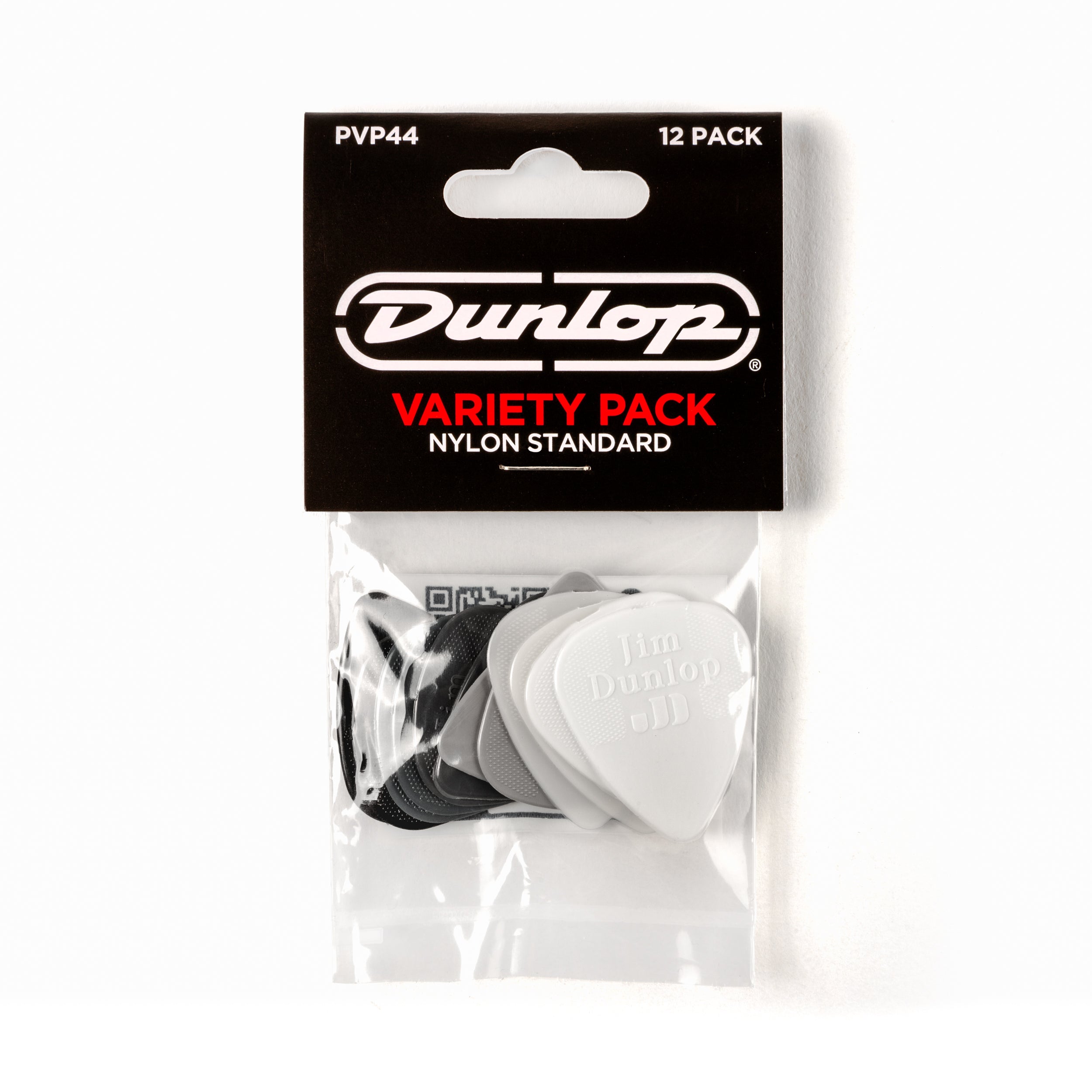
Dunlop 440 Variety Pack
Includes multiple thicknesses (thin, medium, heavy) of Tortex material—a classic, warm-sounding pick favored by many acoustic players. Great for beginners to explore.
Best for: Ideal for trying different thicknesses to find your preference without buying separate packs.
Price Range: $5–$8
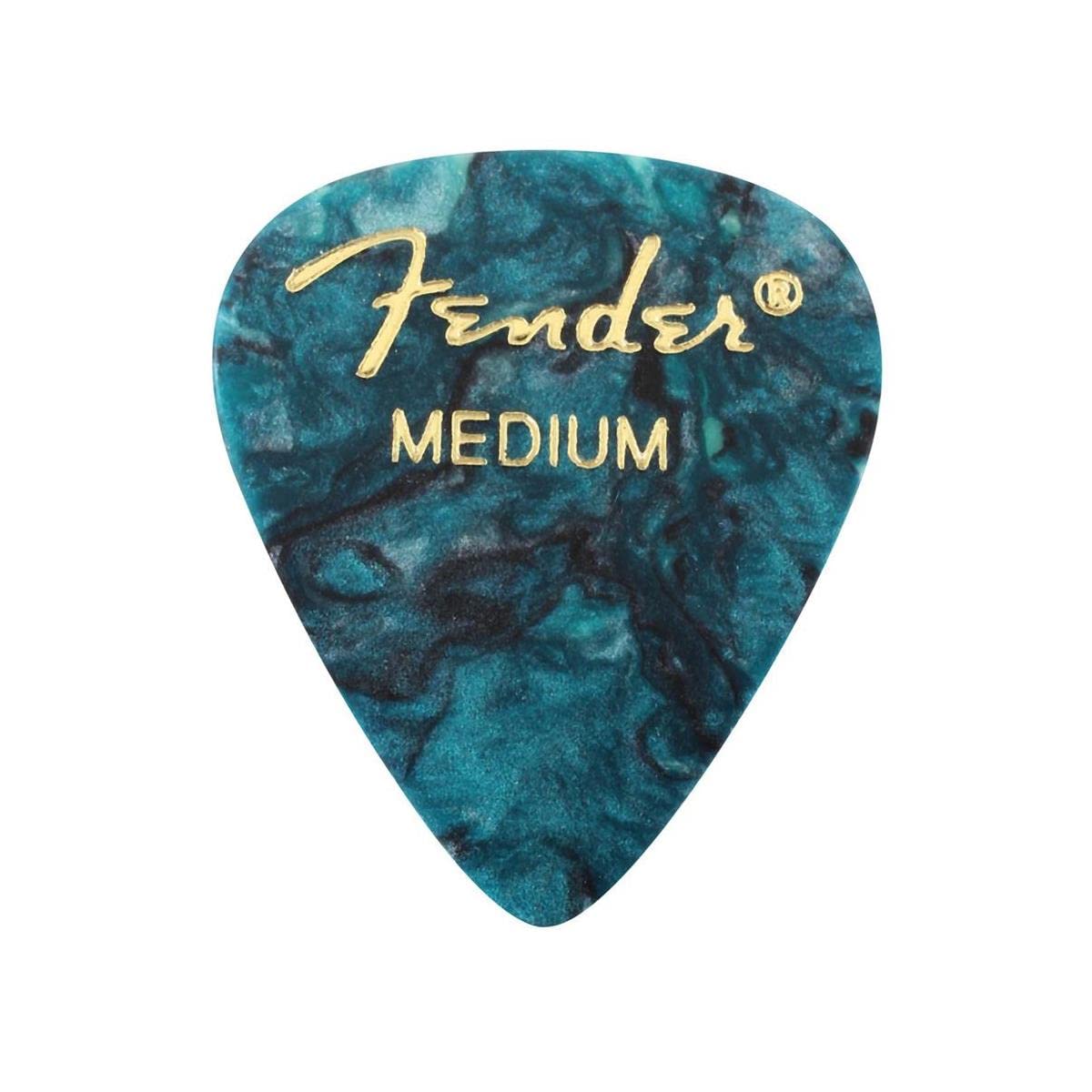
Fender Medium Celluloid Picks (351 shape)
The iconic pick shape and material. Warm, traditional tone, and easy to grip. A staple for acoustic strumming.
Best for: Perfect for beginners who want a classic feel for strumming chords.
Price Range: $4–$7
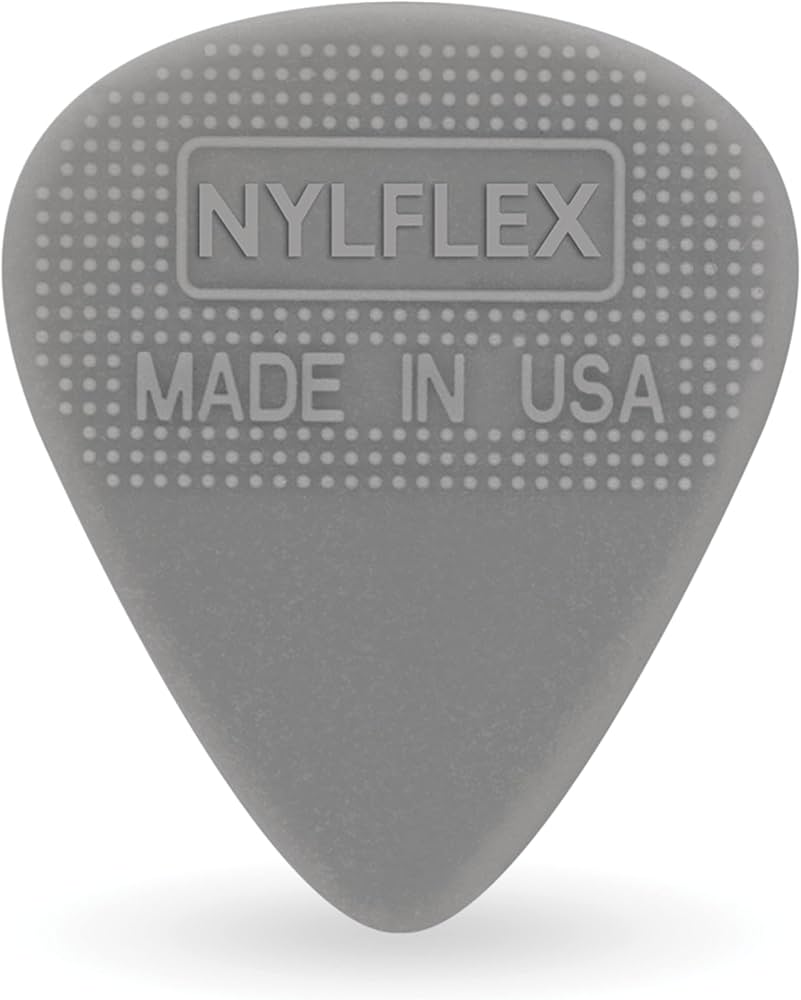
D'Addario Planet Waves Nylon Picks (Medium Grip)
Nylon material with a textured grip pattern. Smooth attack and excellent grip, even for sweaty hands.
Best for: Great for players who need extra grip and a soft tone, especially for long practice sessions.
Price Range: $4–$6
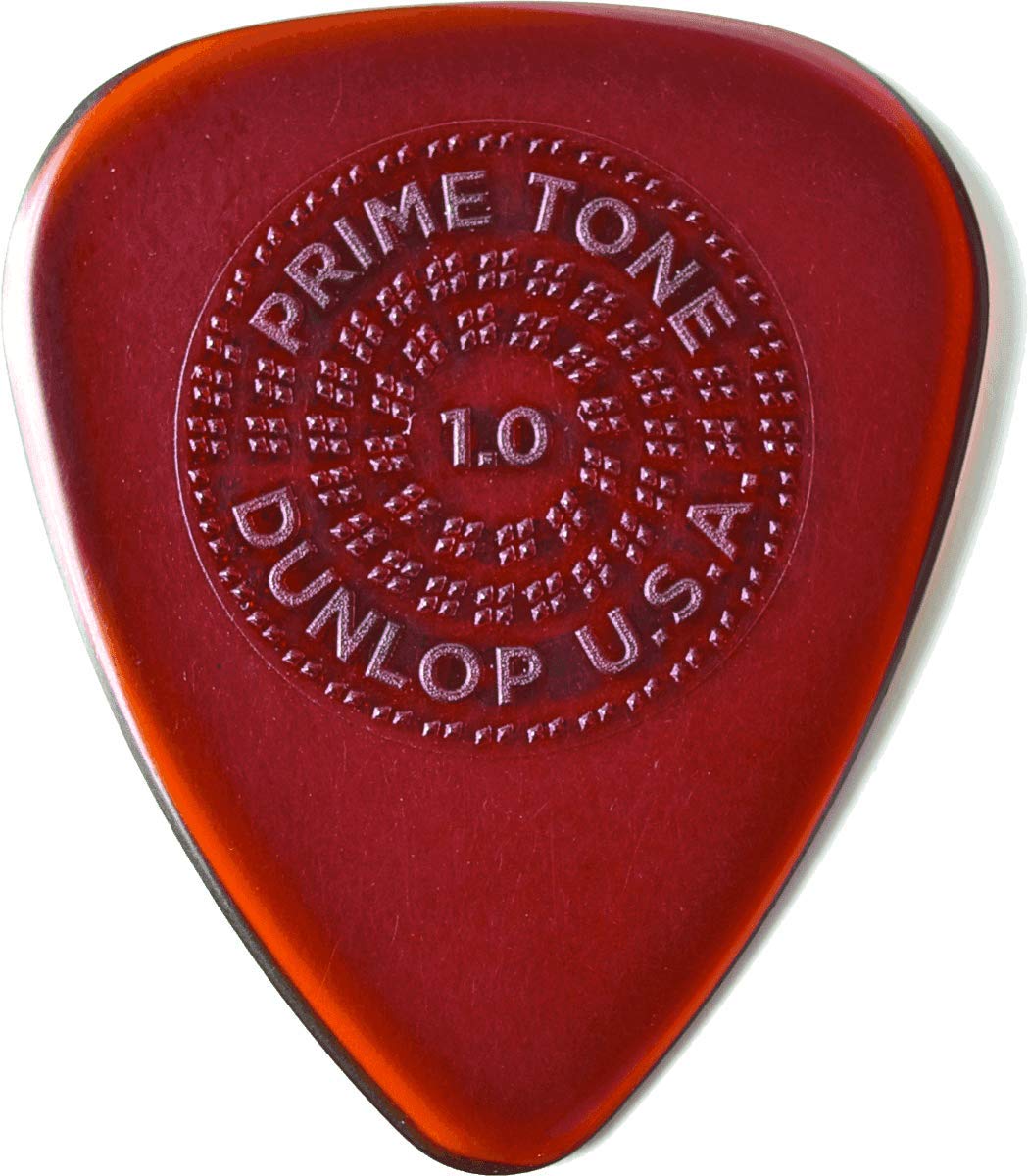
Dunlop Primetone Standard 1.0mm
High-quality Delrin pick with a beveled edge for smoother string release. Balanced tone and excellent durability.
Best for: For beginners who want to try a heavier pick with premium feel. Works well for both strumming and flatpicking.
Price Range: $6–$10
Clayton Acetal Guitar Picks (Variety Pack)
Acetal material offers a warm, balanced tone similar to Tortex but with a different feel. The variety pack includes different shapes and thicknesses.
Best for: Excellent for exploring shape and thickness combinations on a budget.
Price Range: $5–$9