Smoke detectors are your home's first line of defense against fire, but they rely on fresh 9V batteries to chirp warnings or sound alarms. A dead or low-quality battery can mean the difference between safety and disaster—studies show most home fires occur at night when detectors might fail silently. Choosing the wrong 9V battery leads to frequent chirps, false alarms, or worse, no alerts at all.
In this guide, you'll understand why smoke detectors use 9V batteries, compare alkaline vs. lithium options, evaluate key specs like shelf life and capacity, and get expert picks for the best performers. By the end, you'll confidently select and install batteries that last years. Expect 15-20 minutes to read, with intermediate knowledge of basic electronics helpful but not required—no tools needed beyond what's in your home.
▸What You'll Need
- •Smoke detector (most models use 9V)
- •Screwdriver for access (Phillips #2 recommended)
- •Battery tester or multimeter (optional, for verification)
- •Fresh gloves to avoid skin oils on terminals (optional)
Estimated Time: 15-20 minutes
Difficulty: intermediate
▸Step-by-Step Instructions
Step 1: Understand Why Smoke Detectors Use 9V Batteries
Smoke detectors typically require 9V batteries because they provide the stable voltage needed for ionization or photoelectric sensors to detect smoke particles reliably. Unlike AA or AAA batteries (1.5V each), a single 9V delivers higher voltage for the alarm's piezoelectric buzzer and circuitry without needing multiples.
This design dates back to early models but persists for simplicity—easy snap-in replacement. Expect 3-5 years of life depending on type, but backups in interconnected systems demand consistent power. Analogy: Think of it as a car's 12V battery; steady power for critical functions.
Key takeaway: Always match 9V alkaline or lithium; avoid rechargeables unless specified.
💡 Tips:
- •Check your detector's manual—some smart models accept lithium only.
Step 2: Compare Battery Types: Alkaline vs. Lithium vs. Others
Alkaline 9V batteries (e.g., standard Duracell) are affordable with ~500-600mAh capacity but leak-prone and fade faster in cold temps. Lithium 9V (e.g., Energizer Ultimate) shine with 1200mAh, 10-year shelf life, and -40°F to 140°F range—ideal for detectors in garages or attics.
NiMH rechargeables exist but often underperform in low-drain devices like detectors, causing voltage sag and false lows. Carbon-zinc? Avoid—short life. Example: Lithium lasts 2-3x longer in tests by Consumer Reports.
Why it matters: Lithium prevents chirps from premature voltage drop, ensuring full alarm power.
⚠️ Warnings:
- •Never mix battery types in dual-battery detectors.
Step 3: Evaluate Key Specs for Detector Performance
Prioritize mAh capacity (higher = longer life), shelf life (7-10 years best), leakage resistance (look for 'ultra' or 'pro' seals), and low self-discharge. UL certification ensures safety—no explosion risk.
Temp range matters: Standard alkalines fail below 32°F; lithium handles extremes. Discharge curve: Lithium holds 1.5V+ longer, avoiding 'low battery' chirps until truly depleted.
Real-world: In humid basements, sealed lithium reduces corrosion on terminals.
💡 Tips:
- •Search labels for 'for smoke detectors' endorsement.
Step 4: Assess Brand Reliability and Testing Data
Top brands like Energizer and Duracell dominate due to consistent manufacturing. Independent tests (e.g., Wirecutter, Consumer Reports 2024) rank lithium Energizer #1 for detectors—up to 10 years in low-drain use.
Duracell excels in alkalines for value. Avoid generics; they vary wildly. Factors: Low false-positive rates and minimal chirping.
Pro tip: Buy date-coded packs (YYMM on wrapper) for freshness.
Step 5: Test Your Current Battery and Detector
Remove the 9V, insert into tester—good if >7.2V under load. Press detector test button; alarm should blare loudly for 5+ seconds.
Why? Reveals if battery or detector is faulty. Expect chirp-free operation post-replace.
Multimeter method: Measure under 100mA load; lithium stays flatter.
💡 Tips:
- •Test monthly; replace chirping units immediately.
⚠️ Warnings:
- •Disable interconnected detectors first to avoid house-wide alarms.
Step 6: Install the New Battery Correctly
Twist off cover, snap in 9V (observe polarity + to +), test immediately. Write install date on battery with marker.
Why matters: Poor contact causes intermittent power loss. Expect silence if good; chirp may occur briefly as it resets.
For hardwired backups, replace 9V first.
▸Pro Tips
- •Buy lithium for unheated spaces—saves replacement trips.
- •Stock 2-year supply; rotate stock like food pantry.
- •Use battery caddies for organization by install date.
- •Pair with 10-year sealed detectors to minimize changes.
- •Test all detectors on install day for baseline.
- •Opt for bulk packs from industrial suppliers for pros.
- •Clean terminals with alcohol wipe before install.
▸Common Mistakes to Avoid
- •Using rechargeable NiMH—voltage drops too fast, triggers false lows.
- •Ignoring expiration dates—old batteries leak and corrode contacts.
- •Cheap off-brands—poor quality control leads to failures.
- •Not testing after install—misses bad batches.
- •Storing in humid areas—accelerates degradation.
▸Troubleshooting
Problem: Detector chirps after new battery
Solution: Wait 30-60 seconds for reset; re-seat battery. If persists, replace detector (end-of-life).
Problem: Weak alarm during test
Solution: Check voltage (>8V); clean dust from sensor. Lithium batteries fix most cases.
Problem: Corroded terminals
Solution: Use vinegar/baking soda paste, rinse, dry. Install anti-corrosion caps if available.
Problem: Frequent replacements needed
Solution: Upgrade to lithium; check for high-drain features like voice alerts.
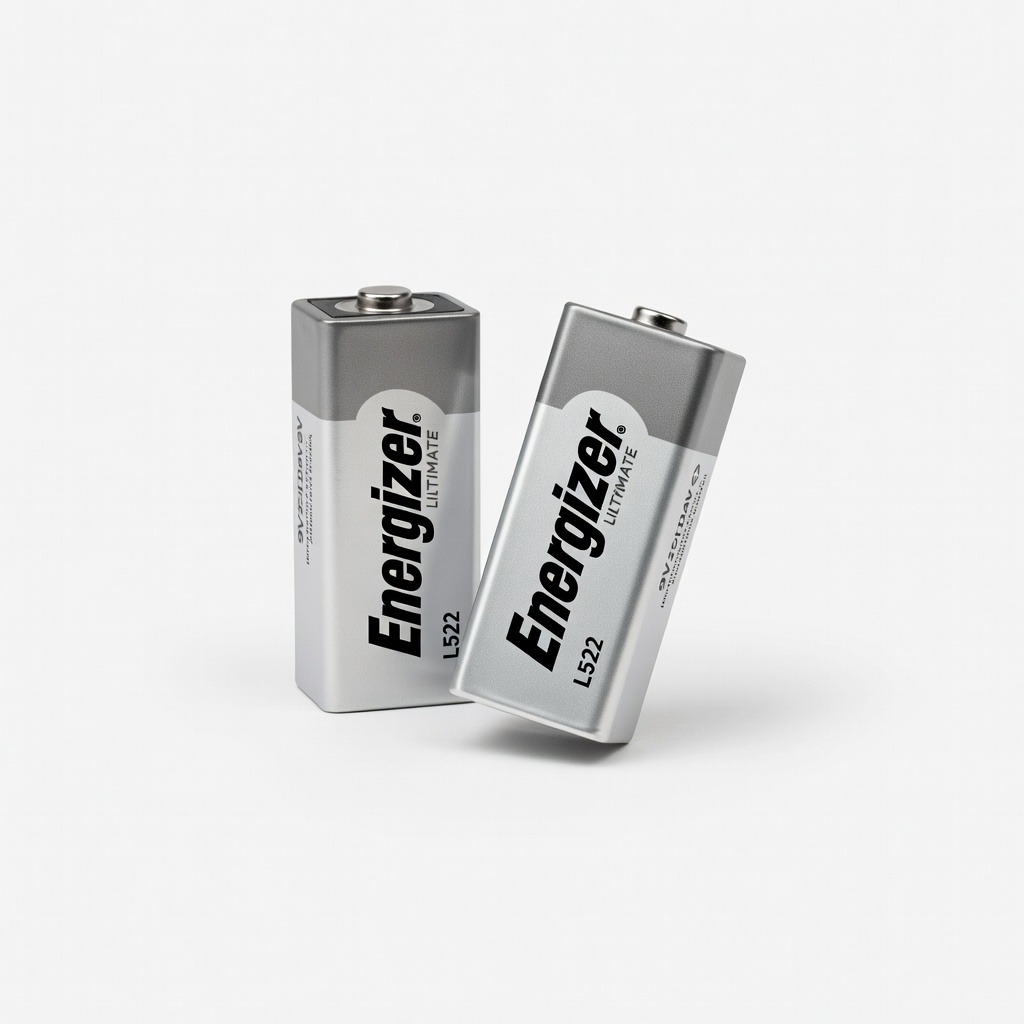
Energizer Ultimate Lithium 9V Batteries (L522)
Top-rated for longest life (up to 10 years), extreme temps, and leak-proof design—perfect for smoke detectors per Consumer Reports.
Best for: Unheated garages, attics, or any detector needing max reliability.
Price Range: $12-15 per 2-pack (ASIN: B00006JWR6)
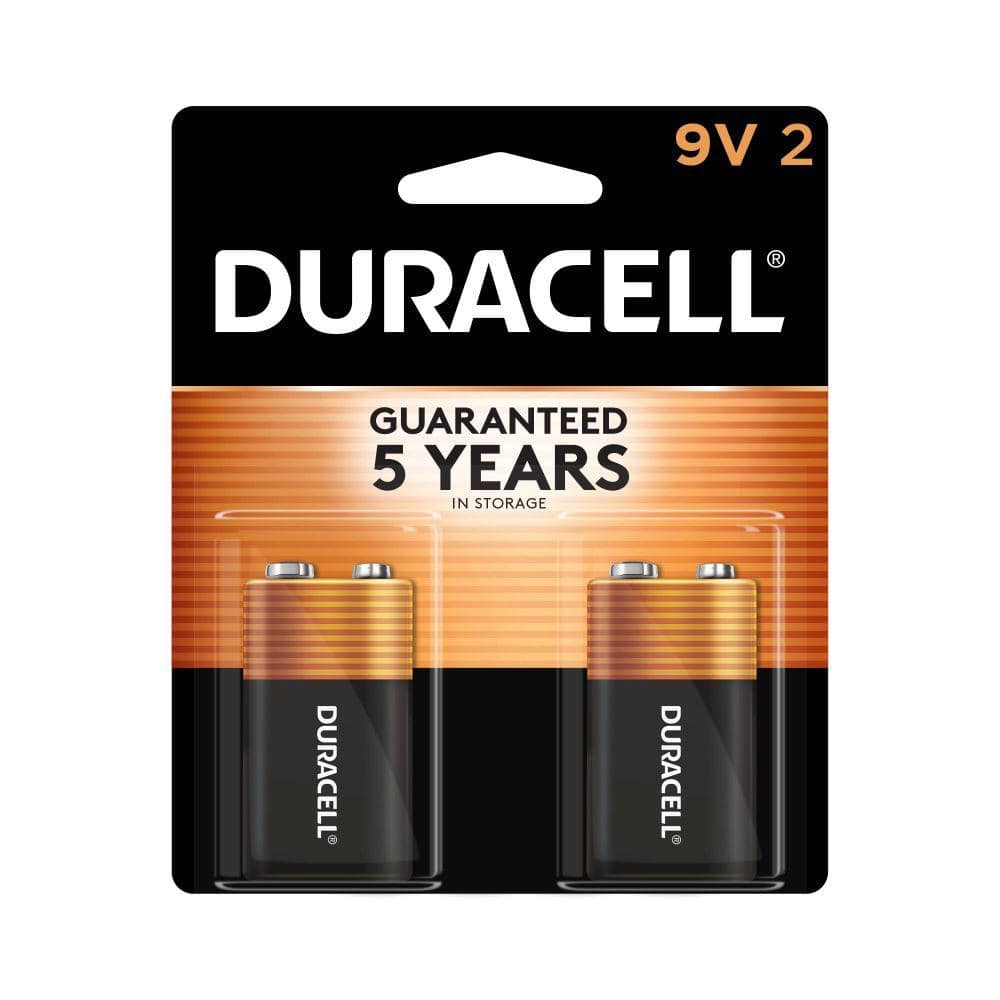
Duracell Coppertop 9V Alkaline Batteries
Reliable, affordable everyday choice with Duralock seal against leaks; strong performer in standard tests.
Best for: Budget-friendly for multiple indoor detectors.
Price Range: $8-10 per 4-pack (ASIN: B000Z98G0U)
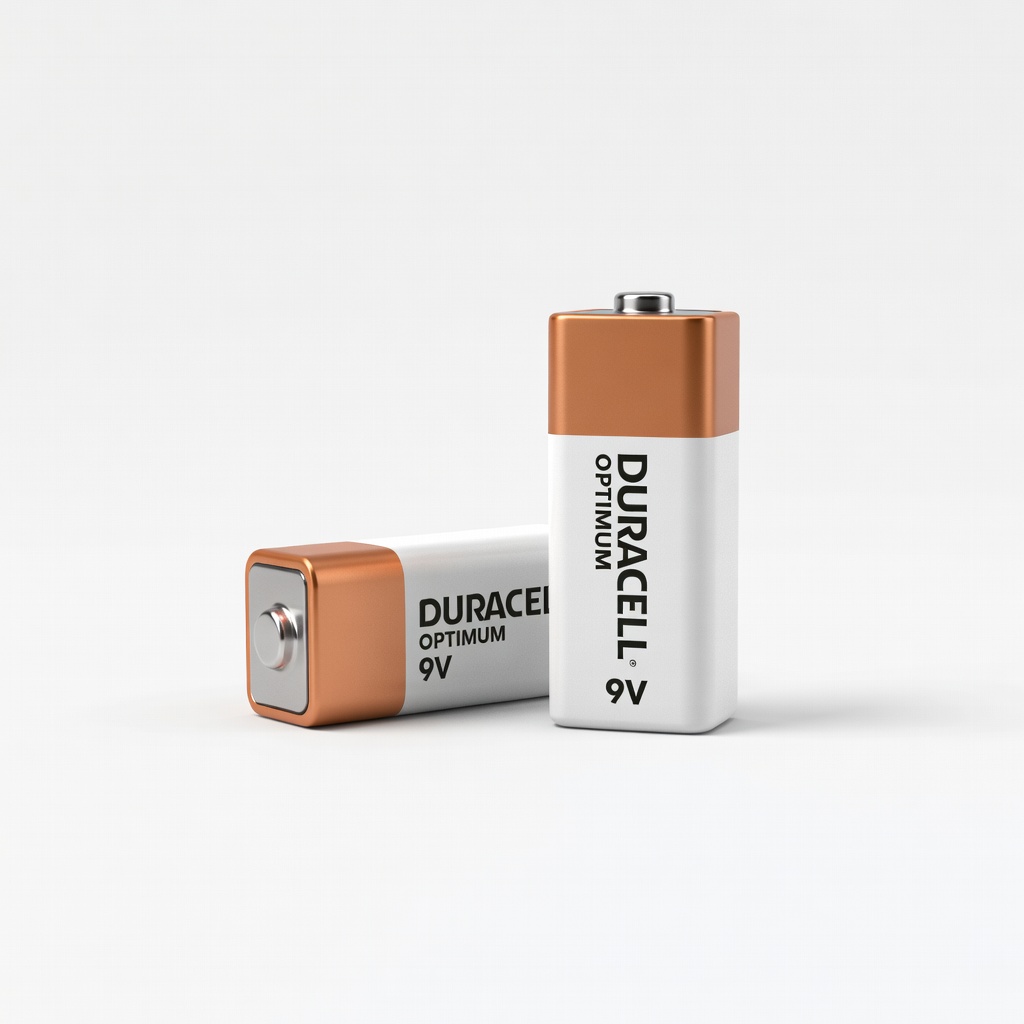
Duracell Optimum 9V Batteries
Premium alkaline with 4x power boost vs. basic; excellent voltage stability to prevent chirps.
Best for: High-use homes with frequent testing.
Price Range: $15-20 per 4-pack (ASIN: B08G4QZTZJ)
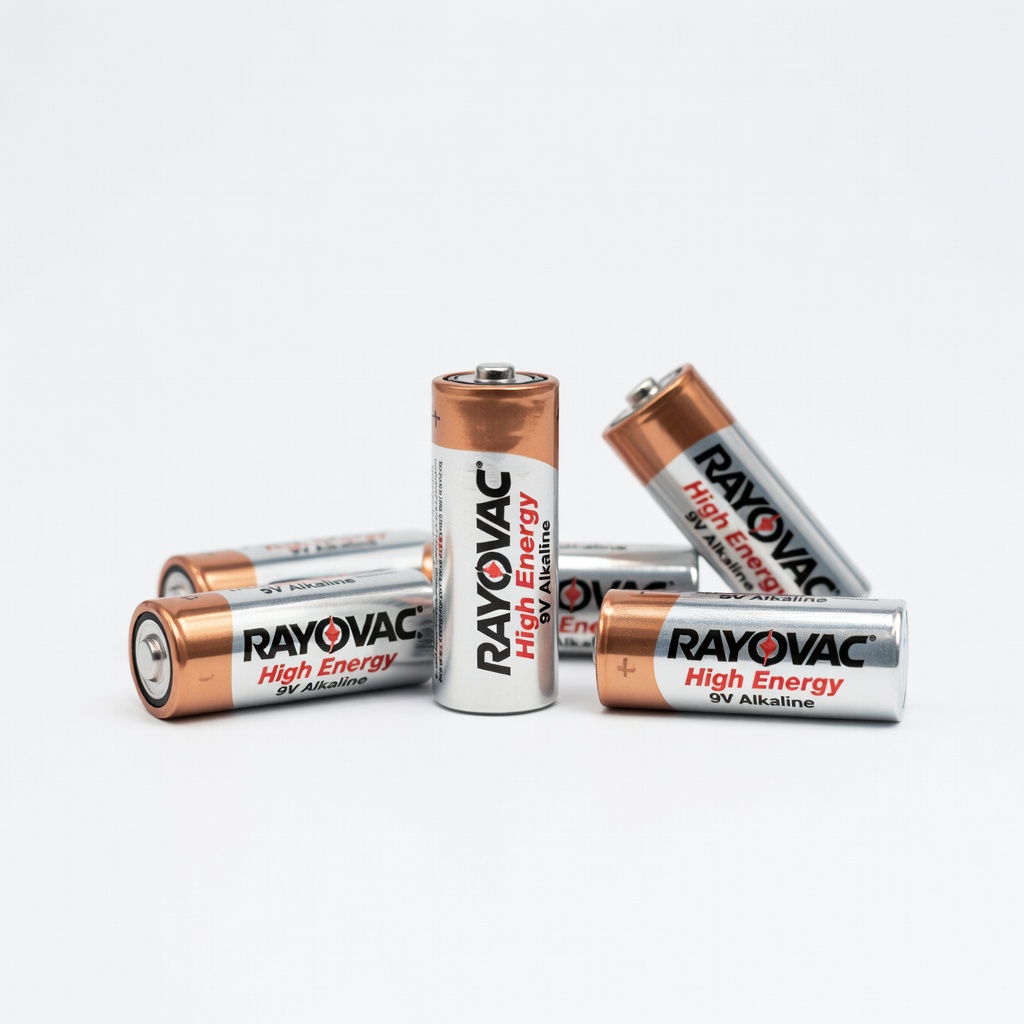
Rayovac High Energy 9V Alkaline Batteries
Best value lithium-free option; 5-year guarantee, mercury-free, and reliable in humid conditions.
Best for: Cost-conscious buyers in moderate climates.
Price Range: $7-9 per 4-pack (ASIN: B0000AOF2Q)