
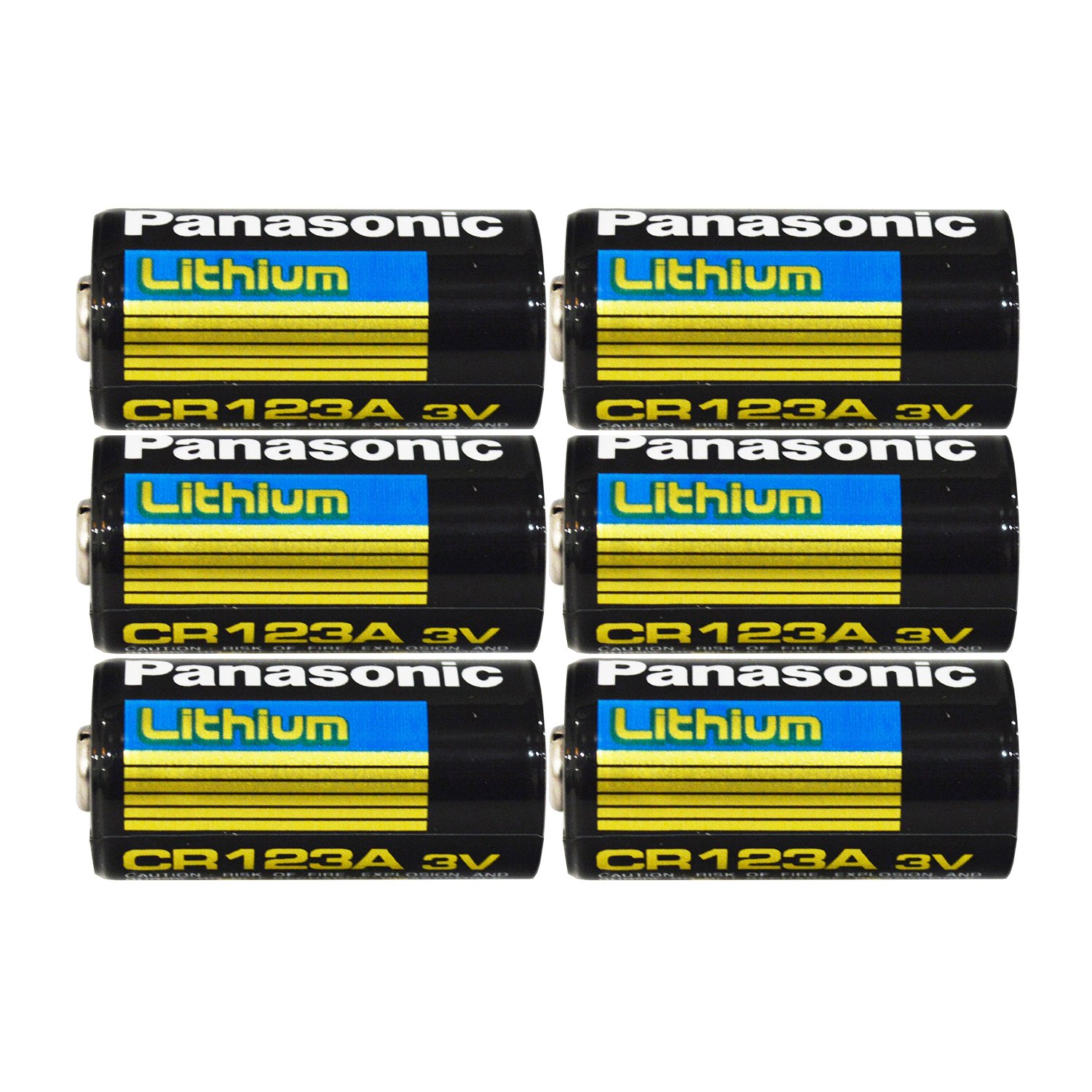
Panasonic CR123A Lithium Batteries (6-Pack)
Daily high-torque crawlers or airsoft-style RC motors.
$10-$15
Panasonic CR123A Lithium Batteries (6-Pack) Industry gold standard with 1550mAh, <30mΩ IR, 2A continuous—holds voltage perfectly for torque.
Get the App
Better experience on mobile
Learn key specs, top picks, and how to choose 3V batteries that prevent voltage sag for peak torque in small RC crawlers and micro motors.
High-torque RC motors in tiny crawlers, micro drones, or brushed gearmotors demand steady 3V power, but cheap coin cells like CR2032 sag under load, killing performance and stalling your build. This guide breaks down what makes a battery 'best' for these applications.
You'll understand motor power needs, battery specs like discharge rate and internal resistance (IR), battery types, and real-world comparisons. By the end, you'll pick and test the ideal 3V cell for reliable torque without overheating or quick drain.
Expect 10-15 minutes to read and apply—intermediate knowledge of RC basics assumed, no soldering required.
Estimated Time: 10-15 minutes to read and evaluate options Difficulty: intermediate
High-torque RC motors (e.g., 3V brushed types in 1/18 scale crawlers) draw 1-5A at stall. Check your motor's datasheet for no-load current (50-200mA), stall current, and required voltage stability.
Why it matters: Torque drops if voltage sags below 2.8V under load. Analogy: Like flooring a gas pedal in a car with a weak fuel pump—RPMs spike then flatline.
Expect: Most need batteries supporting 2A+ continuous discharge.
💡 Tips:
⚠️ Warnings:
Focus on: Voltage: Steady 3V nominal. Capacity (mAh): 1500mAh+ for runtime. Discharge Rate (C-rating or mA): 1000mA+ continuous. Internal Resistance (IR): <50mΩ for minimal sag.
Why: High IR causes heat and voltage drop (e.g., 3V to 2.5V at 2A). Pulse capability handles startup surges.
Lithium primaries excel here over alkalines.
💡 Tips:
Primaries win for simplicity and consistency in RC.
⚠️ Warnings:
CR123A (1550mAh) lasts 30-60min at 1A vs. CR2032's 5min. Test: Under 2A load, good cells hold >2.9V; bad ones drop to 2.5V.
Real-world: In a high-torque 3V crawler motor, CR123A delivers 20% more consistent torque.
💡 Tips:
CR123A (34x17mm, 17g) fits most holders; CR2 (smaller, 1000mAh). Weight matters in drones—lighter for agility.
Why: Poor fit causes poor contact, arcing. Use gold-plated holders.
Pick based on steps above (e.g., CR123A lithium). Test: Load with resistor matching motor draw, monitor voltage/IR with multimeter.
Expect >2.9V at rated current, cool temp after 5min.
💡 Tips:
⚠️ Warnings:
Problem: Voltage drops quickly under load
Solution: Replace with low-IR CR123A; clean contacts; test motor draw isn't excessive.
Problem: Motor overheats or won't spin
Solution: Check battery fresh date; measure IR; ensure holder springs are tight.
Problem: Short runtime despite high mAh
Solution: High drain exceeds rating—upgrade to higher C-rate cell or reduce gearing.
Problem: Battery leaks or swells
Solution: Wrong type (alkaline)—discard and use lithium primaries only.
Industry gold standard with 1550mAh, <30mΩ IR, 2A continuous—holds voltage perfectly for torque.
Best for: Daily high-torque crawlers or airsoft-style RC motors.
Price Range: $10-$15
Superior cold-weather performance and 10-year shelf life; 1.5-3A discharge prevents sag.
Best for: Outdoor micro RC planes/drones needing reliability.
Price Range: $25-$30
Budget-friendly with 1650mAh and low IR; consistent for intermediate RC builders.
Best for: Testing multiple motors or hobby projects.
Price Range: $12-$18
Compact alternative to CR123A (1000mAh, 1.5A); great for space-constrained high-torque setups.
Best for: Tiny RC cars where size trumps capacity.
Price Range: $8-$12
Reusable option (350mAh, 10A discharge) with BMS; regulate to 3V for endless torque testing.
Best for: Frequent use where recharge beats disposables.
Price Range: $15-$20 for 4-pack
Daily high-torque crawlers or airsoft-style RC motors.
Panasonic CR123A Lithium Batteries (6-Pack) Industry gold standard with 1550mAh, <30mΩ IR, 2A continuous—holds voltage perfectly for torque.
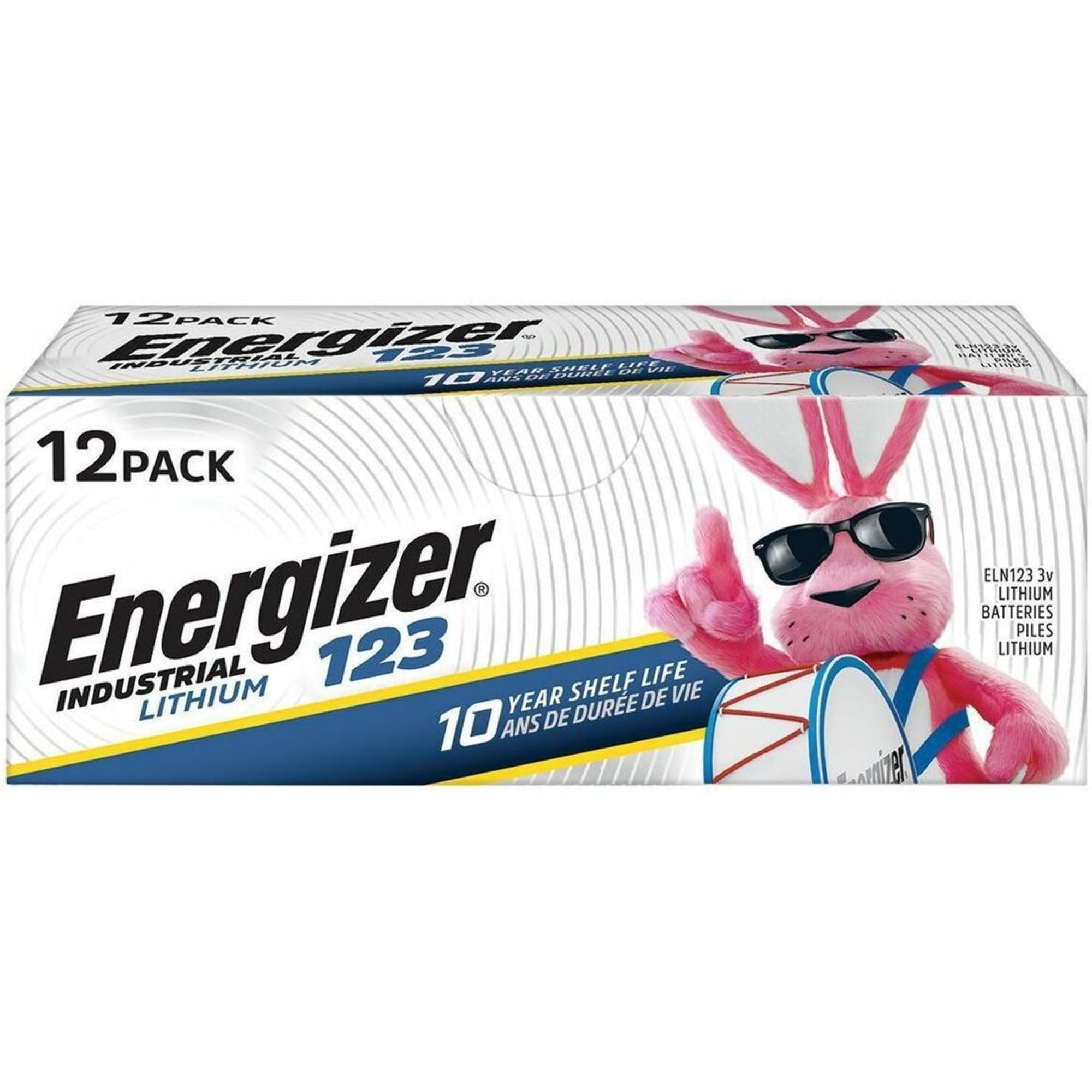
Outdoor micro RC planes/drones needing reliability.
Energizer Ultimate Lithium CR123A (12-Pack) Superior cold-weather performance and 10-year shelf life; 1.5-3A discharge prevents sag.
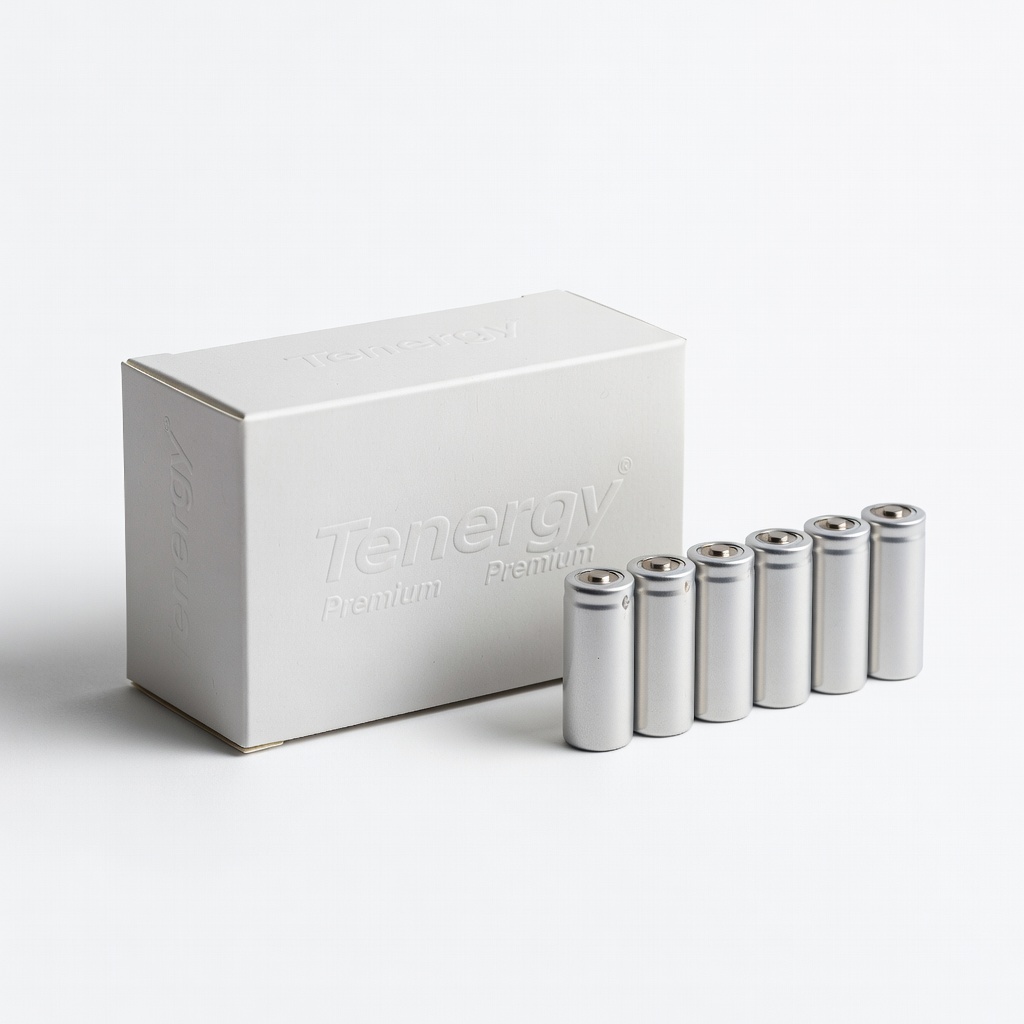
Testing multiple motors or hobby projects.
Tenergy Premium CR123A (8-Pack) Budget-friendly with 1650mAh and low IR; consistent for intermediate RC builders.
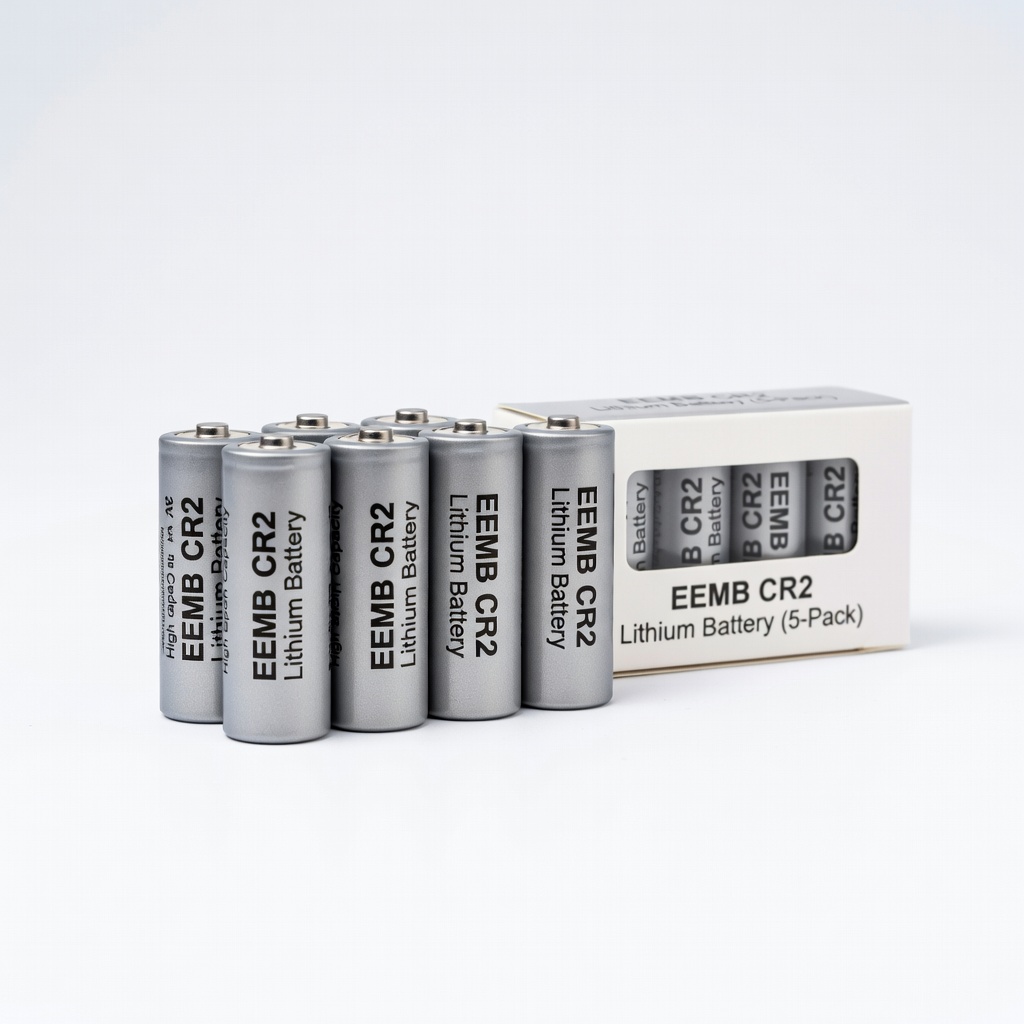
Tiny RC cars where size trumps capacity.
EEMB CR2 Lithium Battery (5-Pack) Compact alternative to CR123A (1000mAh, 1.5A); great for space-constrained high-torque setups.
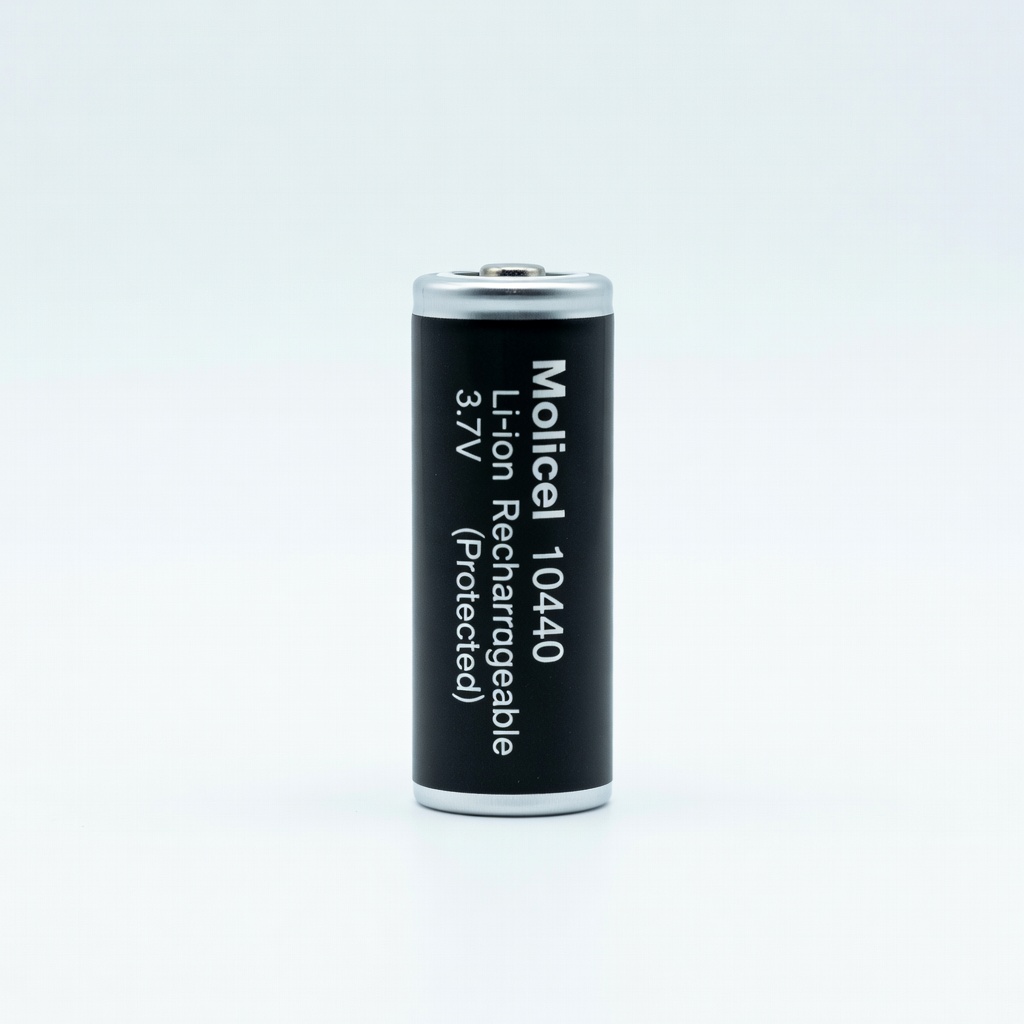
Frequent use where recharge beats disposables.
Molicel 10440 3.7V Li-ion Rechargeable (Protected) Reusable option (350mAh, 10A discharge) with BMS; regulate to 3V for endless torque testing.