Ever dreamed of stepping into a world of epic quests, where your choices shape the story? Role-playing games (RPGs) offer exactly that: a collaborative escape where imagination meets strategy. But if you're new, the jargon and setup can feel overwhelming. This guide demystifies RPGs for beginners, helping you understand what they are and how to dive in without frustration.
By the end, you'll grasp the fundamentals of RPGs, know the key components, and be ready to run a starter campaign with friends. We'll cover everything from basic definitions to practical steps for your first session. Expect a straightforward read that takes about 15 minutes, with setup for playing adding 1-2 hours—perfect for a casual evening start.
▸What You'll Need
- •A group of 3-6 friends (or online via tools like Roll20)
- •Basic polyhedral dice set (d4, d6, d8, d10, d12, d20—required for most systems)
- •A starter rulebook or campaign guide (e.g., D&D Starter Set—required)
- •Paper, pencils, and character sheets (required)
- •Optional: Miniatures or a virtual tabletop app for visuals
Estimated Time: 15-20 minutes to read and understand; 1-2 hours to prepare and run a starter session
Difficulty: beginner
▸Step-by-Step Instructions
Step 1: Understand the Core Concept of RPGs
Role-playing games are interactive storytelling experiences where players assume the roles of characters in a fictional world, guided by rules and a game master (GM). Unlike video games, tabletop RPGs rely on imagination, dice rolls, and group decisions to advance the plot. Think of it like an improv theater session with fantasy elements—your character might be a brave knight battling dragons or a sly rogue uncovering secrets.
This collaborative nature is what makes RPGs magical: everyone contributes to the narrative. The GM describes the scene and controls non-player characters (NPCs), while players decide their actions. Why it matters? It builds creativity, social skills, and problem-solving. Expect a mix of laughter, tension, and triumphs as stories unfold unpredictably.
For beginners, start with the idea that RPGs aren't about winning but enjoying the journey.
💡 Tips:
- •Use analogies like 'Dungeons & Dragons is like a choose-your-own-adventure book, but live and group-driven.'
⚠️ Warnings:
- •Don't worry about 'perfect' role-playing; it's okay to break character for fun.
Step 2: Explore the Key Components of an RPG
Every RPG has core elements: characters, setting, rules, and mechanics. Characters are defined by stats like strength or intelligence, backstory, and skills—created during 'character creation.' The setting could be high fantasy (like medieval worlds with magic) or sci-fi. Rules provide structure, often using dice to resolve actions (e.g., roll a d20 to hit an enemy).
Mechanics include combat, skill checks, and role-playing interactions. Why it matters: These components ensure fair play and excitement. In a session, you'll describe actions ('I sneak past the guard'), roll dice, and narrate outcomes. Expect variability— a high roll might mean success, low one a hilarious failure.
Beginners often overlook how flexible rules can be; they're tools, not shackles.
💡 Tips:
- •Keep a notebook for quick stat references to avoid mid-game confusion.
Step 3: Learn the Roles in a Gaming Group
In an RPG, the Game Master (GM) acts as storyteller and referee, preparing adventures and improvising responses. Players control one character each, making decisions that drive the plot. No role is 'better'—GMs get to unleash creativity, while players experience the world firsthand.
Why it matters: Clear roles prevent chaos and ensure everyone participates. A good group communicates boundaries, like avoiding sensitive topics. Expect the GM to set the pace, but players can suggest ideas. For your first game, rotate GM duties to share the load.
This setup fosters teamwork, turning strangers into allies in the story.
⚠️ Warnings:
- •Avoid dominating the narrative; listen to others to keep it collaborative.
Step 4: Discover Types of Role-Playing Games
RPGs come in flavors like tabletop (pen-and-paper, e.g., Dungeons & Dragons), live-action (LARP, with costumes and physical acting), or digital (video games like The Witcher). Tabletop is ideal for beginners due to low cost and accessibility. Systems vary: D&D focuses on fantasy combat, while Call of Cthulhu emphasizes horror investigation.
Why it matters: Choosing a type matches your interests—solo play via apps or group sessions. Expect tabletop to feel intimate and replayable. Start simple to build confidence before branching out.
Analogy: It's like picking a book genre; fantasy RPGs are like epic tales, mystery ones like detective novels.
💡 Tips:
- •Try free quick-start rules online from publishers to sample systems.
Step 5: What Are Starter Campaigns?
Starter campaigns are beginner-friendly adventures designed to teach rules through a short, guided story—often 4-6 sessions long. They include pre-made characters, maps, and plots to minimize prep. For example, a D&D starter might involve rescuing a village from goblins, introducing combat and role-play basics.
Why it matters: They lower the entry barrier, letting you focus on fun over setup. Expect built-in tutorials, like sidebars explaining dice rolls. These campaigns scale for different group sizes and end with a satisfying climax.
They're perfect for testing the waters without committing to a full homebrew epic.
⚠️ Warnings:
- •Stick to the module at first; deviating too much can confuse new players.
Step 6: How to Choose and Prepare a Starter Campaign
Select a campaign based on theme (fantasy, sci-fi) and group size—look for 'beginner' labels. Read the intro to gauge tone (light-hearted vs. dark). Prep by reviewing rules, assigning roles, and setting house rules (e.g., no PvP fights).
Why it matters: Good prep ensures smooth play. Expect 30-60 minutes of setup: print sheets, gather dice. Discuss expectations, like session length (2-4 hours).
This step turns abstract concepts into action, building excitement.
💡 Tips:
- •Watch free YouTube actual-play videos for inspiration on running scenes.
Step 7: Run Your First Starter Campaign Session
Gather your group, introduce the world, and let players create or pick characters. The GM narrates the hook (e.g., 'You enter a tavern...'), then responds to actions with dice checks. Keep it light—focus on description over strict rules.
Why it matters: The first session sets the tone for ongoing fun. Expect awkward moments; they're normal and lead to inside jokes. End with a cliffhanger to hook everyone for next time.
Celebrate small wins, like a successful persuasion roll, to build momentum.
⚠️ Warnings:
- •Don't railroad players; let choices matter to avoid frustration.
▸Pro Tips
- •Start with 2-hour sessions to avoid fatigue—build stamina gradually.
- •Use theater-of-the-mind for descriptions instead of minis if budget is tight; it sparks imagination.
- •Encourage 'yes, and...' improv to keep role-play flowing positively.
- •Record sessions (with permission) for fun recaps or to review rules.
- •Incorporate snacks and themes (e.g., medieval feast) to enhance immersion.
- •Rotate GM roles after the starter to share storytelling duties.
- •Use apps like D&D Beyond for digital character sheets to save paper.
▸Common Mistakes to Avoid
- •Overloading on rules upfront: It bogs down fun; learn as you play to stay engaged.
- •Ignoring group dynamics: One dominant player can sideline others; set turn-taking to ensure balance.
- •Skipping prep: Jumping in without reading the campaign leads to confusion; spend 15 minutes reviewing.
- •Treating it like a video game: RPGs thrive on narrative, not just combat; balance action with story.
- •Forgetting to have fun: Stressing 'correct' play kills the vibe; prioritize enjoyment over perfection.
▸Troubleshooting
Problem: Players argue over rules
Solution: Pause and reference the book together; if unclear, house-rule it and note for next time. Use online forums for quick clarifications.
Problem: Group loses interest mid-session
Solution: Inject a player hook, like tying the plot to their backstory, or take a break. Shorten future sessions if needed.
Problem: New players feel overwhelmed by choices
Solution: Provide pre-gen characters and guide decisions gently. Start with linear scenarios before open-world freedom.
Problem: Technical issues in online play
Solution: Test tools like Discord or Roll20 beforehand. Have a backup plan, like phone calls, if connectivity fails.
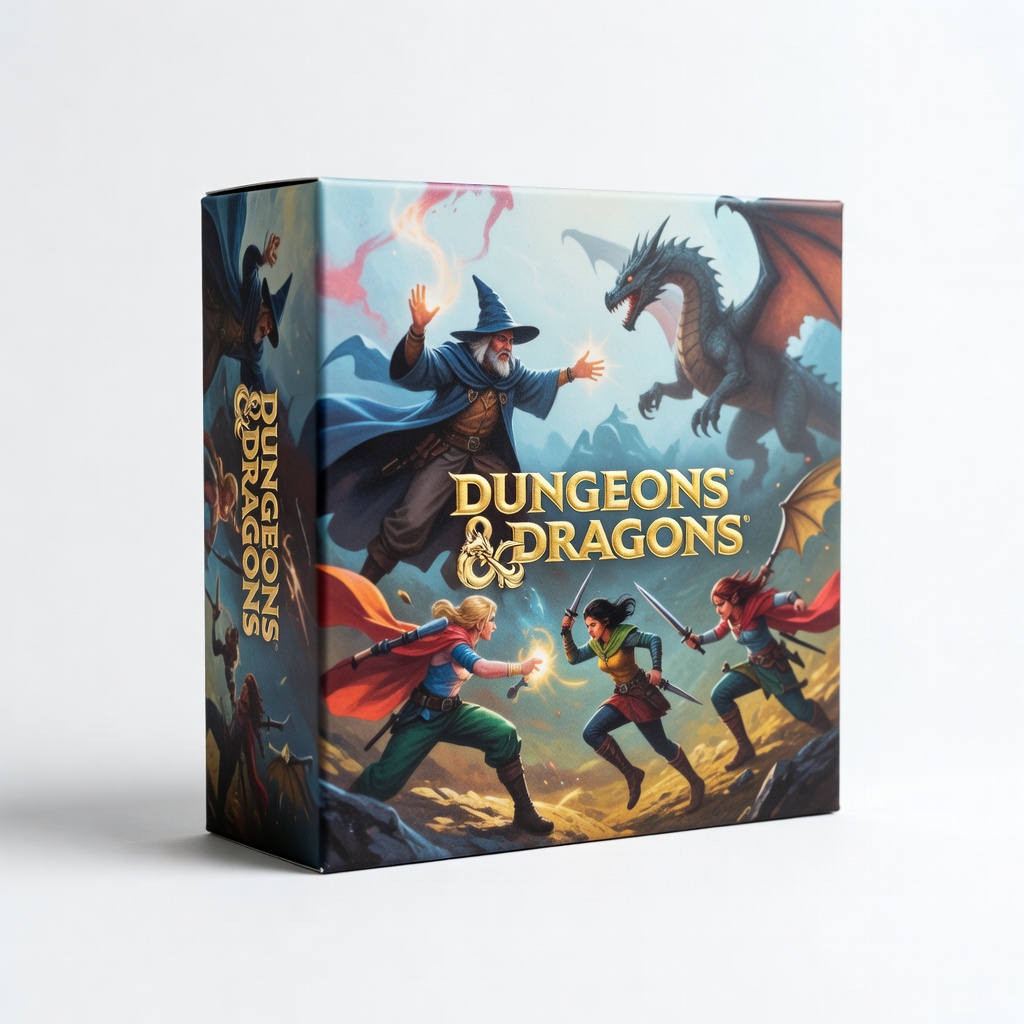
Dungeons & Dragons Starter Set
This official box includes rules, pre-made characters, and a full starter campaign, making it the perfect all-in-one for beginners to learn D&D basics without extra purchases.
Best for: Ideal for your first tabletop session; use it to run the included 'Lost Mine of Phandelver' adventure with 4-5 players.
Price Range: $19.99
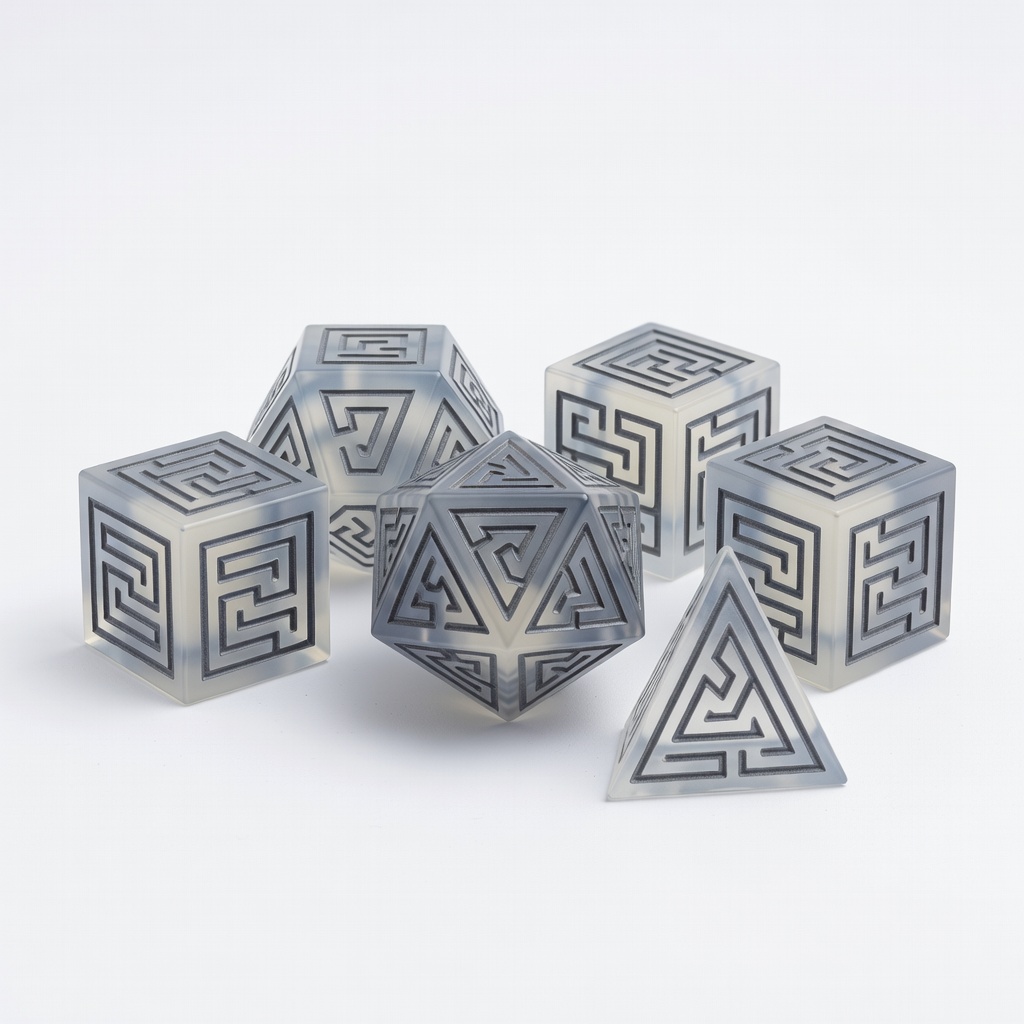
Chessex Dice Set - Labyrinth Series
A complete set of polyhedral dice in vibrant colors ensures fair rolls and adds flair; durable and beginner-friendly without being overwhelming.
Best for: Essential for resolving actions in any RPG; roll the d20 for key checks during your starter campaign.
Price Range: $9.99-$12.99
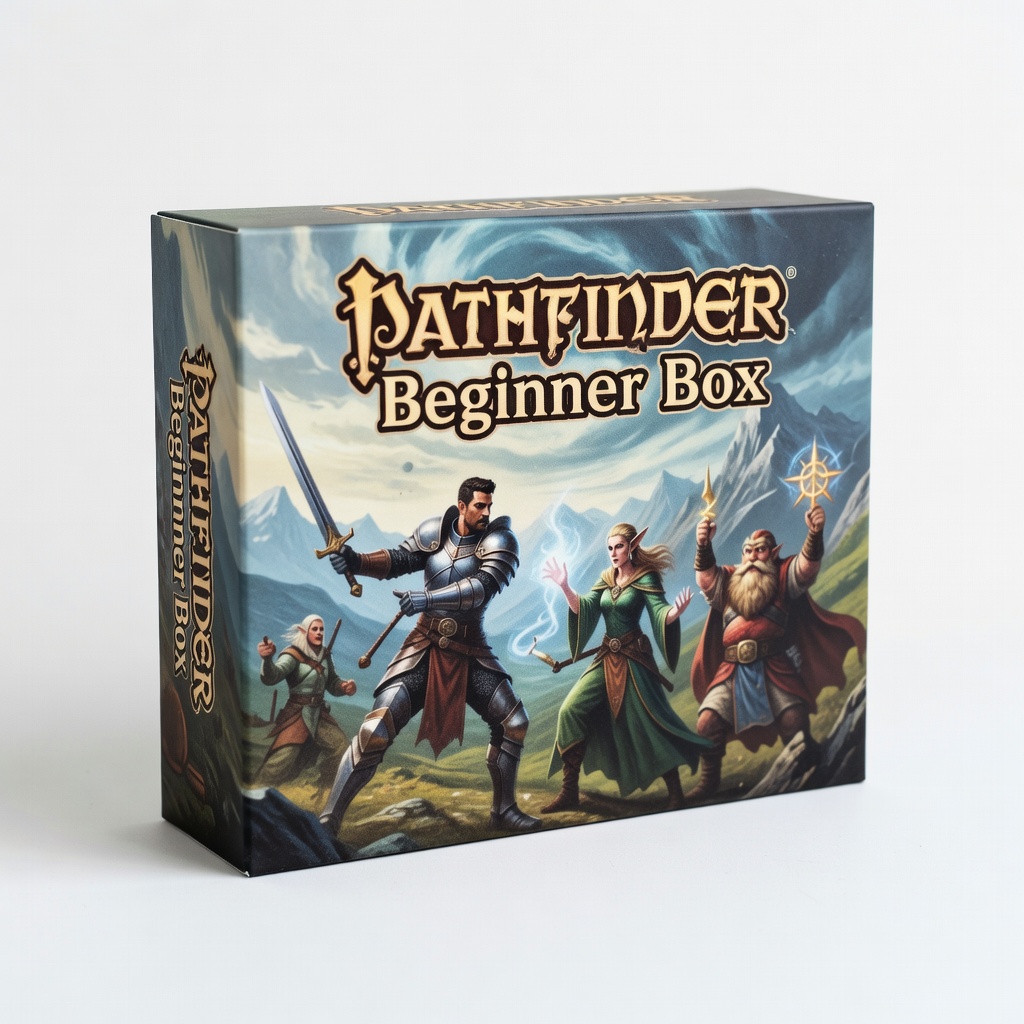
Pathfinder Beginner Box
Similar to D&D but with a fresh fantasy system; comes with a solo adventure, board, and tokens for easy setup and teaching core mechanics.
Best for: Great alternative if you want non-D&D; run the included 'Hero's Path' campaign for 1-4 players to explore storytelling.
Price Range: $39.99
Roll20 Virtual Tabletop Subscription
Free basic version with premium upgrades; handles maps, dice, and characters online, perfect for remote groups starting campaigns.
Best for: Use for virtual sessions when in-person isn't possible; import your starter campaign for shared visuals.
Price Range: Free (premium $5/month)
Blank RPG Character Sheets (100 Pack)
Affordable, printable sheets for tracking stats and notes; customizable for any system to keep your game organized.
Best for: Fill out during character creation in your starter campaign; reuse for future adventures.
Price Range: $8.99