
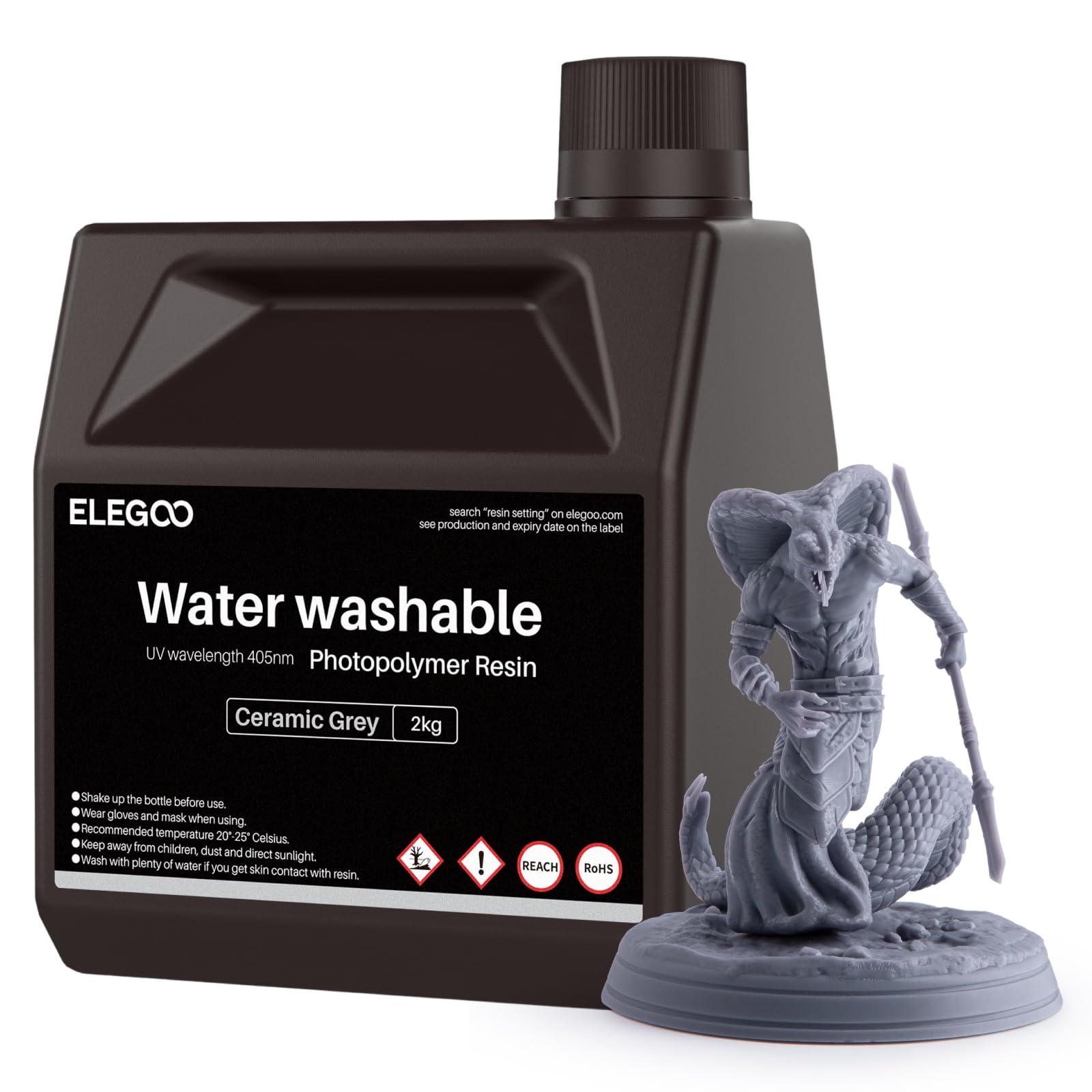
Elegoo Water Washable Resin 405nm (Gray)
Everyday printing of rings/pendants without harsh chemicals.
$25-30
Elegoo Water Washable Resin 405nm (Gray) Beginner-friendly, easy cleanup with water (less IPA needed), great detail for jewelry prototypes.
Get the App
Better experience on mobile
Learn resin 3D printing basics and discover top resins for crafting detailed, professional jewelry at home.
Imagine designing intricate rings, pendants, or earrings from your computer and bringing them to life with shimmering detail—no expensive molds or jewelers required. Resin 3D printing is revolutionizing jewelry making for hobbyists and pros alike, offering unmatched precision for tiny features like prongs or filigree that filament printers can't match.
In this guide, you'll understand what resin 3D printing is, how it works, why it's ideal for jewelry, and the best beginner-friendly resins to get started. We'll break it down simply, with no prior experience needed. Expect to grasp the full process in 15 minutes, empowering you to prototype custom pieces or even cast them in real metals.
Whether you're a complete beginner tired of outsourcing designs or curious about entering the maker world, this explainer covers the essentials without overwhelming jargon.
Estimated Time: 15-20 minutes to read and understand Difficulty: beginner
Resin 3D printing uses liquid photopolymer resin cured layer-by-layer with UV light, unlike filament (FDM) printing that melts plastic filament. Think of it like sculpting with light: a laser or LCD screen projects UV light to solidify resin precisely.
For jewelry, this means ultra-fine details (down to 0.05mm resolution) perfect for gems settings or engravings. FDM blurs these with visible layers (0.1-0.3mm). Analogy: FDM is like spray-painting a model; resin is like dipping in liquid glass for crystal clarity.
Expect smooth, glossy surfaces straight from the printer, ideal for prototypes or direct wear with polishing.
💡 Tips:
Most beginner printers use MSLA (Masked Stereolithography): An LCD screen blocks UV light from an LED array below the vat, curing a full layer at once (faster than laser SLA). Resin in the vat flows over the build plate, which lowers incrementally (25-50 microns per layer).
Why it matters: Speed (hours vs. days for detailed jewelry) and detail rival injection molding. Process overview: Design → Slice in software (e.g., Chitubox) → Print → Wash → Cure.
You'll see a vat of gooey liquid turn into a solid model—messy but magical.
⚠️ Warnings:
Jewelry demands micro-details, smooth curves, and wax-like burnout for casting—resin's strengths. Castable resins mimic wax, burning out cleanly without residue for gold/silver pours.
Non-castable resins suit wearables or prototypes. Benefits: Custom sizing, endless designs, low material cost ($0.50-2 per ring). Pain point solved: No minimum orders from jewelers.
Real-world: Makers print wedding bands in hours, cast in platinum next day.
💡 Tips:
Look for low viscosity (flows easy), high resolution (low shrinkage <1%), and biocompatibility if wearable. Castable: 20-40% wax content for clean burnout. Colors: Clear/gray for detail visibility; waxy yellow/green for casting.
Shrinkage warps rings—choose premium low-shrink formulas. Viscosity affects print speed; watery resins = faster layers.
Test: Print a calibration model like a 20mm ring to check fit.
Why sequential: Supports prevent sagging; curing hardens fully.
Time: 1-4 hours print + 30min post-process per piece.
💡 Tips:
Wash removes sticky uncured resin; cure solidifies. Sand (2000 grit), polish with cerium oxide for shine. For casting: Embed in investment, burnout at 700°C, pour molten metal.
Expect trial/error first prints—practice on cheap resin.
Result: Mirror-like pieces ready for gems or plating.
⚠️ Warnings:
Batch print multiples with rafts. Invest in castable resin for real metal. Software like PreForm optimizes nesting.
Pro tip: Print masters, mold in silicone for resin duplicates—hybrid approach.
Achieve: Sellable jewelry without $10k equipment.
Problem: Print won't stick to plate
Solution: Re-level plate, sand rough spots, increase bottom exposure 50%.
Problem: Warped or separated layers
Solution: Lower temperature, use anti-aliasing in slicer, check resin expiry.
Problem: Brittle after curing
Solution: Cure longer (10min+), use flexible resin additive.
Problem: Cloudy or rough surface
Solution: Wash longer in fresh IPA, filter resin before use.
Beginner-friendly, easy cleanup with water (less IPA needed), great detail for jewelry prototypes.
Best for: Everyday printing of rings/pendants without harsh chemicals.
Price Range: $25-30
Low odor, fast curing, minimal shrinkage for precise jewelry fits.
Best for: High-detail wearables or masters for molding.
Price Range: $40-50
Affordable castable option with wax-like burnout for metal jewelry casting.
Best for: Transitioning prototypes to gold/silver pours.
Price Range: $25-35
Compact, high-res (18x34 micron) perfect for jewelry beginners.
Best for: Starter printer for detailed small parts.
Price Range: $250-300
Ultra-high resolution for micro-jewelry features, fast prints.
Best for: Pro-level detail on earrings or settings.
Price Range: $200-250
Everyday printing of rings/pendants without harsh chemicals.
Elegoo Water Washable Resin 405nm (Gray) Beginner-friendly, easy cleanup with water (less IPA needed), great detail for jewelry prototypes.
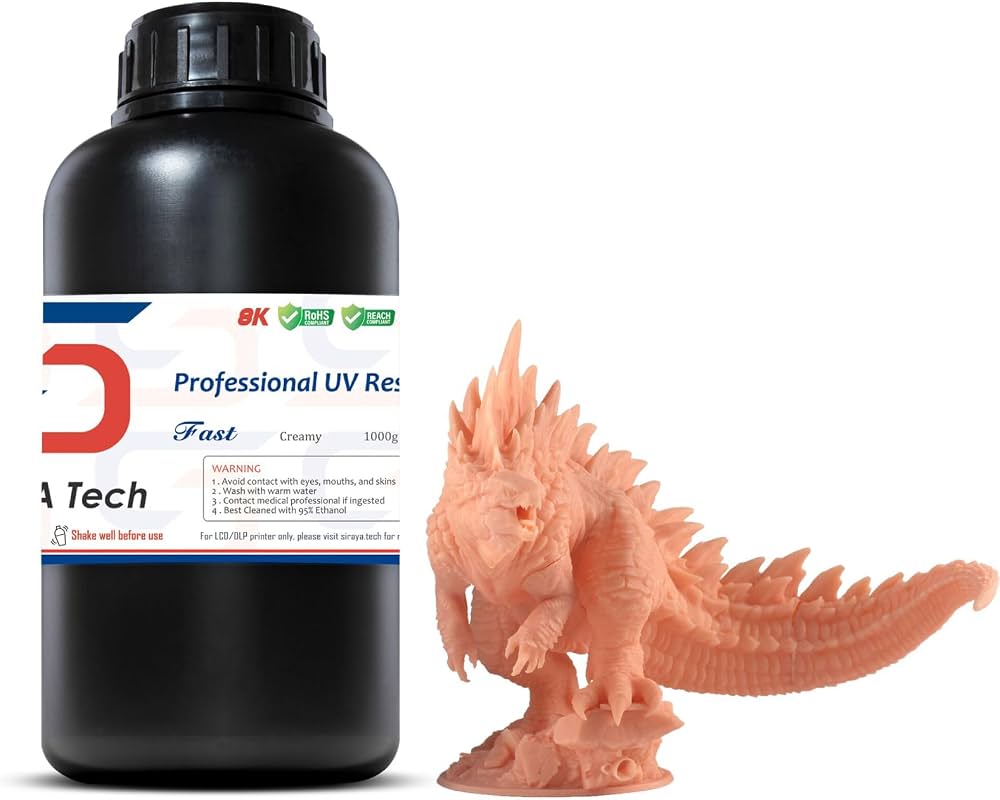
High-detail wearables or masters for molding.
Siraya Tech Fast Resin (Clear) Low odor, fast curing, minimal shrinkage for precise jewelry fits.
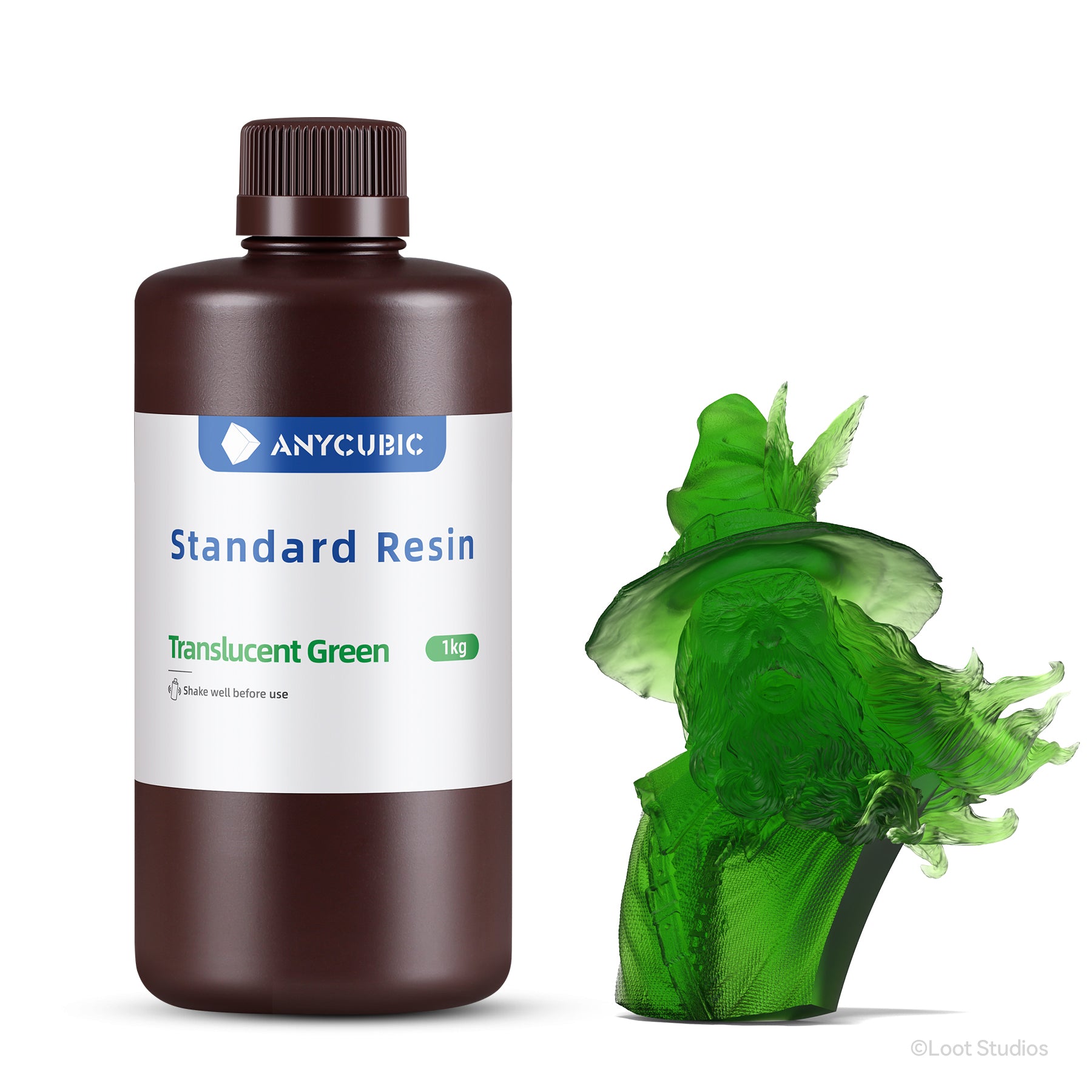
Transitioning prototypes to gold/silver pours.
Anycubic Standard Resin+ (Green Castable) Affordable castable option with wax-like burnout for metal jewelry casting.
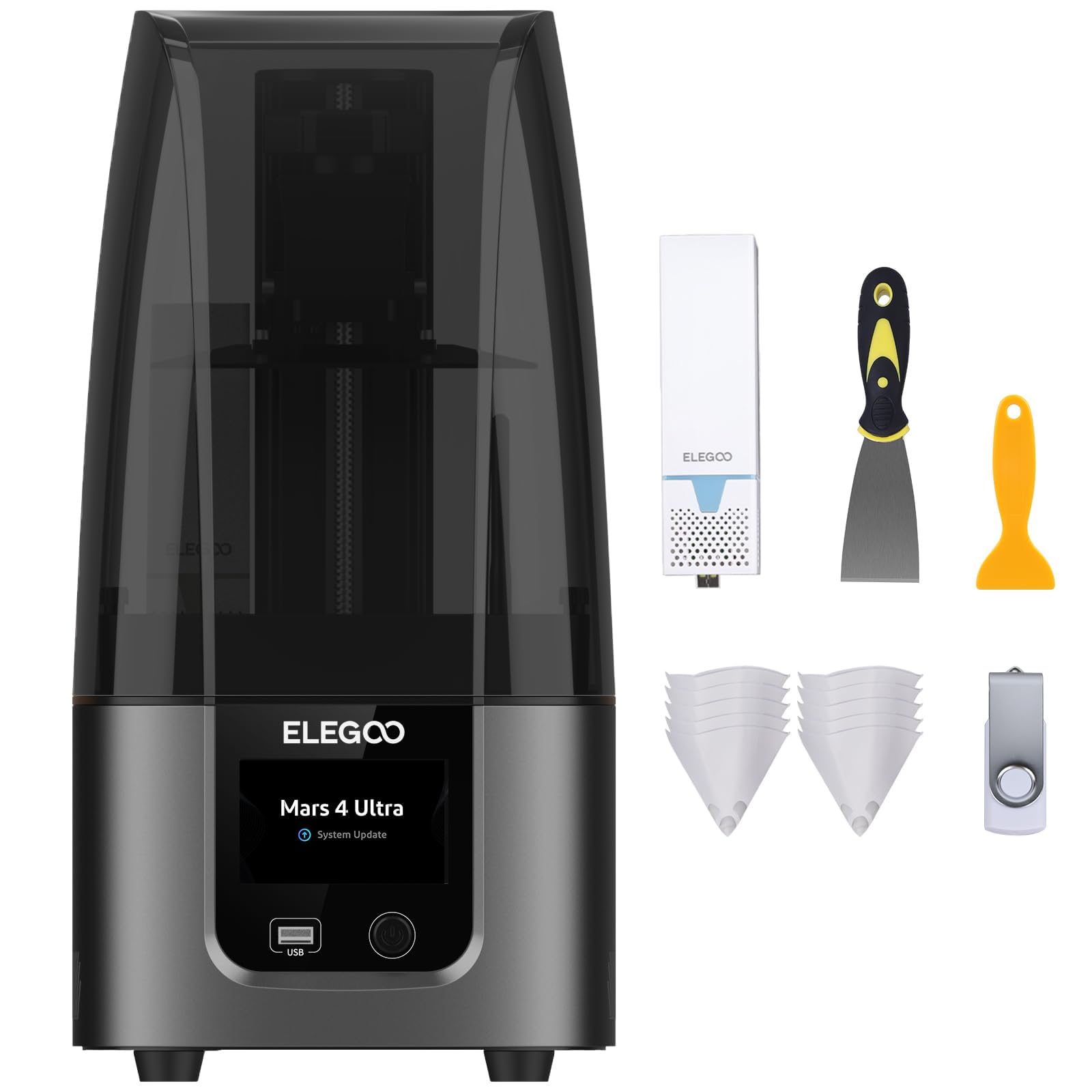
Starter printer for detailed small parts.
Elegoo Mars 4 Ultra 9K Resin Printer Compact, high-res (18x34 micron) perfect for jewelry beginners.
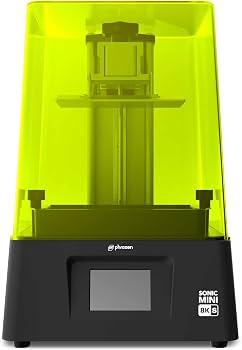
Pro-level detail on earrings or settings.
Phrozen Sonic Mini 8K Ultra-high resolution for micro-jewelry features, fast prints.