Imagine adding a vibrant new fish to your aquarium, only to watch your entire tank succumb to a mysterious illness days later. This heartbreaking scenario is all too common for beginner aquarists who skip quarantine. Without it, parasites, bacteria, and viruses hitch a ride on new additions, spreading like wildfire in your main tank.
In this guide, you'll learn what quarantine means in the aquarium world, why it's a non-negotiable step for healthy fishkeeping, and how to implement it simply. We'll break down the concept using easy analogies—like a 'quarantine zone' similar to airport screenings for travelers—and cover the essentials without overwhelming jargon. By the end, you'll feel confident protecting your aquatic pets.
Expect a straightforward explainer: no advanced biology required, just practical insights. Setting up a basic quarantine can take 1-2 hours initially, but the payoff is a disease-free hobby for years.
▸What You'll Need
- •A separate quarantine tank (5-10 gallons recommended for small fish)
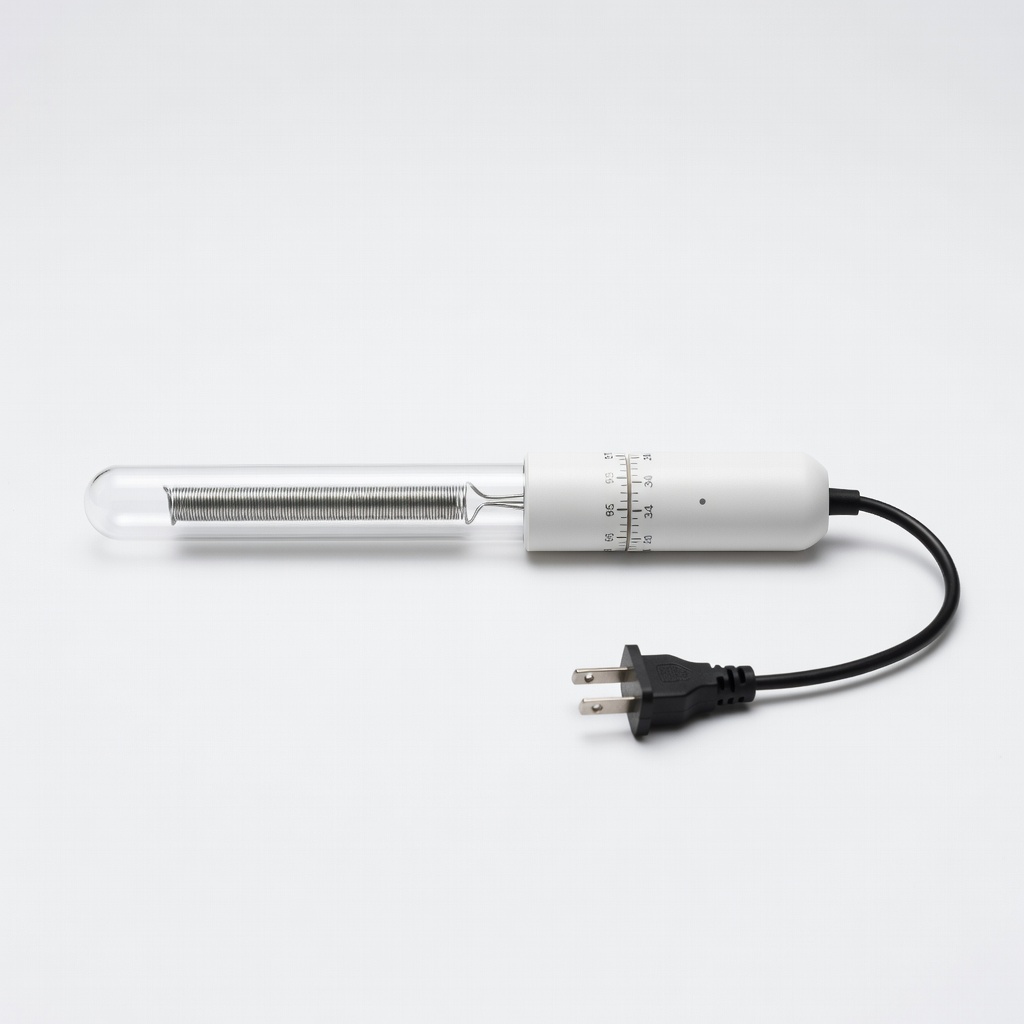
- •Aquarium heater to maintain stable temperature (75-80°F)
- •Air pump and sponge filter for gentle filtration
- •Water conditioner (e.g., to remove chlorine)
- •Basic water test kit for monitoring parameters
- •Optional: Medications like antiparasitics (e.g., for common issues)
Estimated Time: Reading: 10-15 minutes; Initial quarantine setup: 1-2 hours
Difficulty: beginner
▸Step-by-Step Instructions
Step 1: Understand the Basics of Quarantine
Quarantine in aquariums is like a hospital isolation ward for new fish. It's a temporary setup where newcomers live separately for 2-4 weeks before joining the main tank. This period allows any hidden diseases to show up without risking your established aquarium.
Why does it matter? Fish from stores often carry invisible pathogens like ich (a parasitic infection causing white spots) or fin rot (bacterial decay). Without quarantine, one sick fish can wipe out dozens. Think of it as a 'probation period'—healthy fish pass, sick ones get treated.
As a beginner, start by grasping this: quarantine isn't punishment; it's prevention. Expect to observe the fish daily for signs like lethargy or spots.
💡 Tips:
- •Use a timer for feeding to mimic natural routines and reduce stress.
⚠️ Warnings:
- •Never skip this for 'hardy' fish—goldfish and bettas need it too.
Step 2: Choose the Right Quarantine Tank Size
Select a tank that's at least 5 gallons for one small fish, scaling up for larger or multiple additions. A bare-bottom setup works best—no gravel to harbor bacteria.
This matters because overcrowding stresses fish, weakening their immune systems and inviting illness. For example, a 10-gallon tank gives a single betta plenty of swimming space, like a cozy apartment versus a cramped closet.
Expect minimal decorations: just a heater, filter, and hiding spot like PVC pipe. This keeps cleaning easy and focuses on health monitoring.
💡 Tips:
- •Opt for a tank with a lid to prevent jumps—fish in quarantine can be unpredictable.
Step 3: Set Up Water Parameters
Match the quarantine tank's water to your main aquarium: same temperature (75-82°F), pH (6.5-7.5 for most freshwater), and zero ammonia/nitrites. Use dechlorinated water and cycle the tank lightly with beneficial bacteria.
Why essential? Sudden changes shock fish, mimicking a cold plunge for humans. Stable parameters let diseases surface naturally for early detection.
Test water daily at first. Expect cloudy water initially as the filter establishes—patience here prevents bigger issues.
⚠️ Warnings:
- •Avoid tap water without conditioner; chlorine kills beneficial bacteria.
Step 4: Introduce Fish to Quarantine
Acclimate new fish by floating the bag for 15-20 minutes, then slowly mix water over 30 minutes. Net them in gently—no pouring to avoid injury.
This step prevents osmotic shock, where fish swell or shrink from pH/temperature mismatches. It's like slowly adjusting to a new climate before unpacking.
Observe for 24 hours: normal behavior means good start; hiding or gasping signals stress. Feed sparingly—overfeeding pollutes water fast.
💡 Tips:
- •Dim lights during transfer to reduce fright.
Step 5: Monitor for Diseases During Quarantine
Daily checks for symptoms: white spots (ich), clamped fins (stress), or redness (infection). Use a magnifying glass if needed.
Quarantine shines here—isolated treatment stops spread. For analogy, it's like scanning luggage for contraband before entry.
If issues arise, treat promptly (e.g., with medication). Expect 2-4 weeks minimum; extend if symptoms appear late.
⚠️ Warnings:
- •Don't medicate blindly—test water first, as poor parameters mimic disease.
Step 6: Transition to Main Tank Safely
After 4 weeks symptom-free, re-acclimate to the main tank similarly. Clean the quarantine setup thoroughly afterward.
This ensures no lingering pathogens. Why? Even 'cured' fish can relapse under main tank stress.
Celebrate success: your aquarium stays balanced. Expect minor adjustment—watch for bullying from residents.
💡 Tips:
- •Quarantine plants and inverts too—they carry pests.
▸Pro Tips
- •Label your quarantine tank with dates to track the 4-week period easily.
- •Keep a log of observations—patterns help spot issues early.
- •Use airline tubing for siphoning waste without disturbing the fish.
- •Add Indian almond leaves for natural antibacterial properties and stress relief.
- •Quarantine during off-peak hobby times to avoid rushing the process.
- •Pair quarantine with regular water changes (25% weekly) for crystal-clear water.
- •For multiple fish, quarantine in batches to avoid cross-contamination.
▸Common Mistakes to Avoid
- •Skipping quarantine for 'just one fish'—even healthy-looking additions can carry diseases, leading to tank crashes; always isolate for 4 weeks.
- •Using the same net or tools between tanks without disinfection—transfers pathogens; rinse with bleach solution (1:10) and dry thoroughly.
- •Overlooking water parameters—mismatches cause stress mimicking illness; test and match every parameter before adding fish.
- •Rushing the acclimation process—sudden changes kill fish; take 30-45 minutes minimum for safe transition.
- •Forgetting to treat the quarantine water—meds need full dosing cycles; follow instructions to avoid resistant parasites.
▸Troubleshooting
Problem: Fish shows white spots (ich) in quarantine
Solution: Raise temperature to 82°F and treat with ich medication like malachite green for 7-10 days; continue water changes to remove parasites.
Problem: Quarantine tank water turns cloudy
Solution: Perform 25% water changes daily and add beneficial bacteria; avoid overfeeding to prevent bacterial bloom.
Problem: New fish won't eat
Solution: Give 1-2 days to adjust, then offer live foods like brine shrimp; if persists beyond a week, check for underlying illness and consult a vet.
Problem: Ammonia spikes in quarantine
Solution: Immediate 50% water change and add ammonia remover; seed with bacteria from main tank filter to establish cycle faster.
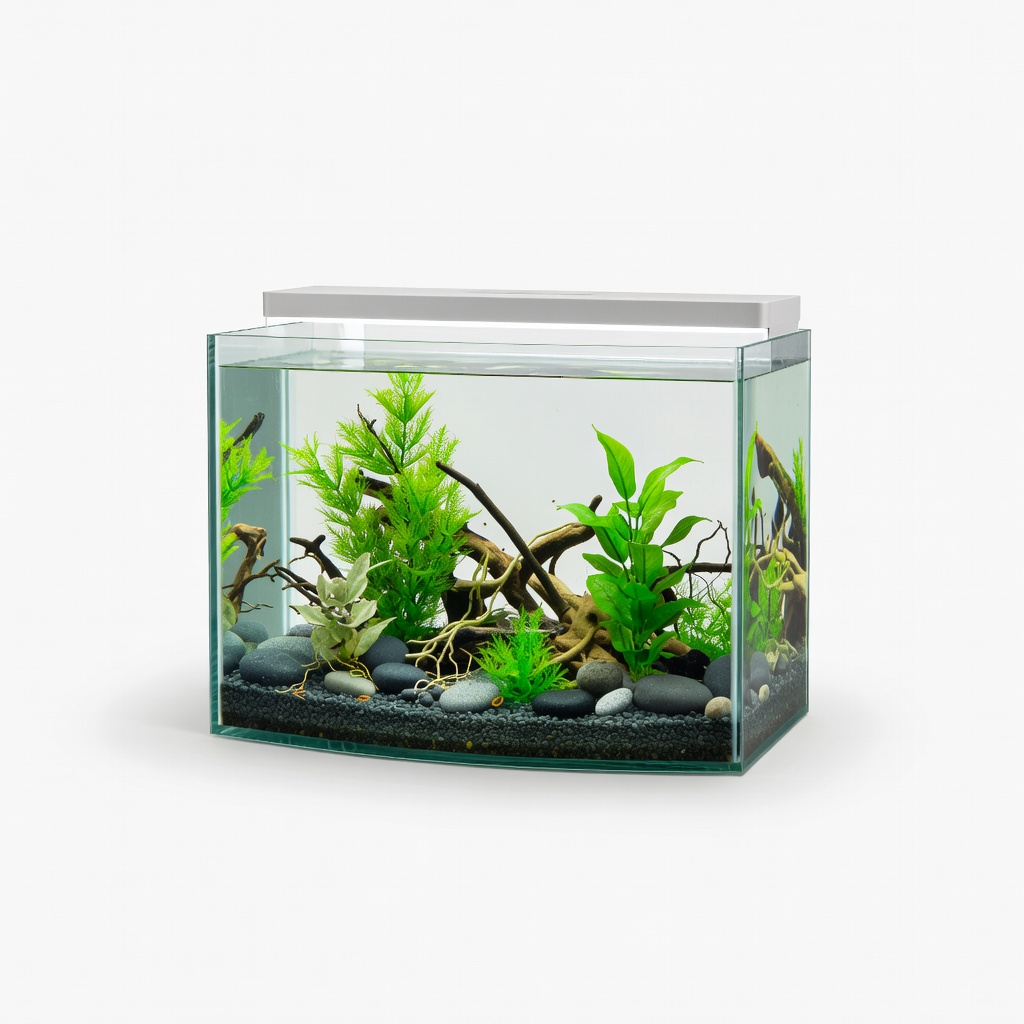
Aqueon LED MiniBow Aquarium Kit, 5 Gallon
Perfect starter quarantine tank with included filter and LED light for easy monitoring; compact and affordable for beginners.
Best for: Ideal for isolating small fish like tetras or shrimp; use for 4-week holds.
Price Range: $30-$40
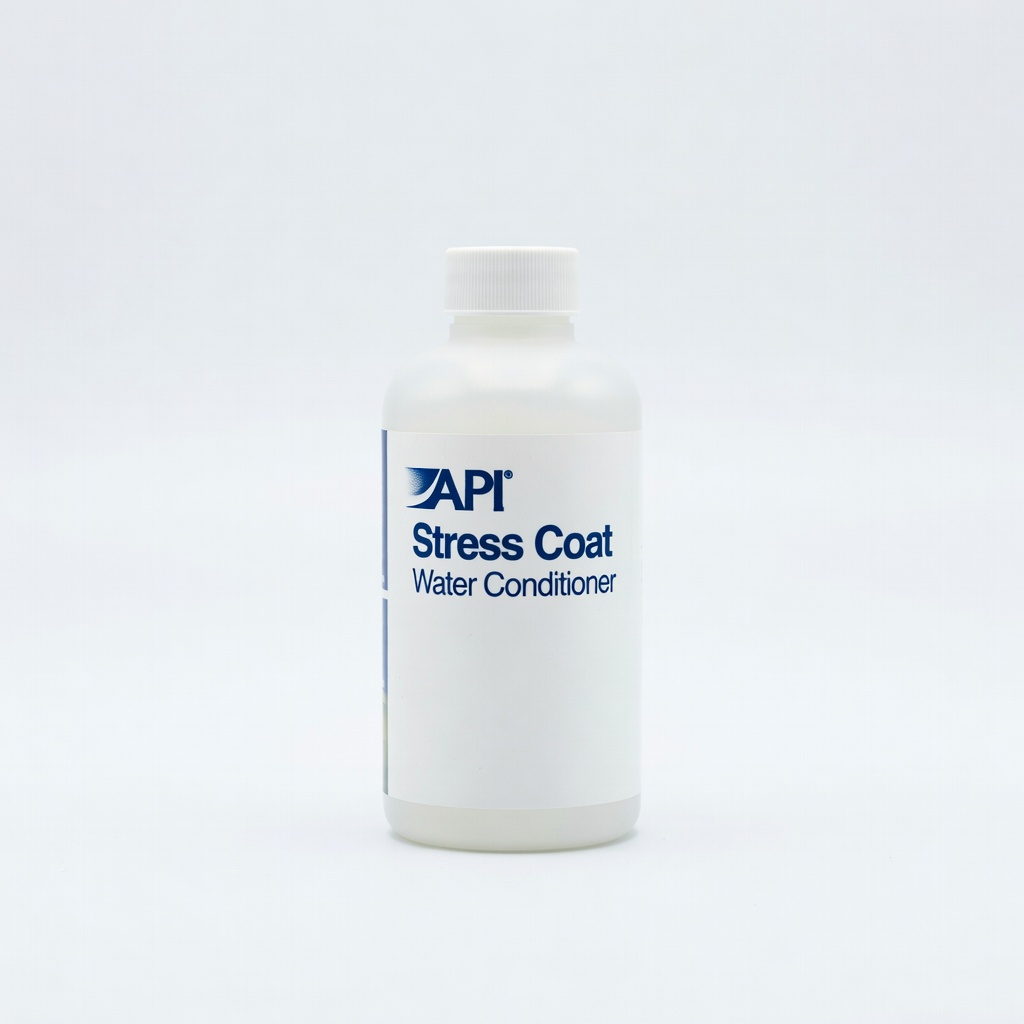
API Stress Coat Water Conditioner
Removes chlorine and adds protective slime coat to reduce stress during transfers; essential for safe acclimation.
Best for: Add to all water changes in quarantine to mimic natural mucus layer and prevent shock.
Price Range: $8-$12
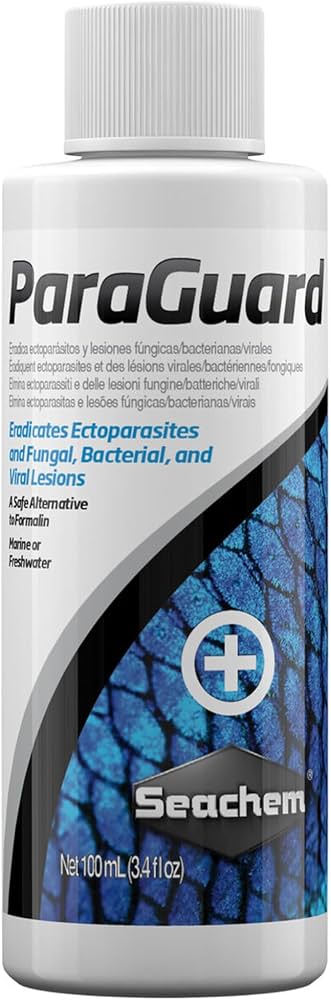
Seachem ParaGuard
Broad-spectrum treatment for parasites and bacteria without harming filters; safe for most freshwater fish.
Best for: Apply at first sign of illness in quarantine to treat ich or velvet proactively.
Price Range: $12-$18
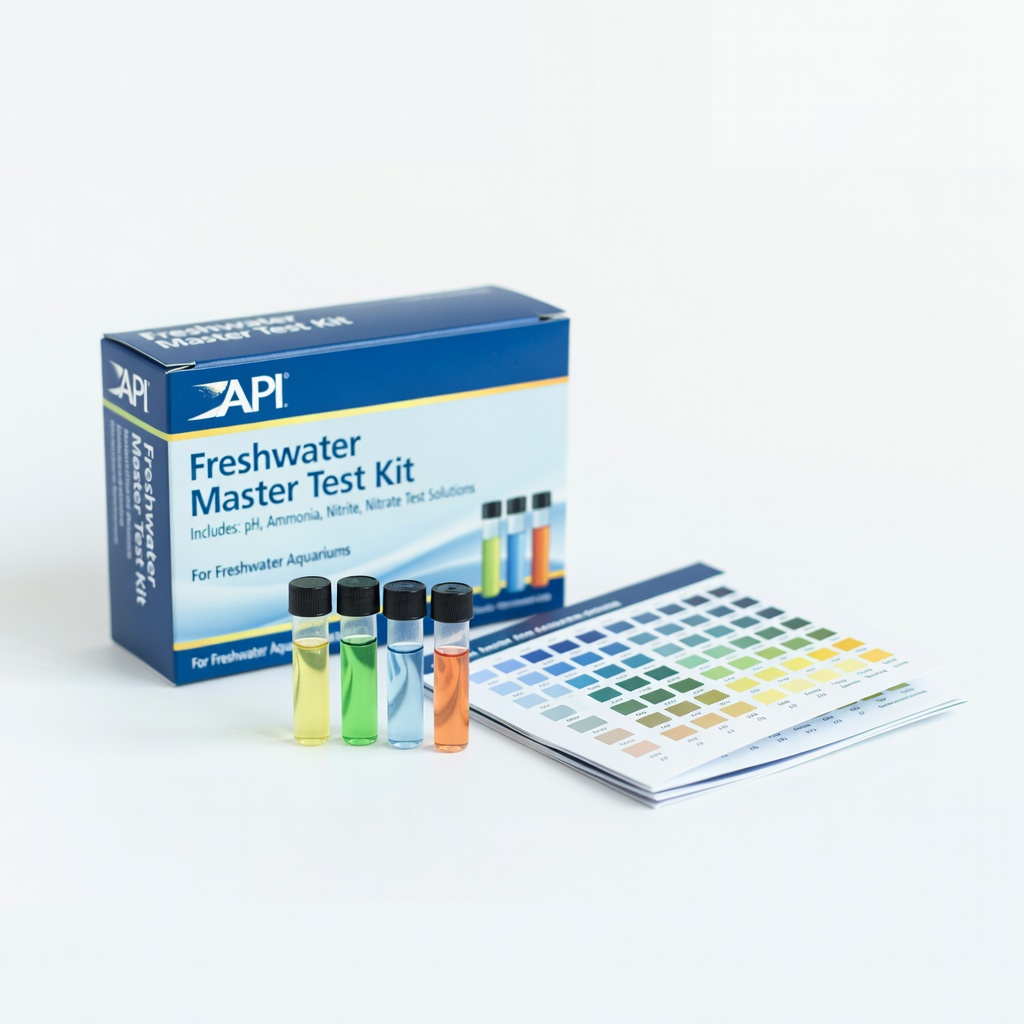
API Freshwater Master Test Kit
Accurate testing for pH, ammonia, nitrite, and nitrate; crucial for matching parameters and early disease detection.
Best for: Daily checks during quarantine to ensure stable water and avoid false alarms.
Price Range: $25-$35
hygger Aquarium Heater, 25W Adjustable
Reliable temperature control with auto shut-off; prevents fluctuations that stress fish and promote disease.
Best for: Maintain 78°F in small quarantine tanks for tropical species.
Price Range: $15-$25