
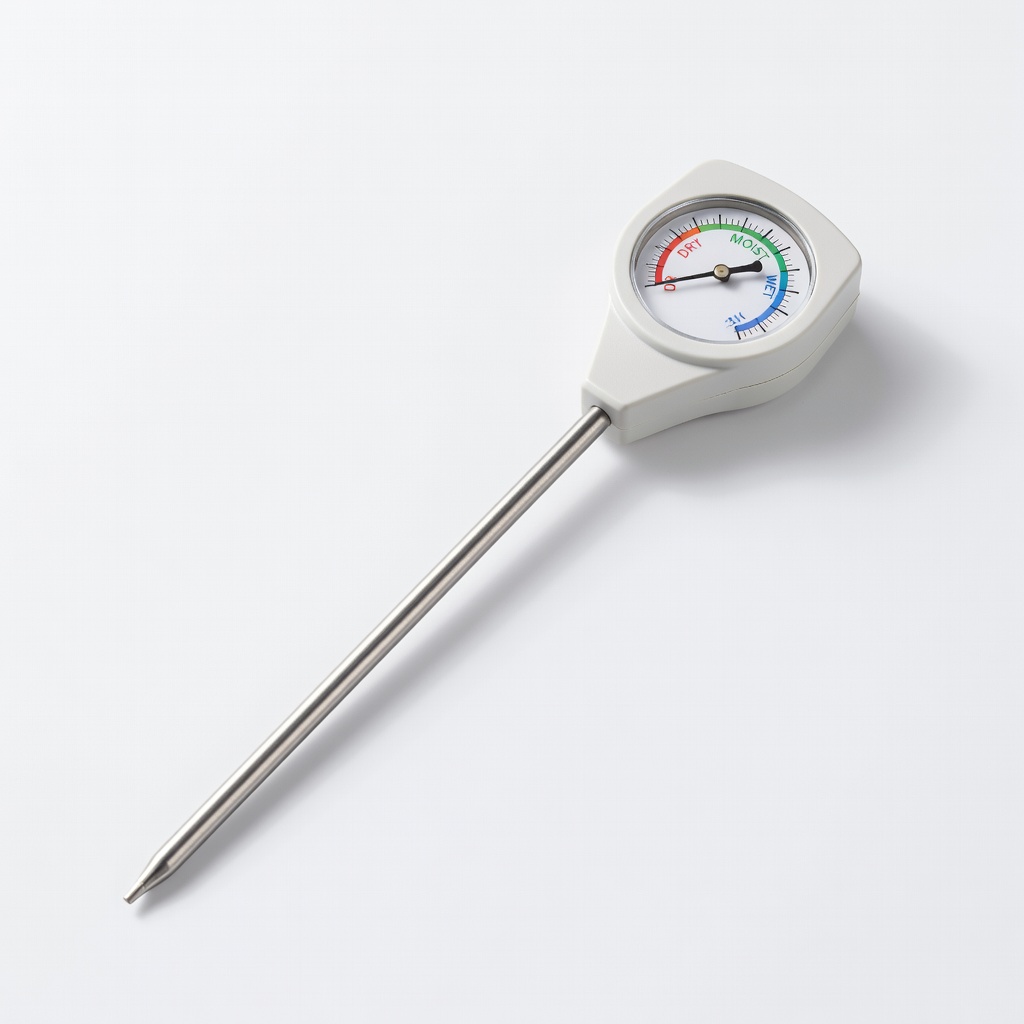
XLUX Soil Moisture Meter (Long Probe)
Daily checks in garden beds to avoid overwatering.
$12.99
XLUX Soil Moisture Meter (Long Probe) Accurate, affordable entry to soil data—essential for variable rate watering.
Get the App
Better experience on mobile
Learn how precision ag uses tech to optimize small-scale farming, boost yields, and cut costs for hobbyists.
As a hobby farmer, you might be juggling limited time, space, and budget while trying to maximize your harvest. Traditional farming often leads to overwatering, uneven fertilization, or pest issues due to guesswork. Precision agriculture (PA) changes that by using data-driven tech to make smarter decisions, potentially increasing yields by 10-20% and reducing inputs like water and fertilizer by up to 30%.
In this guide, you'll understand what PA is, its core technologies, benefits for small operations, and simple ways to start. No PhD required—just intermediate farming knowledge. Expect to grasp the concept in 20-30 minutes, with actionable steps to implement basics on your plot.
We'll break it down from basics to real-world application, using analogies like treating your farm like a high-tech video game where sensors are your power-ups.
Estimated Time: 20-30 minutes to read and understand; 1-2 hours to plan your first implementation Difficulty: intermediate
Precision agriculture is farming management using information technology to ensure crops and soil receive exactly what they need for optimal health and productivity. Think of it like a GPS for your tractor, but for every plant.
For hobby farmers, PA scales down big-farm tech (like satellite imagery) to backyard tools. It relies on spatial and temporal variability—recognizing your field isn't uniform, so neither should your inputs be. A shady corner might need less water than a sunny slope.
Why it matters: Reduces waste, saves money, and minimizes environmental impact. Hobbyists can start with free apps tracking weather.
💡 Tips:
Core tools include sensors (soil moisture, pH, nutrients), GPS/GIS for mapping fields, drones for aerial scouting, remote sensing (NDVI cameras detect plant health), and IoT devices connecting everything via apps.
Analogy: Sensors are like doctors checking vitals; data apps are the diagnosis dashboard. For hobby farms (under 5 acres), focus on wireless soil probes and smartphone apps like FarmLogs or Climate FieldView.
What to expect: Data in real-time, like 'Zone A: 40% moisture—irrigate now.'
💡 Tips:
⚠️ Warnings:
Collect data via ground sensors buried in soil, handheld meters for spot checks, weather stations for microclimate info, and drones/satellites for overhead views.
How it works: Plant sensors send Bluetooth data to your phone. Drones capture multispectral images showing stress invisible to the eye (e.g., yellowing from nitrogen lack).
For hobbyists: Walk your plot with a moisture meter, log via app. Why? Pinpoints issues early, preventing crop loss.
Apps aggregate data into variable rate prescriptions—e.g., 'Fertilize 20% less in wet zone.' Use AI-driven platforms for predictions like pest outbreaks.
Analogy: Like Google Maps rerouting traffic; PA reroutes resources. Hobby tools like free USDA apps or $10/month subscriptions simplify this.
Pro tip: Export data to spreadsheets for custom analysis.
💡 Tips:
Yields up 15%, 30% less water/fertilizer, time savings (automated irrigation), sustainability (less runoff), and fun (tech gadgets!).
Real example: A 1-acre hobby farm cut water use by 25% with sensors, harvesting 20% more tomatoes.
Scales perfectly for small plots—no need for 100-acre combines.
Time to ROI: 1 season. Cost: $50-300 startup.
Expect trial-and-error, but data builds confidence.
💡 Tips:
⚠️ Warnings:
Hobby success: Backyard growers using Arduino sensors for hydroponics. Trends: AI pest prediction, blockchain traceability, affordable robots like FarmBot.
Future: By 2025, $20 sensors with satellite integration.
Apply now for edge over traditional methods.
Problem: Inaccurate sensor readings
Solution: Calibrate per manual, clean probes, reposition away from roots/compaction. Test against manual methods.
Problem: App connectivity issues
Solution: Check WiFi/Bluetooth range, update firmware, use offline logging.
Problem: Over- or under-watering despite data
Solution: Account for soil type (clay holds more water), adjust thresholds. Consult extension services.
Problem: High upfront costs
Solution: Prioritize multi-use tools; seek used/refurbished on eBay.
Accurate, affordable entry to soil data—essential for variable rate watering.
Best for: Daily checks in garden beds to avoid overwatering.
Price Range: $12.99
Provides hyper-local weather data critical for PA timing (irrigation, planting).
Best for: Monitor rain, temp, humidity on small farms.
Price Range: $80-$100
Automates precise watering based on sensor/app data—saves 30% water.
Best for: Connect to hose for raised beds or orchards.
Price Range: $50-$70
Budget drone for field scouting, NDVI-like imaging via camera.
Best for: Spot crop stress over 1-2 acres weekly.
Price Range: $250-$300
Daily checks in garden beds to avoid overwatering.
XLUX Soil Moisture Meter (Long Probe) Accurate, affordable entry to soil data—essential for variable rate watering.
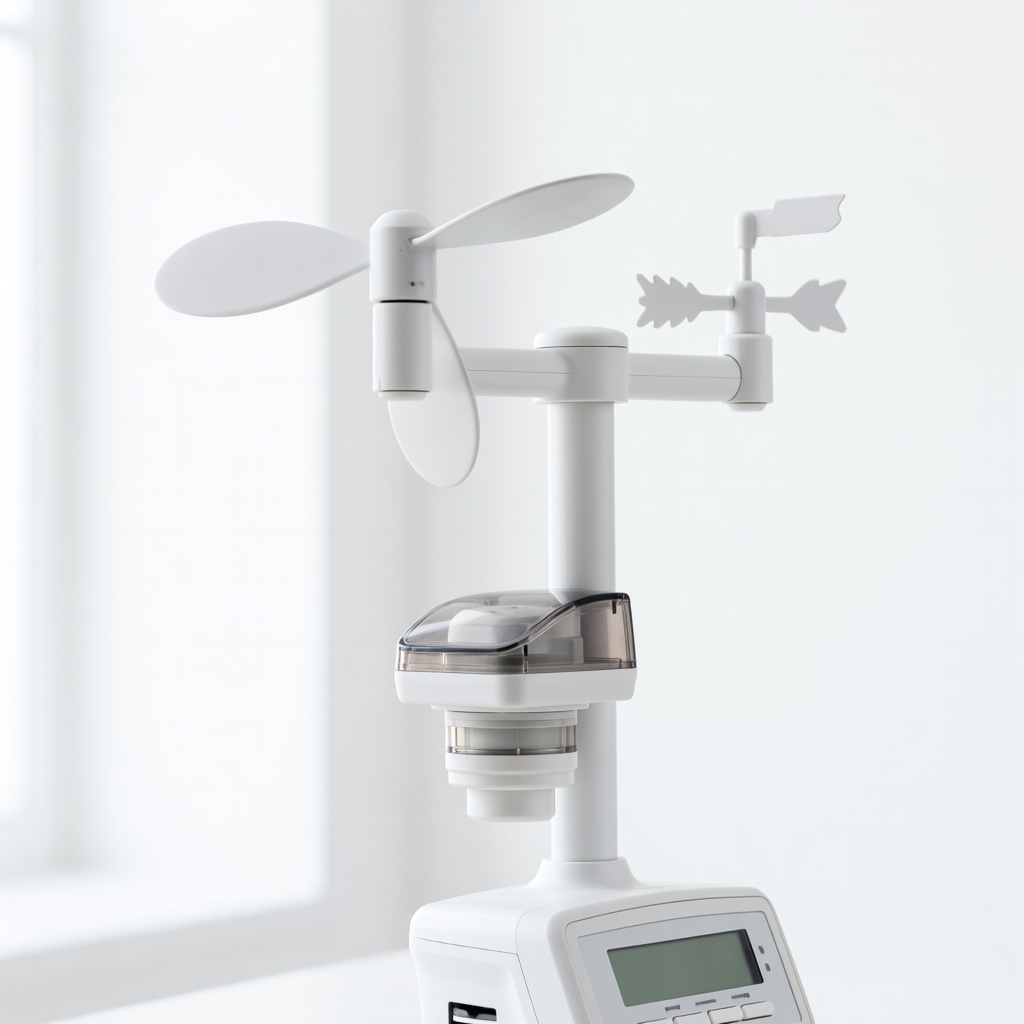
Monitor rain, temp, humidity on small farms.
AcuRite Iris 5-in-1 Weather Station Provides hyper-local weather data critical for PA timing (irrigation, planting).
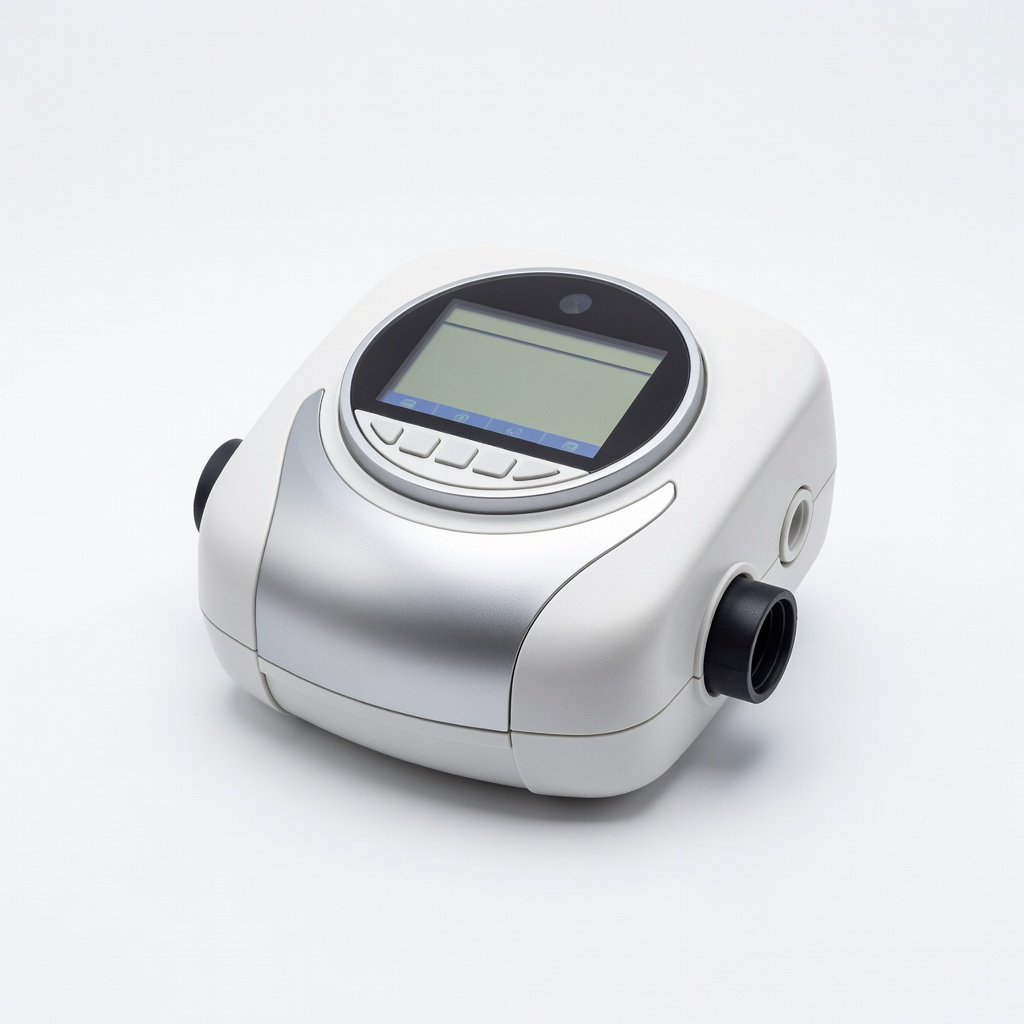
Connect to hose for raised beds or orchards.
RainPoint WiFi Water Timer & Irrigation Controller Automates precise watering based on sensor/app data—saves 30% water.
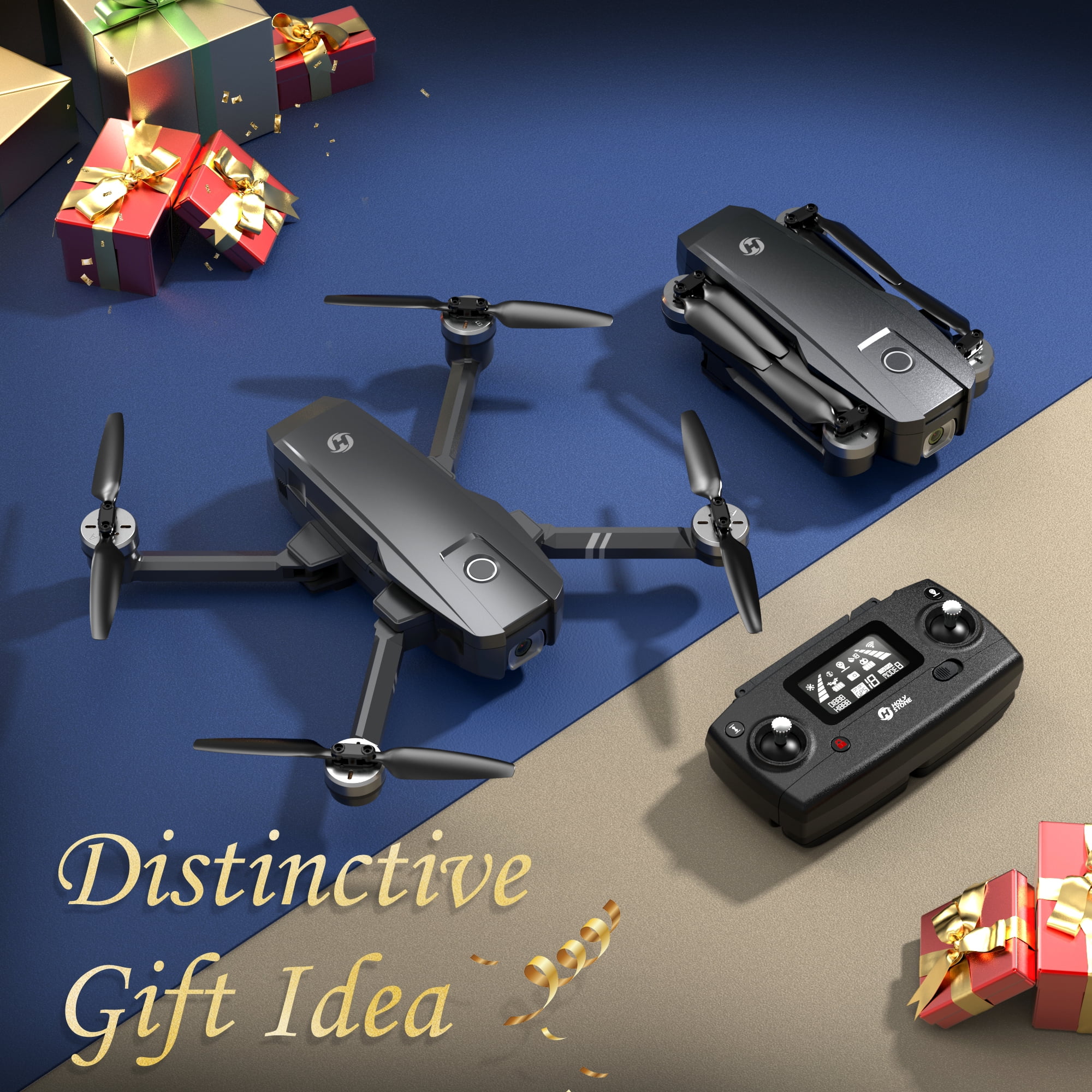
Spot crop stress over 1-2 acres weekly.
Holy Stone HS720D GPS Drone Budget drone for field scouting, NDVI-like imaging via camera.