
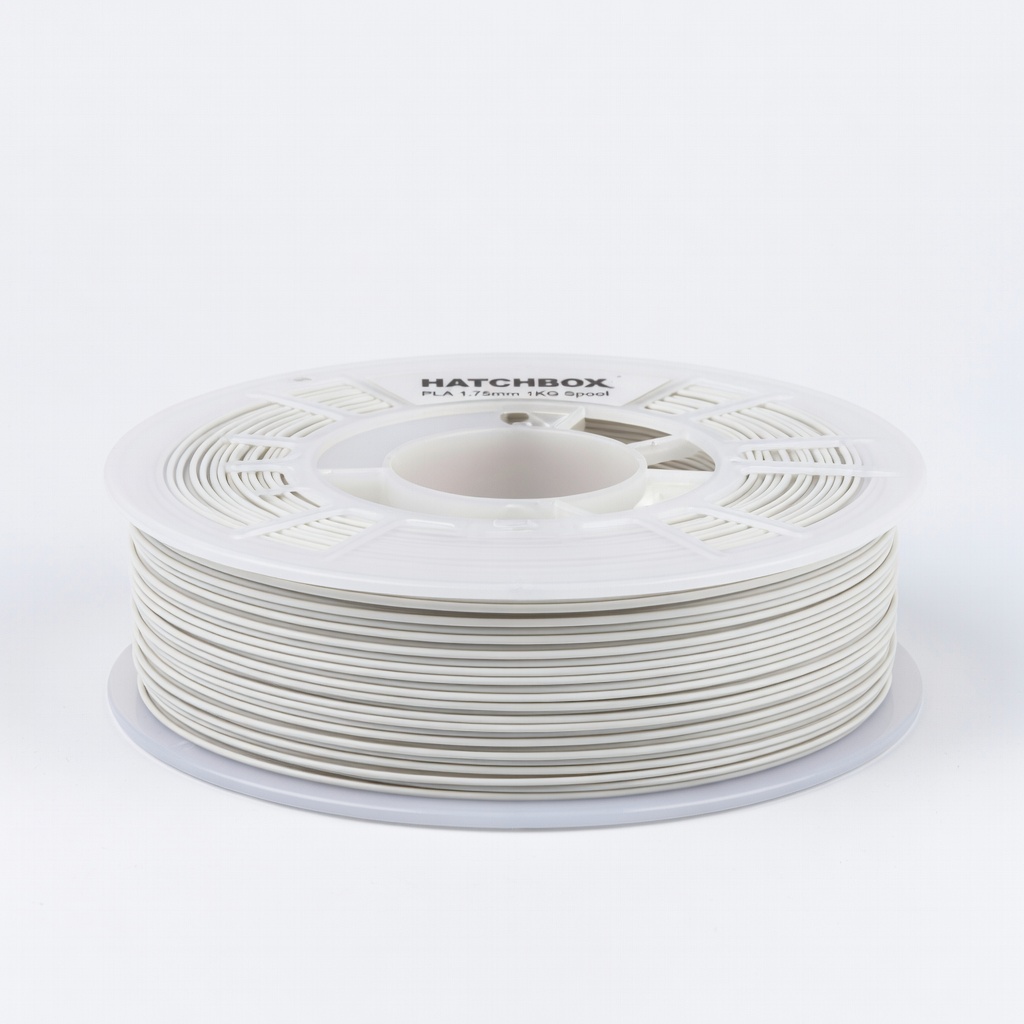
HATCHBOX PLA 1.75mm 1KG Spool
Everyday prints like models and prototypes.
$24.99
HATCHBOX PLA 1.75mm 1KG Spool Reliable, consistent diameter, vibrant colors—perfect beginner PLA with minimal issues.
Get the App
Better experience on mobile
Discover the key differences between PLA and ABS 3D printing filaments to pick the perfect one for your beginner projects and get flawless prints.
Choosing the right filament for 3D printing can make or break your project. Beginners often grab whatever filament is cheapest or most available, only to face warping, poor adhesion, or brittle parts. PLA and ABS are the two most popular filaments, but they behave very differently during printing and in finished prints.
In this guide, you'll learn what PLA and ABS are made of, their pros and cons, printing requirements, and real-world use cases. By the end, you'll know exactly which to choose for toys, prototypes, or functional parts—no more failed prints or wasted filament.
This explainer is beginner-friendly, takes just 15 minutes to read, and includes tips to avoid common pitfalls.
Estimated Time: 15-20 minutes Difficulty: beginner
Filaments are thermoplastic materials fed into your 3D printer's extruder, melted, and layered to form objects. PLA and ABS are the most common for FDM printers. Think of them like different types of plastic: PLA is like rigid but eco-friendly cornstarch plastic, while ABS is tougher, like LEGO bricks.
Why it matters: Knowing the basics helps you see why one filament warps less or holds up better in heat. Expect PLA for quick, detailed prints and ABS for durable parts.
No action needed here—just grasp that diameter (usually 1.75mm) and quality affect all prints.
💡 Tips:
PLA (Polylactic Acid) is made from renewable resources like cornstarch or sugarcane. It's the go-to for beginners because it prints at lower temperatures (190-220°C) and doesn't require a heated bed (though 50-60°C helps).
PLA produces minimal fumes, smells sweet like popcorn, and offers excellent detail for models or prototypes. However, it's brittle and softens above 60°C—fine for room-temp items but not car parts.
Expect shiny, smooth finishes with low warping.
💡 Tips:
ABS (Acrylonitrile Butadiene Styrene) is a petroleum-based plastic used in LEGO and automotive parts. It needs higher temps (230-250°C nozzle, 80-110°C bed) and an enclosure to prevent cooling-induced warping.
ABS is stronger, more impact-resistant, and handles up to 100°C heat. It sands and smooths well with acetone vapor but emits strong fumes—ventilate well!
Great for functional, durable prints but trickier for newbies.
⚠️ Warnings:
PLA: No enclosure needed, prints fast on open printers like Ender 3. Use blue tape or glue stick for bed adhesion.
ABS: Enclosure essential to maintain even temps; warping is common otherwise. Needs draft shield in slicer software.
Why it matters: Wrong settings cause failures—PLA clogs hot ends set too high, ABS warps in drafts.
💡 Tips:
PLA: Brittle, snaps under flex but precise. Food-safe versions available.
ABS: Tough, flexible, heat-resistant; post-process with acetone for pro finishes.
PLA for display/aesthetics; ABS for mechanical stress.
PLA: Cheaper ($15-25/kg), widely available, biodegradable (industrially).
ABS: Slightly pricier ($20-30/kg), recyclable but not home-compostable.
PLA wins for beginners; ABS for pros needing toughness.
💡 Tips:
Use PLA for: Toys, prototypes, desk decor (easy, detailed).
Use ABS for: Enclosures, gears, outdoor parts (durable, heat-proof).
Test both on small prints to see differences.
⚠️ Warnings:
Problem: ABS warping or corner lifting
Solution: Enclose printer, heat bed to 100°C, add brim, reduce fan to 0%.
Problem: PLA stringing or oozing
Solution: Increase retraction (5-6mm), lower temp by 5°C, enable combing in slicer.
Problem: Poor layer adhesion
Solution: Clean bed with IPA, ensure filament is dry, slow first layers.
Problem: Brittle prints
Solution: For PLA, use higher infill; switch to ABS for impact needs.
Reliable, consistent diameter, vibrant colors—perfect beginner PLA with minimal issues.
Best for: Everyday prints like models and prototypes.
Price Range: $24.99
High toughness and low shrinkage for durable parts; trusted brand.
Best for: Functional items like brackets or enclosures.
Price Range: $26.99
Affordable, smooth extrusion, great layer adhesion for shiny finishes.
Best for: Detailed decorative prints on budget printers.
Price Range: $18.99
Budget-friendly tent keeps ABS temps stable, reduces warping dramatically.
Best for: Essential for ABS on open-frame printers like Ender 3.
Price Range: $49.99-$69.99
Everyday prints like models and prototypes.
HATCHBOX PLA 1.75mm 1KG Spool Reliable, consistent diameter, vibrant colors—perfect beginner PLA with minimal issues.
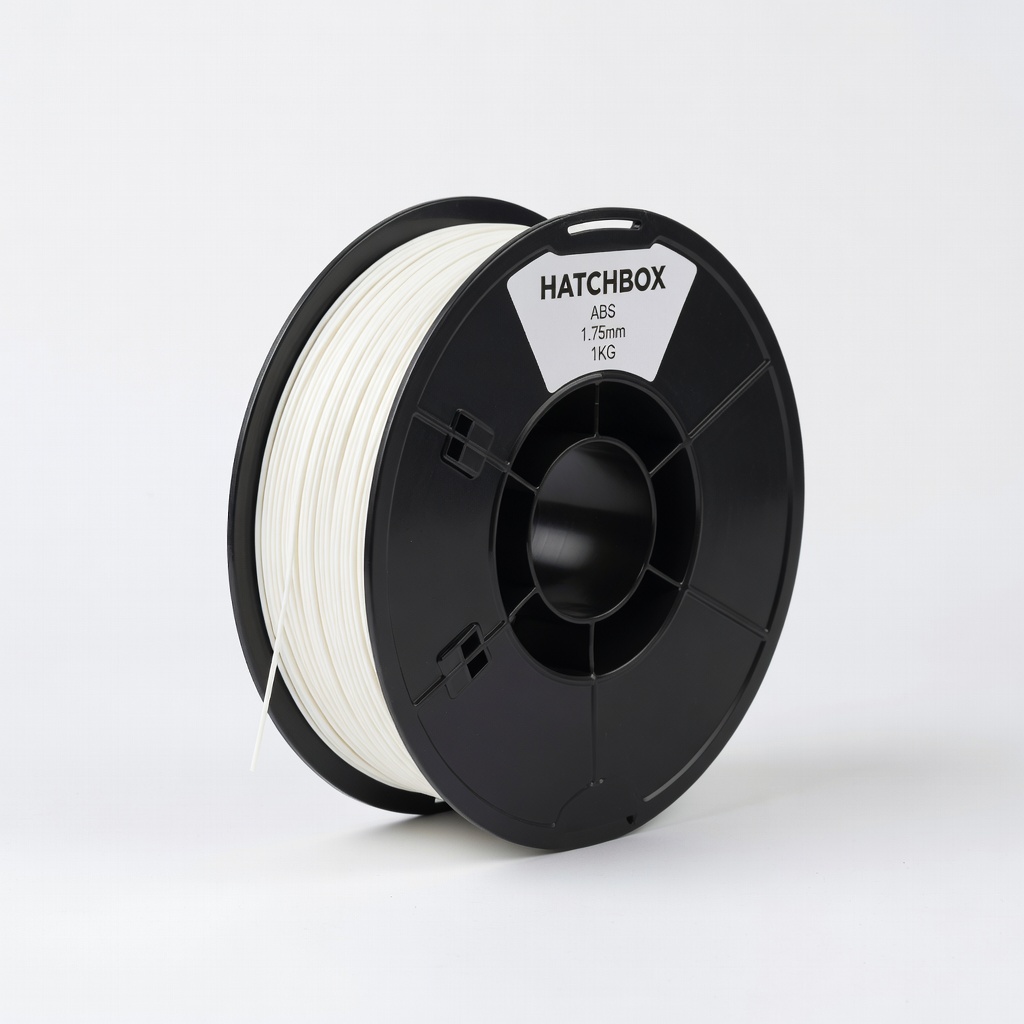
Functional items like brackets or enclosures.
HATCHBOX ABS 1.75mm 1KG Spool High toughness and low shrinkage for durable parts; trusted brand.
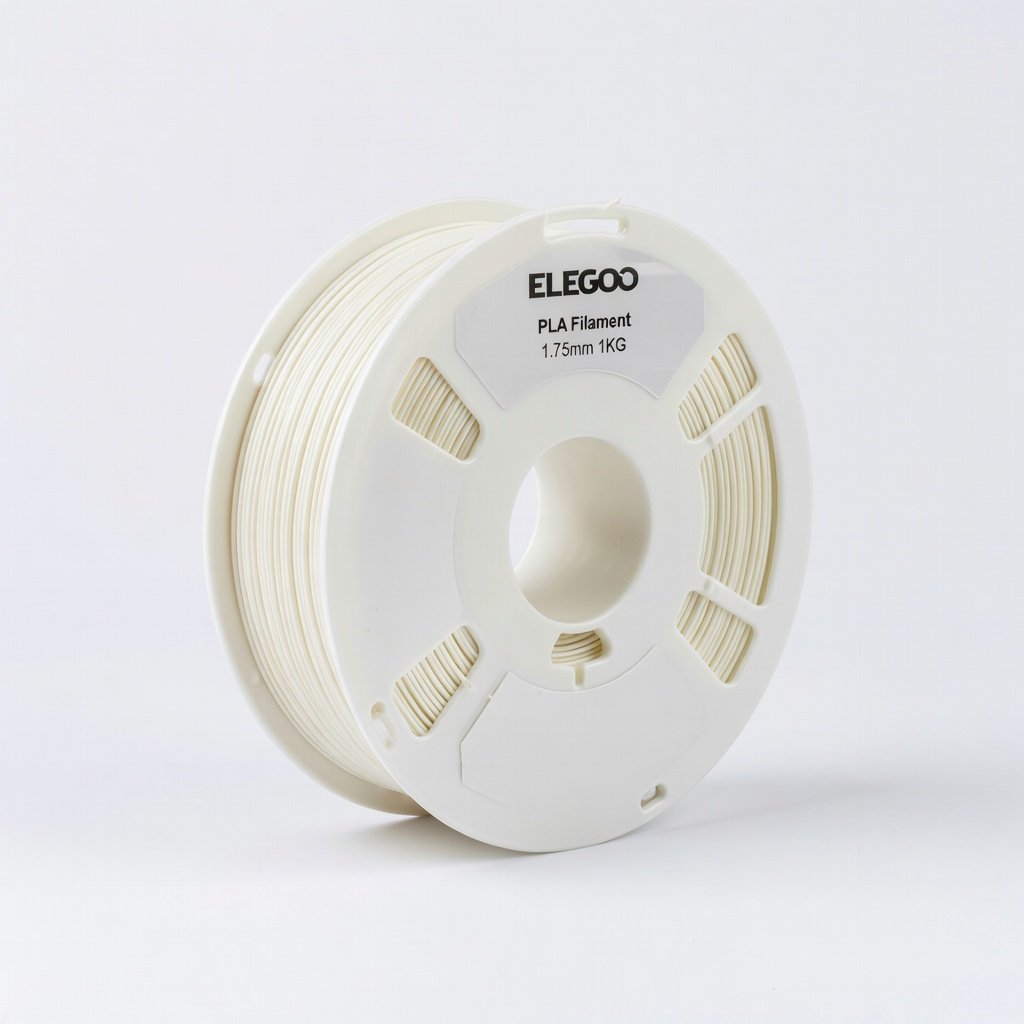
Detailed decorative prints on budget printers.
ELEGOO PLA Filament 1.75mm 1KG Affordable, smooth extrusion, great layer adhesion for shiny finishes.
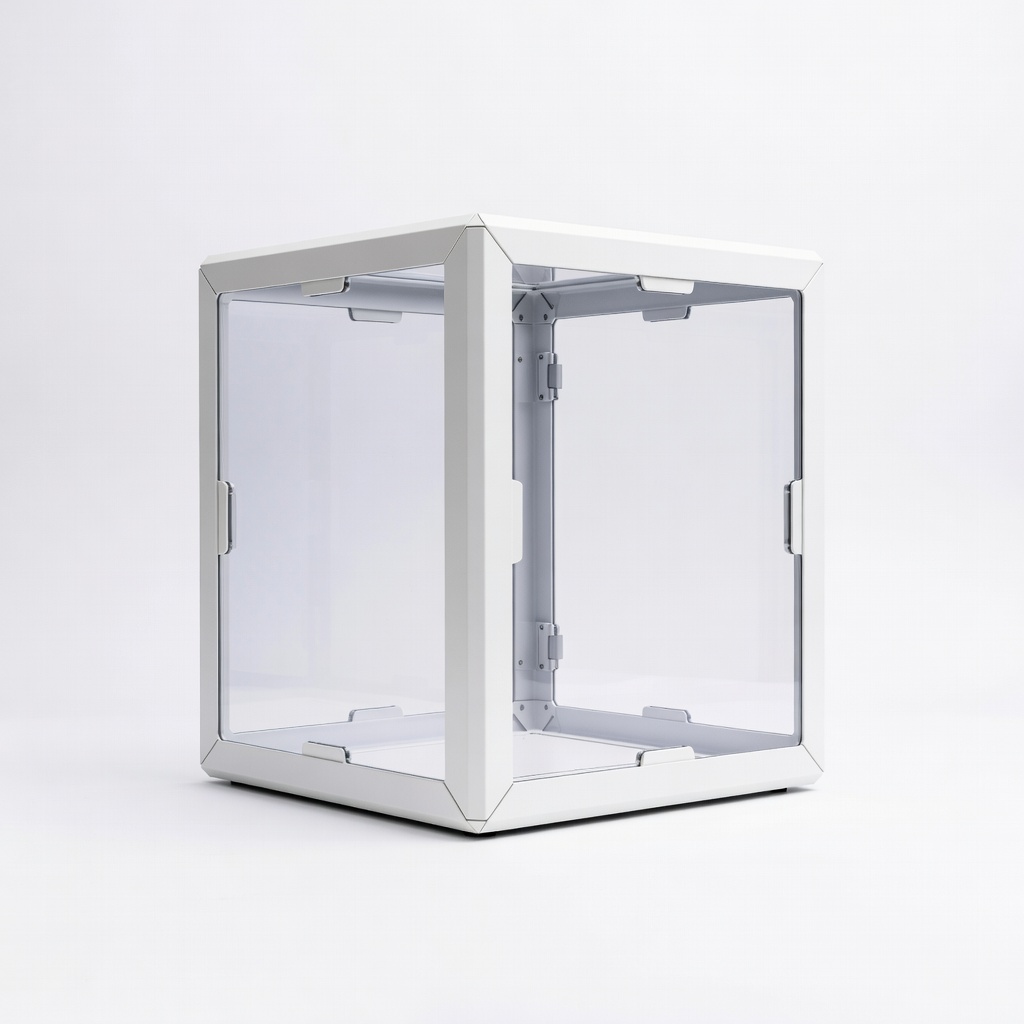
Essential for ABS on open-frame printers like Ender 3.
Creality Ender 3 Enclosure Budget-friendly tent keeps ABS temps stable, reduces warping dramatically.