
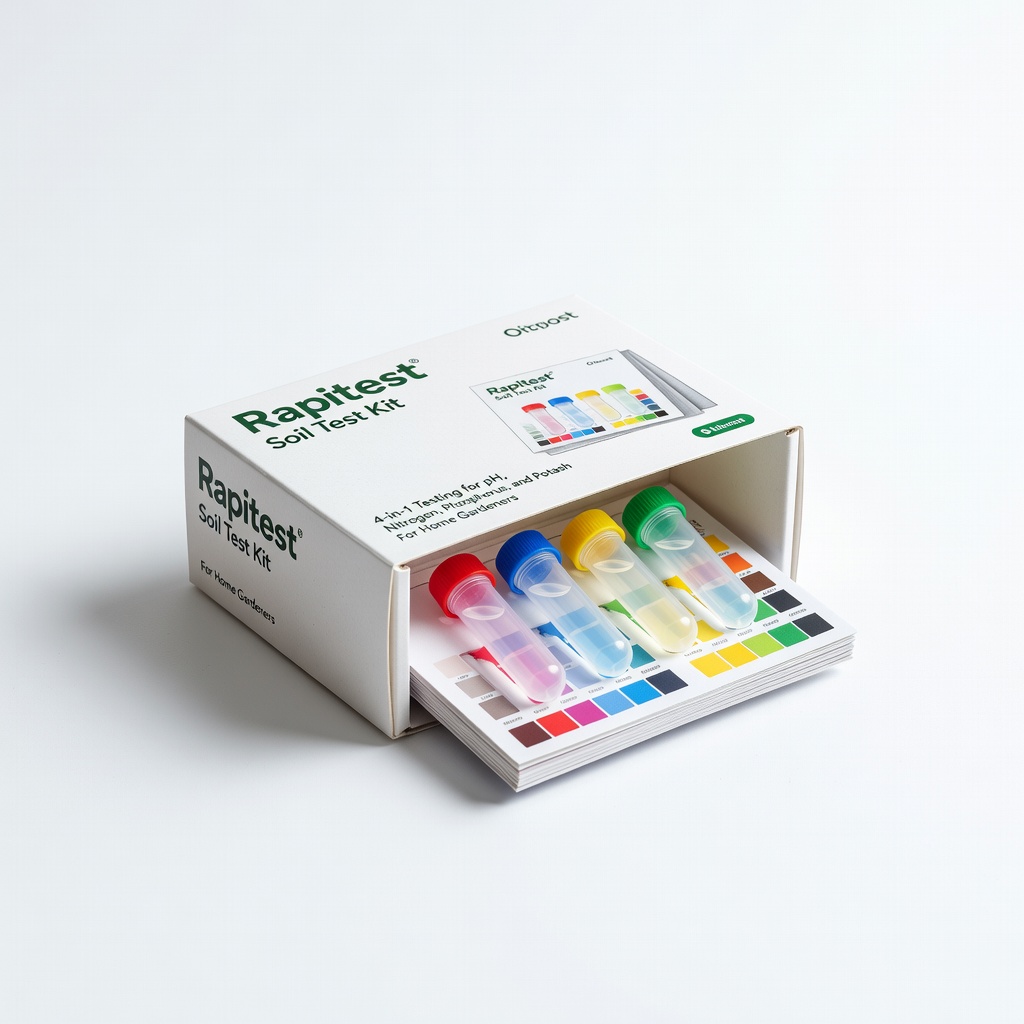
Rapitest Soil Test Kit
Use during Step 2 to test multiple spots in your small design area.
$15-$20
Rapitest Soil Test Kit Essential for accurate site assessment, helping beginners understand pH and nutrients to choose right plants.
Get the App
Better experience on mobile
Discover permaculture principles and follow simple steps to create your first sustainable garden design, saving time and resources while boosting biodiversity.
In a world facing climate change and resource depletion, traditional gardening often falls short by relying on chemical inputs and monocultures that harm the environment. Permaculture offers a regenerative alternative, mimicking natural ecosystems to create self-sustaining food forests and gardens that provide abundance with minimal effort. If you're a beginner tired of high-maintenance lawns or want to grow your own food sustainably, this guide is for you.
You'll learn what permaculture truly means—beyond just 'organic gardening'—and get actionable steps to design a small-scale project, like a backyard plot or balcony setup. We'll break down the core concepts, from site assessment to plant selection, so you can visualize and plan your space effectively. Expect to spend a few hours observing and sketching, with implementation starting right away for quick wins.
This beginner-friendly process requires no prior experience, just curiosity and basic tools. By the end, you'll have a personalized permaculture design that enhances your property's resilience and productivity, potentially reducing your grocery bill and water use over time.
Estimated Time: 4-6 hours over 1-2 days for planning; ongoing for implementation Difficulty: beginner
Permaculture, short for 'permanent agriculture' or 'permanent culture,' is a design system developed in the 1970s by Bill Mollison and David Holmgren. It focuses on creating sustainable human environments by observing and imitating natural patterns, rather than imposing rigid structures. Unlike conventional farming, which depletes soil and relies on external inputs, permaculture builds resilient systems that produce food, fiber, and habitat while improving the land over time.
Key elements include the three ethics: Earth Care (nurture the planet), People Care (support communities), and Fair Share (limit consumption and redistribute surplus). This step matters because it shifts your mindset from 'fighting nature' to 'working with it,' setting a foundation for efficient designs. Expect to spend 30-45 minutes reading or watching a short video to grasp these ideas.
Start by journaling your goals—do you want more veggies, wildlife habitat, or water conservation? This personal touch ensures your design aligns with your lifestyle.
💡 Tips:
⚠️ Warnings:
Before designing, observe your space like a naturalist. Walk your yard or balcony multiple times at different times of day to note sunlight patterns, wind directions, soil type, and existing plants or features like slopes or water sources. This 'sector analysis' identifies opportunities (e.g., sunny spots for veggies) and challenges (e.g., shady areas for shade-loving perennials).
Why it matters: Permaculture designs energy flows efficiently, reducing waste. For a small design, aim for 100-500 sq ft to start. Dig a small hole to feel the soil—sandy, clay, or loamy?—and note drainage after rain. Expect surprises, like hidden microclimates near walls that stay warmer.
Document everything in sketches or photos. This step takes 1-2 hours but prevents costly redesigns later.
💡 Tips:
⚠️ Warnings:
The 12 principles, outlined by David Holmgren, guide ethical design. They include 'Observe and Interact' (which you're doing now), 'Catch and Store Energy' (like rainwater harvesting), 'Obtain a Yield' (ensure productivity), and 'Use Edges and Value the Marginal' (maximize boundaries for diversity). Study them briefly to internalize how they apply to small designs.
These principles matter as a checklist for decisions—e.g., 'Integrate Rather Than Segregate' encourages companion planting to deter pests naturally. For beginners, focus on the first five for your small project. Expect aha moments as they connect to real-world examples, like swales (ditches) mimicking river contours to slow water.
Review them via a quick online list or book excerpt, noting 2-3 that resonate with your site.
💡 Tips:
⚠️ Warnings:
Create a base map of your area using graph paper or free software like SketchUp. Divide into zones based on use frequency: Zone 0 (your home), Zone 1 (daily herbs near door), Zone 2 (weekly fruits further out), up to Zone 5 (wilderness for biodiversity). This organizes elements for efficiency—high-maintenance plants closest to you.
Why it matters: Zoning minimizes travel and effort, a core permaculture efficiency. For small designs, zones might overlap in a 10x10 ft plot. Draw paths, water access, and structures. Expect to revise as you layer in elements.
Scale your map 1:50 or similar for accuracy; this step takes 1 hour.
💡 Tips:
⚠️ Warnings:
Choose species suited to your climate and soil—native or adapted plants thrive with less input. For a small design, start with guilds: plant communities like the 'three sisters' (corn, beans, squash) where each supports the others. Include perennials for long-term yield, trees for shade, and dynamic accumulators like comfrey to build soil.
This matters for creating closed-loop systems where waste from one element feeds another (e.g., chickens fertilizing compost). Research via local extension services. Expect a list of 10-20 items, balancing edibles, pollinators, and soil builders.
Prioritize: 40% food producers, 30% soil health, 30% habitat.
💡 Tips:
⚠️ Warnings:
Begin building: Sheet mulch bare soil with cardboard, compost, and straw to suppress weeds and enrich ground. Plant according to your map, starting with structures like hugelkultur mounds (buried wood beds for moisture retention). Water deeply but infrequently to encourage roots.
Why it matters: Hands-on action turns theory into reality, with early yields motivating you. For small scales, phase it: Week 1 beds, Week 2 plants. Expect initial messiness as the system establishes.
Monitor and adjust; permaculture evolves.
💡 Tips:
⚠️ Warnings:
Problem: Poor soil drainage leading to waterlogged plants
Solution: Add organic matter like compost or create raised beds; test soil again after amendments.
Problem: Pests overwhelming new plants
Solution: Introduce beneficial insects or companion plants like marigolds; avoid chemicals to preserve balance.
Problem: Low yields in first year
Solution: This is normal—focus on establishment; amend with mulch and wait for perennials to mature.
Problem: Design feels too chaotic
Solution: Revisit zones and prune paths; seek feedback from online permaculture forums.
Essential for accurate site assessment, helping beginners understand pH and nutrients to choose right plants.
Best for: Use during Step 2 to test multiple spots in your small design area.
Price Range: $15-$20
This beginner book explains principles with real examples, making complex ideas accessible for small designs.
Best for: Reference during Steps 1 and 3 for inspiration and troubleshooting.
Price Range: $20-$25
Simplifies creating nutrient-rich compost, a key permaculture element for soil building without hassle.
Best for: Ongoing use to feed your design's soil in Steps 5 and 6.
Price Range: $90-$110
Affordable way to start permaculture plants indoors, ensuring healthy seedlings for guilds.
Best for: For propagating natives or perennials before planting in Step 5.
Price Range: $10-$15
Ergonomic tool for digging and planting in small spaces, reducing strain during implementation.
Best for: Handy for initial bed prep and planting in Step 6.
Price Range: $15-$20
Use during Step 2 to test multiple spots in your small design area.
Rapitest Soil Test Kit Essential for accurate site assessment, helping beginners understand pH and nutrients to choose right plants.
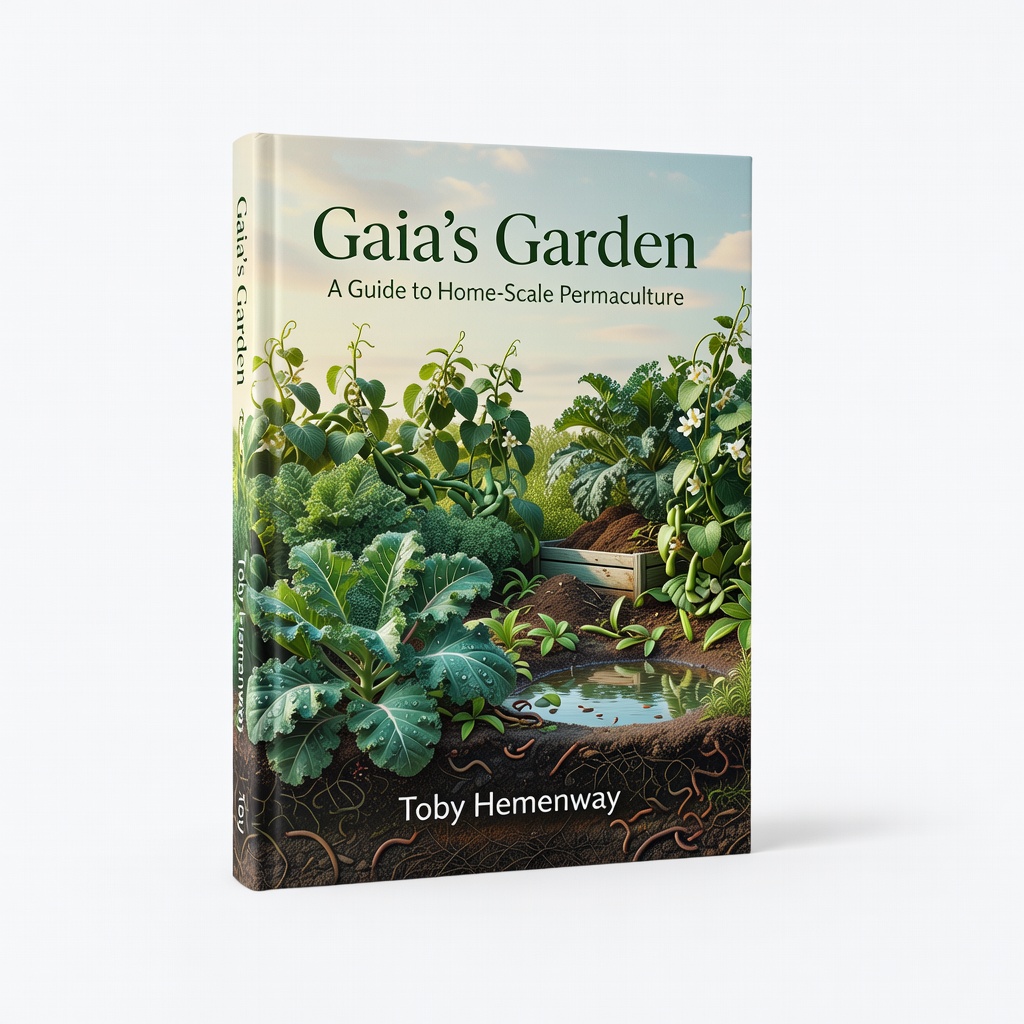
Reference during Steps 1 and 3 for inspiration and troubleshooting.
Gaia's Garden: A Guide to Home-Scale Permaculture by Toby Hemenway This beginner book explains principles with real examples, making complex ideas accessible for small designs.
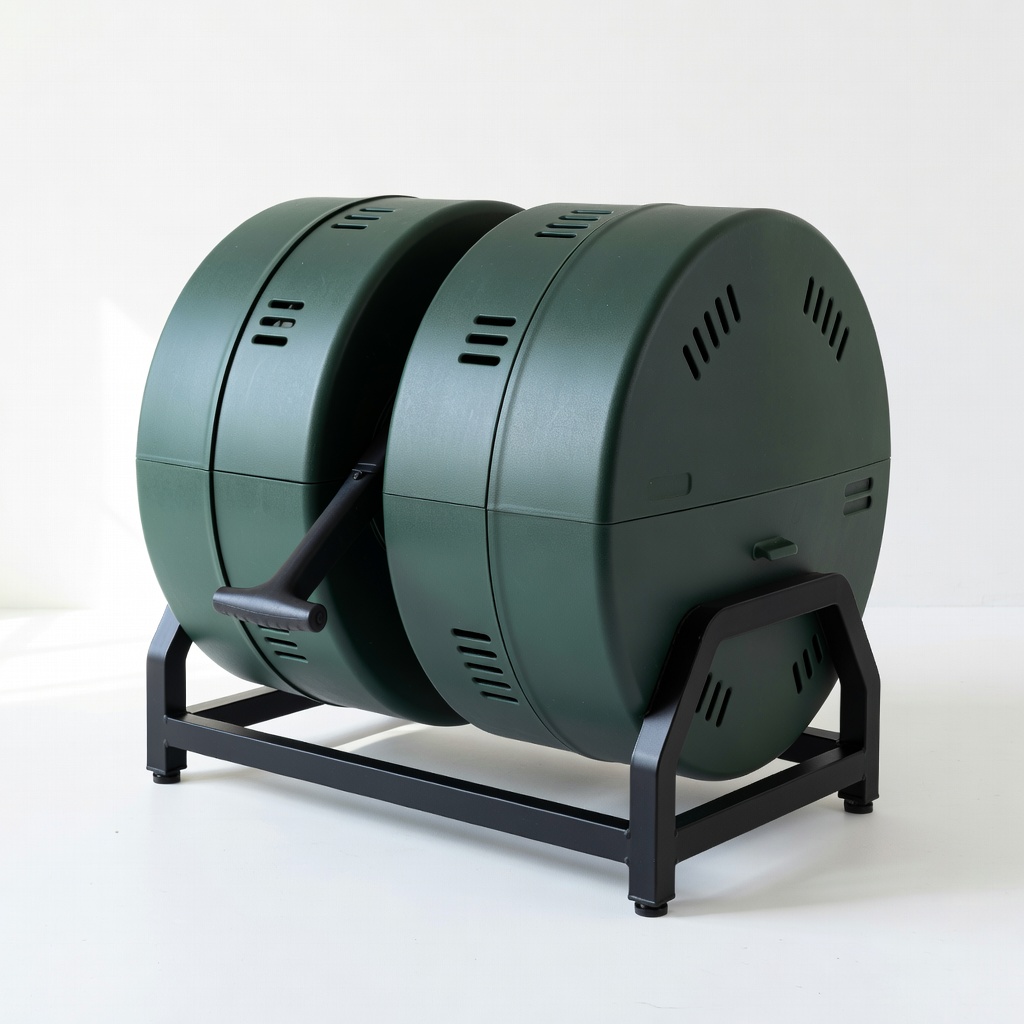
Ongoing use to feed your design's soil in Steps 5 and 6.
FCMP Outdoor IM4000 Dual Chamber Tumbling Composter Simplifies creating nutrient-rich compost, a key permaculture element for soil building without hassle.
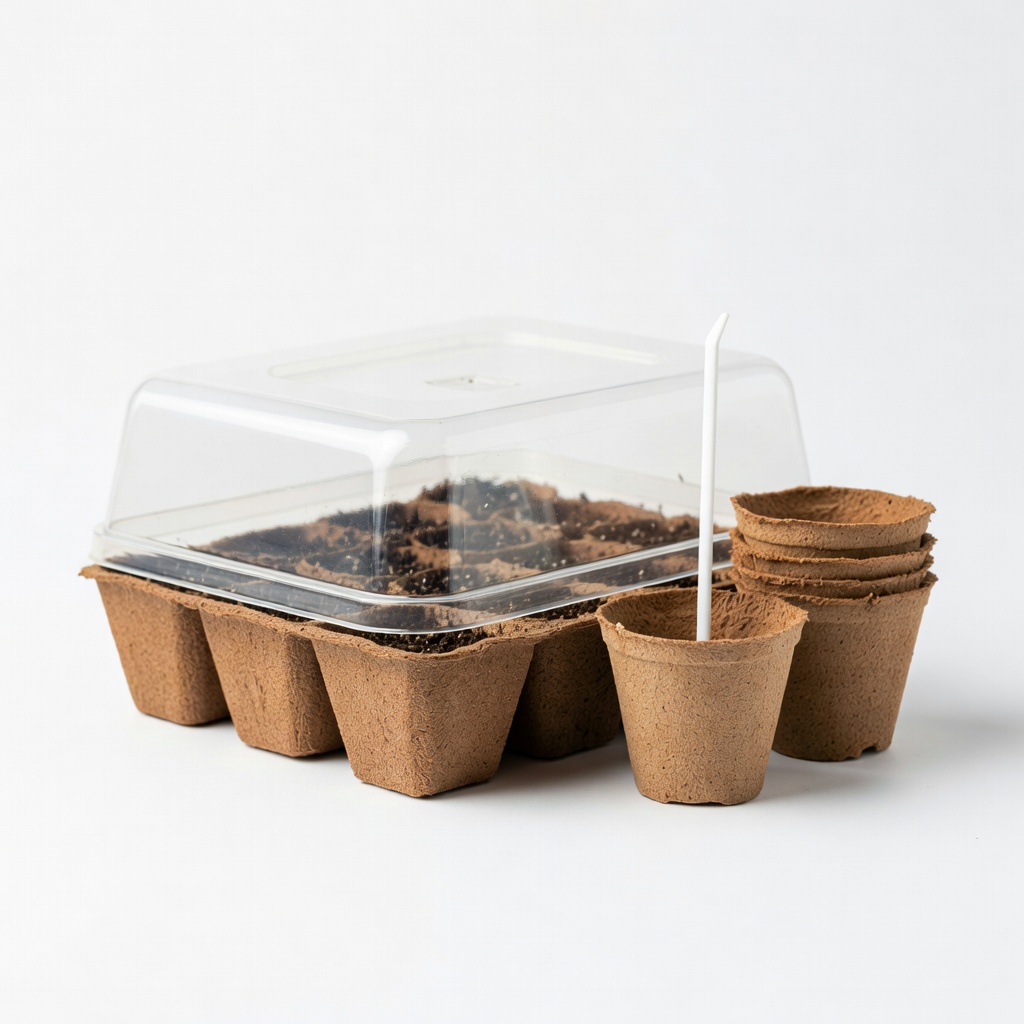
For propagating natives or perennials before planting in Step 5.
Burpee Seed Starting Kit Affordable way to start permaculture plants indoors, ensuring healthy seedlings for guilds.

Handy for initial bed prep and planting in Step 6.
Corona ComfortGEL Garden Trowel Ergonomic tool for digging and planting in small spaces, reducing strain during implementation.