
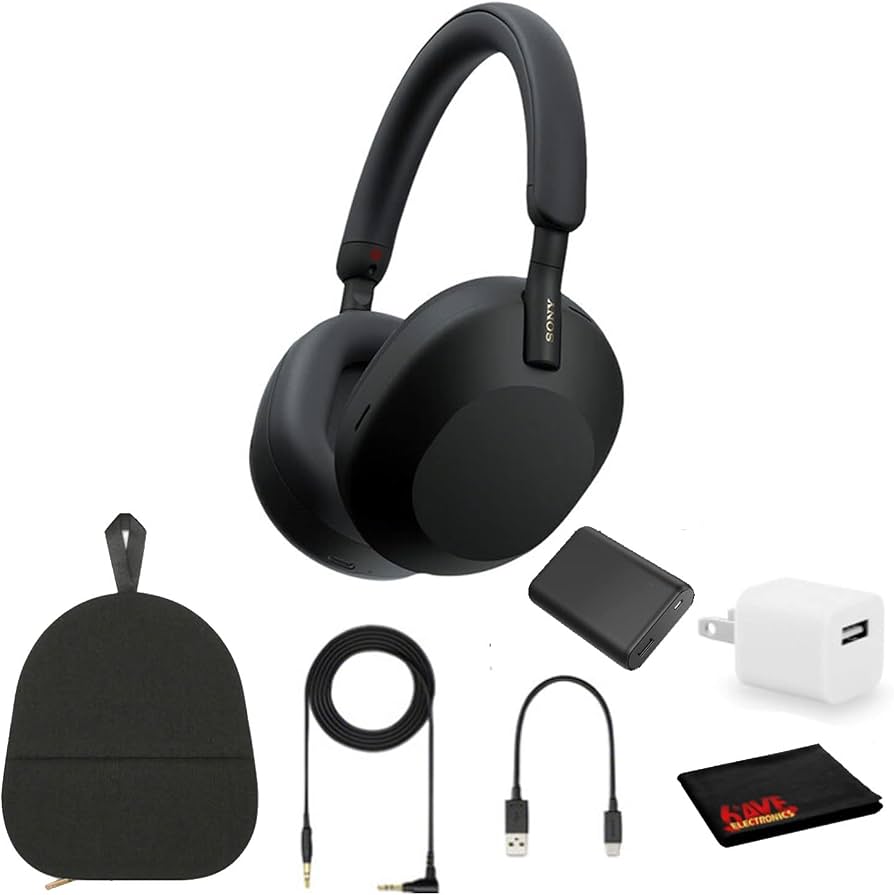
Sony WH-1000XM5
Ideal for frequent travelers or office workers needing all-day noise blocking without fatigue.
$350-$400
Sony WH-1000XM5 Top-tier hybrid ANC with adaptive sound control that adjusts to your environment for near-silent experiences.
Get the App
Better experience on mobile
Learn how noise cancellation technology blocks out distractions in headphones, helping you enjoy clearer audio in noisy environments.
In a world filled with constant noise—from bustling commutes to chatty offices—staying focused or relaxing with music can feel impossible. Noise cancellation is a game-changing feature in headphones that tackles this problem head-on, creating a peaceful listening experience. If you've ever wondered why some headphones seem to magically silence the world around you, this guide breaks it down.
By the end of this explainer, you'll understand what noise cancellation is, how it works, and why it's essential for modern audio gear. We'll cover the basics without jargon, using simple analogies and examples. Expect a straightforward read that takes about 10-15 minutes—no prior tech knowledge required.
We'll start with the fundamentals of sound and noise, then dive into active and passive cancellation methods, and explore real-world applications. This knowledge will help you choose the right headphones and appreciate why brands invest heavily in this tech.
Estimated Time: 10-15 minutes Difficulty: beginner
Sound is all around us as vibrations in the air, traveling as waves. Imagine dropping a pebble in a pond—the ripples are like sound waves spreading out. These waves have peaks (loud parts) and troughs (quiet parts), and our ears pick them up to hear everything from music to traffic.
Noise cancellation starts here because unwanted sounds, like engine hums or chatter, are just disruptive waves interfering with what you want to hear. Without cancellation, these waves mix with your audio, making it muddy. Understanding this foundation is key—it's not magic; it's physics manipulating waves.
Why does this matter? It sets the stage for how headphones can 'fight' noise with counter-waves, creating silence where there was chaos.
💡 Tips:
Noise isn't just loud sounds; it's any unwanted audio that drowns out what matters. Think of it as static on your favorite radio station—distracting and fatiguing over time. In headphones, noise can be low-frequency rumbles (like airplane engines) or high-frequency distractions (like voices).
Common sources include urban traffic, office buzz, or even airplane cabins, where low-end droning is relentless. Noise affects concentration, sleep, and enjoyment, leading to 'audio fatigue.' Noise cancellation targets these to let your ears rest.
Expect to recognize noise types in your daily life after this—low-frequency (below 1kHz) is hardest to block passively, which is why active tech shines here.
⚠️ Warnings:
Passive noise cancellation is the simplest form—it's physical isolation. Over-ear headphones with thick padding or in-ear buds with tight seals block sound like earplugs do, reducing noise by 10-20 dB naturally.
Analogy: It's like closing your eyes in a bright room; it doesn't eliminate light but dims it. Materials like memory foam or silicone tips create a barrier, effective for higher frequencies but weaker on lows like bassy rumbles.
This matters because it's always on and battery-free, making it a baseline for all noise-canceling headphones. You'll notice immediate improvement in quieter settings, but for intense noise, it pairs best with active methods.
💡 Tips:
Active noise cancellation (ANC) is the high-tech hero. It uses microphones to detect external noise, then generates 'anti-noise'—sound waves that are the exact opposite (inverted phase) to cancel it out. When waves meet their opposites, they destructively interfere, like two ripples flattening each other in a pond.
Inside the headphones, tiny processors analyze noise in real-time (thousands of times per second) and play the counter-wave through speakers. This is most effective for steady, low-frequency sounds under 1kHz, like fans or flights—up to 30-40 dB reduction.
Why it matters: ANC creates 'quiet zones' for calls, work, or travel, reducing stress. Expect a subtle 'pressure' feeling at first, but it adapts quickly.
💡 Tips:
⚠️ Warnings:
ANC comes in flavors: Feedforward (mics outside cups detect noise before it reaches your ear), Feedback (mics inside monitor after), and Hybrid (both for balanced performance). Feedforward excels at prevention, feedback at correction, hybrids at versatility.
Analogy: Feedforward is like an umbrella before rain; feedback is wiping after. Hybrids handle varied environments best, common in premium models.
This breakdown matters for choosing headphones—hybrids suit dynamic lifestyles. Expect better battery life in simpler systems but superior cancellation in advanced ones.
ANC shines in travel (planes, trains) for focus, workouts (gym noise), or offices (distractions). It enhances audio clarity, making music feel immersive without cranking volume—safer for hearing.
Limitations: It struggles with irregular noises like voices or wind, drains battery (4-30 hours typical), and costs more. Not ideal for all music genres, as it can subtly alter sound.
Overall, it transforms listening—expect 'eerie quiet' in chaos, but combine with passive for best results.
💡 Tips:
Problem: ANC feels uneven or weak on one side
Solution: Check for earwax buildup or damage to mics—clean gently with a soft cloth. Update firmware via app if available; if persists, contact manufacturer for warranty check.
Problem: Headphones get warm or pressure builds during use
Solution: This is normal for intense ANC but ease off in short sessions. Ensure vents aren't blocked; switch to normal mode if uncomfortable.
Problem: Battery drains too fast with ANC on
Solution: Lower ANC intensity if adjustable, or use in bursts. Charge fully before long trips; consider models with quick-charge features.
Top-tier hybrid ANC with adaptive sound control that adjusts to your environment for near-silent experiences.
Best for: Ideal for frequent travelers or office workers needing all-day noise blocking without fatigue.
Price Range: $350-$400
Excellent in-ear ANC with world-class low-frequency cancellation and customizable modes via app.
Best for: Perfect for commuters or gym-goers wanting discreet, portable noise reduction.
Price Range: $250-$300
Affordable hybrid ANC offering 40-hour battery with strong performance for the price, great entry-level option.
Best for: Budget users starting with ANC for daily commutes or casual listening.
Price Range: $70-$100
Seamless ANC integration with iOS ecosystem, featuring transparency mode and spatial audio for balanced use.
Best for: Apple users seeking versatile earbuds for work, calls, and music in varied settings.
Price Range: $200-$250
Yes, it's safe and can protect hearing by allowing lower volumes. However, avoid if you have ear sensitivities; consult a doctor for prolonged pressure feelings.
Best for steady low-frequency sounds like engines; less effective on sudden highs like sirens. Hybrids handle more variety.
It typically reduces playtime by 20-50%, e.g., from 30 to 20 hours. Look for models with 20+ hours in ANC mode.
Absolutely—many headphones let ANC run standalone for focus or sleep, often with ambient sound passthrough options.
ANC blocks noise for immersion; transparency lets it in naturally, like removing earbuds without taking them off—great for awareness.
Yes, budget options like under $100 provide solid basics, but premium ones offer adaptive, superior cancellation.
Every 2-3 years with regular use; sooner if mics or batteries degrade. Check for firmware updates to extend life.
Ideal for frequent travelers or office workers needing all-day noise blocking without fatigue.
Sony WH-1000XM5 Top-tier hybrid ANC with adaptive sound control that adjusts to your environment for near-silent experiences.
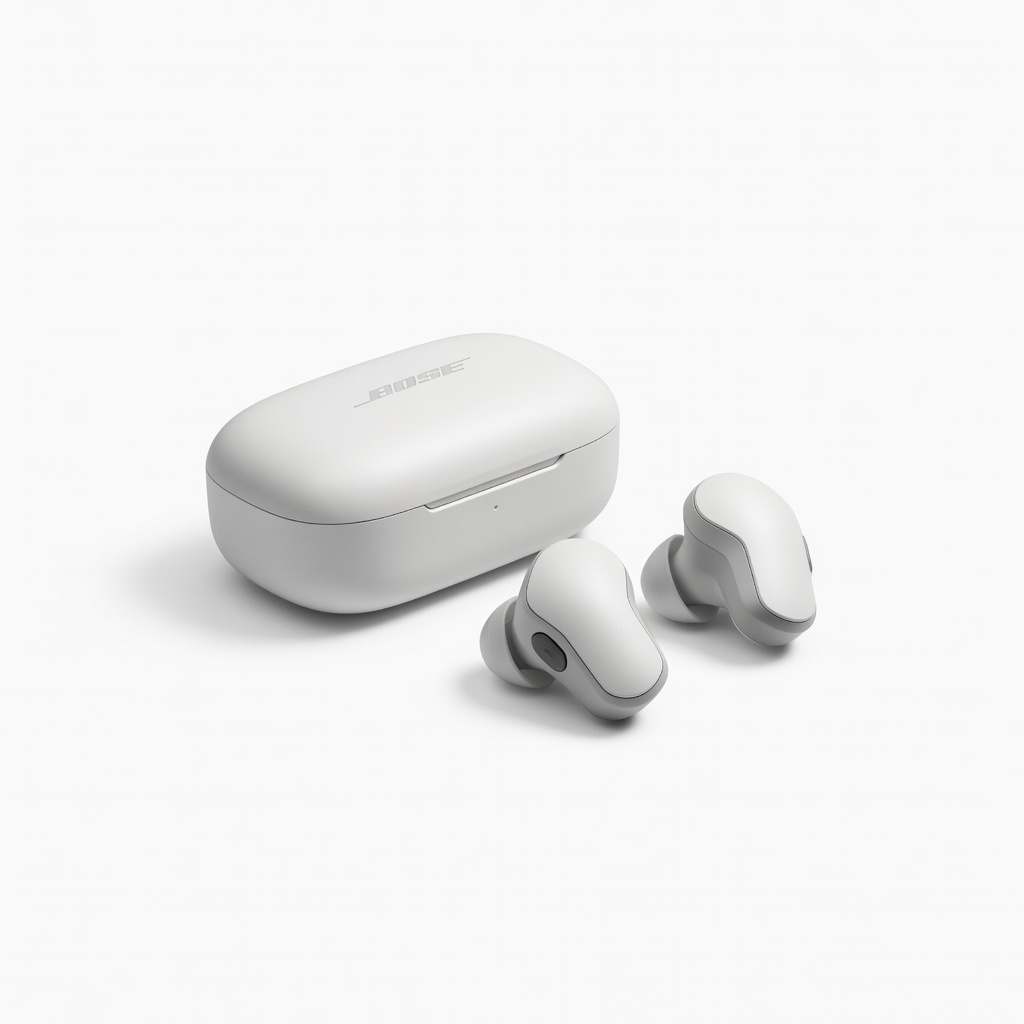
Perfect for commuters or gym-goers wanting discreet, portable noise reduction.
Bose QuietComfort Ultra Earbuds Excellent in-ear ANC with world-class low-frequency cancellation and customizable modes via app.
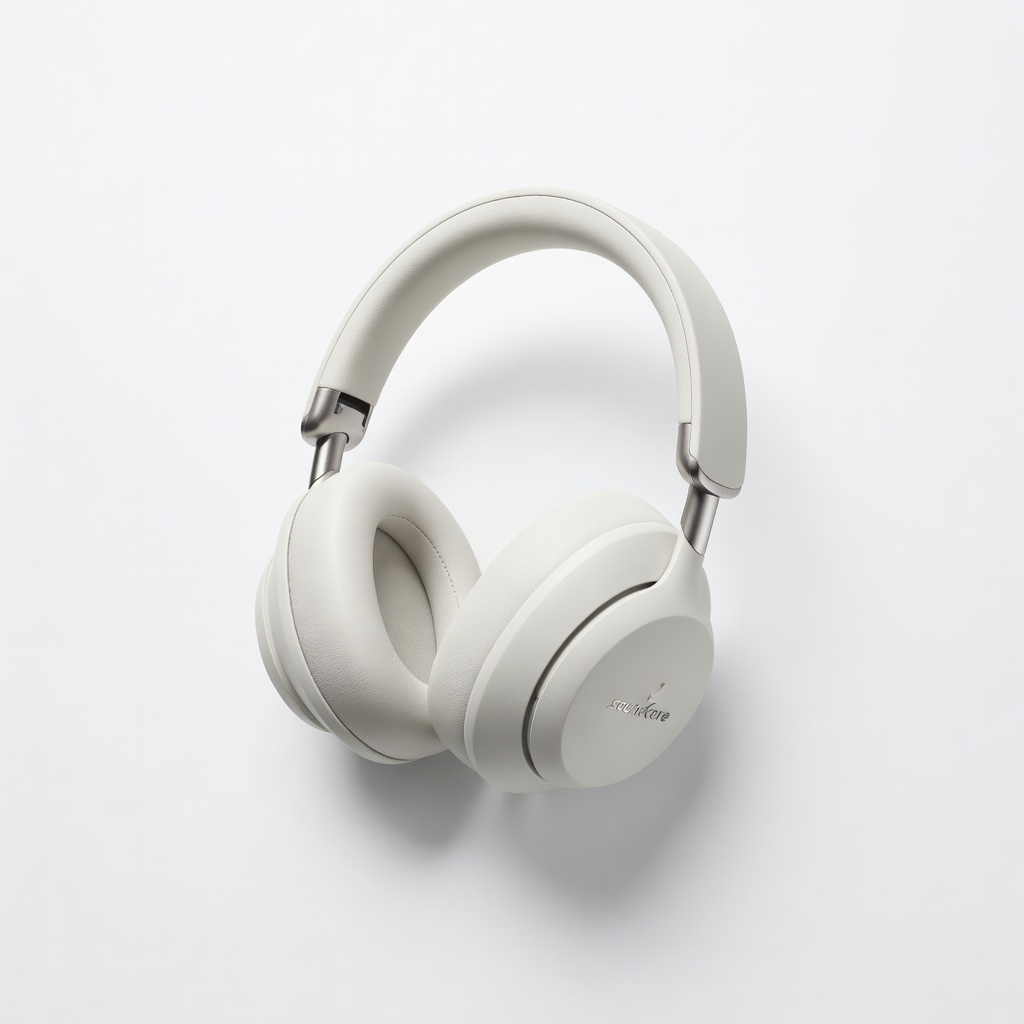
Budget users starting with ANC for daily commutes or casual listening.
Anker Soundcore Life Q30 Affordable hybrid ANC offering 40-hour battery with strong performance for the price, great entry-level option.
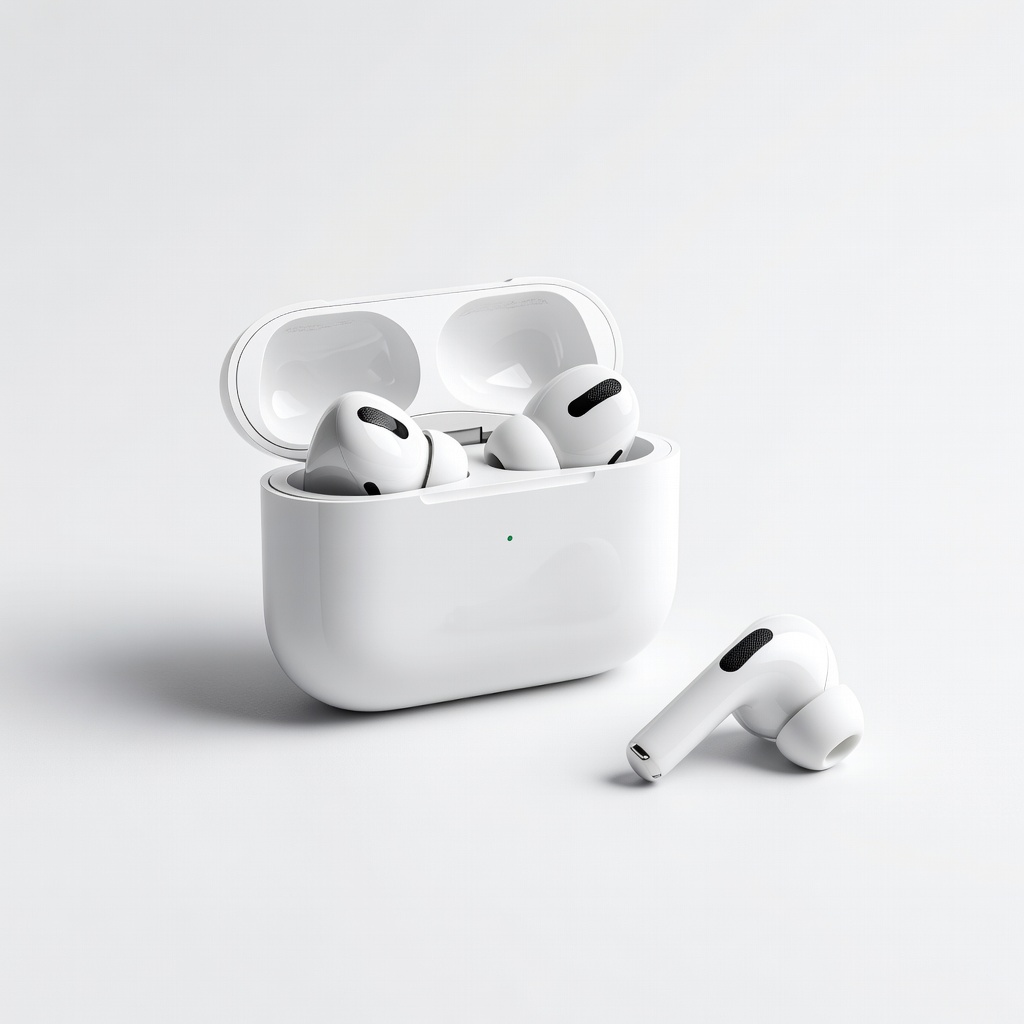
Apple users seeking versatile earbuds for work, calls, and music in varied settings.
Apple AirPods Pro (2nd Gen) Seamless ANC integration with iOS ecosystem, featuring transparency mode and spatial audio for balanced use.