In a world surrounded by towering skyscrapers and sleek homes, modern architecture influences how we live, work, and move through cities. Yet, many people confuse it with contemporary designs or overlook its revolutionary impact on society. If you've ever wondered why buildings like the Eiffel Tower or the Guggenheim feel so innovative, this guide is for you—it demystifies modern architecture without overwhelming jargon.
By the end, you'll understand what defines modern architecture, its key historical moments, and iconic examples that bring the style to life. We'll break it down step by step, from basics to real-world applications, so you can appreciate the built environment around you. This beginner-friendly explainer takes just 15-20 minutes to read and requires no prior knowledge—just curiosity.
Expect clear explanations, analogies to everyday life, and visuals in mind to make abstract concepts tangible. Whether you're a student, traveler, or design enthusiast, grasping modern architecture will enhance your view of urban spaces.
▸What You'll Need
- •Basic interest in history and design (no prior knowledge required)
- •Access to a computer or phone for optional image searches of examples
- •Notebook and pen (optional) for sketching building ideas
Estimated Time: 15-20 minutes
Difficulty: beginner
▸Step-by-Step Instructions
Step 1: Understand the Definition of Modern Architecture
Modern architecture refers to a style that emerged in the early 20th century, emphasizing simplicity, functionality, and the use of new materials like steel, glass, and concrete. Unlike ornate traditional buildings with decorative flourishes, modern designs strip away excess to focus on form following function—meaning the building's purpose dictates its shape.
Think of it like a minimalist outfit: no unnecessary accessories, just clean lines that serve the wearer. This movement rejected historical revival styles (like Gothic or Victorian) in favor of innovation, driven by industrialization and social changes post-World War I. Architects aimed to create efficient, affordable spaces for a growing urban population.
Why it matters: Modern architecture democratized design, making beautiful, practical buildings accessible beyond the elite. Expect to see 'less is more' as a recurring theme—coined by architect Ludwig Mies van der Rohe.
💡 Tips:
- •Use analogies like comparing buildings to smartphones: sleek, efficient, and tech-forward.
⚠️ Warnings:
- •Don't confuse 'modern' with 'contemporary'—modern is a specific historical period (1920s-1970s).
Step 2: Explore the Historical Context
Modern architecture arose amid rapid societal shifts. The Industrial Revolution provided new construction materials, while two world wars highlighted the need for quick, cost-effective rebuilding. Key influences included the Bauhaus school in Germany (1919-1933), which blended art, craft, and technology.
Pioneers like Walter Gropius and Le Corbusier pushed for 'machines for living'—homes as efficient as cars. The 1920s-1930s saw international exhibitions showcasing these ideas, spreading them globally. Post-WWII, it boomed with urban renewal projects.
This context explains why modern architecture feels forward-thinking: it responded to real-world needs like mass housing and office spaces for a modern workforce. You'll notice themes of progress and optimism in its timeline.
💡 Tips:
- •Timeline tip: Visualize it as a wave—starting in Europe, crashing across the world by mid-century.
Step 3: Learn the Core Principles
At its heart, modern architecture follows five key principles, often linked to Le Corbusier: pilotis (elevated buildings on pillars for open space), free plans (flexible interiors without load-bearing walls), free facades (non-structural exteriors), horizontal windows (for even light), and roof gardens (green spaces atop structures).
Other hallmarks include minimalism, open spaces, and integration with nature—using large windows to blur indoor-outdoor boundaries. It's like cooking with fresh ingredients: pure flavors without heavy sauces. Asymmetry and geometric shapes replace symmetry, promoting dynamic energy.
These principles matter because they prioritize user experience—better light, air, and flow improve daily life. Expect to spot them in everyday buildings, from airports to homes.
💡 Tips:
- •Practice spotting: Next time you're out, note flat roofs or glass walls as modern clues.
⚠️ Warnings:
- •Avoid assuming all simple buildings are modern—functionalism existed earlier in other cultures.
Step 4: Dive into Iconic Examples
No explanation is complete without landmarks. The Villa Savoye (1929, France) by Le Corbusier exemplifies the five points: elevated on stilts, open plan, and ribbon windows. It's like a floating box, showcasing purity of form.
Another gem: The Guggenheim Museum (1959, New York) by Frank Lloyd Wright, with its spiraling ramp—organic yet modern, challenging straight lines. Barcelona Pavilion (1929, Spain) by Mies van der Rohe highlights open space and luxury materials, influencing minimalist design today.
These examples illustrate evolution: from residential to public spaces. Why they matter: They set standards, inspiring sustainable and tech-integrated buildings now. Visit virtually or in person to feel their impact.
💡 Tips:
- •Start with photos: Search 'Villa Savoye interior' to see the open flow firsthand.
Step 5: Examine Modern Architecture's Lasting Influence
Modern architecture paved the way for postmodernism (1970s onward), which added playfulness, and today's sustainable designs. It influences everything from iPhone aesthetics to eco-friendly skyscrapers using modern materials innovatively.
Challenges like urban sprawl led to critiques, but its legacy endures in functional public spaces. Think of it as the foundation of our built world—efficient cities reduce energy use and promote equity.
Today, 'neo-modern' revives these ideas with green tech. Understanding this helps you see architecture as evolving, not static, and appreciate how past innovations solve current problems like climate change.
💡 Tips:
- •Connect to now: Notice how modern principles appear in your local library or mall.
⚠️ Warnings:
- •Don't overlook criticisms—some modern projects felt cold; balance with human-scale elements.
Step 6: Apply What You've Learned
To solidify understanding, analyze a building near you: Is it modern? Check for clean lines, functionality. Or sketch a simple modern room—focus on open space.
This hands-on step turns passive learning active. Why it matters: It builds observation skills, useful for travel or home design. Expect aha moments when you spot influences everywhere.
For deeper dives, explore virtual tours of icons—many museums offer free online access.
💡 Tips:
- •Join apps like ArchDaily for daily modern examples to keep learning fun.
▸Pro Tips
- •Visit architecture websites like ArchDaily for free virtual tours of iconic modern buildings.
- •Use analogies from nature—modern designs mimic clean forms like a leaf's vein structure.
- •Read short bios of architects like Le Corbusier to humanize the movement.
- •Sketch simple floor plans to grasp 'free plan' principles without needing art skills.
- •Pair learning with podcasts on design history for audio reinforcement.
- •Focus on one principle per day to avoid overload—build knowledge gradually.
- •Take photos of local buildings and label modern features for a personal gallery.
▸Common Mistakes to Avoid
- •Confusing modern with contemporary: Modern is historical (pre-1970s); contemporary is current trends—avoid by checking build dates.
- •Overlooking cultural context: Not all modern is Western—research global variants like Japanese Metabolism to appreciate diversity.
- •Assuming it's always 'cold': Many modern spaces are warm with natural light—don't dismiss based on stereotypes; visit examples.
- •Ignoring materials: Steel and glass define it—mistake is thinking brick buildings qualify; study key innovations.
- •Forgetting functionality: Decor alone doesn't make it modern—ensure purpose drives design to grasp the ethos.
▸Troubleshooting
Problem: Struggling to differentiate modern from other styles
Solution: Use comparison charts online (search 'modern vs brutalist architecture') and focus on minimalism as a key distinguisher; revisit principles if needed.
Problem: Overwhelmed by examples
Solution: Start with 2-3 icons like Villa Savoye; build up slowly—use apps for guided tours instead of cramming history.
Problem: Finding it irrelevant to daily life
Solution: Observe your surroundings—modern influences are in stores and homes; relate to personal spaces for better connection.
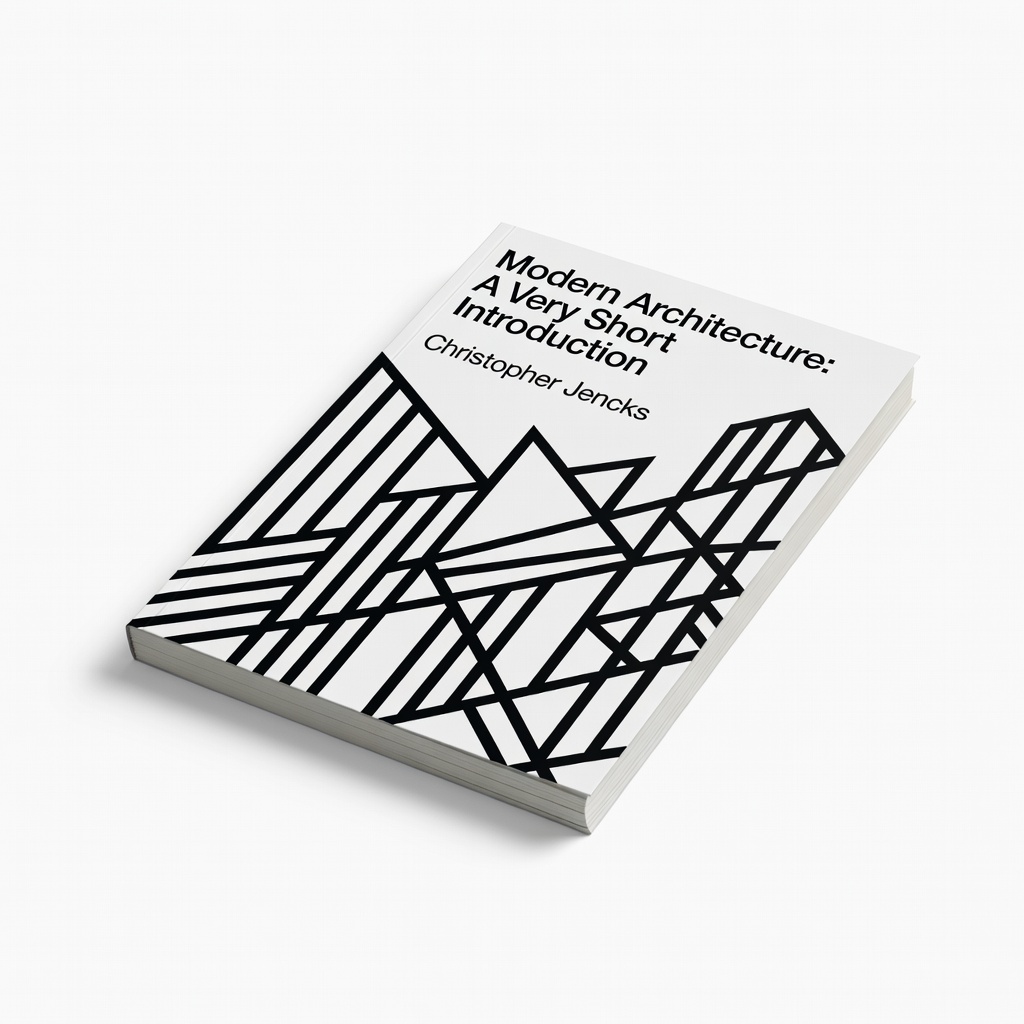
Modern Architecture: A Very Short Introduction by Christopher Jencks
This concise book breaks down the movement's history and principles for beginners, with clear examples and no fluff.
Best for: Ideal for quick reading during commutes or as a starter reference before exploring buildings.
Price Range: $8-$12
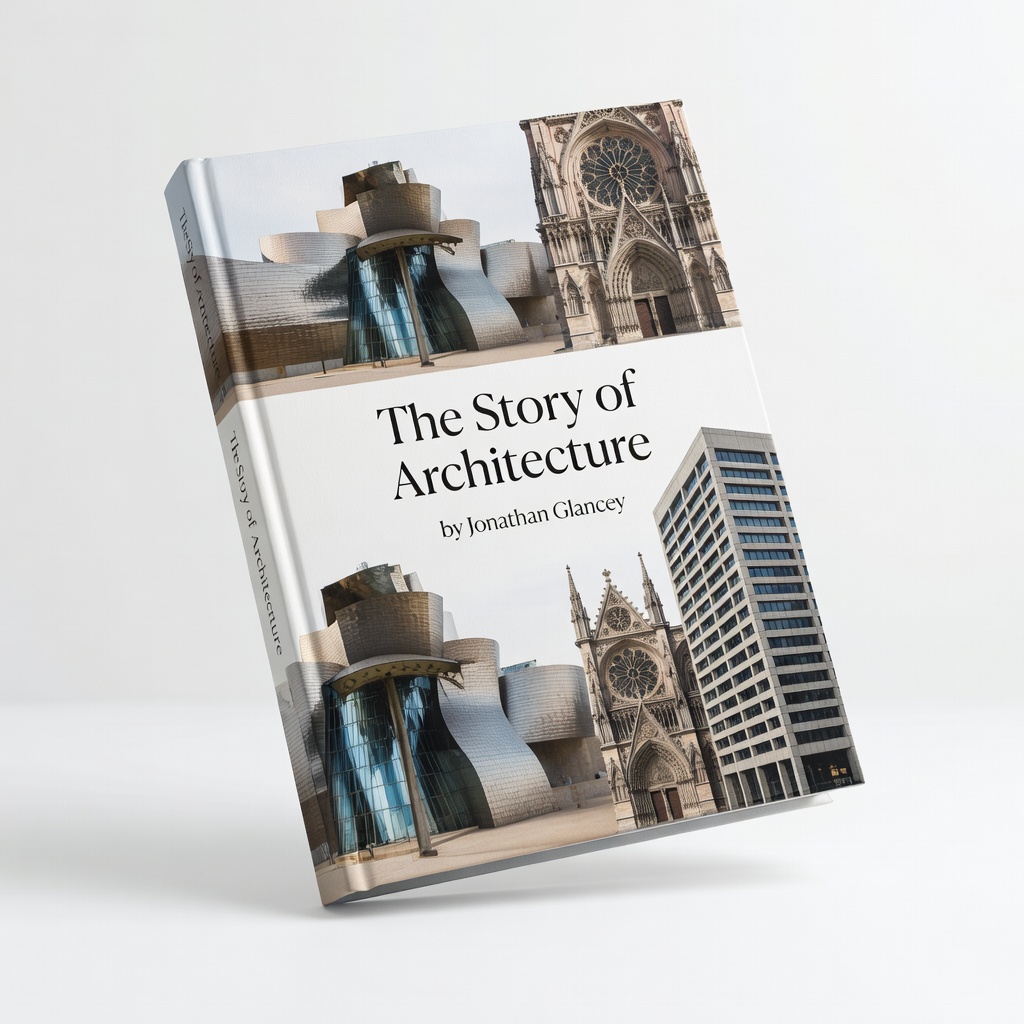
The Story of Architecture by Jonathan Glancey
Features stunning photos and timelines of modern icons, making abstract concepts visual and engaging.
Best for: Great for coffee-table browsing or inspiring sketches of famous designs.
Price Range: $20-$25
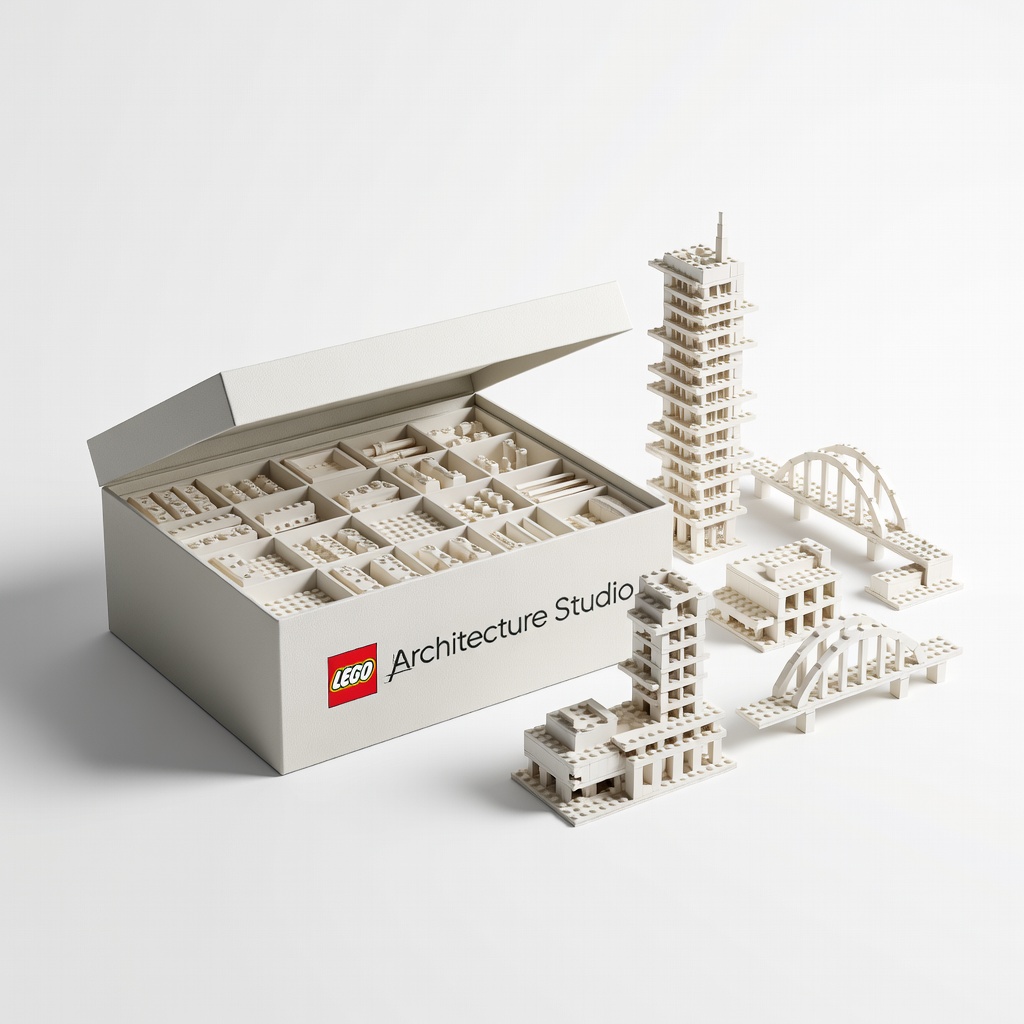
LEGO Architecture Studio Set
Hands-on kit to build modern-inspired structures, teaching principles through play—perfect for visual learners.
Best for: Use after reading to experiment with free plans and minimalism at home.
Price Range: $150-$170
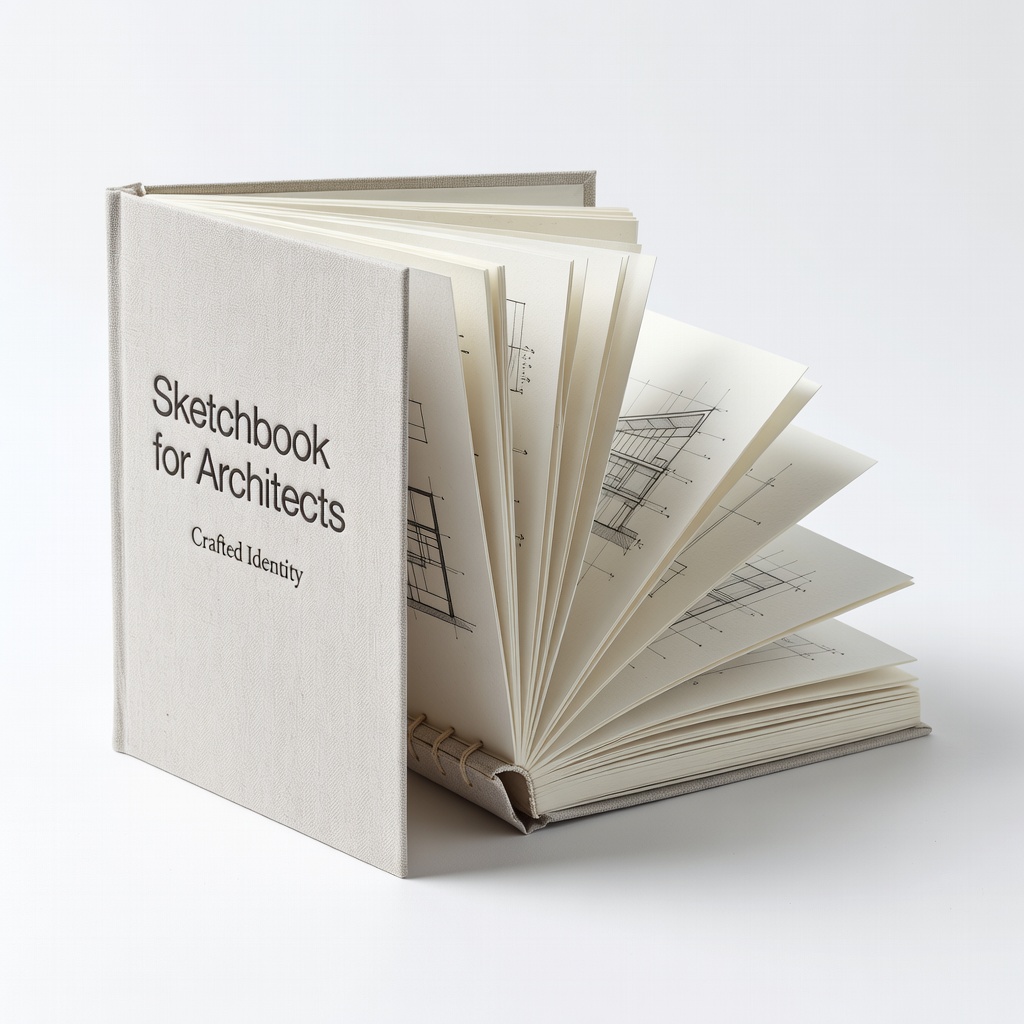
Sketchbook for Architects by Crafted Identity
Durable notebook with prompts for drawing modern forms, encouraging application of learned concepts.
Best for: For noting observations during walks or redesigning spaces simply.
Price Range: $15-$20