
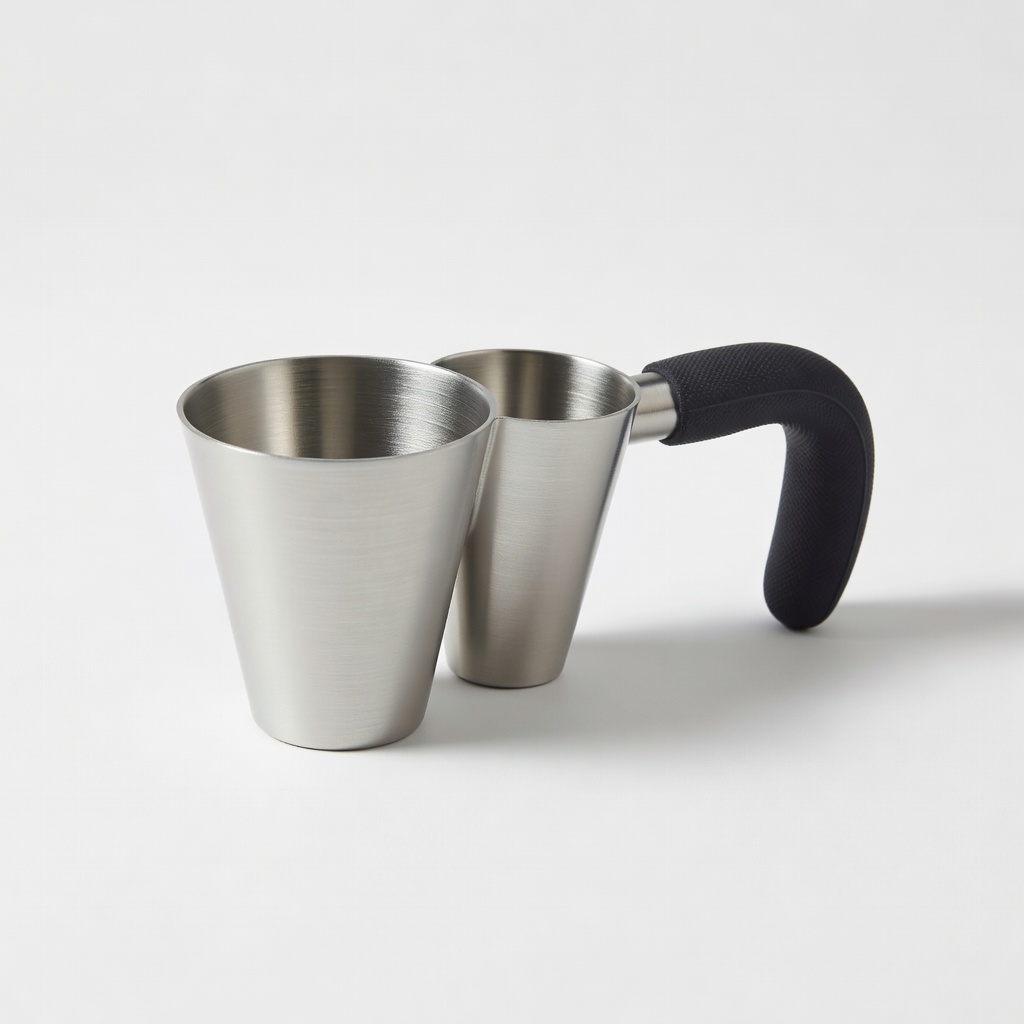
OXO Good Grips Double Jigger
Measuring spirits and mixers for consistent classic cocktails like margaritas.
$8.99
OXO Good Grips Double Jigger Precise measurements with comfortable grip, perfect for beginners to avoid overpouring.
Get the App
Better experience on mobile
Learn the art of crafting cocktails at home and discover must-have tools to create professional drinks without overwhelming your kitchen.
Ever dreamed of impressing friends with a perfectly mixed margarita or a silky smooth old fashioned, but felt intimidated by the world of bartending? Mixology isn't just for fancy bars—it's an accessible creative outlet that turns your home into a cocktail haven. Whether you're hosting a party or unwinding after work, understanding mixology empowers you to experiment with flavors and elevate simple spirits into sophisticated sips.
In this guide, you'll grasp what mixology truly means, from its artistic roots to practical techniques, and build a starter toolkit tailored for beginners. We'll break down essential tools with clear explanations, why they matter, and how to use them. No prior experience needed—this is designed for novices, taking about 30-45 minutes to read and set up your basics. By the end, you'll be ready to shake up your first drink with confidence.
Mixology blends science and creativity: balancing flavors like a chef balances ingredients. It's forgiving for beginners—start simple, and you'll quickly see how small tools make big differences in taste and presentation.
Estimated Time: 30-45 minutes to read and assemble your toolkit Difficulty: beginner
Mixology is the art and science of creating cocktails, going beyond basic mixing to focus on balance, presentation, and innovation. Think of it like cooking: just as a chef combines ingredients for harmony, a mixologist blends spirits, mixers, and garnishes to craft drinks that delight the senses. It originated in the 19th century with the rise of cocktail culture in the U.S., evolving from simple punches to complex elixirs today.
For beginners, mixology starts with core principles: balance (sweet, sour, bitter, strong), technique (shaking vs. stirring), and quality ingredients. Why does this matter? Poor balance leads to overly sweet or harsh drinks, but mastering it ensures every sip is enjoyable. Expect to feel empowered as you learn— no need for a degree, just curiosity.
Analogy: Mixology is like painting; tools are your brushes, ingredients your colors. Start with classics like a gin and tonic to see ratios in action.
💡 Tips:
⚠️ Warnings:
Before tools, stock basics: Start with versatile spirits like vodka (neutral base), gin (herbal), rum (sweet), and whiskey (bold). Add mixers like soda, tonic, or juice, plus fresh limes/lemons for acidity and simple syrup for sweetness. Bitters add depth, like a dash of flavor magic.
This foundation matters because quality inputs yield great outputs—cheap liquor can taste off, but mid-range bottles (under $30) work fine for home use. Expect to spend $50-100 initially, but it lasts months. For beginners, focus on 4-5 items to avoid overwhelm.
Example: A mojito needs rum, mint, lime, sugar—simple yet transformative with the right prep.
💡 Tips:
⚠️ Warnings:
The shaker is your mixing hub, essential for chilling and blending ingredients with ice. There are two main types: Boston (two-piece metal) for pros, and cobbler (three-piece with built-in strainer) for ease. It aerates drinks, diluting slightly for smoothness—vital for daiquiris or martinis.
Why it matters: Shaking emulsifies citrus and syrups, preventing separation. Expect a frosty exterior after 10-15 seconds of vigorous shakes. Beginners love it for its fun, physical aspect.
Analogy: Like a blender for smoothies, but manual and precise. Fill with ice, add liquids, seal, and shake hard.
💡 Tips:
⚠️ Warnings:
A jigger is a double-ended measuring tool (e.g., 1.5 oz on one side, 1 oz on the other) crucial for consistent pours. Unlike free-pouring, it ensures balance—no guesswork means no wasted drinks.
This tool matters for beginners to avoid overly strong or weak cocktails; pros use it for repeatability. Expect quick mastery—it's like a mini scale for liquids. Standard sizes: 1/2 oz to 2 oz.
Example: A negroni needs equal parts gin, vermouth, Campari—jigger keeps it perfect every time.
💡 Tips:
⚠️ Warnings:
Strainers come in Hawthorne (coiled spring for shakers) and fine-mesh (for fruit bits). They separate solids from liquids post-shake, delivering clear, professional pours.
Essential because murky drinks look and taste amateur—straining polishes your cocktail. Expect to double-strain (shaker + fine mesh) for clarity in drinks like cosmos. It's a quick flick of the wrist.
Analogy: Like a coffee filter, but for booze. Hawthorne fits Boston shakers snugly.
💡 Tips:
⚠️ Warnings:
This long, twisted spoon stirs in mixing glasses without splashing and layers drinks (e.g., pour over the spoon's bowl for floats). Ideal for clear cocktails like martinis.
It matters for silkiness—stirring chills without dilution from shaking. Expect gentle 30-second stirs for perfection. Beginners: Use it to muddle in the glass too.
Example: Stir a manhattan for velvet texture versus shaking's foam.
💡 Tips:
⚠️ Warnings:
Once basics are down, grab a muddler (for crushing herbs/fruits), citrus peeler (for twists), and bitters bottles. These elevate drinks—Muddling releases oils from mint, peelers make elegant garnishes.
They matter for creativity but aren't required starters. Expect fun experimentation, like a muddled old fashioned. Keep it simple: One optional at a time.
Analogy: Like spices in cooking—enhance without overwhelming.
💡 Tips:
⚠️ Warnings:
Problem: Cocktail tastes too bitter or sour
Solution: Add a touch more simple syrup or mixer; balance with sweetness next time.
Problem: Shaker leaks during use
Solution: Ensure pieces fit tightly and don't overfill; try a cobbler shaker for beginners.
Problem: Drinks separate after pouring
Solution: Shake longer to emulsify, or stir vigorously; use fresh ingredients.
Problem: Garnishes wilt quickly
Solution: Prep them last and store in ice water; seek pro tips if hosting large events.
Precise measurements with comfortable grip, perfect for beginners to avoid overpouring.
Best for: Measuring spirits and mixers for consistent classic cocktails like margaritas.
Price Range: $8.99
Durable stainless steel set includes shaker, strainer, and spoon—great starter kit for home use.
Best for: Shaking up shaken drinks like daiquiris without needing multiple pieces.
Price Range: $29.99
Ergonomic handle and grooved head for effective crushing without splintering wood options.
Best for: Muddling fresh herbs and fruits in mojitos or smashes.
Price Range: $9.99
Classic, versatile bitters that add depth to almost any cocktail—essential for flavor balancing.
Best for: A dash in old fashioneds or manhattans to tie flavors together.
Price Range: $8.50
All-in-one kit with tools and recipes, ideal for complete novices building a bar from scratch.
Best for: Full setup for trying multiple recipes without piecemeal buying.
Price Range: $49.95
Measuring spirits and mixers for consistent classic cocktails like margaritas.
OXO Good Grips Double Jigger Precise measurements with comfortable grip, perfect for beginners to avoid overpouring.
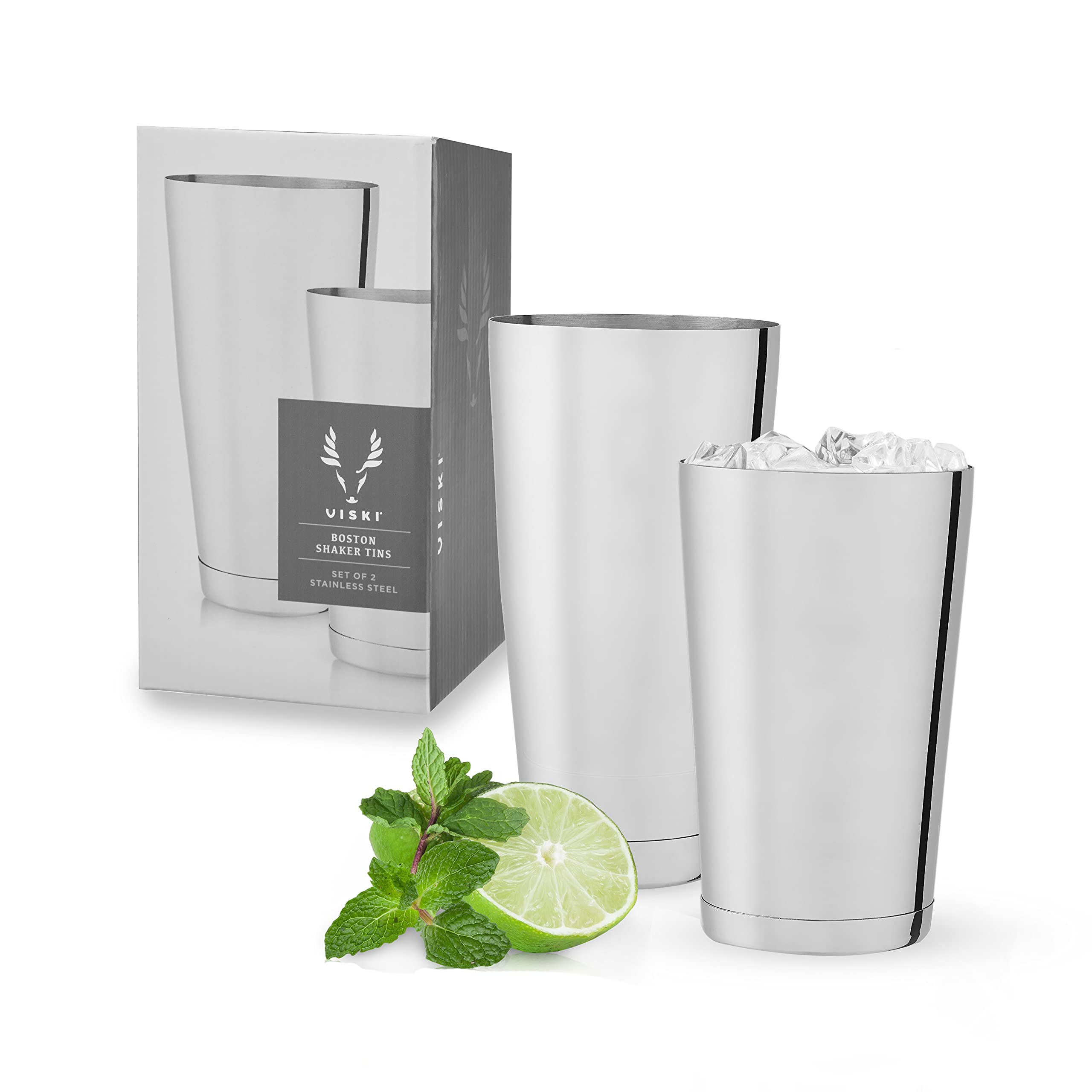
Shaking up shaken drinks like daiquiris without needing multiple pieces.
Viski Boston Cocktail Shaker Set Durable stainless steel set includes shaker, strainer, and spoon—great starter kit for home use.
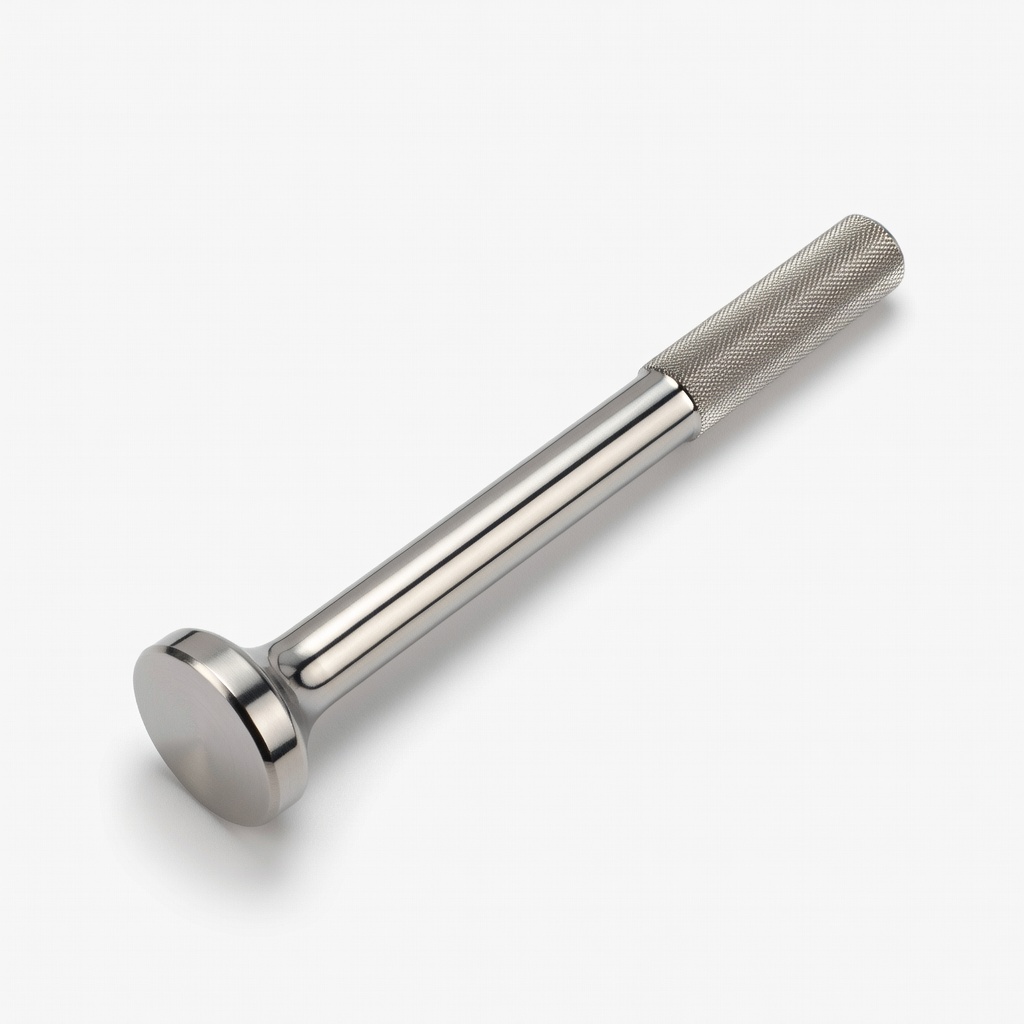
Muddling fresh herbs and fruits in mojitos or smashes.
Barfly Stainless Steel Muddler Ergonomic handle and grooved head for effective crushing without splintering wood options.
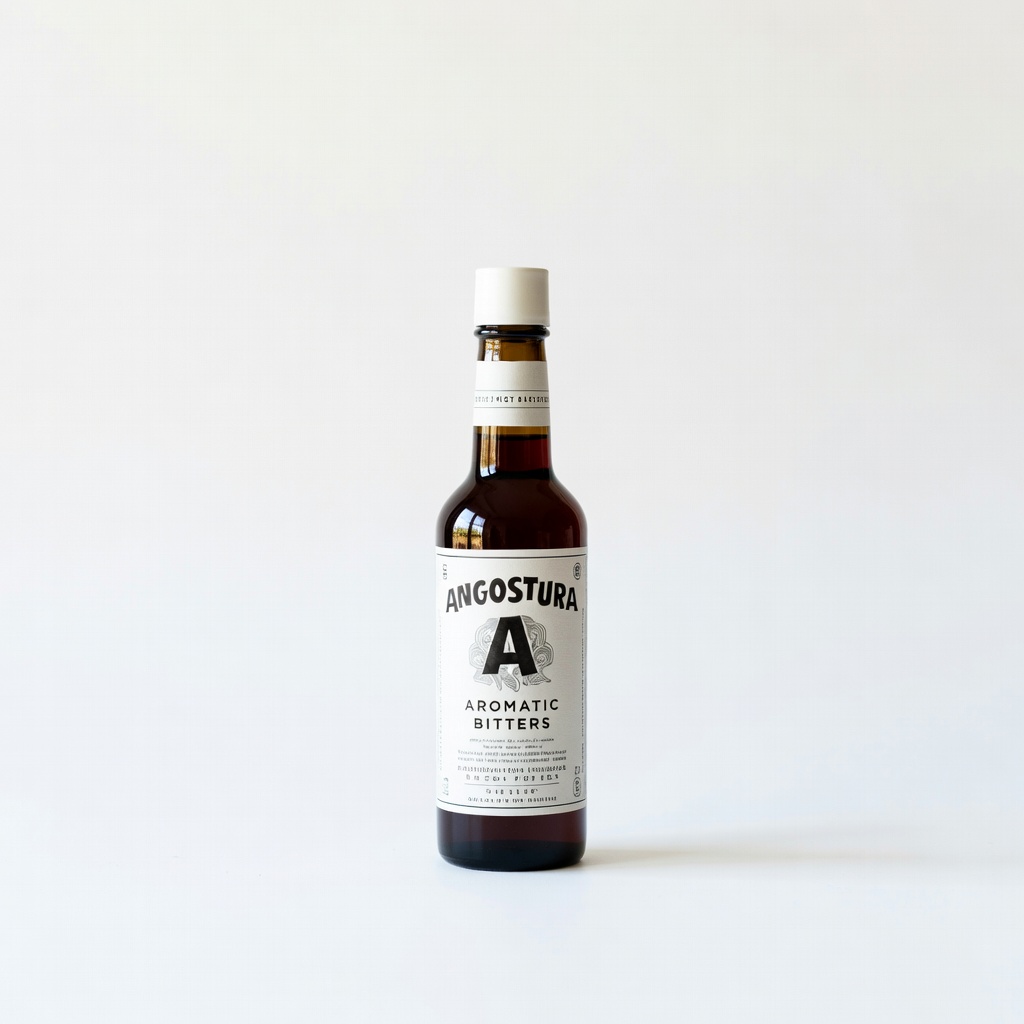
A dash in old fashioneds or manhattans to tie flavors together.
Angostura Aromatic Bitters Classic, versatile bitters that add depth to almost any cocktail—essential for flavor balancing.
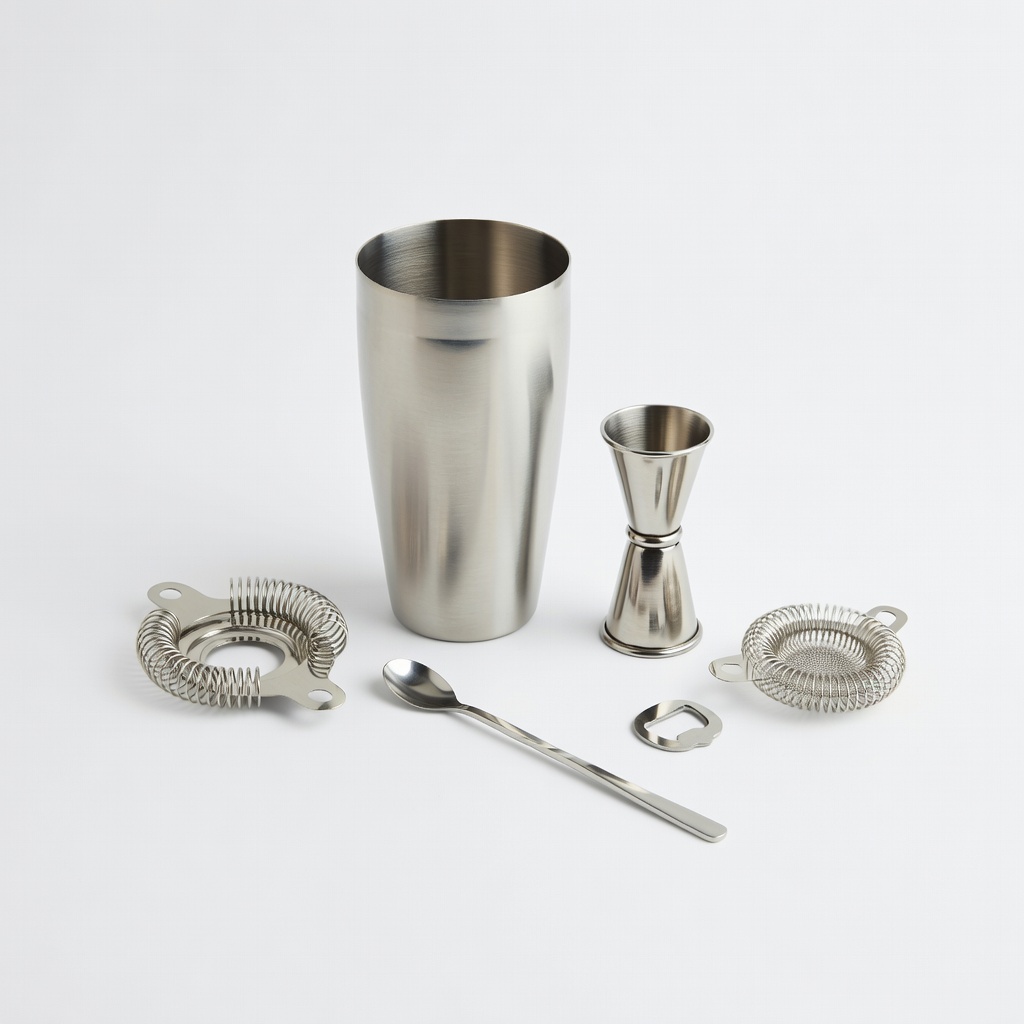
Full setup for trying multiple recipes without piecemeal buying.
Corkcicle Bartender's Bartender Kit All-in-one kit with tools and recipes, ideal for complete novices building a bar from scratch.