In today's fast-paced world, constant notifications, work pressures, and daily worries can leave you feeling overwhelmed and disconnected. Mindfulness meditation offers a simple, accessible way to reclaim calm and presence, helping millions manage anxiety and improve mental clarity without needing any special skills or equipment.
In this guide, you'll discover what mindfulness meditation truly is, its core principles, and practical daily practices tailored for beginners. We'll break it down step by step, from understanding the basics to incorporating short sessions into your routine. Expect to spend about 20-30 minutes reading and trying your first practice—it's low-pressure and rewarding from the start.
By the end, you'll have the tools to start meditating today, fostering a habit that builds resilience and joy over time. No prior experience required; just an open mind.
▸What You'll Need
- •A quiet, comfortable space (any room in your home)
- •Comfortable seating or lying position (chair, floor, or bed)
- •A timer or clock (phone works fine)
- •Optional: Meditation cushion or yoga mat for support
- •Optional: Guided audio app or journal for tracking
Estimated Time: 20-30 minutes to read and try your first practice; 5-10 minutes daily for ongoing habits
Difficulty: beginner
▸Step-by-Step Instructions
Step 1: Understand the Basics of Mindfulness
Mindfulness meditation is the practice of intentionally focusing your attention on the present moment without judgment. It's not about emptying your mind or achieving a trance-like state; instead, it's about observing your thoughts, feelings, and sensations as they arise, like watching clouds pass in the sky.
Rooted in ancient Buddhist traditions but adapted for modern life, mindfulness helps you break the cycle of rumination on past regrets or future anxieties. For beginners, think of it as training a puppy—your mind wanders, and you gently bring it back. This builds awareness and reduces reactive stress.
What to expect: A sense of gentle curiosity rather than perfection. Why it matters: It lays the foundation for all practices, making deeper sessions more approachable.
💡 Tips:
- •Start with short definitions to avoid overwhelm—focus on 'present moment' as your anchor.
⚠️ Warnings:
- •Don't confuse it with relaxation techniques; mindfulness can sometimes bring up uncomfortable emotions, which is normal.
Step 2: Explore the Benefits for Daily Life
Mindfulness meditation offers tangible benefits backed by science, such as reduced stress hormones like cortisol and improved emotional regulation. Studies from institutions like Harvard show it can shrink the amygdala (the brain's fear center) over time, leading to less anxiety.
For beginners, you'll notice quicker effects like better sleep, sharper focus at work, and more patience in relationships. It's like hitting a mental reset button, helping you respond thoughtfully instead of reacting impulsively.
Why it matters: Understanding benefits motivates consistency. Expect subtle shifts at first—perhaps feeling less scattered after a week of practice.
💡 Tips:
- •Track one benefit, like mood, in a simple note to see progress.
Step 3: Prepare Your Mind and Space
Before diving in, choose a distraction-free spot—dim the lights, silence your phone, and sit comfortably with your back straight but relaxed. This setup signals to your brain it's time for focus.
Mentally, approach with non-judgment: If your mind races, that's okay; the practice is in noticing it. Why it matters: A supportive environment makes starting easier and builds habit formation.
Expect: 2-3 minutes of setup feels grounding. For beginners, keep it simple—no need for altars or incense unless it appeals.
💡 Tips:
- •Use a dedicated 'meditation corner' to cue your routine.
⚠️ Warnings:
- •Avoid forcing a lotus position if it's uncomfortable; use a chair to prevent physical distraction.
Step 4: Practice Basic Breath Awareness
Sit comfortably, close your eyes softly, and bring attention to your natural breath—feel the air entering your nostrils or your belly rising. Count breaths if it helps: inhale (1), exhale (2), up to 10, then repeat.
When thoughts intrude (they will), acknowledge them without engagement and return to the breath. This is the core of mindfulness: gentle redirection.
Why it matters: Breath is always available, making it an ideal entry point. Expect: Your mind may wander 90% of the time at first, but that's progress—each return strengthens focus.
💡 Tips:
- •Place a hand on your belly to feel the rise and fall for better sensation awareness.
Step 5: Try a Simple Body Scan
Lie down or sit, and slowly direct attention from your toes to your head, noticing tension or sensations in each body part without trying to change them. Spend 10-20 seconds per area, breathing into tight spots.
This practice grounds you in the body, releasing stored stress. Why it matters: It teaches full-body presence, useful for bedtime relaxation.
Expect: You might discover unnoticed aches; observe them curiously. It's restorative after a long day.
💡 Tips:
- •Audio guides can help if self-directing feels tricky.
⚠️ Warnings:
- •If you feel pain, stop and consult a doctor—meditation isn't therapy.
Step 6: Incorporate Mindful Walking
For active beginners, walk slowly in a safe space, focusing on the sensation of feet touching the ground, the rhythm of steps, and surrounding sounds. Sync breath with strides: inhale for two steps, exhale for two.
This adapts mindfulness to movement, ideal if sitting feels confining. Why it matters: It integrates practice into daily life, like during a lunch break.
Expect: Nature enhances it, but even indoors works. You'll feel more connected to your environment.
💡 Tips:
- •Start with 5 minutes to build tolerance for sustained attention.
Step 7: Build a Daily Routine
Start small: 5 minutes morning and evening. Anchor to habits like after brushing teeth. Gradually increase as it feels natural.
Why it matters: Consistency rewires the brain for calm. Track sessions in a journal to celebrate streaks.
Expect: Some days will be easier; flexibility prevents guilt.
💡 Tips:
- •Pair with tea time for a soothing ritual.
⚠️ Warnings:
- •Don't aim for hours—short, regular sessions are more effective than sporadic long ones.
Step 8: Reflect and Adjust Your Practice
After a week, note what worked: Did breath focus calm you more than walking? Adjust based on energy levels—mornings for clarity, evenings for unwind.
Why it matters: Personalization sustains long-term engagement. Expect evolving needs as you grow.
This reflection deepens self-awareness, a key mindfulness outcome.
💡 Tips:
- •Use a simple app or notebook for insights.
▸Pro Tips
- •Set a gentle alarm to end sessions, avoiding abrupt stops.
- •Combine with deep breathing exercises for amplified relaxation.
- •Practice in nature occasionally to refresh your routine.
- •If motivation dips, join a free online community for accountability.
- •End sessions with gratitude for three things to boost positivity.
- •Use scent like lavender essential oil to cue mindfulness.
- •Shorten practices on busy days to maintain streak without pressure.
▸Common Mistakes to Avoid
- •Expecting instant enlightenment: Mindfulness is a skill that builds gradually; avoid frustration by celebrating small wins.
- •Judging wandering thoughts: This creates more stress—treat them as passing events instead.
- •Overcommitting time: Beginners burn out with long sessions; start under 10 minutes to build sustainably.
- •Ignoring physical comfort: Uncomfortable positions lead to avoidance; prioritize ease.
- •Skipping reflection: Without noting progress, motivation fades—always review weekly.
▸Troubleshooting
Problem: Mind keeps wandering excessively
Solution: Shorten sessions to 2-3 minutes and use a stronger anchor like counting breaths; it's normal and improves with time.
Problem: Physical discomfort during sitting
Solution: Switch to lying down or use props like a cushion; consult a doctor if persistent pain occurs.
Problem: Feeling more anxious after practice
Solution: This can happen as awareness surfaces emotions—try gentler practices or seek a therapist's guidance for support.
Problem: Hard to find time daily
Solution: Micro-meditate: 1-minute breaths during commutes; consistency over duration matters most.
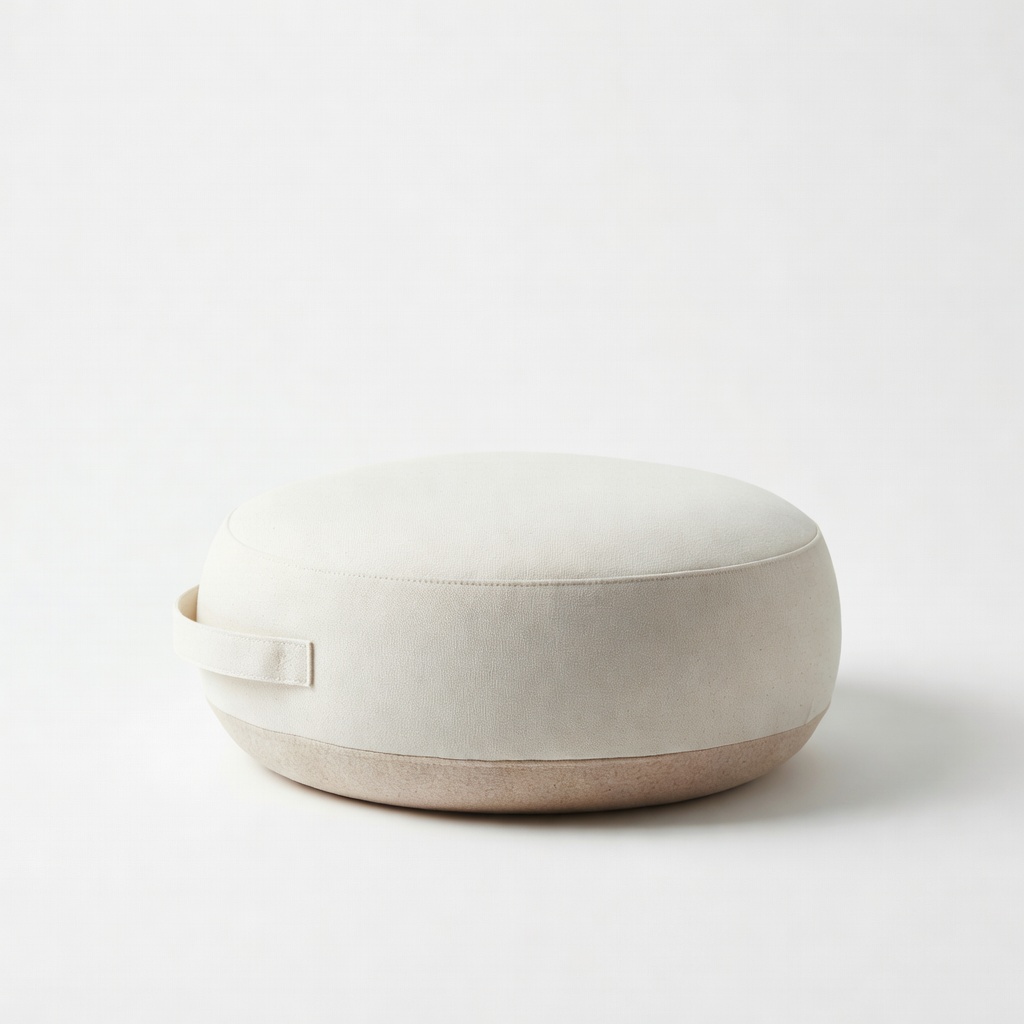
Gaiam Meditation Cushion
Provides ergonomic support for comfortable sitting, reducing back strain during longer sessions and enhancing focus for beginners.
Best for: Ideal for floor-based practices like breath awareness or body scans to maintain posture without discomfort.
Price Range: $25-$30
Insight Timer App (Premium Subscription)
Offers thousands of free guided meditations tailored for beginners, with timers and progress tracking to build habits effortlessly.
Best for: Use for daily guided sessions when self-practice feels challenging, especially for body scans or walking meditations.
Price Range: $60/year
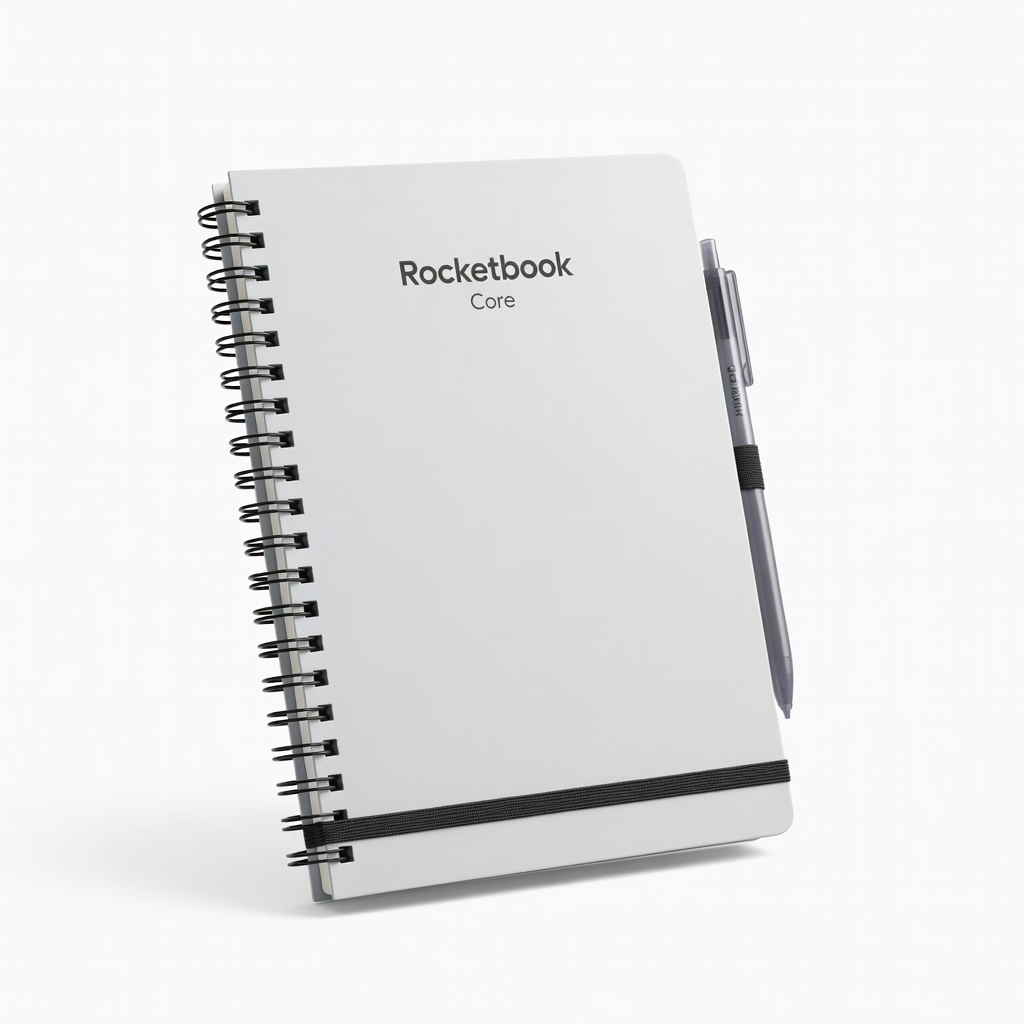
Rocketbook Core Reusable Notebook
Eco-friendly journal for tracking meditation insights without wasting paper, helping reflect and adjust practices effectively.
Best for: Post-session notes on what worked, fostering consistency and personalization in your routine.
Price Range: $25-$35
Zyllion Shiatsu Back and Neck Massager
Relieves tension before or after meditation, making body scans more comfortable and deepening relaxation for stress relief.
Best for: Pre-practice warm-up to ease into sessions, especially if you're new to sitting still.
Price Range: $40-$50
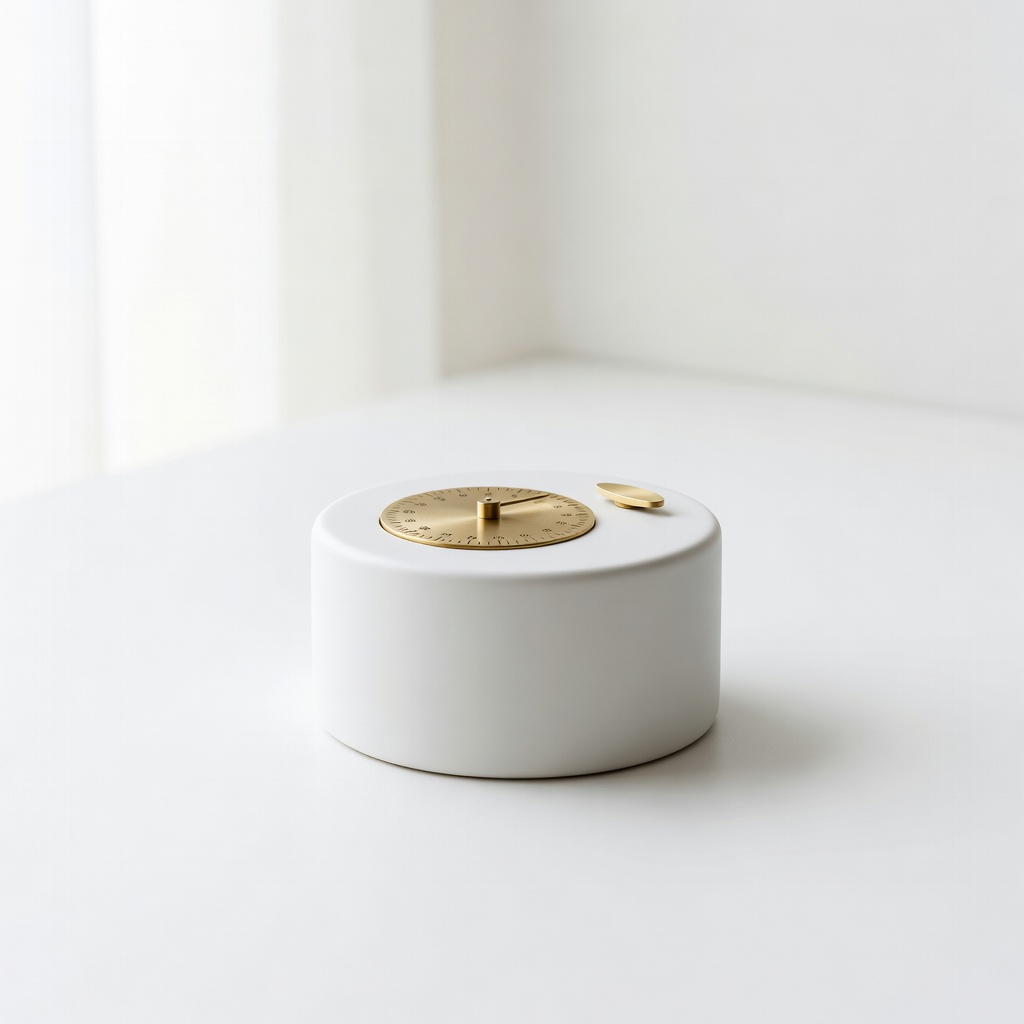
Timer with Gentle Chimes (e.g., Ohm Timer)
Soft sounds start and end sessions without jarring alarms, promoting a peaceful transition in and out of meditation.
Best for: For timed daily practices to avoid phone distractions and maintain focus.
Price Range: $15-$20