In today's fast-paced world, stress and anxiety often overwhelm us, making it hard to find moments of peace. Meditation offers a simple, accessible way to quiet the mind, improve focus, and enhance overall well-being without needing special equipment or hours of time. If you're new to it, you might wonder how to start or what it even involves—don't worry, this guide breaks it down.
You'll learn what meditation truly is, its key benefits, basic types suitable for beginners, and how to incorporate it into your life using free or low-cost apps. By the end, you'll have the knowledge and tools to try your first session, expecting a gentle introduction that takes 10-15 minutes. No prior experience required—just an open mind and a quiet spot.
▸What You'll Need
- •A smartphone or tablet (iOS or Android)
- •Quiet space (optional: comfortable seating like a chair or cushion)
- •Internet connection for downloading apps
- •Prerequisite knowledge: None—start from zero
Estimated Time: 20-30 minutes to read and try your first app session
Difficulty: beginner
▸Step-by-Step Instructions
Step 1: Understand the Basics of Meditation
Meditation is a practice where you train your mind to focus and redirect thoughts, often leading to a state of calm awareness. Think of it like hitting the pause button on a busy day—it's not about emptying your mind completely (that's a common myth) but observing thoughts without judgment, like watching clouds pass in the sky.
At its core, meditation has been around for thousands of years, rooted in traditions like Buddhism, but today it's secular and backed by science for reducing stress hormones like cortisol. For beginners, expect wandering thoughts; that's normal and part of the process. This foundation helps you approach it without pressure.
💡 Tips:
- •Start with short sessions to build confidence.
- •Use analogies like 'mind gym' to remember it's a skill that improves with practice.
Step 2: Explore the Key Benefits
Meditation isn't just 'hippie stuff'—studies from institutions like Harvard show it lowers anxiety, improves sleep, and even boosts brain function in areas related to attention and emotion regulation. For beginners, you might notice reduced reactivity to daily stressors after a week of practice, like feeling less overwhelmed by work emails.
Benefits include better emotional balance (e.g., handling anger calmly) and physical perks like lower blood pressure. Why it matters: In a world of constant notifications, it rebuilds mental resilience. Expect subtle shifts at first, not overnight transformation.
⚠️ Warnings:
- •Don't expect instant results; consistency is key over perfection.
Step 3: Learn Common Types for Beginners
There are many styles, but start simple. Mindfulness meditation involves paying attention to the present moment, often via breath focus—imagine anchoring yourself with each inhale and exhale. Guided meditation uses audio instructions, perfect for apps, where a voice leads you through visualizations, like picturing a peaceful beach.
Other beginner-friendly types: Body scan (relaxing each body part sequentially) or loving-kindness (sending positive thoughts to yourself and others). Why choose? Guided is easiest for newbies as it provides structure. Expect to feel relaxed yet alert after 5-10 minutes.
💡 Tips:
- •Try mindfulness first—it's versatile for any time, place.
Step 4: Set Up Your Meditation Space and Routine
Find a quiet, comfortable spot—your bedroom floor or office chair works; no need for a temple. Sit upright with relaxed posture to stay alert, not slouched. Set a timer for 5 minutes to avoid clock-watching. Why it matters: A dedicated setup signals your brain it's 'meditation time,' making it habitual.
For routine, aim for the same time daily, like morning coffee. Expect initial discomfort, like fidgeting—that fades with practice. This step transitions you from theory to action.
⚠️ Warnings:
- •Avoid meditating right after eating to prevent drowsiness.
Step 5: Download and Try a Beginner App
Apps make meditation accessible with guided sessions, timers, and progress tracking. Search your app store for 'beginner meditation' and pick one with free trials. Start a session: Follow the voice prompts, close your eyes, and breathe as directed. Why apps? They remove guesswork, offering bite-sized lessons.
Expect your mind to wander—gently return to the guide. After, journal how you feel to build awareness. This hands-on step solidifies understanding.
💡 Tips:
- •Use headphones for immersion in guided audio.
Step 6: Build a Consistent Practice
Once comfortable, meditate 5-10 minutes daily. Track streaks in the app to stay motivated. Combine with walks for 'walking meditation' if sitting feels tough. Why it matters: Regularity rewires your brain for calm, turning it into a tool for life.
Over time, explore app libraries for themed sessions (e.g., stress relief). Expect deeper relaxation and clearer thinking as you progress.
▸Pro Tips
- •Breathe deeply from the belly, not chest, for quicker calm.
- •If distracted, label thoughts as 'planning' or 'worrying' and let go.
- •Meditate in the morning to set a positive tone for the day.
- •Pair with journaling post-session to reflect and reinforce benefits.
- •Experiment with apps' free content before subscribing.
- •Use ambient sounds like rain in apps for soothing backgrounds.
- •Start with eyes closed if open gazing feels straining.
▸Common Mistakes to Avoid
- •Trying to stop all thoughts—it's impossible; focus on gentle redirection instead.
- •Meditating at inconsistent times, which breaks habit formation—stick to a schedule.
- •Judging your sessions as 'bad' if mind wanders—every practice counts.
- •Overcommitting to long sessions early—begin short to avoid burnout.
- •Ignoring physical comfort, leading to distraction—adjust posture as needed.
▸Troubleshooting
Problem: Mind keeps wandering constantly
Solution: That's normal for beginners; shorten sessions to 2-3 minutes and use guided apps to refocus. Practice daily to improve.
Problem: Feeling sleepy or bored during sessions
Solution: Meditate when alert, like mornings, and try active types like walking meditation. Ensure good posture to stay awake.
Problem: App crashes or audio issues
Solution: Update the app, check internet, or restart device. Switch to offline modes if available.
Problem: No noticeable benefits after a few tries
Solution: Give it 1-2 weeks of consistency. If anxiety persists, consult a doctor for underlying issues.
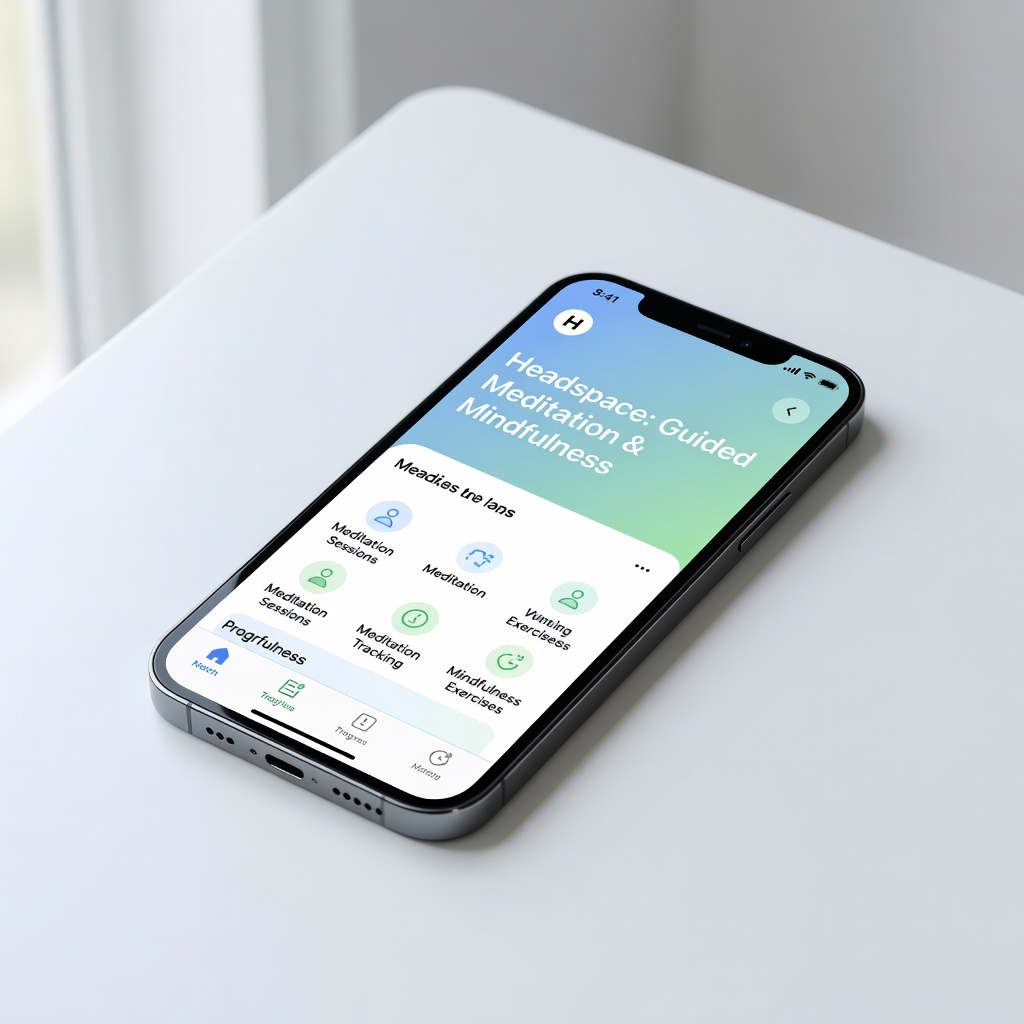
Headspace: Guided Meditation & Mindfulness
Top-rated for beginners with short, narrated sessions and a friendly interface that explains concepts simply.
Best for: Daily stress relief or sleep improvement via 5-10 minute guided meditations.
Price Range: $12.99/month or $69.99/year (free trial available)
Calm: Sleep Stories & Meditation
Offers relaxing stories and breathing exercises ideal for newbies overwhelmed by silence.
Best for: Bedtime routines or anxiety reduction with celebrity-narrated content.
Price Range: $14.99/month or $69.99/year (free version limited)
Insight Timer - #1 Free Meditation App
Vast free library of 100,000+ guided meditations from experts, no subscription needed for basics.
Best for: Budget-friendly exploration of various styles without commitment.
Price Range: Free (premium $59.99/year optional)
BLISS Meditation Cushion and Bench
Provides ergonomic support for comfortable sitting, reducing physical distractions for longer sessions.
Best for: Home practice to maintain posture during app-guided meditations.
Price Range: $39.99
The Five Minute Journal: A Happier You
Combines with meditation for reflection, prompting gratitude to amplify mindfulness benefits.
Best for: Post-meditation journaling to track progress and insights.
Price Range: $24.99