Ever feel overwhelmed by deciding what to eat every day, only to end up grabbing takeout or skipping meals? Meal prepping is a game-changer for busy people like you, turning chaotic kitchens into efficient hubs of nutritious, ready-to-go food. It addresses the common pain point of time scarcity while promoting better health and cost savings.
In this guide, you'll learn what meal prepping really means, why it's worth your time, and step-by-step weekly planning strategies tailored for beginners. We'll break it down simply, from assessing your needs to executing your first prep session, so you can achieve stress-free meals without fancy skills or hours in the kitchen.
Expect to invest 2-4 hours weekly once you're set up—mostly on weekends—with minimal daily effort. No prior experience needed; just a willingness to plan ahead for big rewards like more energy and fewer grocery runs.
▸What You'll Need
- •Basic kitchen tools: sharp knife, cutting board, and mixing bowls (required)
- •Storage containers: airtight glass or plastic ones for meals (required)
- •Grocery list notebook or app (optional but helpful for planning)
- •Measuring cups and spoons (required for portion control)
- •Access to a fridge and oven or stovetop (prerequisite: basic cooking knowledge)
Estimated Time: 2-4 hours per week for planning and prepping, plus 10-15 minutes daily for reheating
Difficulty: beginner
▸Step-by-Step Instructions
Step 1: Understand the Basics of Meal Prepping
Meal prepping is simply preparing meals in advance to eat throughout the week, focusing on batch cooking healthy portions that store well. Think of it like packing your lunchbox for the entire week ahead—it's not about gourmet feasts but practical, repeatable food that fits your life.
This concept breaks down the monotony of daily cooking by emphasizing efficiency. For beginners, start small: aim for 3-5 days of lunches or dinners. You'll expect to feel more organized right away, with less decision fatigue.
Why it matters: It reduces food waste, ensures balanced nutrition, and saves money—studies show preppers spend up to 30% less on eating out. No complex recipes needed; focus on versatile staples like grilled chicken, quinoa, and veggies.
💡 Tips:
- •Use analogies: Treat meal prepping like loading your phone charger—do it once to power through the week.
⚠️ Warnings:
- •Don't overcomplicate; beginners often burn out by prepping seven full days at once.
Step 2: Assess Your Goals and Schedule
Before diving in, evaluate why you're prepping—weight loss, saving time, or family feeding? List your dietary needs (e.g., vegetarian, low-carb) and weekly routine. How many meals do you need? Busy workdays might mean quick breakfasts and lunches.
This step sets a realistic foundation. Expect to spend 15-20 minutes journaling or using a simple app. It matters because mismatched plans lead to abandoned preps; aligning with goals keeps you motivated.
For example, if you're a beginner parent, prioritize kid-friendly options like turkey meatballs that reheat easily.
💡 Tips:
- •Track your current eating habits for a week to spot patterns, like frequent fast food.
⚠️ Warnings:
- •Avoid ignoring allergies or preferences—safety first.
Step 3: Create a Weekly Meal Plan
Map out 3-7 days of meals using a template: breakfast, lunch, dinner, snacks. Choose 2-3 recipes per category that share ingredients for efficiency—e.g., roast a big batch of veggies for salads and stir-fries.
Why it matters: Planning prevents impulse buys and ensures variety to avoid boredom. As a beginner, use free online templates or a planner book. Expect a 30-minute brainstorm yielding a balanced plate: half veggies, quarter protein, quarter grains.
Analogy: It's like plotting a road trip—pick routes (meals) that overlap to save gas (time and money). Rotate themes weekly, like 'Mediterranean Monday' for flavor without repetition.
💡 Tips:
- •Incorporate seasonal produce for freshness and cost savings.
⚠️ Warnings:
- •Don't plan identical meals daily; variety sustains interest.
Step 4: Build and Shop Your Grocery List
From your plan, compile a categorized list: proteins, produce, pantry staples. Quantify portions—e.g., 2 lbs chicken for four servings. Check your pantry first to avoid duplicates.
This step streamlines shopping, cutting trips and waste. Spend 20 minutes listing; expect to save 20-30% on groceries by buying in bulk smartly. It matters for budget control and reducing stress at the store.
Tip for beginners: Use apps like AnyList to share lists if prepping for family. Focus on versatile items like eggs, which work for breakfast scrambles or salads.
💡 Tips:
- •Shop mid-week for fresher produce or sales.
⚠️ Warnings:
- •Overbuying perishables leads to spoilage—stick to your list.
Step 5: Prep Your Ingredients Efficiently
On prep day (e.g., Sunday), wash, chop, and cook in batches. Start with proteins (grill or bake), then grains, then veggies. Portion into containers immediately.
Why it matters: Batch prepping halves cooking time—do all chopping at once like a kitchen assembly line. Beginners can expect 1-2 hours for 5 meals; results are grab-and-go portions that stay fresh 4-5 days.
Break it down: Use analogies like prepping puzzle pieces that assemble daily. Safety note: Cool foods before storing to prevent bacteria.
💡 Tips:
- •Invest in a good chopper for speed.
⚠️ Warnings:
- •Never leave hot food out over 2 hours.
Step 6: Store and Label for Easy Access
Use airtight containers to store in the fridge (up to 5 days) or freezer (up to 3 months). Label with dates and contents for rotation.
This ensures food safety and organization. Expect meals to reheat in 2-5 minutes via microwave. It matters for maintaining nutrition—proper storage preserves vitamins.
For beginners, fridge zones help: top for ready meals, bottom for raw. Analogy: Like filing papers, labeling avoids the 'what's this?' mystery.
💡 Tips:
- •Glass containers prevent staining from sauces.
⚠️ Warnings:
- •Avoid overcrowding fridge; air circulation is key.
Step 7: Reheat, Eat, and Iterate Weekly
Daily, grab and reheat as needed—add fresh elements like herbs for appeal. At week's end, note what worked and adjust next plan.
Why it matters: Iteration builds habits; beginners often refine after 2-3 weeks. Expect sustained energy from consistent nutrition.
Track wins, like 'quinoa lasted well,' to evolve strategies. This closes the loop, making prepping a sustainable lifestyle.
💡 Tips:
- •Batch reheat on busy days for multiple meals.
⚠️ Warnings:
- •Reheat only once to avoid quality loss.
▸Pro Tips
- •Start with 3 days to build confidence before scaling up.
- •Theme your weeks (e.g., 'sheet pan meals') for variety without extra planning.
- •Freeze extras in single portions for 'emergency' meals.
- •Use slow cookers for hands-off prepping while you run errands.
- •Incorporate one new recipe per week to keep it exciting.
- •Prep snacks like energy balls alongside mains for complete coverage.
- •Shop sales cycles—apps like Flipp alert you to deals.
▸Common Mistakes to Avoid
- •Planning too many unique recipes, leading to overwhelm and waste—stick to 3-4 bases.
- •Ignoring portion sizes, resulting in oversized meals or leftovers—use scales for accuracy.
- •Skipping labels, causing confusion and forgotten items—always date containers.
- •Prepping without considering reheating ease, like soggy veggies—choose crisp methods.
- •Not assessing fridge space first, leading to poor storage—measure and organize ahead.
▸Troubleshooting
Problem: Meals spoil faster than expected
Solution: Check fridge temp (below 40°F/4°C) and cool foods quickly before storing; use within 4 days or freeze.
Problem: Prepped food tastes bland after reheating
Solution: Add fresh seasonings or sauces upon serving; under-season initially as flavors intensify in storage.
Problem: Running out of time during prep
Solution: Break into two sessions (e.g., shop Saturday, cook Sunday); enlist family help for chopping.
Problem: Boredom with repetitive meals
Solution: Rotate proteins weekly and mix components (e.g., same rice with different toppings); track feedback.
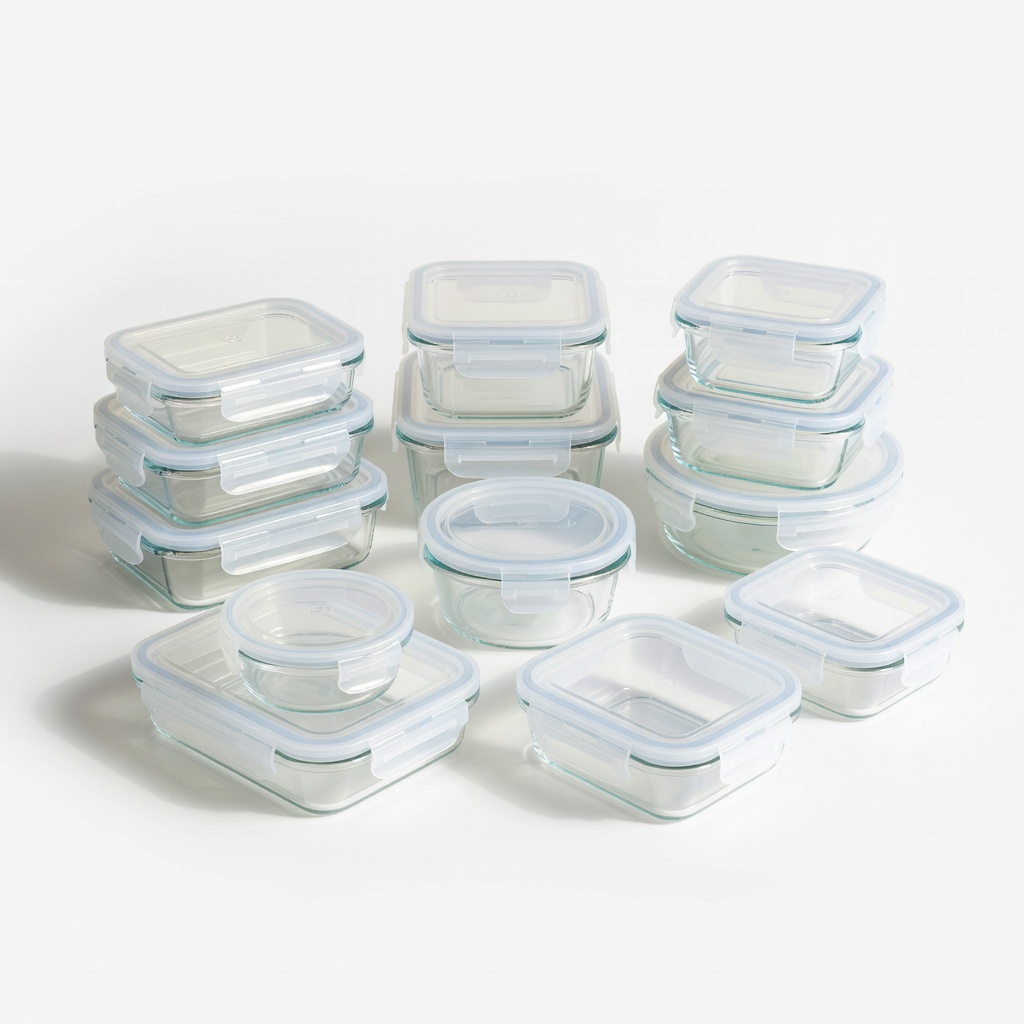
Bayco 30-Piece Glass Meal Prep Containers
These durable, leak-proof glass containers keep food fresh longer than plastic, with BPA-free lids for safe storage.
Best for: Ideal for portioning lunches and dinners; microwave- and dishwasher-safe for easy reheating and cleanup.
Price Range: $25-$30
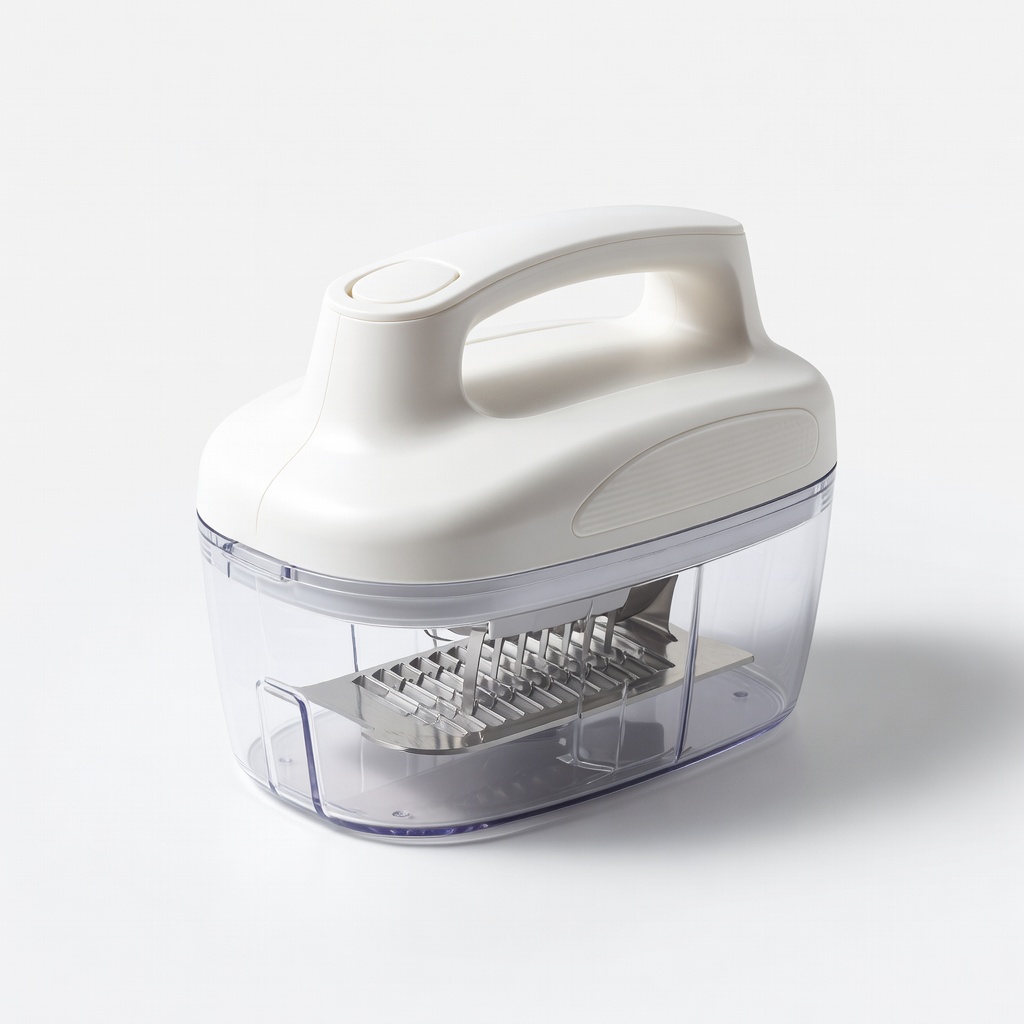
Fullstar Vegetable Chopper and Dicer
Saves chopping time with sharp stainless steel blades, making veggie prep effortless for beginners.
Best for: Use during batch prepping to quickly dice onions, carrots, and more without fatigue.
Price Range: $20-$25
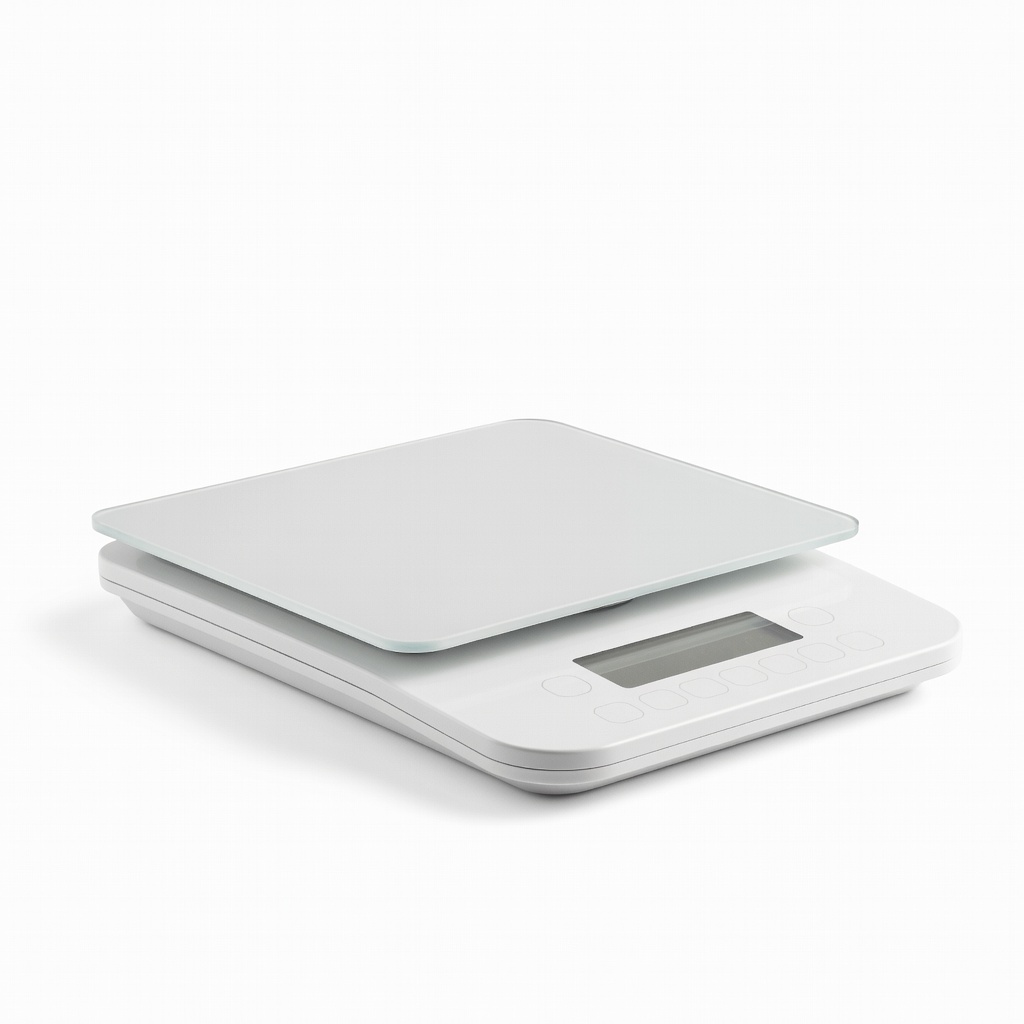
Etekcity Food Kitchen Scale
Accurate digital weighing ensures precise portions, helping control calories and reduce waste.
Best for: Weigh proteins and grains for balanced meals, especially for dietary goals like weight management.
Price Range: $10-$15
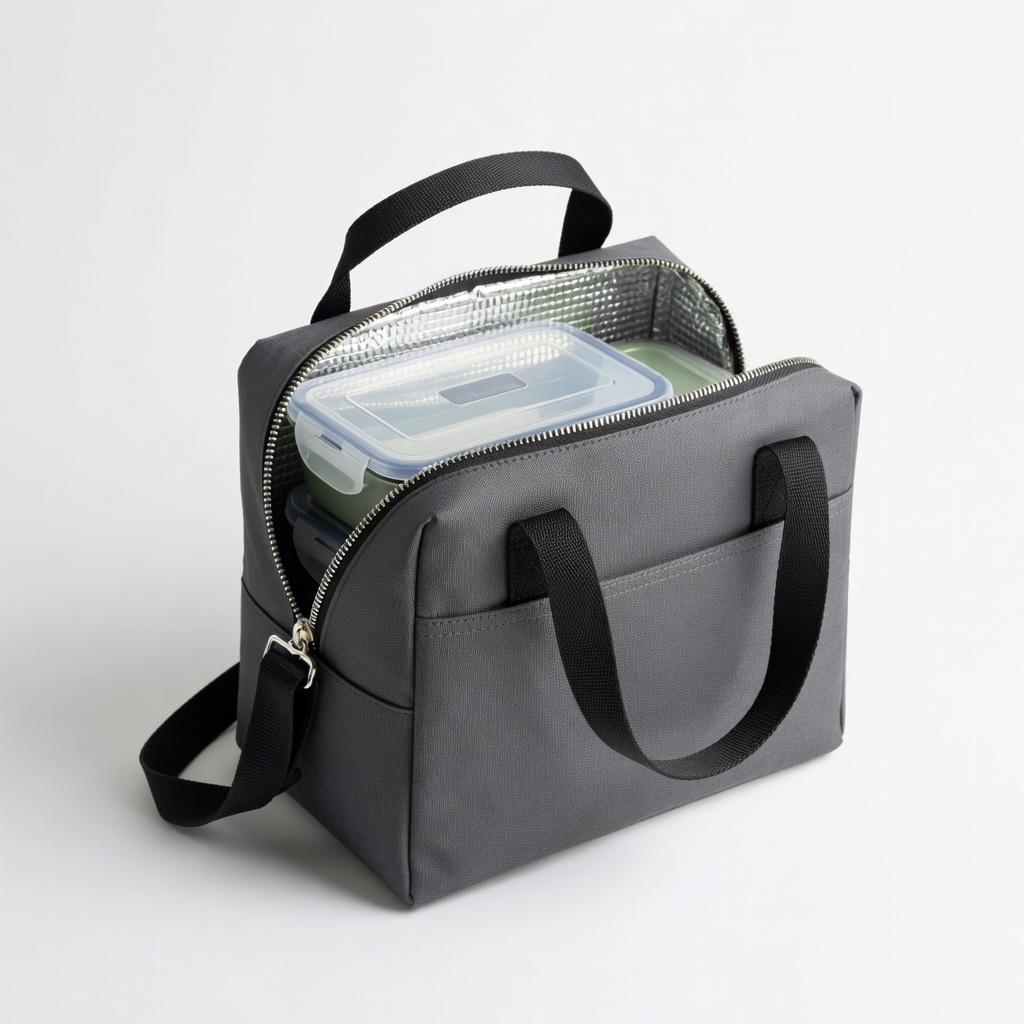
LOVETTI Insulated Meal Prep Lunch Bag
Keeps prepped meals cold or hot for hours with thick insulation and ice pack pocket, perfect for on-the-go.
Best for: Transport work lunches without spoilage; fits multiple containers for full-day meals.
Price Range: $15-$20
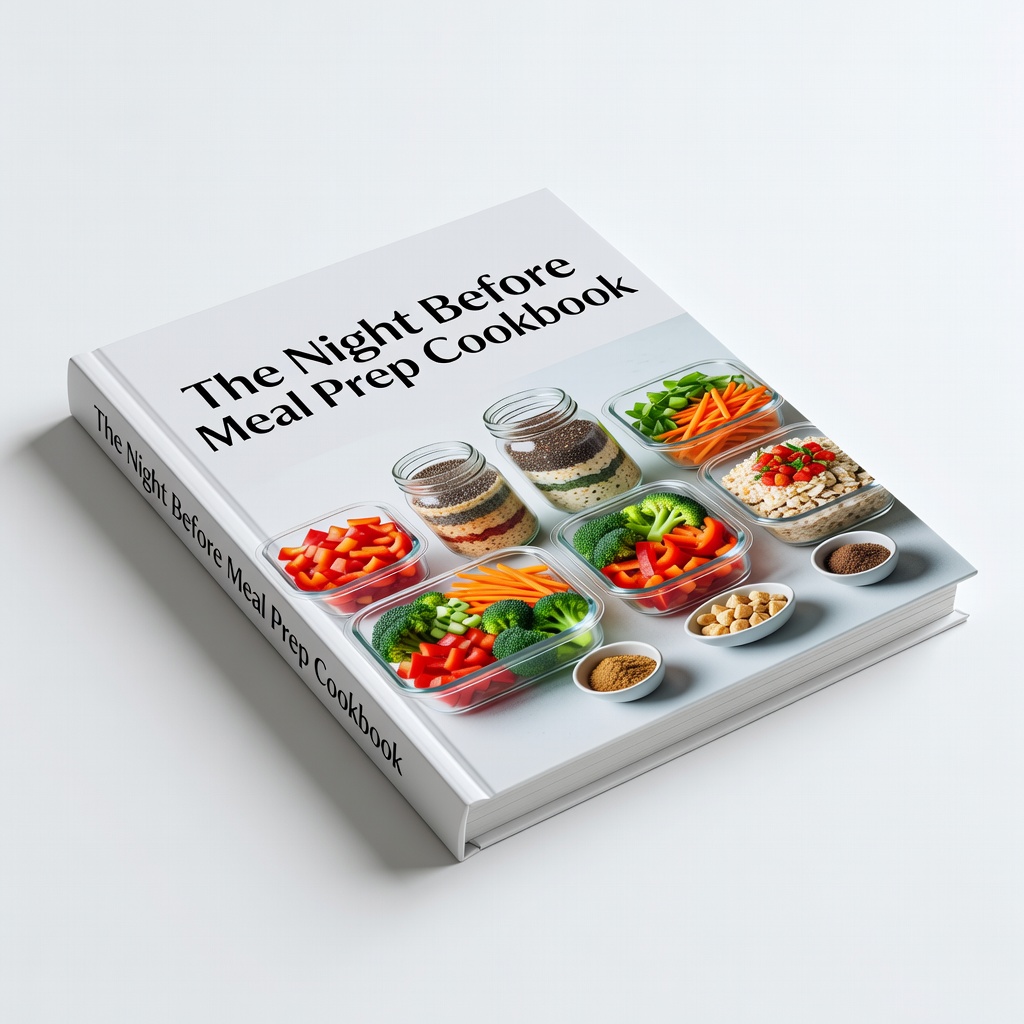
The Night Before Meal Prep Cookbook
Beginner-friendly recipes with 100+ easy ideas focused on weekly planning, including shopping lists.
Best for: Inspire your plans with simple, nutritious meals that prep in under 2 hours.
Price Range: $15-$20