You've probably heard about HIIT — High-Intensity Interval Training — and how it can torch calories in record time. But if you're new to fitness, it might sound intimidating: short bursts of all-out effort, quick recoveries, repeat. The good news is that HIIT is incredibly scalable. You can adapt it to your current fitness level, whether you're just starting or coming back after a break.
In this guide, we'll break down what HIIT really is, why it works, and exactly how to structure your first workouts. You'll learn the science behind interval training, how to choose exercises, and common mistakes to avoid. By the end, you'll have a clear, actionable plan to start HIIT safely and effectively — no expensive equipment or gym membership required.
▸What You'll Need
- •Comfortable workout clothes and supportive athletic shoes
- •A water bottle
- •A timer or interval app (phone stopwatch works)
- •A mat or soft surface for floor exercises
- •A clear space of about 10 square feet
- •Basic health readiness: okay to exercise (check with your doctor if unsure)
Estimated Time: 10-minute read; first workout takes about 20–25 minutes
Difficulty: beginner
▸Step-by-Step Instructions
Step 1: Understand the Basic Structure of HIIT
HIIT alternates short periods of intense exercise (work intervals) with longer or equal periods of low-intensity recovery (rest intervals). For example, after a warm-up, you might sprint for 30 seconds, then walk for 60 seconds, and repeat that cycle 8 times. The key is that the work intervals are truly challenging — you should feel breathless and your heart rate should climb.
The goal is not to maintain a moderate pace for a long time, as in traditional cardio. Instead, you push hard, recover, and push again. This pattern stresses your body in a way that improves both aerobic and anaerobic fitness, boosts calorie burn, and can improve insulin sensitivity. Because each session is short, typically 10–30 minutes, it's easy to fit into a busy day.
💡 Tips:
- •Start with a simple 1:2 work-to-rest ratio (e.g., 20 seconds work, 40 seconds rest) to avoid overdoing it.
- •Use an interval timer app so you don't have to watch the clock.
⚠️ Warnings:
- •Don't attempt an all-out sprint if you have any injuries or haven't exercised in a long time. Scale down the intensity first.
Step 2: Assess Your Current Fitness Level
Before jumping into HIIT, take a moment to evaluate your baseline. If you're completely new to exercise, consider starting with lower-intensity activities like brisk walking for a few weeks. HIIT can be done by nearly anyone, but it's important to be honest about your limitations.
One practical way to check: the talk test. During moderate activity you can hold a conversation, but during high-intensity work you should find it hard to say more than a few words. If talking is impossible, you're likely at a good intensity. If you can't speak at all, it might be too hard too soon. If you have any health conditions — heart disease, hypertension, joint problems, or pregnancy — consult a healthcare professional before starting HIIT.
💡 Tips:
- •Use a perceived exertion scale: aim for 8–9 out of 10 effort during work intervals, 3–4 during recovery.
- •Start with just 10–15 minutes total including warm-up and cool-down for your first week.
⚠️ Warnings:
- •If you feel chest pain, severe dizziness, or extreme shortness of breath, stop immediately and seek medical help.
Step 3: Choose Your Exercises
The beauty of HIIT is that you can use any movement that gets your heart rate up. For beginners, bodyweight exercises are ideal because they require no equipment and can be modified for any level. Common HIIT moves include jumping jacks, high knees, mountain climbers, burpees (or modified step-back burpees), squat jumps, and fast stepping.
Pick 3–5 exercises for each workout. For example, a session might include jumping jacks, bodyweight squats, standing mountain climbers, and fast stepping. If you have access to equipment, a jump rope, battle ropes, or an exercise bike can also be used. The key is to choose movements that feel safe and can be performed with good form for the entire work interval.
💡 Tips:
- •For zero-impact options, replace jump exercises with step taps or low squats.
- •Write down your chosen exercises so you can focus on effort rather than thinking about what's next.
⚠️ Warnings:
- •Avoid high-impact moves like box jumps or burpees if you have knee or ankle problems. Choose a low-impact alternative and talk to a physiotherapist if needed.
Step 4: Determine Your Work-to-Rest Ratio
The work-to-rest ratio determines how hard you'll push and how much time you'll have to recover. Common ratios are 1:1 (e.g., 30 seconds work, 30 seconds rest), 1:2 (30 seconds work, 60 seconds rest), and 2:1 (40 seconds work, 20 seconds rest). For beginners, a 1:2 ratio is the safest. It allows your heart rate to come down enough that you can still perform the next interval with good form.
As you get fitter, you can progress to a 1:1 ratio or even a 2:1. Tabata, a specific HIIT protocol, uses 20 seconds of work followed by 10 seconds of rest, repeated 8 times — but it's very intense and best suited for intermediate exercisers. For your first few weeks, stick with longer rest periods.
💡 Tips:
- •Set your interval timer to beep clearly to indicate when to start and stop.
- •A good starting protocol: 6 rounds of 30 seconds work / 60 seconds rest, plus warm-up and cool-down.
⚠️ Warnings:
- •Don't shorten rest periods just to make the workout harder. Inadequate recovery increases injury risk and reduces training quality.
Step 5: Build Your First Full Workout
Now it's time to put everything together. Here's an example beginner HIIT session:
- •5 minutes: warm-up (brisk walking or marching, arm circles, leg swings)
- •6 rounds: 30 seconds of jumping jacks (work), 60 seconds of walking or slow marching (rest)
- •5 minutes: cool-down (slow walking, static stretches for quads, hamstrings, and chest)
Total time: about 20 minutes. You can swap the jumping jacks for bodyweight squats or high knees, depending on what feels comfortable. The format is straightforward: after your warm-up, do the work interval, then recover, and repeat.
💡 Tips:
- •Keep a notebook or phone notes to record how many rounds you complete and how you feel.
- •Aim to do this exact workout 2 times per week, with at least one day of rest between sessions.
⚠️ Warnings:
- •Don't add extra rounds on the first day. Consistency matters more than intensity.
Step 6: Warm Up Properly
A good warm-up is non-negotiable. It gradually increases your heart rate, loosens your muscles, and improves joint mobility, reducing injury risk. Your warm-up should last 5–10 minutes and include both light aerobic activity and dynamic stretches.
Try 3 minutes of brisk walking or marching in place, followed by leg swings, arm circles, hip circles, and bodyweight squats. Warm-up exercises should be about 50–60% of your maximum effort — you should break a light sweat, but not be tired.
💡 Tips:
- •Use the same movements as your workout later, but at a slower pace. For example, do gentle jumping jacks if you plan to do jumping jacks in the interval.
- •If it's cold, warm up a bit longer.
⚠️ Warnings:
- •Avoid static stretching before high intensity; it temporarily reduces muscle power. Save static stretches for the cool-down.
Step 7: perform the Work Intervals with Good Form
During the work intervals, give it your full effort — but keep your form correct. Quality over speed. If your technique starts to break down, slow down or modify the movement. For example, if your high knees start to look more like shuffling, step it down to a brisk march or reduce the tempo.
Your goal during work intervals is to reach a level where you're breathing heavily and your heart is pounding. You should feel like you could only keep going for a few more seconds. If you can easily take a full sentence during work, you're not working hard enough.
💡 Tips:
- •Use a heart rate monitor to target about 80–90% of your estimated max heart rate during work intervals.
- •Focus on quick, controlled movements rather than wild, uncoordinated ones.
⚠️ Warnings:
- •If you feel lightheaded or nauseous, take a longer rest and slow down. Pushing through severe distress is not the point.
Step 8: Cool Down and Stretch
After your last interval, reduce your pace to a gentle walk or march for 3–5 minutes. This helps your heart rate gradually return to normal and prevents blood from pooling in your legs. Follow this with static stretches for the muscles you used: quads, hamstrings, calves, chest, and back.
Hold each stretch for 20–30 seconds without bouncing. You should feel a gentle pull, not pain. The cool-down is your body's signal that the workout is over and it's time to recover.
💡 Tips:
- •Stretch, drink water, and maybe have a small snack with protein and carbs within 30 minutes after your workout.
- •Do not skip the cool-down even if you're short on time; it helps reduce post-workout soreness.
⚠️ Warnings:
- •Don't collapse immediately after the final interval. Standing still can cause dizziness; keep walking until your breathing normalizes.
Step 9: Track Your Progress and Progress Gradually
Keep a simple log of your workouts: date, exercises, rounds, work/rest ratio, and how hard it felt. After 2–3 weeks, you'll notice that the same workout feels easier. That's when you can gradually add challenge — either increase the work interval by 5–10 seconds, add one more round, or reduce the rest time slightly.
Aim to progress no more than 10–20% per week to avoid overtraining. For example, if you're doing 6 intervals, add a 7th after a couple of weeks. If you're using a 30/60 ratio, move to 30/45 before going to 30/30. Patience prevents injuries and keeps you consistent.
💡 Tips:
- •Repeat each workout at least twice before increasing intensity.
- •Consider using a fitness tracker to monitor your heart rate and see trends over time.
⚠️ Warnings:
- •Don't progress every single workout. Your body needs time to adapt. Stick with a routine for 3–4 weeks before making significant changes.
▸Pro Tips
- •Start with 2 HIIT sessions per week, not 5. Your body needs recovery days.
- •Wear supportive shoes. HIIT often includes impact, so good cushioning and stability are key.
- •Set a realistic goal for the first month, like "complete 8 workouts without quitting" rather than "lose 10 pounds."
- •Use a timer app that plays a loud beep so you can't miss the interval change.
- •If you're working out at home, tell your family so you're not interrupted during your intervals.
- •Record a video of yourself to check your form — or ask a trainer to review it.
- •Pair HIIT with strength training on alternate days for balanced fitness.
▸Common Mistakes to Avoid
- •Going too hard too soon. Many beginners overestimate what they can do, leading to extreme soreness or injury. Start with low-impact options and 1:2 ratios.
- •Skipping the warm-up. Jumping straight into high intensity strains muscles. Always spend at least 5 minutes warming up.
- •Not resting enough. Pushing through when you're exhausted compromises form and can be dangerous. Honor your rest intervals.
- •Doing HIIT every day. Without recovery, your performance drops and injury risk spikes. Limit to 2–3 sessions per week initially.
- •Forgetting to cool down. Abruptly stopping can cause dizziness and increases soreness. Always include a 3–5 minute cool-down.
▸Troubleshooting
Problem: You feel extremely nauseous or dizzy during the workout.
Solution: Stop and sit down with your head between your knees. Take slow, deep breaths. If it doesn't pass, seek medical help. Next time, lower the intensity and extend your rest.
Problem: You're very sore 48 hours after the session.
Solution: That's normal for the first time, but if it's severe, you may have done too much. Take a day off or do light movement like walking. Use foam rolling or a gentle stretch to ease muscle tension.
Problem: You can't complete all the planned intervals.
Solution: There's no shame in stopping early. Reduce the number of rounds or choose a less intense exercise for the work intervals. Gradually build up over weeks.
Problem: You don't feel like you're working hard enough.
Solution: Remember that HIIT should feel hard. If you can hold a conversation during work intervals, increase the intensity: go faster, add a jump, or shorten your rest by 10 seconds.
Problem: You have an injury that flares up during high-impact moves.
Solution: Switch to low-impact versions: step taps instead of jumping jacks, stationary lunges instead of squat jumps. Consult a physical therapist for a tailored plan.
Heart Rate Monitor Chest Strap
A chest strap provides accurate heart rate data so you can ensure you're in the right intensity zone for high-intensity intervals.
Best for: Wear it during HIIT sessions to monitor your heart rate in real time and avoid overtraining or slacking off.
Price Range: $30–$80
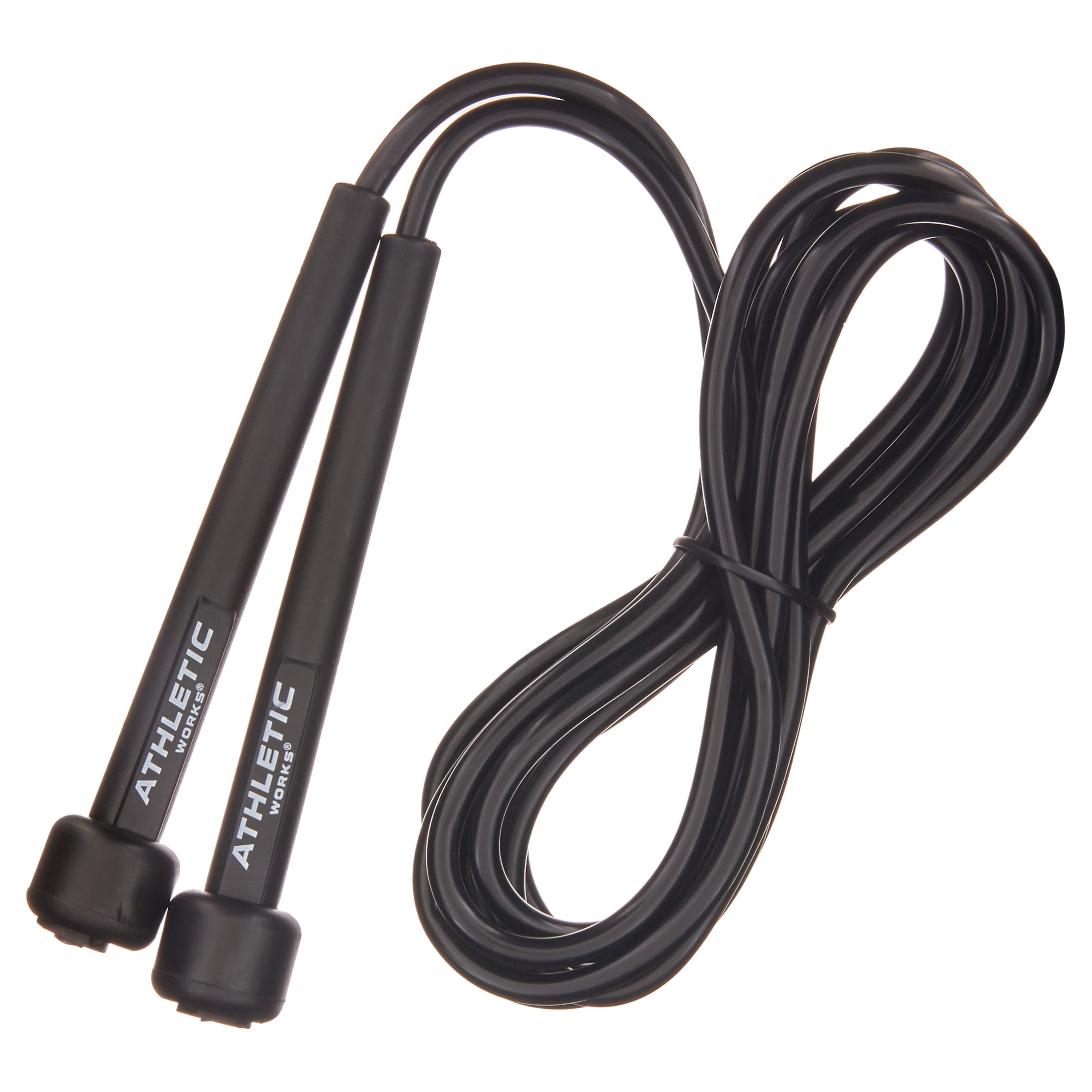
Speed Jump Rope
Jumping rope is a fantastic HIIT warm-up and high-intensity exercise that requires minimal equipment and burns a lot of calories.
Best for: Use it for a 2-minute warm-up round or as a work interval for a fun, challenging cardio burst.
Price Range: $10–$25
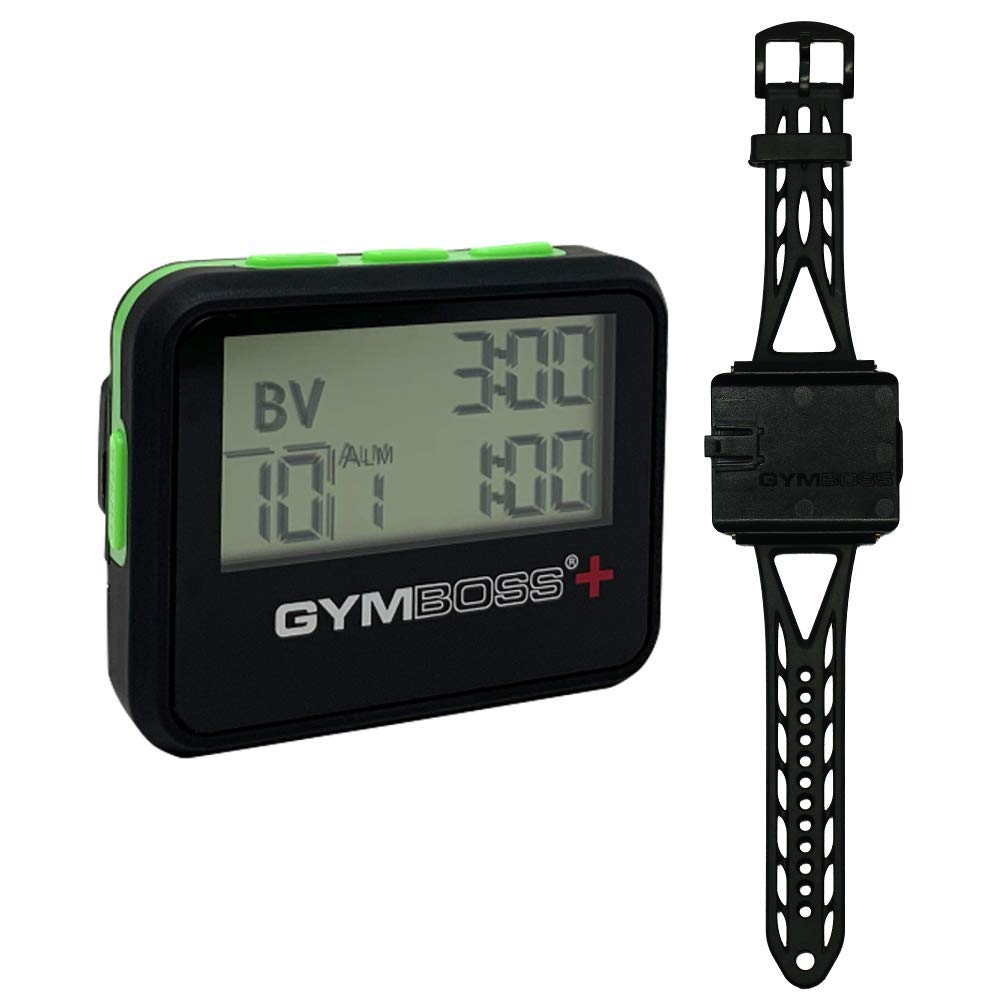
Interval Timer Watch
A dedicated interval timer with visual and vibratory alerts makes it easy to track work and rest periods without looking at your phone.
Best for: Set it to 30/60 seconds intervals and attach it to your water bottle or wrist; it beeps or vibrates when each phase ends.
Price Range: $25–$60
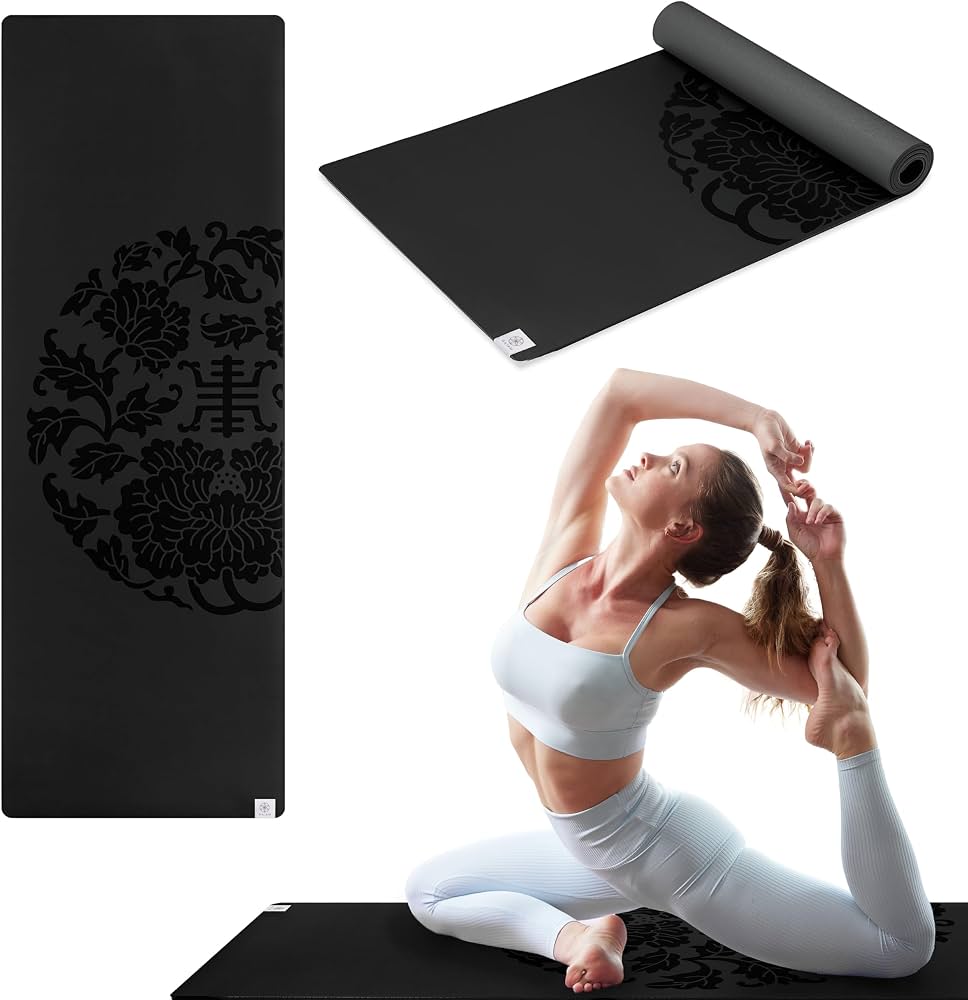
Non-Slip Yoga Mat
A thick, non-slip mat provides cushioning for floor exercises like mountain climbers, planks, and sit-outs, and protects your joints.
Best for: Place it on the floor for exercises that require lying down, kneeling, or jumping to reduce impact and prevent slipping.
Price Range: $15–$50
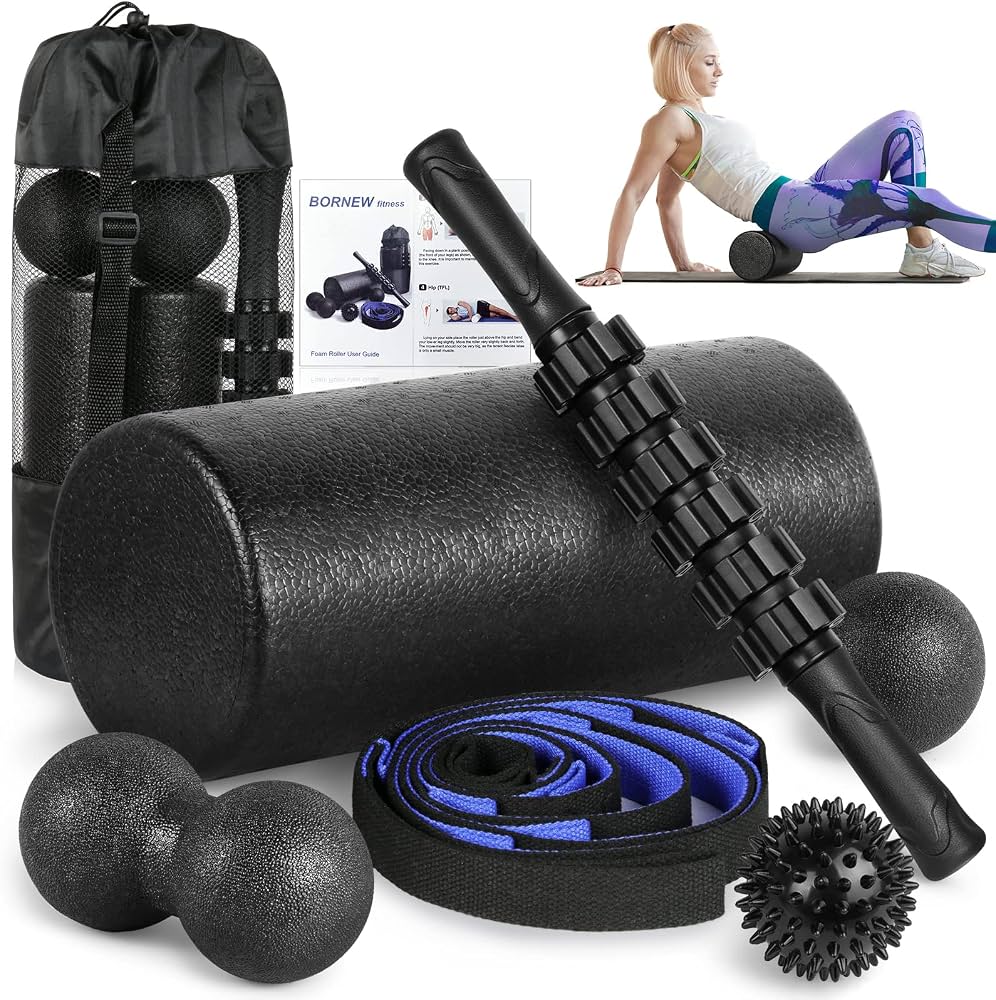
High-Density Foam Roller
Foam rolling helps reduce muscle soreness and improve recovery after intense interval sessions.
Best for: Use it for 5–10 minutes after your cool-down to roll out tight quads, hamstrings, and calves.
Price Range: $15–$40