Ever feel like your workouts aren't yielding the results you want? You're not alone—many beginners jump into exercise without a clear strategy, leading to plateaus or burnout. Heart rate zone training changes that by turning your heart rate into a personalized guide for effective training, ensuring you train at the right intensity for your goals.
In this guide, you'll learn the basics of heart rate zones, how to calculate them, and practical ways to apply them in your routine. Whether you're running, cycling, or hitting the gym, this method makes every session more efficient. Expect a straightforward explanation—no advanced math required—and you'll walk away ready to track your progress with confidence.
This explainer is designed for beginners, taking about 10-15 minutes to read. By the end, you'll understand why pros use this technique and how to start incorporating it today.
▸What You'll Need
- •Basic knowledge of exercise (e.g., what cardio means)
- •Access to a heart rate monitor or fitness tracker (optional but recommended for accuracy)
- •Calculator or app for estimating max heart rate
- •Notebook or app to log your zones
Estimated Time: 10-15 minutes to read and understand
Difficulty: beginner
▸Step-by-Step Instructions
Step 1: Understand the Basics of Heart Rate Zone Training
Heart rate zone training is a method that divides your heart rate into five specific zones based on your maximum heart rate (max HR). Each zone corresponds to a different exercise intensity and training benefit, like burning fat or building endurance. Instead of guessing how hard you're working, you use your heart rate to stay in the right zone for your goal.
This approach is scientific yet simple: your heart rate reflects how much oxygen your body uses during exercise. By targeting zones, you avoid under- or over-training. For beginners, it's like having a built-in coach on your wrist.
Why it matters: Random workouts might feel good but often miss targeted benefits. Zone training ensures efficiency, reducing injury risk and speeding up progress.
💡 Tips:
- •Start with low-intensity zones to build a base before advancing.
⚠️ Warnings:
- •Don't rely solely on perceived effort—use a monitor for accuracy.
Step 2: Calculate Your Maximum Heart Rate
Your max HR is the highest beats per minute (BPM) your heart can reach during intense exercise. A common formula for beginners is 220 minus your age—for a 30-year-old, that's 190 BPM. This is an estimate; for precision, do a field test like a 5K run at full effort and note your peak.
Why calculate it? All zones are percentages of this number. Without it, your zones will be off, leading to ineffective training. Apps on fitness trackers can automate this.
Expect some variation—factors like fitness level affect it. Recalculate yearly as you get fitter.
💡 Tips:
- •Use an online calculator for quick estimates if math isn't your thing.
⚠️ Warnings:
- •Consult a doctor if you have health conditions before max efforts.
Step 3: Break Down the Five Heart Rate Zones
Zone 1 (50-60% of max HR): Light effort for warm-ups or recovery, great for beginners to build aerobic base without fatigue.
Zone 2 (60-70%): The 'fat-burning' zone—ideal for longer sessions to improve endurance and burn calories efficiently.
Zone 3 (70-80%): Aerobic zone for steady cardio, boosting heart and lung capacity during moderate runs or cycles.
Zone 4 (80-90%): Anaerobic threshold—high intensity for speed and power, like intervals, but challenging for newbies.
Zone 5 (90-100%): Maximum effort for short bursts, used sparingly to push limits and improve VO2 max.
These zones guide your workout: Spend most time in 2-3 for balanced training.
💡 Tips:
- •Visualize zones as traffic lights: Green for easy, yellow for moderate, red for hard.
Step 4: Learn How to Monitor Your Heart Rate
Use a chest strap, wrist-based optical sensor, or smartwatch to track real-time heart rate. Fitness trackers display your current BPM and alert when you enter/exit zones.
Why monitor? Manual pulse checks are inaccurate during movement. Devices make it seamless, logging data for review.
For beginners, start with wrist trackers—they're comfortable and app-integrated. Pair with apps like Strava for zone analysis.
💡 Tips:
- •Wear devices snugly for accurate readings, especially on wrists.
⚠️ Warnings:
- •Optical sensors can falter in cold weather or with tattoos—consider a strap backup.
Step 5: Apply Zones to Your Workouts
Plan sessions by goal: Fat loss? Stay in Zone 2 for 30-45 minutes. Endurance? Mix Zones 2-3. Set tracker alarms to stay on target.
Why apply it? It personalizes training—e.g., a Zone 2 jog might feel easy but torches fat better than high-intensity alone.
Track progress: Over weeks, you'll handle higher zones longer, showing improvement. Adjust as fitness grows.
💡 Tips:
- •Alternate days: Easy Zone 1-2 recovery, harder Zone 3-4 pushes.
⚠️ Warnings:
- •Don't jump to Zone 5 without warming up—risks dizziness or strain.
Step 6: Track and Adjust Your Progress
Log workouts in an app to see time spent per zone. Review weekly: More Zone 2? Great for base-building.
Why track? It reveals patterns, like if you're always in Zone 1 (too easy). Adjust by increasing pace or duration.
For long-term success, retest max HR every 3-6 months. Beginners often see quick gains, motivating consistency.
💡 Tips:
- •Use free apps like Google Fit to start without buying gear.
▸Pro Tips
- •Breathe deeply in lower zones to maintain steady heart rate.
- •Hydrate well—dehydration spikes heart rate, pushing you out of zones.
- •Combine with perceived effort: If Zone 2 feels too hard, slow down.
- •Warm up in Zone 1 for 5-10 minutes to prevent injury.
- •Set weekly goals, like 80% of training in Zones 1-3 for recovery.
- •Pair with nutrition: Fuel Zone 4+ with carbs for sustained energy.
- •Listen to your body—slight adjustments beat rigid rules.
▸Common Mistakes to Avoid
- •Using generic zones without calculating personal max HR, leading to mismatched intensities—avoid by doing the 220-age formula first.
- •Ignoring recovery: Spending too much time in high zones causes burnout—balance with 70% low-intensity sessions.
- •Relying on uncalibrated devices for readings, resulting in errors—test accuracy against manual checks.
- •Neglecting to update zones as fitness improves, stalling progress—retest max HR periodically.
- •Overcomplicating with advanced tests early—stick to basics for beginners to build confidence.
▸Troubleshooting
Problem: Heart rate readings seem too high or low during exercise
Solution: Check device fit and cleanliness; try a different monitor or manual pulse for verification. Factors like caffeine or stress can influence—rest and retest.
Problem: Struggling to stay in target zone
Solution: Adjust pace or terrain gradually. If too hard, shorten sessions; build tolerance over time. Consult a trainer if persistent.
Problem: Fatigue after starting zone training
Solution: Ease in with more Zone 1-2 days. Ensure sleep and nutrition support recovery. See a doctor if symptoms like chest pain occur.
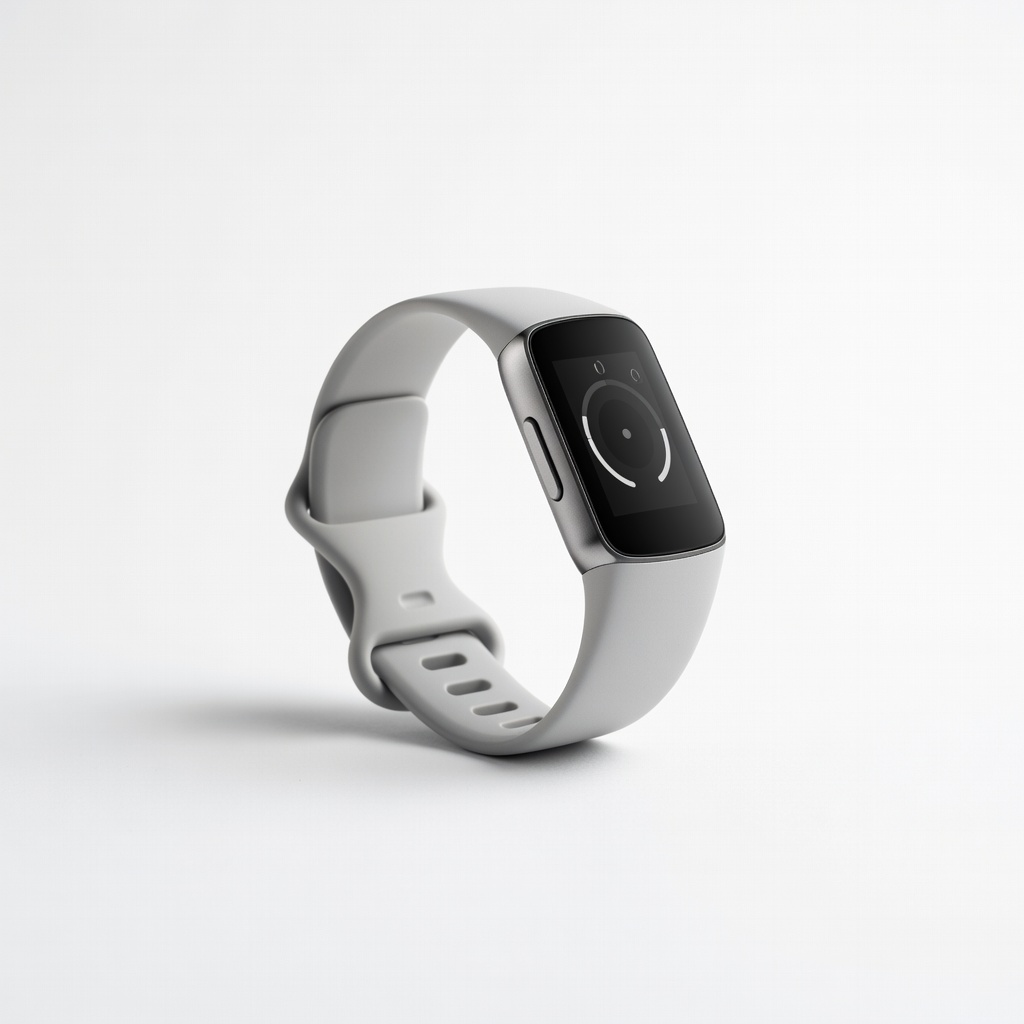
Fitbit Charge 5
Affordable wrist tracker with built-in heart rate zones, GPS, and app integration for beginners to easily monitor and log workouts.
Best for: Daily cardio sessions like walking or jogging to stay in fat-burning Zone 2 without complex setup.
Price Range: $130-$150
Garmin Forerunner 55
Beginner-friendly running watch that auto-detects zones, provides training suggestions, and tracks progress accurately.
Best for: Structured runs or cycles where you need real-time zone alerts and post-workout analysis.
Price Range: $150-$200
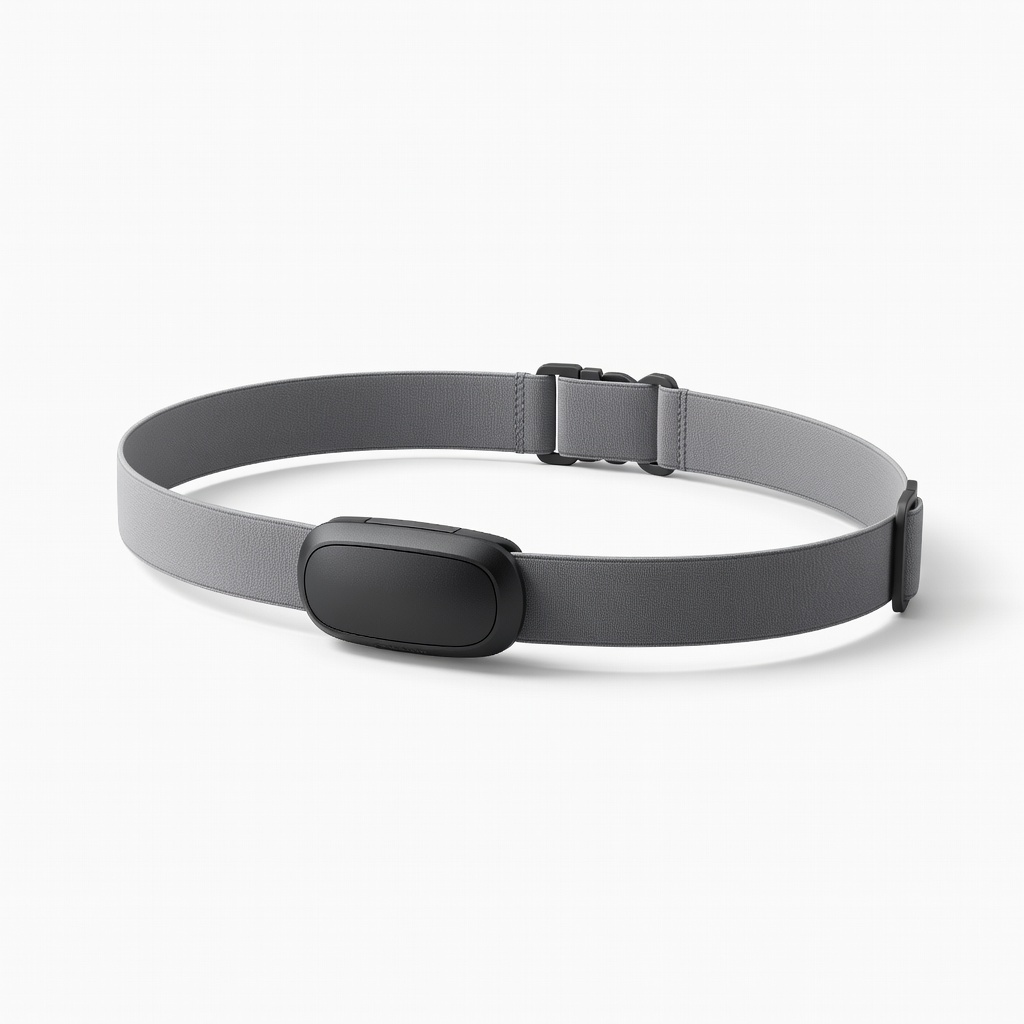
Polar H10 Heart Rate Monitor
Chest strap for precise ECG-accurate readings, compatible with phones and trackers—ideal if wrist sensors aren't reliable.
Best for: High-intensity interval training in Zones 4-5 for accurate data during sweaty workouts.
Price Range: $80-$90
Apple Watch Series 9
Seamless iOS integration with zone training features, ECG, and motivational rings to keep beginners engaged.
Best for: All-day tracking for gym, yoga, or outdoor activities, with detailed health insights.
Price Range: $350-$400