
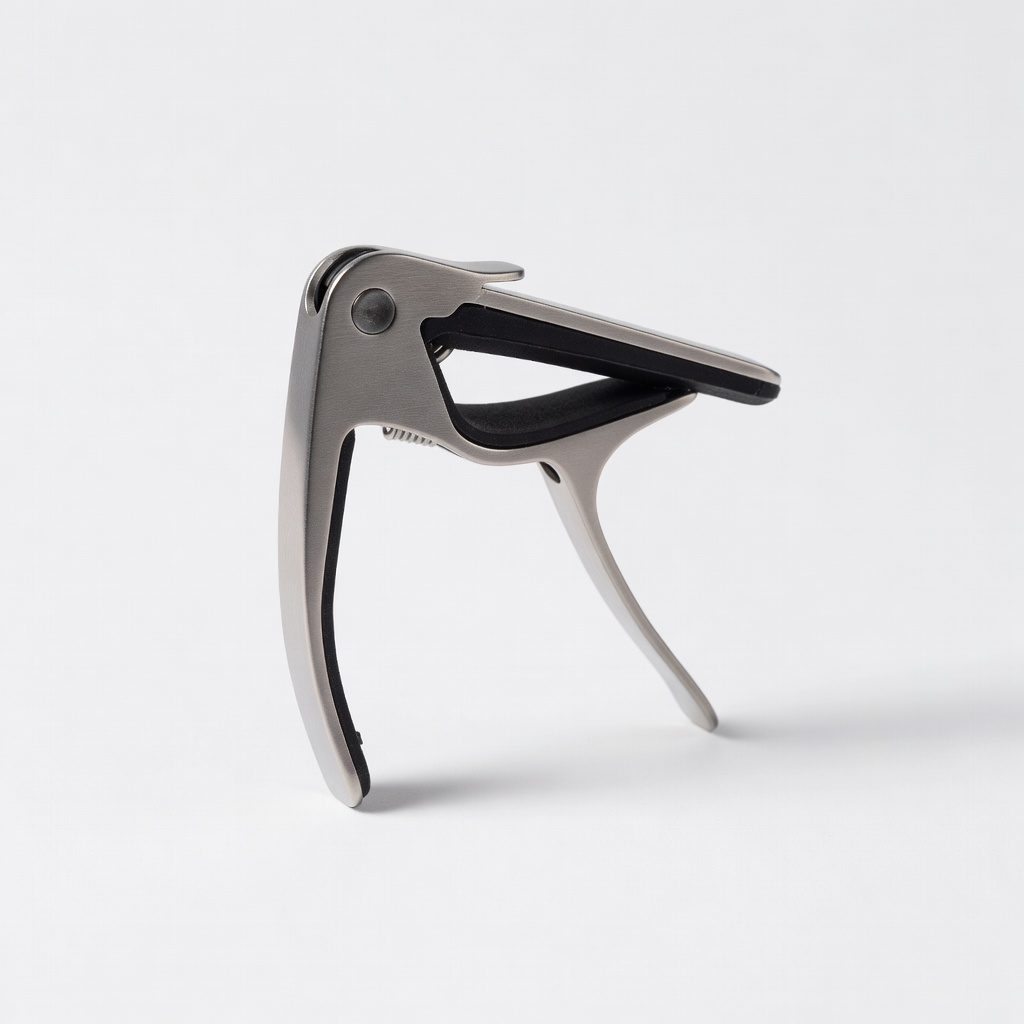
Shubb C1 Steel String Capo
Daily practice or gigs needing perfect intonation.
$18-$22
Shubb C1 Steel String Capo Gold standard for acoustics—lever adjusts precise pressure, rubber pad preserves tone without buzz.
Get the App
Better experience on mobile
Master guitar capos: learn what they are, how to use them for easy key changes on acoustic guitars, and top beginner models in under 15 minutes.
Ever struggled to play your favorite songs on acoustic guitar because they're in a tricky key? A capo is your secret weapon—it lets you transpose songs instantly without learning complex barre chords or retuning every string.
In this beginner guide, you'll learn exactly what a guitar capo is, how it works like a 'movable nut,' step-by-step usage for tuning and playing, and the best models to buy. No prior experience needed; it's simple physics and a quick clamp. Expect to experiment hands-on in 10-15 minutes and sound pro right away.
Whether you're covering Ed Sheeran tunes or jamming folk songs, capos make acoustic guitar more fun and versatile.
Estimated Time: 10-15 minutes to read and practice Difficulty: beginner
A guitar capo (short for 'capotasto,' Italian for 'head tie') is a small device that clamps across all six strings on your fretboard, acting like a movable nut. It shortens the vibrating length of each string, raising the pitch uniformly—typically by the number of frets it's placed behind.
Analogy: Imagine your guitar nut as a fixed starting line. The capo moves that line up the neck, so open chords now sound like higher chords (e.g., capo on 2nd fret: G shape sounds like A). This is huge for beginners transposing songs without barre chords.
Expect brighter tone on acoustic guitars, but use sparingly to avoid string tension issues.
💡 Tips:
Placing a capo on fret N raises pitch by N semitones. Capo 1: +1 semitone (G becomes G#). Capo 2: +2 (G to A). Tune your guitar normally with the capo on for accurate open-chord playing.
Why it matters: Matches vocal ranges or other instruments. Example: Song in A major? Capo 2, play G shapes—easy!
On acoustics, it mimics higher tunings without retuning each string individually.
💡 Tips:
Types: Clamp/squeeze (quick, like Kyser—great for beginners), lever/radius (precise, like Shubb—best tone), elastic (cheap but sloppy). For acoustics, pick curved/radius models to match neck curve and avoid muting strings.
Why? Flat capos buzz on curved acoustic necks. Test pressure: firm but not choking strings.
⚠️ Warnings:
Pro check: Press string at capo and next fret; no buzz. Adjust for even pressure.
💡 Tips:
Capo simulates new 'open' tuning. Retune: Capo on → tune to EADGBE as if open. It transposes automatically.
Example: Capo 5 for drop-D vibe without retuning. Use tuner on each 'open' string post-capo.
Result: Clean, higher-pitched chords ready for songs.
⚠️ Warnings:
Find song key (e.g., capochart.com). Match with capo position. Play familiar shapes.
Example: 'Wonderwall' capo 2, G shapes = A chords. Remove capo carefully to avoid flop.
💡 Tips:
Release clamp, slide off gently. Store tension-free to preserve padding. Clean fretboard residue monthly.
Expect slight detuning post-removal—retune as needed.
Problem: Strings buzz or sound dull
Solution: Reposition slightly behind fret; check even pressure on all strings. Use tuner to verify intonation.
Problem: Capo slips during play
Solution: Clean neck oils; upgrade to lever-style like Shubb for grip. Avoid over-sweaty hands.
Problem: High action after capoing
Solution: Use lighter capo pressure or check guitar setup—truss rod may need pro adjustment.
Problem: Out-of-tune higher frets
Solution: Quality capos maintain intonation; tune with capo on and check at 12th fret harmonic.
Gold standard for acoustics—lever adjusts precise pressure, rubber pad preserves tone without buzz.
Best for: Daily practice or gigs needing perfect intonation.
Price Range: $18-$22
Fastest squeeze-on/off for beginners; curved for acoustic necks, durable aluminum.
Best for: Live performances or quick song changes.
Price Range: $13-$18
Adaptive radius technology auto-adjusts to neck curve; superior tone retention.
Best for: Pro-level recording where every nuance matters.
Price Range: $45-$55
Budget-friendly, lightweight nylon won't dent frets; easy trigger release.
Best for: Casual beginners testing capos without commitment.
Price Range: $8-$12
Daily practice or gigs needing perfect intonation.
Shubb C1 Steel String Capo Gold standard for acoustics—lever adjusts precise pressure, rubber pad preserves tone without buzz.
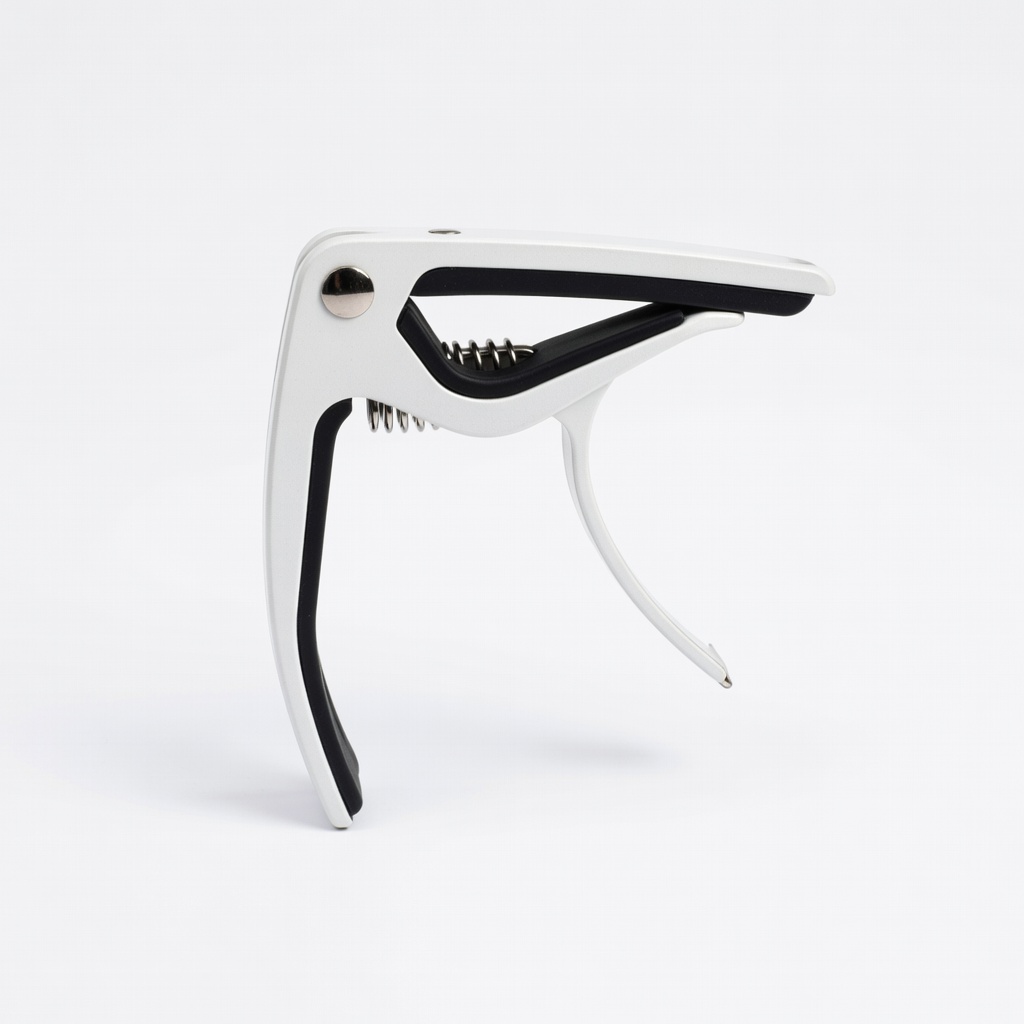
Live performances or quick song changes.
Kyser Quick-Change KG6GD Capo Fastest squeeze-on/off for beginners; curved for acoustic necks, durable aluminum.
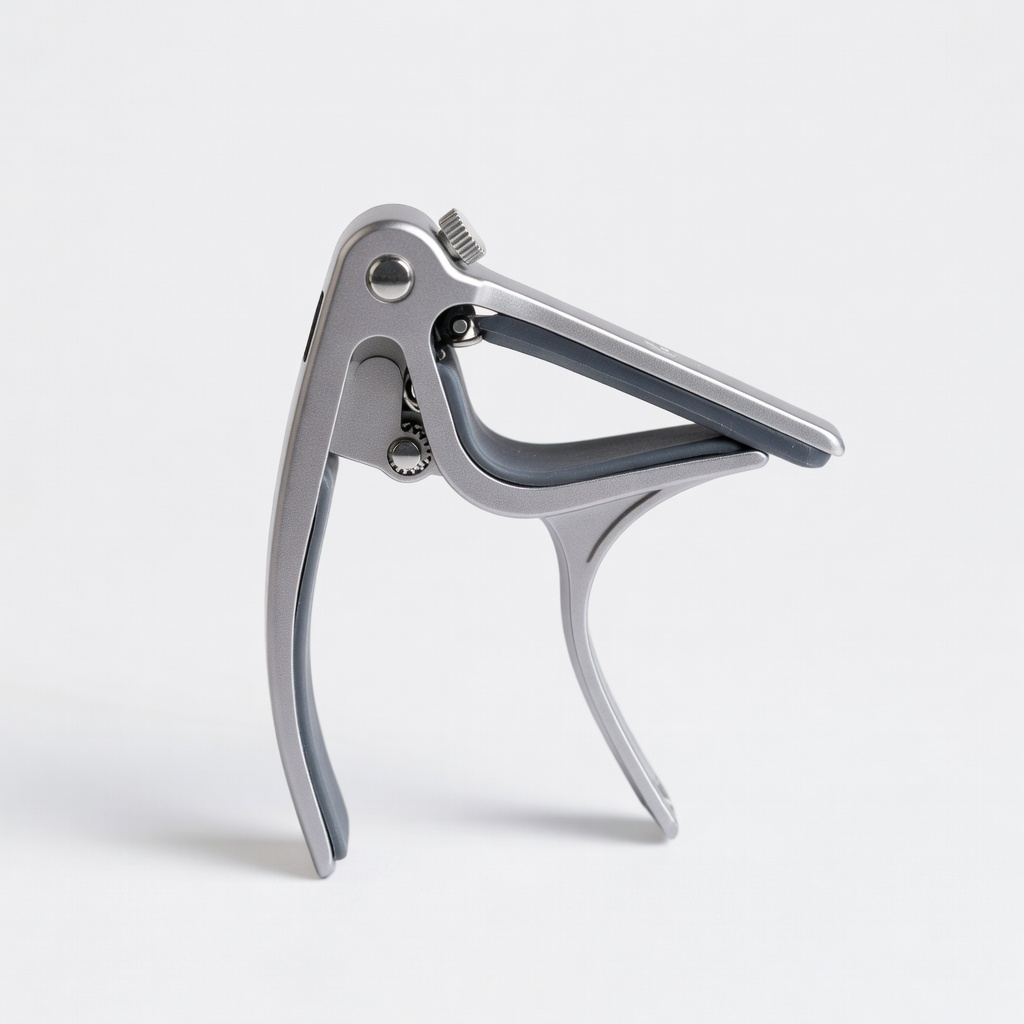
Pro-level recording where every nuance matters.
G7th Performance 3 ART Capo Adaptive radius technology auto-adjusts to neck curve; superior tone retention.
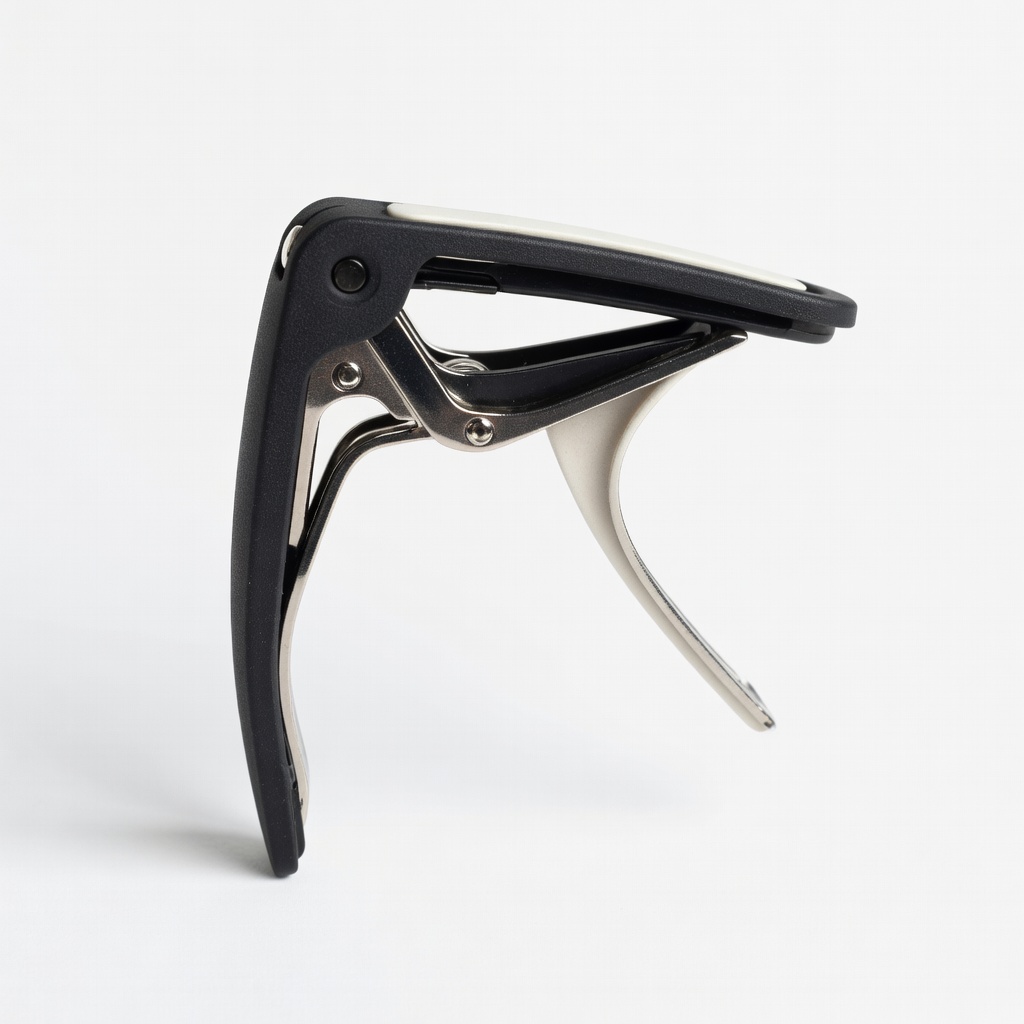
Casual beginners testing capos without commitment.
Jim Dunlop Nylon Trigger Capo Budget-friendly, lightweight nylon won't dent frets; easy trigger release.