Imagine standing in a serene river, the mist rising from the water as you gracefully cast your line toward a rising trout. Fly fishing isn't just a way to catch fish—it's a meditative connection to nature that reduces stress and builds patience. For beginners, the allure lies in its elegance, but the learning curve can feel intimidating without guidance.
In this guide, you'll discover what fly fishing truly is, why it's different from traditional fishing, and master basic techniques to get you started. We'll break down the equipment, core skills like casting, and simple strategies for success. By the end, you'll have the knowledge to head to your local stream and make your first casts.
Expect this to be beginner-friendly—no prior experience needed. Reading takes 15-20 minutes, but practicing the basics might add 30-60 minutes on the water or lawn. With patience, you'll be hooking fish in no time.
▸What You'll Need
- •Fly rod (9-foot, 5-weight recommended for beginners)
- •Fly reel matched to the rod
- •Fly line (weight-forward floating line)
- •Leader (9-foot tapered nylon or fluorocarbon)
- •Tippet (for attaching flies)
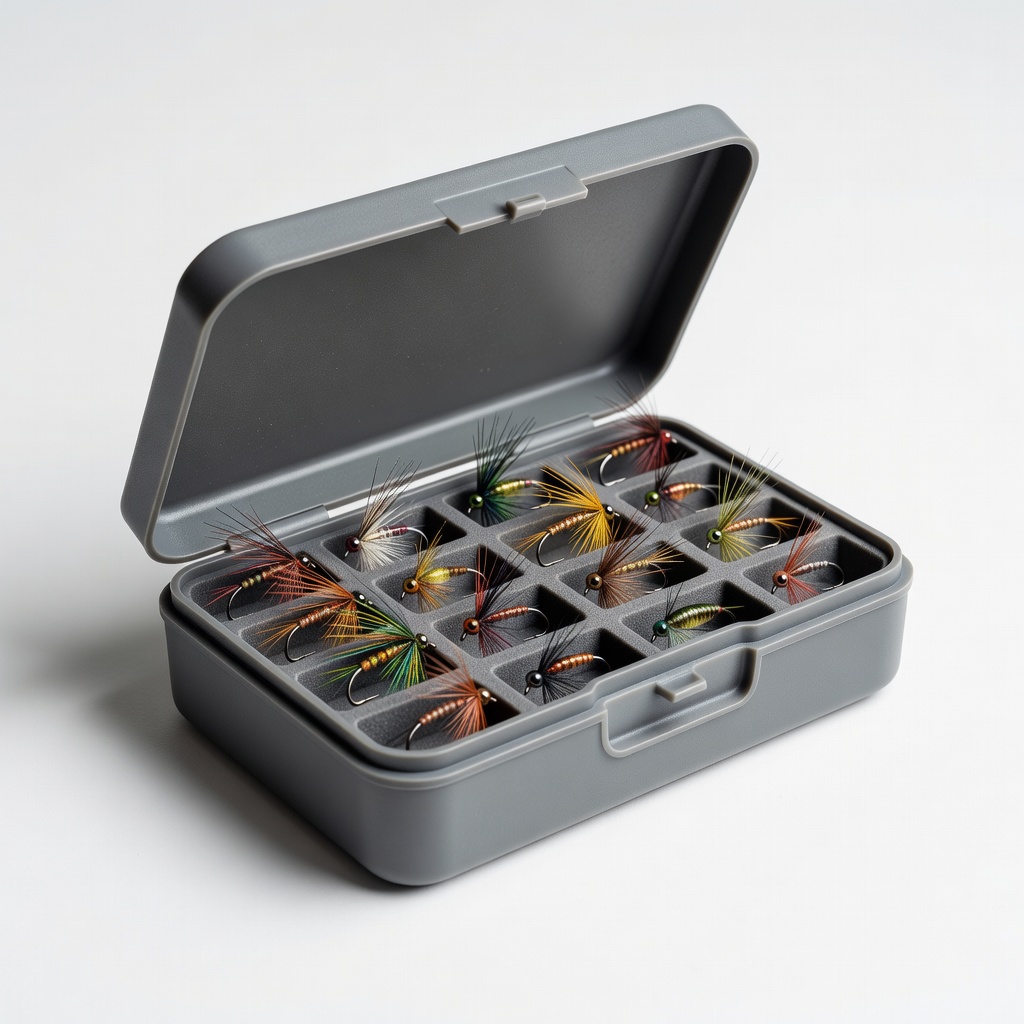
- •Assorted flies (dry flies, nymphs, streamers)
- •Waders and boots (optional for water entry)
- •Fishing vest or pack for accessories
- •Prerequisite: Basic understanding of local fishing regulations and ethics
Estimated Time: 30-60 minutes to read and practice basics
Difficulty: beginner
▸Step-by-Step Instructions
Step 1: Understand What Fly Fishing Is
Fly fishing is a method of angling where a weighted artificial fly is cast using a fly rod, reel, and specialized fly line. Unlike traditional fishing, which uses bait or lures sunk with heavy line, fly fishing mimics insects on the water's surface or subsurface, relying on the line's weight for casting momentum.
This technique originated in ancient times but gained popularity in the 19th century with writers like Izaak Walton. It's popular for targeting trout, salmon, and other species in rivers, streams, and lakes. The 'fly' is lightweight, so the thick, buoyant fly line does the work—think of it like throwing a feather with a rope attached.
Why it matters: Fly fishing emphasizes skill over strength, fostering a rhythmic, almost artistic approach. Expect a sense of accomplishment as you learn to 'present' the fly naturally to fish.
💡 Tips:
- •Start by watching free online videos to visualize the motion.
⚠️ Warnings:
- •Don't confuse it with spin fishing; the gear is specialized.
Step 2: Gather Basic Equipment
You'll need a fly rod, typically 8-10 feet long with a medium action for beginners, paired with a matching reel and weight-forward fly line. Add a leader (tapered line connecting fly line to fly) and tippet for fine adjustments.
Flies are the lures: dry flies float on top, nymphs imitate underwater larvae, and streamers mimic baitfish. Start with a small assortment. Waders keep you dry in water, but they're optional for bank fishing.
This setup costs $100-300 for basics. Why it matters: Proper gear ensures smooth casting and fish-catching without frustration. Expect to assemble it simply—rod sections screw together, line winds on the reel.
💡 Tips:
- •Buy a combo kit to save money and ensure compatibility.
⚠️ Warnings:
- •Avoid cheap, mismatched gear; it leads to tangles and poor performance.
Step 3: Learn to Rig Your Rod
Attach the reel to the rod's cork handle by securing the reel seat. String the fly line through the rod guides, starting from the tip-top guide down to the reel.
Connect the leader to the fly line using a nail knot or loop connection, then add tippet with a blood knot. Finally, tie on a fly with a clinch or improved clinch knot. This creates a tapered system for delicate presentations.
Why it matters: A well-rigged setup prevents line breakage and allows accurate casts. Expect 10-15 minutes for your first rig; practice on grass to avoid water mishaps.
💡 Tips:
- •Use pre-looped leaders for quicker setup.
⚠️ Warnings:
- •Double-check knots; weak ones lose fish.
Step 4: Master the Basic Overhead Cast
Hold the rod with your thumb on top for control. Start with 20-30 feet of line on the water or grass. Accelerate the rod back to the 1 o'clock position (behind you), pausing to let the line straighten, then snap forward to 10 o'clock, stopping abruptly to form a loop that unrolls toward the target.
This is the foundation of fly casting—like cracking a whip, but controlled. Practice the 'pick up and lay down' for short casts. Why it matters: Good casting places the fly without spooking fish. Expect loops to form awkwardly at first; aim for straight, tight lines.
Repeat 20-30 times per session to build muscle memory.
💡 Tips:
- •Keep your wrist firm but not rigid for smoother loops.
⚠️ Warnings:
- •Don't rush the pause; it causes tailing loops and tangles.
Step 5: Practice Roll Casting for Tight Spaces
For when overhead casts aren't possible (e.g., overhanging trees), use the roll cast: Start with line on the water, lift the rod to 11 o'clock, then roll it forward sharply to 2 o'clock, letting the line 'roll' out in a wave.
This technique straightens line without backcast space. Why it matters: Versatility in varied environments increases success. Expect a softer delivery; it's great for nymphs. Practice alternating with overhead for fluidity.
💡 Tips:
- •Use it to dry wet flies too— the roll straightens and dries the line.
⚠️ Warnings:
- •Overpowering causes sloppy rolls; use smooth acceleration.
Step 6: Select and Present Flies
Match the hatch: Observe insects on the water and choose similar flies (e.g., elk hair caddis for mayflies). Cast upstream and let the fly drift naturally with the current, mending the line (flipping upstream) to avoid drag.
Presentation is key—delicate, drag-free drifts fool fish. Why it matters: Right fly and placement trigger strikes. Expect trial and error; start with attractors like woolly buggers if unsure.
💡 Tips:
- •Carry a fly box with 6-12 patterns for variety.
⚠️ Warnings:
- •Heavy casts scare fish; aim for soft landings.
Step 7: Read the Water and Set the Hook
Look for seams (current edges), riffles (shallow fast water), and pools (deeper slow areas) where fish hold. Cast to likely spots, watch for rises or takes.
When a fish hits, lift the rod tip sharply to set the hook—don't yank. Reel in steadily, keeping tension. Why it matters: Understanding water leads to more bites; proper setting avoids lost fish. Expect heart-pounding excitement on your first strike.
💡 Tips:
- •Fish early morning or evening for active trout.
⚠️ Warnings:
- •Releasing fish quickly preserves populations—wet hands before handling.
▸Pro Tips
- •Practice casting on a lawn before the water to build confidence without pressure.
- •Use polarized sunglasses to spot fish and structure underwater.
- •Start with larger, visible flies to see takes clearly.
- •Join a local fly fishing club for hands-on lessons and camaraderie.
- •Keep gear clean and dry after use to extend lifespan.
- •Log your outings: note weather, flies used, and successes for improvement.
- •Breathe steadily during casts to maintain rhythm and reduce fatigue.
▸Common Mistakes to Avoid
- •Overloading the rod with too much line early on, leading to exhaustion—start short and build up.
- •Ignoring local regulations, resulting in fines—always check fishing licenses and seasons.
- •Poor knot tying, causing lost gear or fish—practice knots daily until second nature.
- •Casting too hard, creating tailing loops—focus on smooth acceleration instead.
- •Not mending the line, allowing unnatural drift that spooks fish—mend early and often.
▸Troubleshooting
Problem: Line tangles during cast
Solution: Check for wind knots or improper rigging; strip line slowly and ensure smooth guides. Practice in calm conditions.
Problem: No bites despite good casts
Solution: Change flies to match hatch or try deeper presentations with split shot. Move spots if water seems barren.
Problem: Rod feels too stiff or whippy
Solution: Ensure rod weight matches your line (e.g., 5-weight rod for 5-weight line). Consult a shop for advice if persistent.
Problem: Can't unhook fish easily
Solution: Use hemostats or nippers; cut leader if needed for quick release. Seek pro help for complex snags.
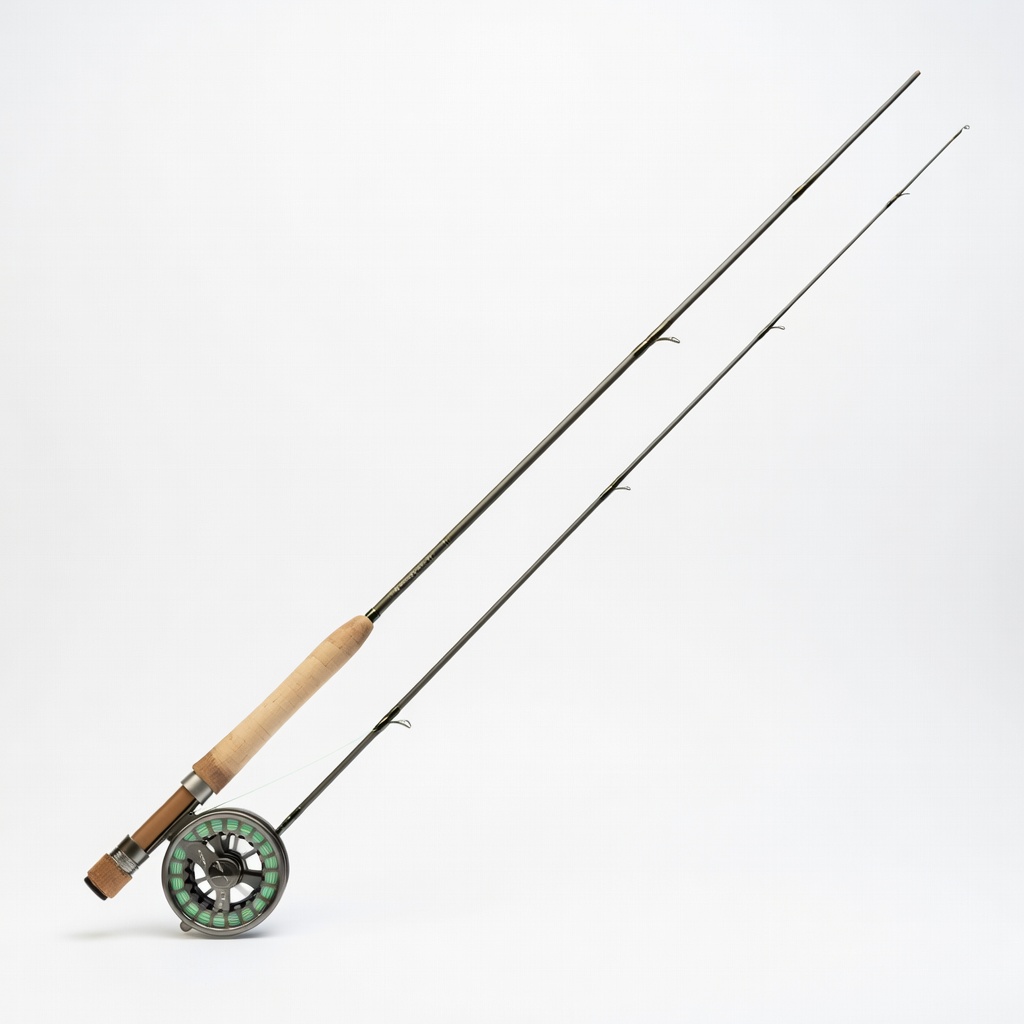
Redington Path II Fly Rod Combo
This affordable, pre-rigged outfit is perfect for beginners, providing balanced gear that simplifies setup and learning.
Best for: Ideal for your first outings on small streams targeting trout; includes rod, reel, and line.
Price Range: $150-$200
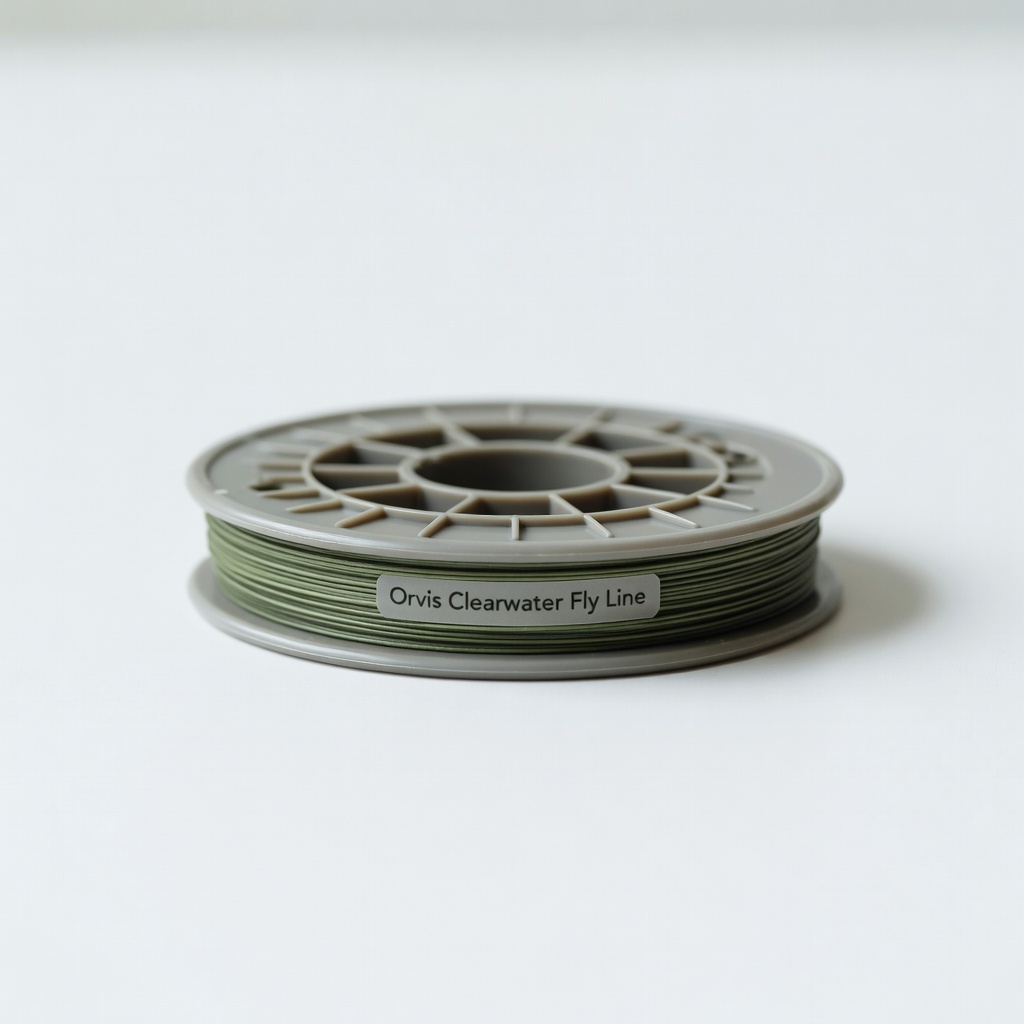
Orvis Clearwater Fly Line
High-quality weight-forward line with excellent floatation and distance, making basic casts easier and more accurate.
Best for: Use for overhead and roll casts in rivers; replaces basic line for better performance as skills grow.
Price Range: $50-$60
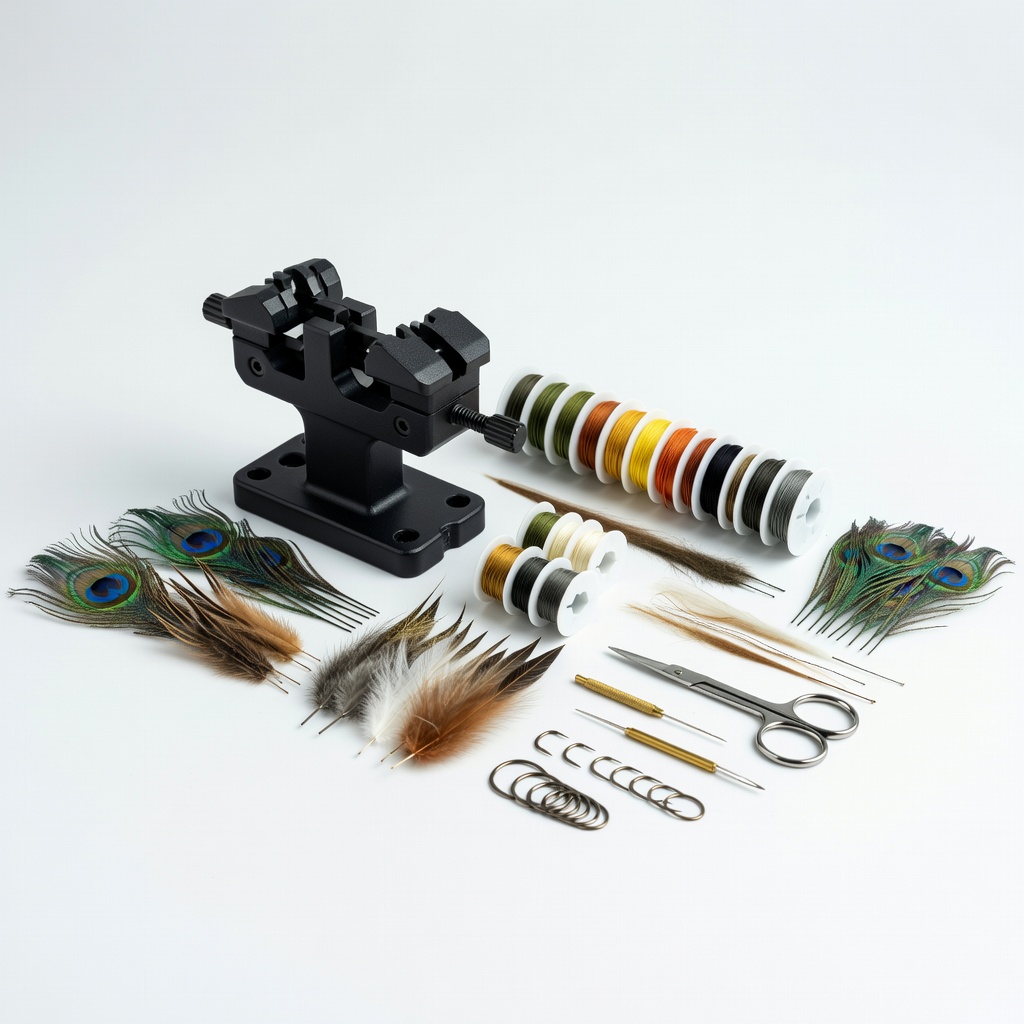
Wapsi Fly Tying Starter Kit
Allows customization of flies, saving money long-term and deepening understanding of what works.
Best for: After mastering basics, tie your own nymphs or dry flies at home for personalized fishing.
Price Range: $30-$50
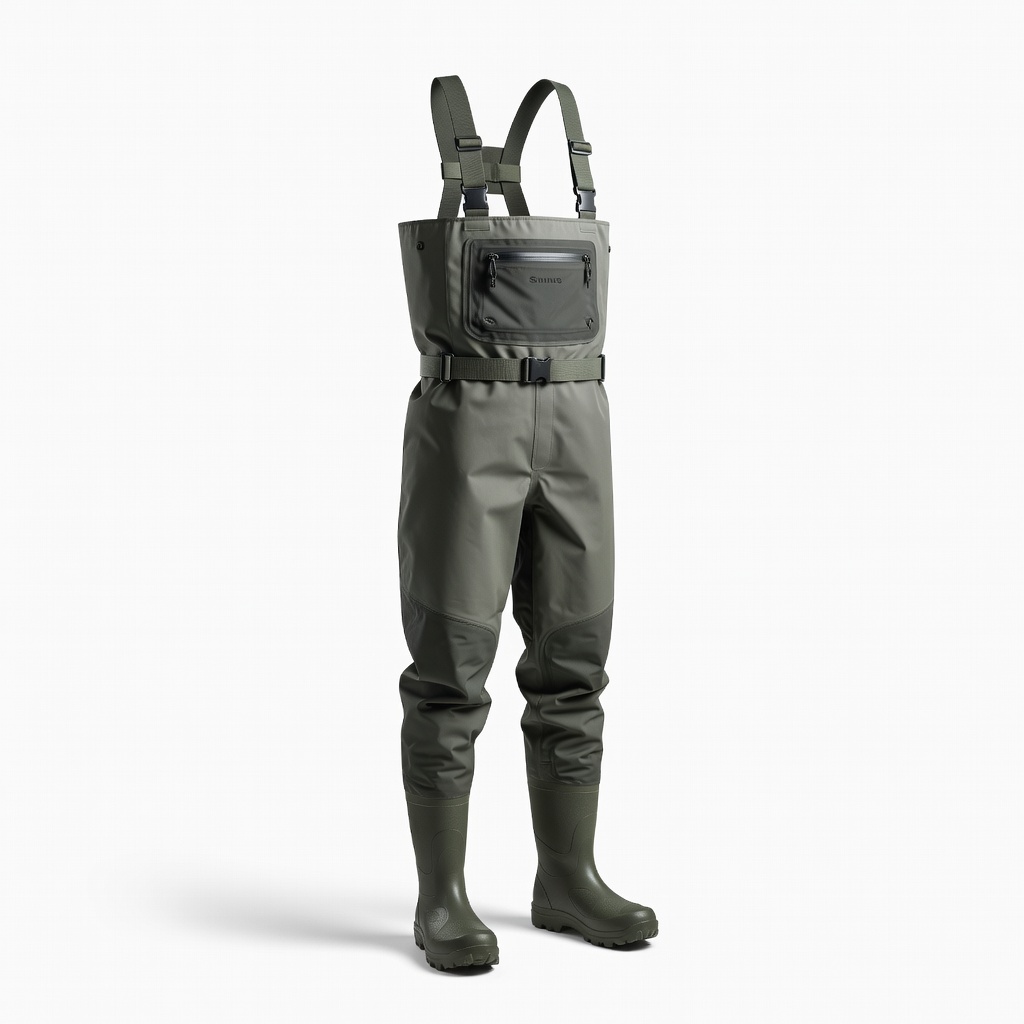
Simms Tributary Waders
Breathable and durable for entering water comfortably, essential for accessing prime fishing spots without getting soaked.
Best for: For wading in streams during cooler months; stock bootfoot style for easy use.
Price Range: $200-$250
Cliff Outdoors Fly Box
Slim, waterproof design organizes 6-12 dozen flies securely, preventing loss and making selection quick.
Best for: Carry essentials on the river; magnetic or foam inserts keep flies accessible.
Price Range: $20-$30