
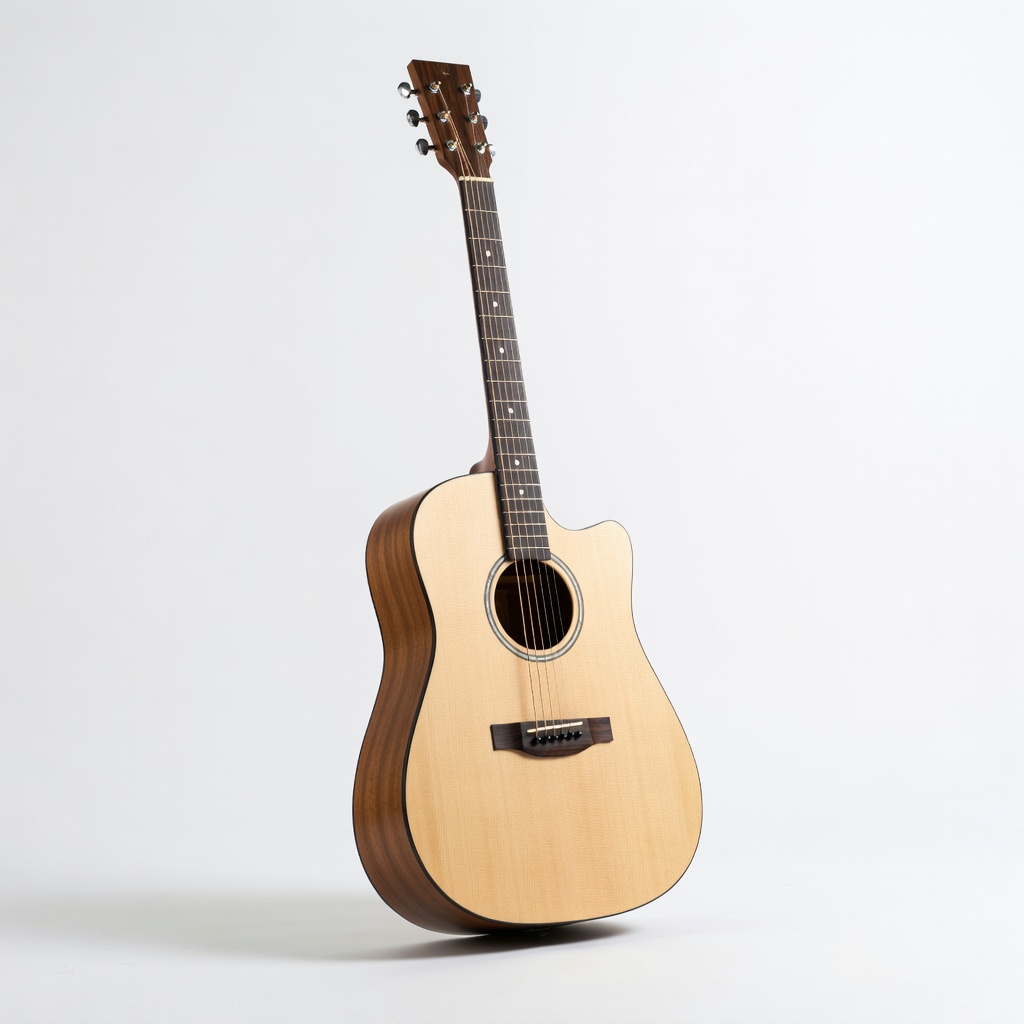
Yamaha FG800 Acoustic Guitar
Daily practice and first fingerstyle songs.
$200-$250
Yamaha FG800 Acoustic Guitar Excellent beginner acoustic with balanced tone ideal for fingerstyle projection.
Get the App
Better experience on mobile
Unlock the beautiful, melodic world of fingerstyle on acoustic guitar and learn to play songs using just your fingers—no pick required.
If you're a beginner strumming basic chords on your acoustic guitar, fingerstyle technique might feel like magic. It lets you create full, rich arrangements with melodies, basslines, and harmonies all from your fingertips, turning simple tunes into captivating performances. Famous players like Tommy Emmanuel and Sungha Jung make it look effortless, but it's accessible to anyone willing to practice.
In this guide, you'll learn what fingerstyle is, its history, core techniques, and how to start playing right away. We'll break it down step-by-step from basics to simple patterns, so you can understand and try it in under an hour. No prior experience beyond holding a guitar needed—perfect for beginners!
Estimated Time: 30-45 minutes to read and practice basics Difficulty: beginner
Fingerstyle guitar technique involves plucking the strings directly with your fingers (usually thumb, index, middle, and ring) instead of using a pick. On acoustic guitars, it emphasizes independence between the thumb (for bass notes) and fingers (for melody and harmony). This creates polyphonic music—multiple independent lines at once—like a one-person band.
Why it matters: Unlike strumming, fingerstyle unlocks intricate arrangements of folk, blues, classical, and pop songs. Expect a fuller, more expressive sound from your acoustic guitar.
💡 Tips:
Originating from classical guitar and folk traditions, fingerstyle gained fame through players like Chet Atkins and Merle Travis in the 20th century. Today, it spans genres: Travis picking (alternating bass), classical (Segovia-style), percussive (Jon Gomm), and modern pop covers.
Key takeaway: Acoustic guitars shine here due to their resonant bodies amplifying nuanced finger dynamics. You'll recognize it in songs like 'Blackbird' by The Beatles.
Rest your right thumb on the low E string (6th) and position fingers over the top three strings (G, B, high E). Keep your wrist relaxed and straight—imagine shaking hands with your guitar. Pluck with fingertips or nails, depending on tone preference (nails for brighter, flesh for warmer).
Why it matters: Proper position prevents strain and ensures clean notes. Expect initial awkwardness, but it smooths with practice.
💡 Tips:
⚠️ Warnings:
The thumb alternates between root notes of chords (e.g., low E and A for Am chord). Practice: Thumb on 6th string open (E), then fingers pluck G-B-E strings together.
This 'alternating bass' is the foundation—think boom-chuck rhythm but with fingers. You'll feel the groove emerge quickly.
Index plucks B string, middle G, ring high E (P-I-M pattern, classical naming: thumb=P, index=I, middle=M). Try a simple Am arpeggio: Thumb E (6th), I on B (5th fret), M on G (2nd fret), ring on high E open.
Pro tip: Sync with thumb for flowing patterns. Songs like 'House of the Rising Sun' start here.
💡 Tips:
Travis Picking: Thumb alternates bass, fingers pinch treble pairs.
Arpeggio: Sweep through chord notes sequentially.
Play along to tabs online—expect melodies to 'sing' from your acoustic.
Gradually increase tempo while varying volume (piano to forte). Use lighter strings for easier fretting.
Result: Expressive playing that captivates listeners.
⚠️ Warnings:
Problem: Fingers buzz or sound muddy
Solution: Press strings firmly with left hand; lighten right-hand attack.
Problem: Thumb overpowers melody
Solution: Soften thumb volume; focus 60% fingers.
Problem: Hand cramps after 10 minutes
Solution: Stretch fingers; take 1-min breaks; check posture.
Problem: No clear melody
Solution: Isolate thumb vs. fingers; practice separately.
Excellent beginner acoustic with balanced tone ideal for fingerstyle projection.
Best for: Daily practice and first fingerstyle songs.
Price Range: $200-$250
Accurate, easy-to-use tuner stays on headstock for quick tuning during practice.
Best for: Keep guitar in tune for clean fingerstyle notes.
Price Range: $12-$15
Smooth feel, long-lasting tone perfect for fingerpicking without finger fatigue.
Best for: Upgrade stock strings for brighter, easier playability.
Price Range: $12-$15
Step-by-step beginner lessons with tabs and audio.
Best for: Structured learning beyond this guide.
Price Range: $15-$20
Precision capo for transposing fingerstyle songs without barre fatigue.
Best for: Match vocal range or song keys.
Price Range: $20-$25
Daily practice and first fingerstyle songs.
Yamaha FG800 Acoustic Guitar Excellent beginner acoustic with balanced tone ideal for fingerstyle projection.
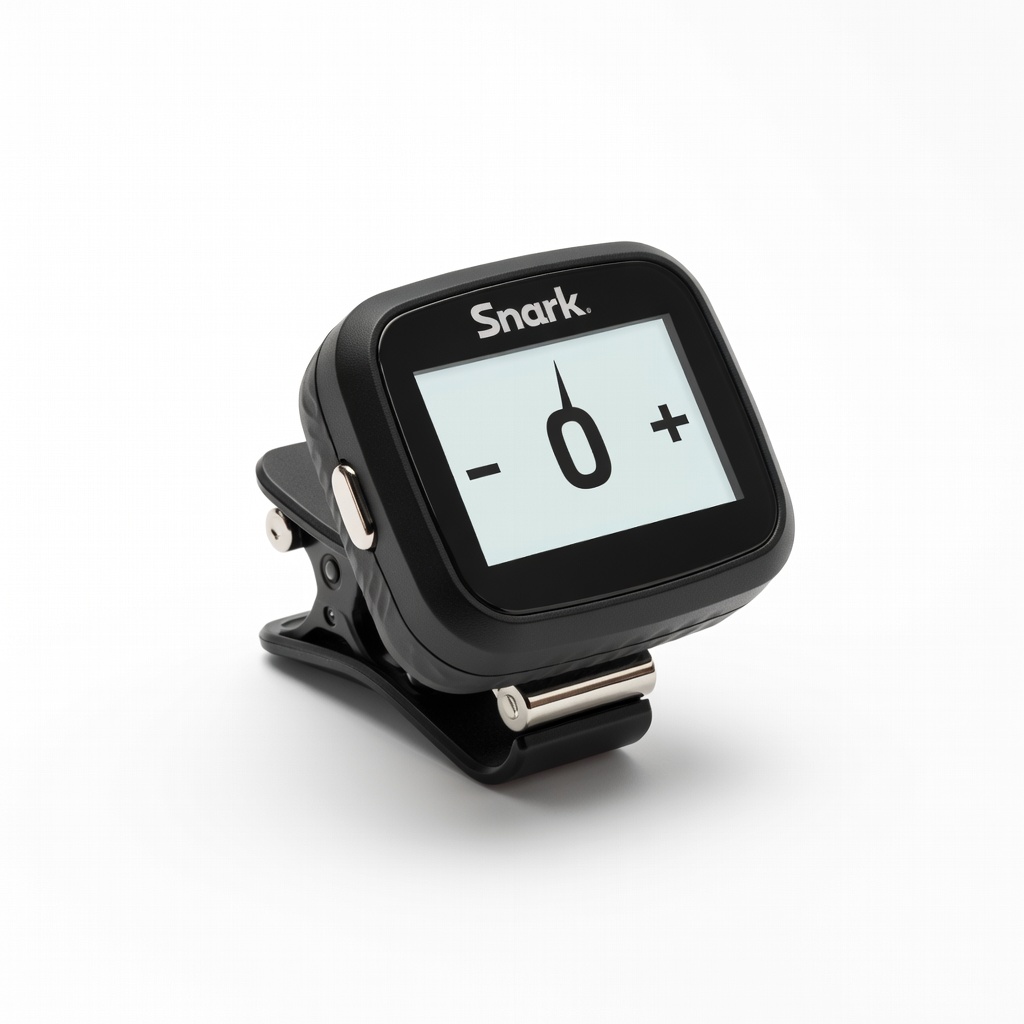
Keep guitar in tune for clean fingerstyle notes.
Snark SN5X Clip-On Tuner Accurate, easy-to-use tuner stays on headstock for quick tuning during practice.
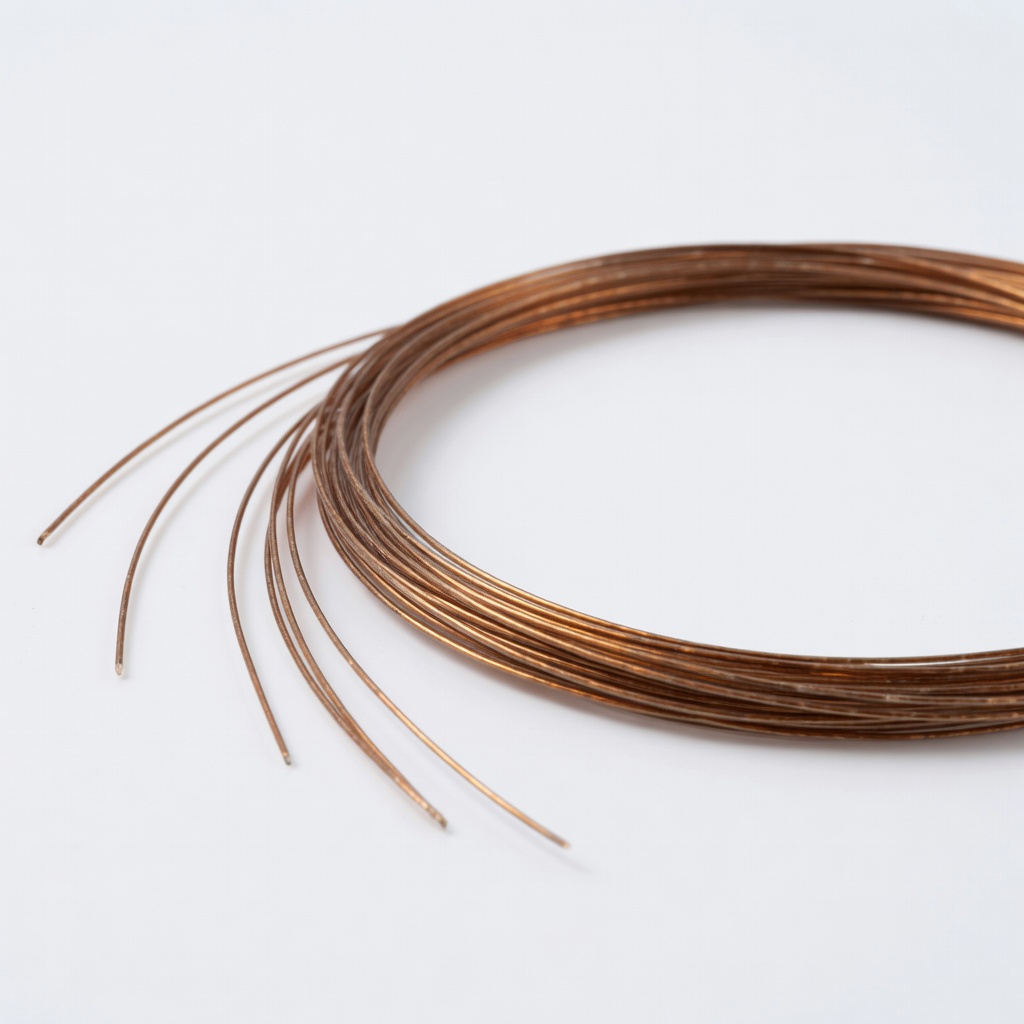
Upgrade stock strings for brighter, easier playability.
Elixir Nanoweb Phosphor Bronze Light Strings (11-52) Smooth feel, long-lasting tone perfect for fingerpicking without finger fatigue.
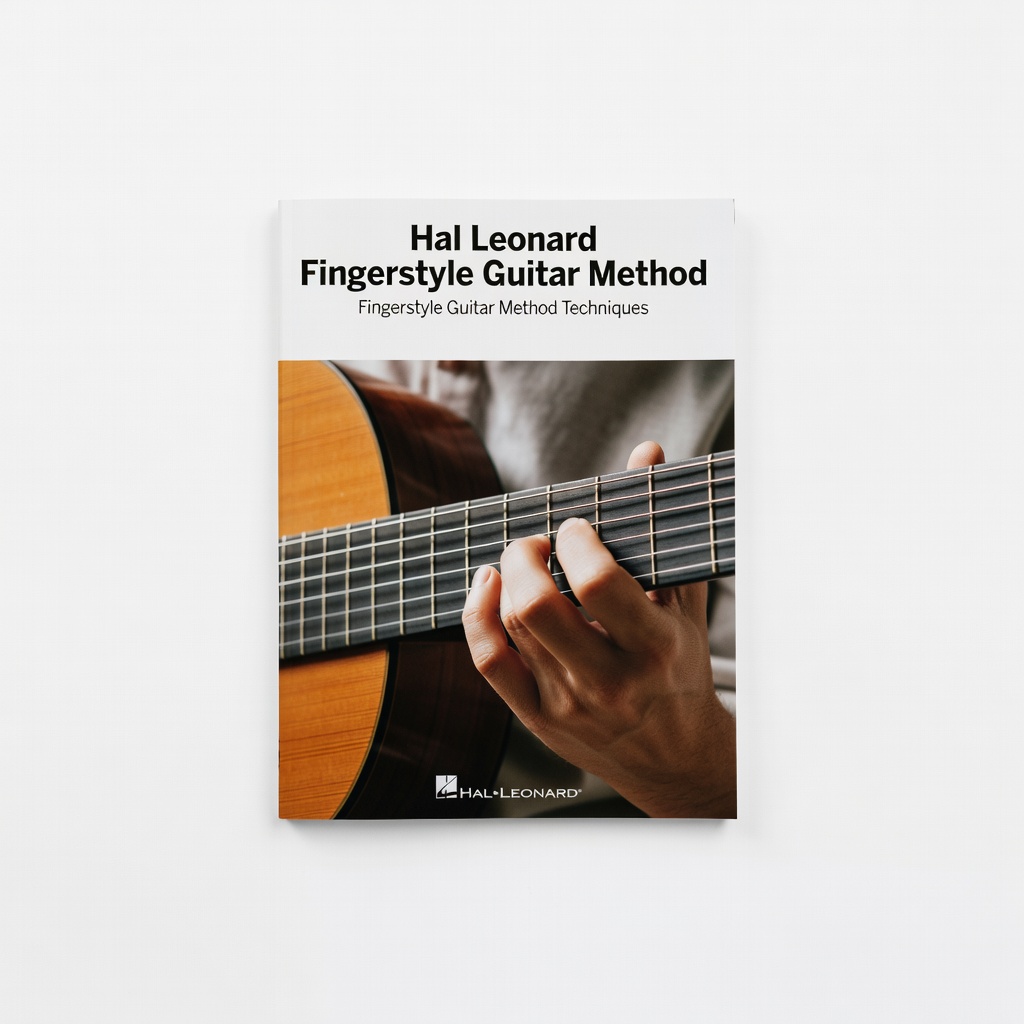
Structured learning beyond this guide.
Hal Leonard Fingerstyle Guitar Method Book Step-by-step beginner lessons with tabs and audio.
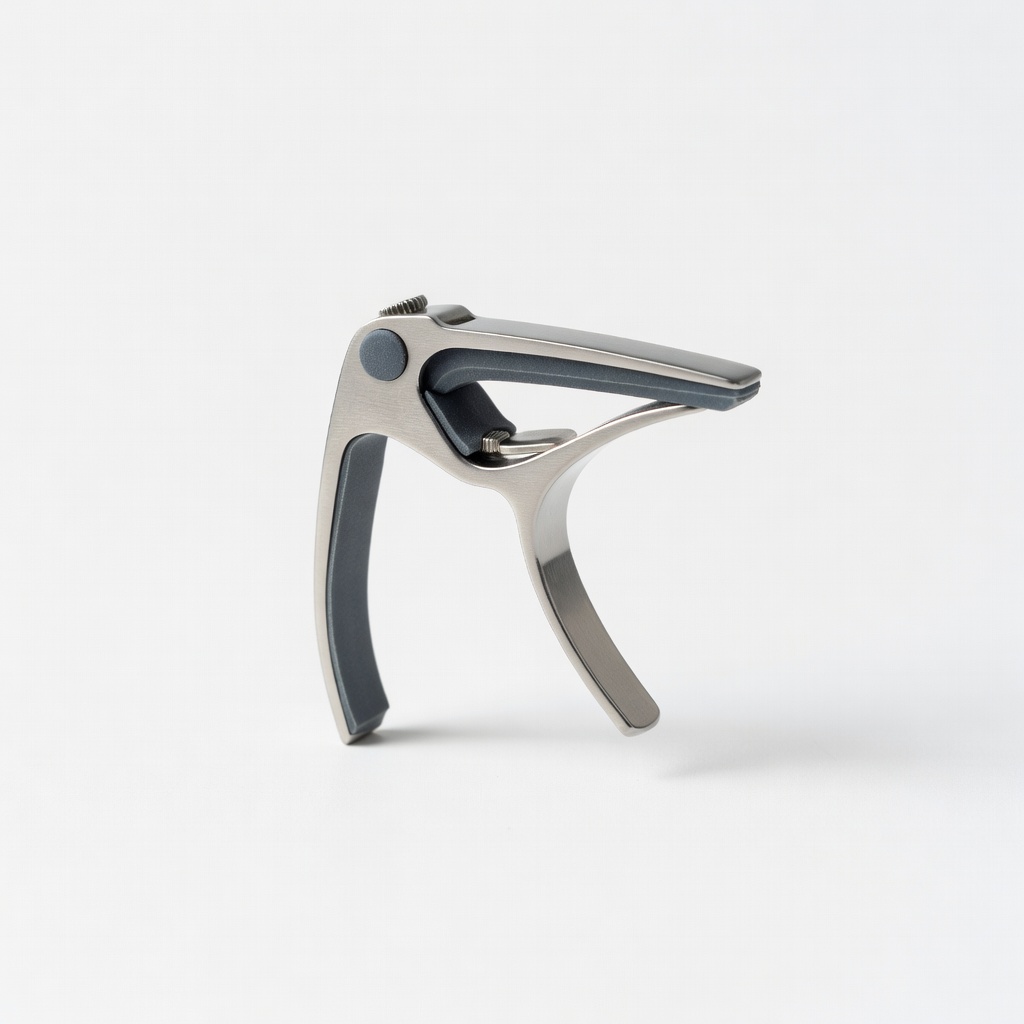
Match vocal range or song keys.
Shubb C1 Capo Precision capo for transposing fingerstyle songs without barre fatigue.