
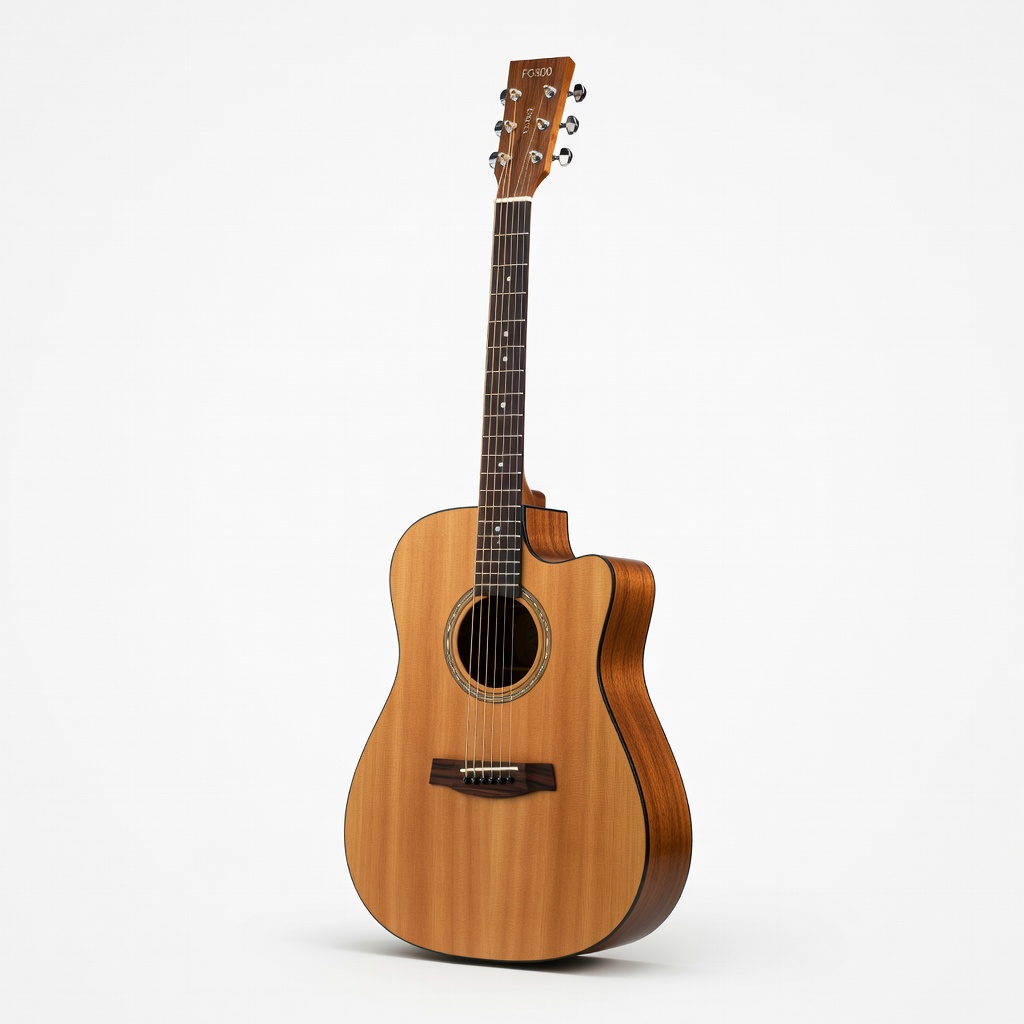
Yamaha FG800 Acoustic Guitar
Daily practice of arpeggios and patterns without hand strain.
$200-$250
Yamaha FG800 Acoustic Guitar Excellent for beginners with a solid spruce top for resonant fingerstyle tone and comfortable neck.
Get the App
Better experience on mobile
Learn the essentials of fingerstyle on acoustic guitar to create beautiful, melodic music without a pick as a beginner.
Imagine strumming soulful melodies on your acoustic guitar that sound like a full band, all with just your fingers. Fingerstyle playing is a captivating technique that many beginners overlook, but it's the gateway to expressing emotion through intricate patterns and harmonies. Whether you're tired of basic strumming or want to play songs like 'Dust in the Wind,' understanding fingerstyle can transform your playing.
In this guide, you'll discover what fingerstyle is, its history, core techniques, and simple ways to start practicing. We'll break it down step by step, using analogies and examples to make it accessible. No prior advanced skills needed—just curiosity and your guitar. Expect to grasp the concept in a short read, with tips to apply it right away.
Fingerstyle isn't about speed; it's about control and feel. By the end, you'll know why it's popular among acoustic players and how to dip your toes in without frustration.
Estimated Time: 10-15 minutes to read and understand Difficulty: beginner
Fingerstyle playing involves using your fingers (and sometimes thumbs) to pluck individual strings on the guitar, rather than a pick or flat strumming. This technique allows you to play melody, bass, and harmony simultaneously, creating a rich, full sound. Think of it like cooking a gourmet meal: instead of one big stir (strumming), you're layering flavors (notes) for depth.
On an acoustic guitar, this shines because the body resonates with each plucked note, amplifying the nuance. It's common in folk, classical, and pop genres. Why it matters: It builds independence in your fingers, improving overall dexterity. Expect a warm, intimate tone that's perfect for solo performances.
Start by visualizing the guitar's strings numbered 1 (high E) to 6 (low E). Your thumb often handles bass notes on lower strings, while fingers pick melody on higher ones.
💡 Tips:
⚠️ Warnings:
Fingerstyle traces back to classical guitarists like Francisco Tárrega in the 19th century, evolving through American folk with players like Chet Atkins and modern icons like Tommy Emmanuel. It's not just a technique; it's a tradition that emphasizes storytelling through music.
In acoustic guitars, it gained popularity in the 20th century with blues and ragtime, where players like Mississippi John Hurt used it to mimic piano rolls. Today, it's everywhere from Ed Sheeran's ballads to indie folk. Understanding this context shows why it's timeless—versatile for any style.
As a beginner, knowing the roots motivates you; it reminds you that pros started simple too.
💡 Tips:
⚠️ Warnings:
In standard fingerstyle, assign roles: Thumb (p) for bass notes (strings 6, 5, 4), index (i) for string 3, middle (m) for string 2, and ring (a) for string 1. This 'PIMA' system (from classical tradition) ensures clean separation, like assigning instruments in an orchestra.
Why it matters: It prevents muddled sounds and trains muscle memory. Expect initial awkwardness, but practice alternates plucks smoothly. For acoustic, lighter gauge strings help beginners avoid finger pain.
Practice by plucking open strings in sequence: thumb on 6, index on 3, middle on 2, ring on 1, repeating slowly.
💡 Tips:
⚠️ Warnings:
Arpeggios are the building blocks—playing chord notes sequentially instead of together. A simple pattern: Thumb on bass, then i-m-i-m on treble strings. It's like raindrops on a window: each note flows into the next.
For acoustic guitar, this highlights the instrument's resonance. Why important: It teaches chord voicings without strumming. Expect to hear a harp-like quality. Try a C chord arpeggio: Thumb on A string (5th fret? Wait, open C: thumb on 5th string open, then i-m-a on 3-2-1).
Build from there to Travis picking, alternating bass with melody.
💡 Tips:
⚠️ Warnings:
Start with easy tunes like 'Greensleeves' or 'Blackbird' tabs. Break it down: Identify bass line, then add melody. Analogy: It's like reading music as a conversation between bass and treble voices.
On acoustic, focus on dynamics—soft for intimacy, louder for emphasis. Why it matters: Turns theory into music. Expect 10-15 minutes daily to see improvement. Use free tabs from Ultimate Guitar.
Practice alternating thumb for steady pulse, fingers for flair.
💡 Tips:
⚠️ Warnings:
Fingerstyle's magic is in nuance: Vary pressure for volume, position for timbre (near bridge for brightness, over soundhole for warmth). It's like painting with sounds—subtle shifts add emotion.
Acoustic guitars excel here due to natural sustain. Why crucial: Prevents robotic playing. Expect experimentation to find your voice. Listen to artists like Nick Drake for inspiration.
Incorporate slides, hammers, and pulls for flair once basics click.
💡 Tips:
⚠️ Warnings:
Problem: Fingers cramp during practice
Solution: Shorten sessions to 5-10 minutes and stretch hands; use lighter strings or consult a teacher for posture.
Problem: Notes sound muddy or buzzing
Solution: Check tuning with a clip-on tuner and ensure left-hand fingers are close to frets; clean strings if dirty.
Problem: Struggling with rhythm
Solution: Use a metronome app starting at slow tempos; tap foot to internalize the beat.
Problem: No progress after weeks
Solution: Film your playing for self-review or take a beginner lesson; consistency over intensity wins.
Excellent for beginners with a solid spruce top for resonant fingerstyle tone and comfortable neck.
Best for: Daily practice of arpeggios and patterns without hand strain.
Price Range: $200-$250
Accurate and easy-to-use for keeping your guitar in tune, essential for clean fingerstyle sounds.
Best for: Quick tuning before sessions to avoid intonation issues.
Price Range: $12-$15
Step-by-step lessons with tabs and audio, perfect for self-taught beginners building fundamentals.
Best for: Learning patterns and songs at home without a teacher.
Price Range: $15-$20
Balanced tension for easy finger plucking and warm acoustic tone, reducing beginner finger pain.
Best for: String changes every 1-2 months to maintain playability.
Price Range: $6-$8
Portable with tempo range ideal for building fingerstyle rhythm steadily.
Best for: Practice sessions to develop timing without rushing.
Price Range: $20-$25
Daily practice of arpeggios and patterns without hand strain.
Yamaha FG800 Acoustic Guitar Excellent for beginners with a solid spruce top for resonant fingerstyle tone and comfortable neck.
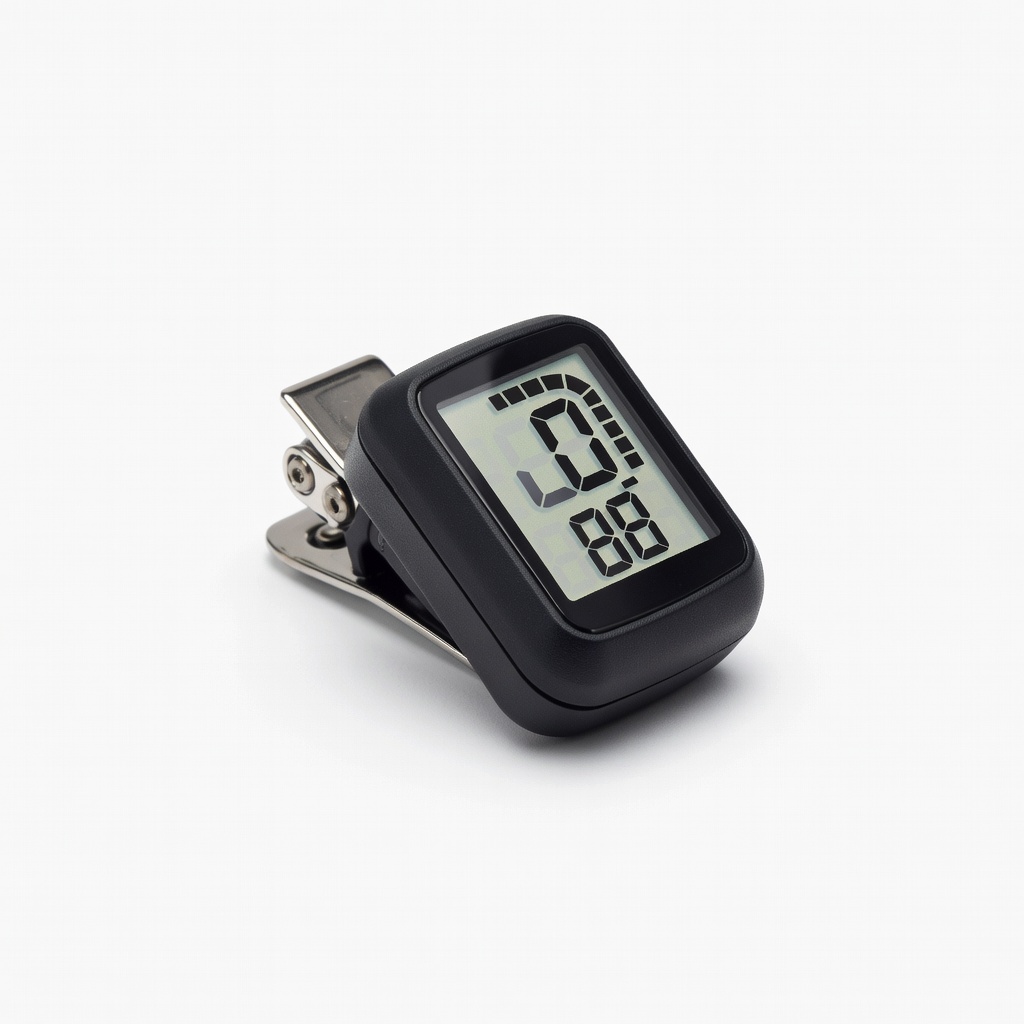
Quick tuning before sessions to avoid intonation issues.
Snark SN5 Clip-On Tuner Accurate and easy-to-use for keeping your guitar in tune, essential for clean fingerstyle sounds.
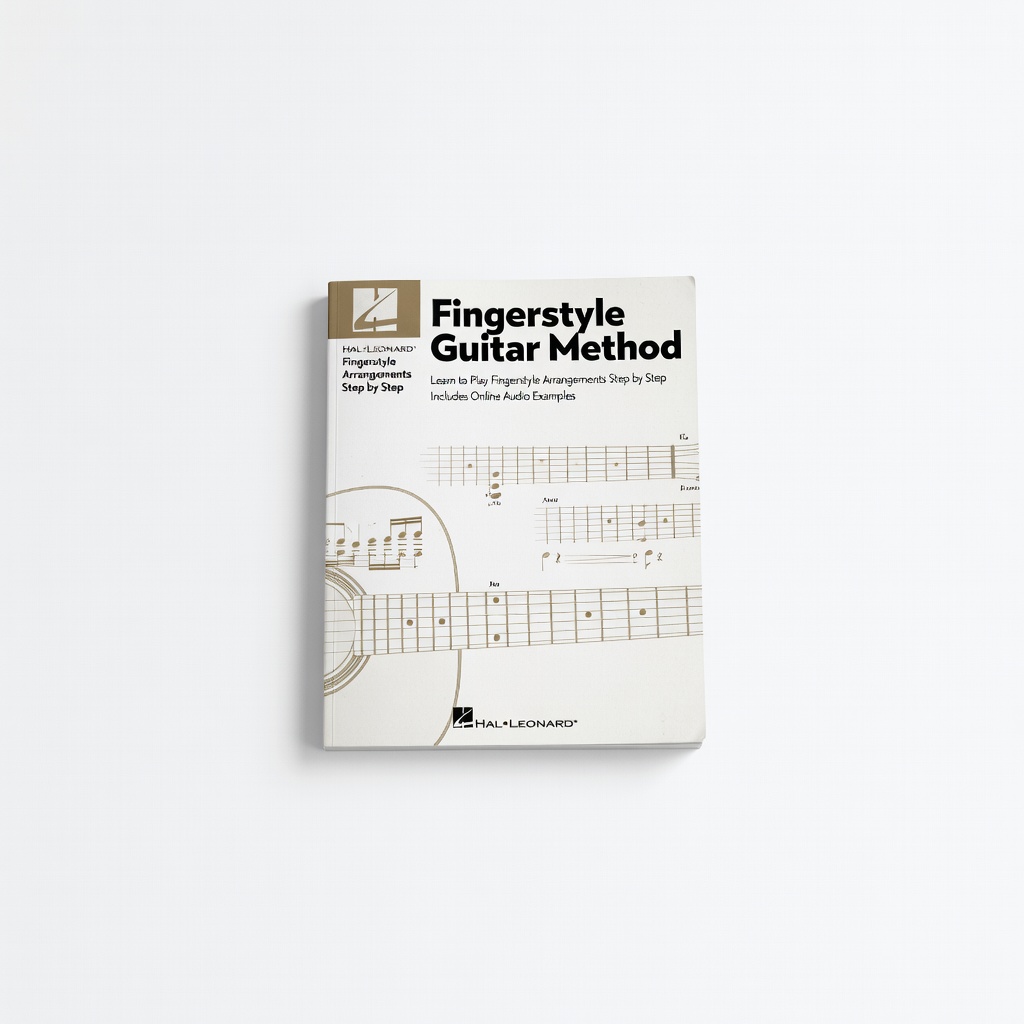
Learning patterns and songs at home without a teacher.
Hal Leonard Fingerstyle Guitar Method Book Step-by-step lessons with tabs and audio, perfect for self-taught beginners building fundamentals.
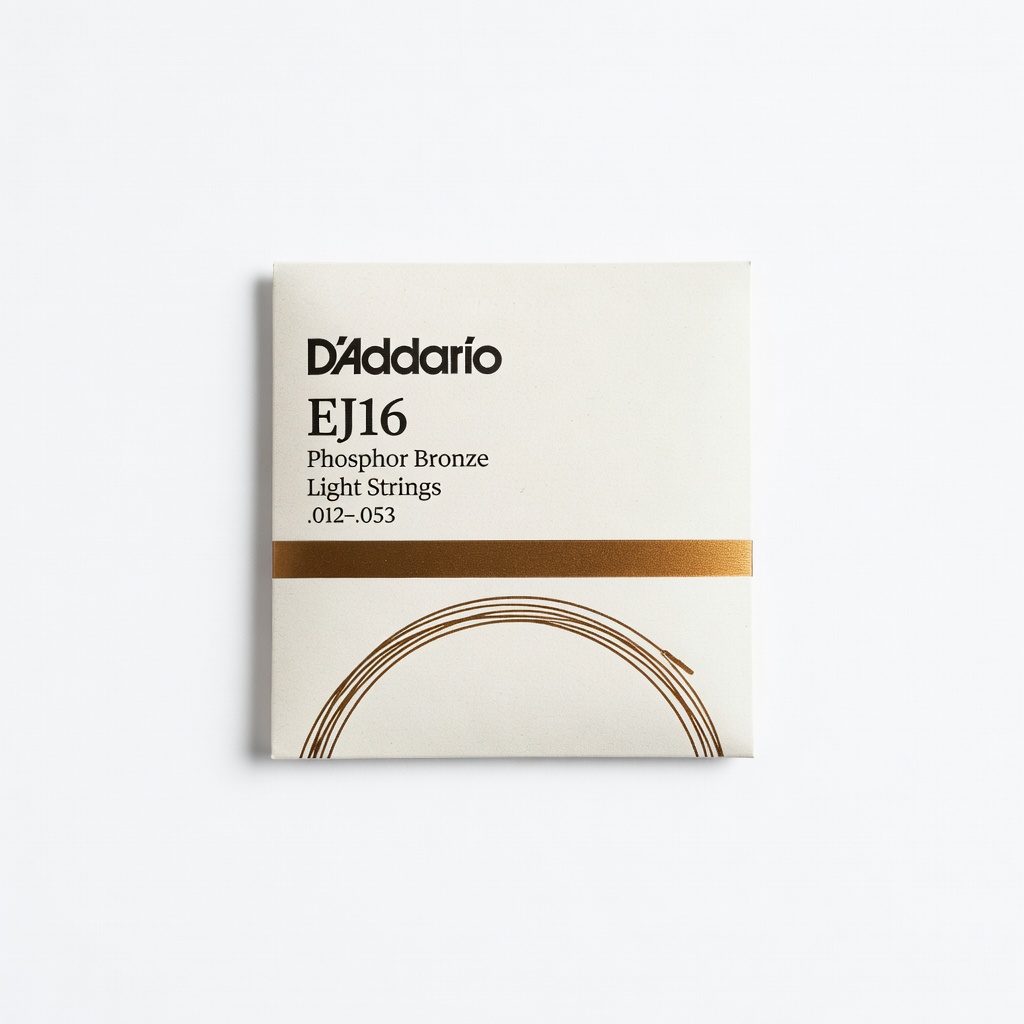
String changes every 1-2 months to maintain playability.
D'Addario EJ16 Phosphor Bronze Light Strings Balanced tension for easy finger plucking and warm acoustic tone, reducing beginner finger pain.
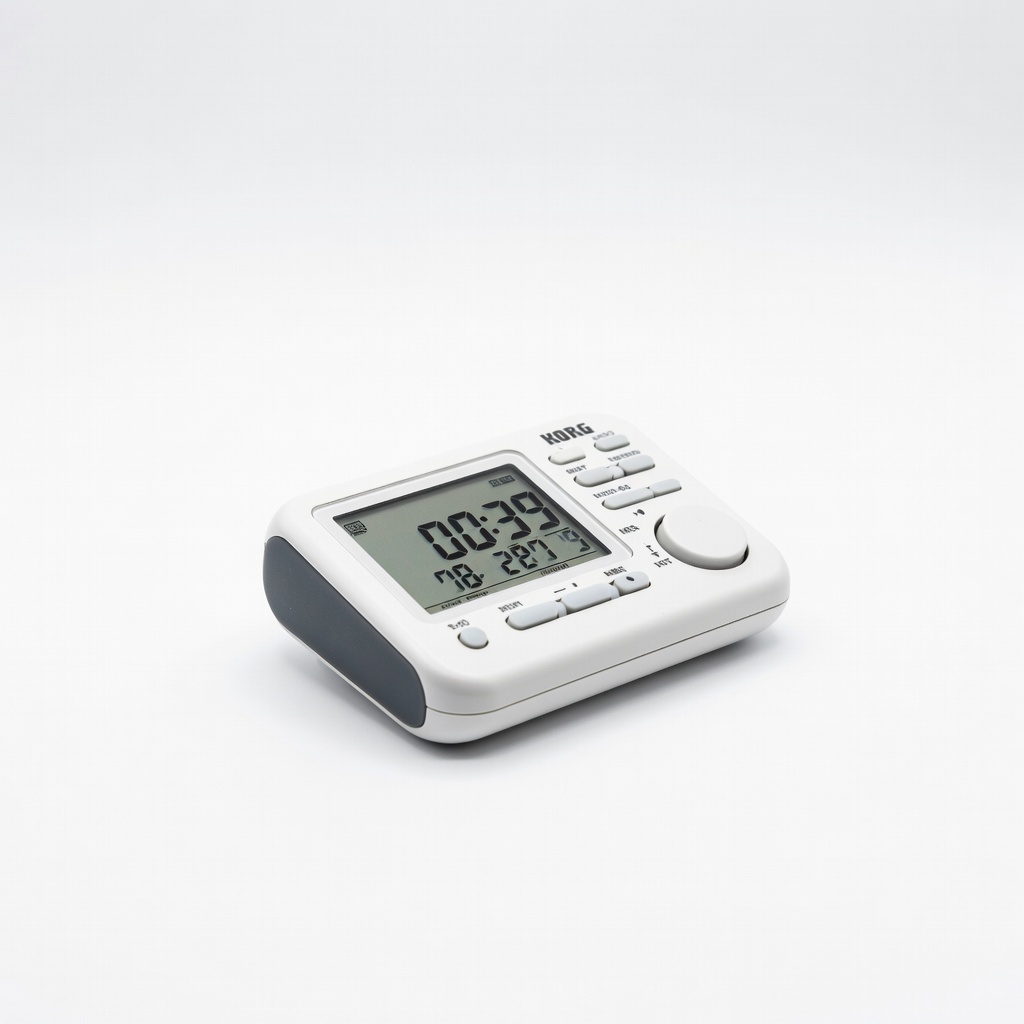
Practice sessions to develop timing without rushing.
Korg TM-60 Metronome Portable with tempo range ideal for building fingerstyle rhythm steadily.