In a world where data breaches and trust issues plague industries, blockchain technology emerges as a revolutionary solution, offering secure, transparent, and decentralized ways to record information. Often synonymous with cryptocurrencies like Bitcoin, blockchain's potential extends far beyond digital money, transforming sectors like healthcare, supply chains, and voting. If you've heard the buzz but struggle to separate hype from reality, this guide is your starting point.
By the end of this explainer, you'll understand what blockchain is, how it works, and its practical applications outside crypto. We'll break down complex ideas into simple terms using analogies and real-world examples, so even if you're new to tech, you'll feel confident. Expect a straightforward read—no coding required—that takes about 15-20 minutes and builds your knowledge step by step.
Whether you're a curious beginner or looking to spot opportunities in emerging tech, this guide demystifies blockchain's broader impact, helping you see why it's poised to reshape our digital future.
▸What You'll Need
- •Basic computer literacy (ability to read online articles)
- •Internet access for optional further reading (not required)
- •Curiosity about technology—no prior knowledge needed
Estimated Time: 15-20 minutes
Difficulty: beginner
▸Step-by-Step Instructions
Step 1: Understand the Basics: What Is Blockchain?
Blockchain is essentially a digital ledger—a shared, immutable record of transactions or data—that's distributed across a network of computers instead of being stored in one central location. Imagine it like a chain of blocks, where each 'block' contains a list of records (like transactions), and once added, it can't be altered without changing all subsequent blocks, making it tamper-proof.
This technology solves the 'double-spending' problem in digital assets (spending the same money twice) through cryptography and consensus mechanisms. Why does it matter? It builds trust without needing intermediaries like banks, reducing costs and increasing efficiency. For beginners, think of it as a public Google Doc that everyone can see and add to, but no one can secretly edit past entries.
Expect to grasp this as the foundation: blockchain isn't just tech jargon; it's a way to ensure data integrity in an untrustworthy digital world.
💡 Tips:
- •Use the analogy of a shared notebook passed around a group—everyone verifies entries to prevent fraud.
⚠️ Warnings:
- •Don't confuse blockchain with Bitcoin; the latter is just one application of the former.
Step 2: How Does Blockchain Work? The Core Mechanics
At its heart, blockchain operates through a process called 'decentralization.' Instead of a single server holding all data (like traditional databases), it's spread across nodes (computers) in a peer-to-peer network. When a new transaction occurs, it's broadcast to the network, verified by consensus (e.g., proof-of-work where 'miners' solve puzzles), and added to a block.
Once validated, the block is linked to the previous one via a cryptographic hash—a unique digital fingerprint—creating the unbreakable chain. This matters because it eliminates single points of failure and fraud; altering one block would require controlling over 50% of the network, which is computationally expensive and impractical.
You'll see how this creates transparency: anyone can view the ledger (public blockchains) or restricted access (private ones). For example, in a supply chain, every step from farm to table is recorded immutably.
💡 Tips:
- •Visualize it as a game of telephone where the message (data) is verified at each step to avoid distortions.
Step 3: Key Components of Blockchain Explained
Blockchain relies on several building blocks: Nodes are the computers maintaining the network; Smart Contracts are self-executing code that automates agreements (like 'if shipment arrives, pay supplier'); Consensus Algorithms ensure all nodes agree on the ledger's state; and Cryptography secures data with keys (public for viewing, private for signing).
These components work together to make blockchain secure and efficient. For instance, smart contracts reduce paperwork in real estate by automatically transferring ownership upon payment. Understanding this helps you see blockchain as a toolkit, not a monolith.
As a beginner, focus on how these prevent errors: no human middleman means fewer mistakes or biases.
💡 Tips:
- •Start with public blockchains like Ethereum for examples—it's open-source and beginner-friendly to explore.
⚠️ Warnings:
- •Avoid thinking all blockchains are energy-intensive; newer ones like proof-of-stake are more eco-friendly.
Step 4: Blockchain in Supply Chain Management
Beyond crypto, blockchain shines in tracking goods transparently. Companies like IBM use it with partners (e.g., Walmart) to trace food from source to store, reducing recall times from weeks to seconds. Each step—harvesting, shipping, retailing—is logged immutably, preventing fraud like counterfeit products.
This application matters for consumer trust: you can scan a QR code on produce to see its journey, ensuring ethical sourcing. Expect real impact in global trade, where $2 trillion in annual losses from counterfeits could be curbed.
It's a prime example of blockchain's efficiency: decentralized ledgers cut intermediaries, speeding up processes while maintaining auditability.
💡 Tips:
- •Look up IBM Food Trust for a live demo—it's free to explore case studies.
Step 5: Applications in Healthcare and Beyond
In healthcare, blockchain secures patient records, allowing sharing across providers without breaches—think HIPAA-compliant ledgers where only authorized parties access data. It also combats drug counterfeiting by verifying pharmaceutical authenticity.
Other uses include secure voting systems (e.g., pilots in Estonia) to prevent tampering, and real estate for fraud-proof property titles. These extend blockchain's value to privacy and accountability in sensitive areas.
You'll appreciate how it empowers individuals: patients control their data, voters ensure fair elections, reducing systemic distrust.
💡 Tips:
- •Explore projects like MedRec (MIT) for healthcare blockchain insights.
⚠️ Warnings:
- •Regulatory hurdles exist; not all implementations are fully adopted yet.
Step 6: Benefits, Challenges, and Future Outlook
Benefits include enhanced security, cost savings (up to 30% in some industries), and inclusivity for unbanked populations. Challenges? Scalability (slow transactions), energy use in older models, and adoption barriers like regulation.
Looking ahead, hybrid blockchains and layer-2 solutions (e.g., Lightning Network) address these, promising wider use in IoT and AI. This step ties it all: blockchain's evolution makes it indispensable beyond crypto.
Expect optimism tempered by realism—it's transformative but not a cure-all.
💡 Tips:
- •Follow news from sources like CoinDesk for updates without overwhelm.
▸Pro Tips
- •Start with analogies: compare blockchain to a tamper-evident seal on a jar to simplify explanations.
- •Explore free platforms like Blockchain.com's explorer to visualize real ledgers without commitment.
- •Join beginner communities on Reddit (r/blockchain) for Q&A and staying motivated.
- •Focus on one application per week to build understanding gradually.
- •Use videos from Khan Academy for visual learners—they break down tech in 10 minutes.
- •Track industry news via newsletters like 'The Block' to see evolving non-crypto uses.
- •Practice by explaining concepts to a friend; teaching reinforces your grasp.
▸Common Mistakes to Avoid
- •Assuming blockchain equals crypto: This limits understanding; remember it's a versatile tech like the internet.
- •Overlooking privacy: Public blockchains are transparent, so use private ones for sensitive data to avoid exposure.
- •Ignoring energy concerns: Older systems like Bitcoin's proof-of-work are power-hungry; opt for greener alternatives.
- •Expecting instant adoption: Blockchain scales slowly due to integration costs—patience is key.
- •Confusing it with AI: Blockchain handles trust and records, while AI focuses on intelligence; they're complementary, not the same.
▸Troubleshooting
Problem: Overwhelmed by technical jargon
Solution: Pause and search simple definitions (e.g., 'What is a hash?'); glossaries on Investopedia help clarify without deep dives.
Problem: Struggling to see real-world relevance
Solution: Read case studies from Deloitte or Gartner reports—free PDFs online show practical implementations.
Problem: Confusion between public and private blockchains
Solution: Remember: public for open access (like Bitcoin), private for controlled groups (like enterprise supply chains); test with examples.
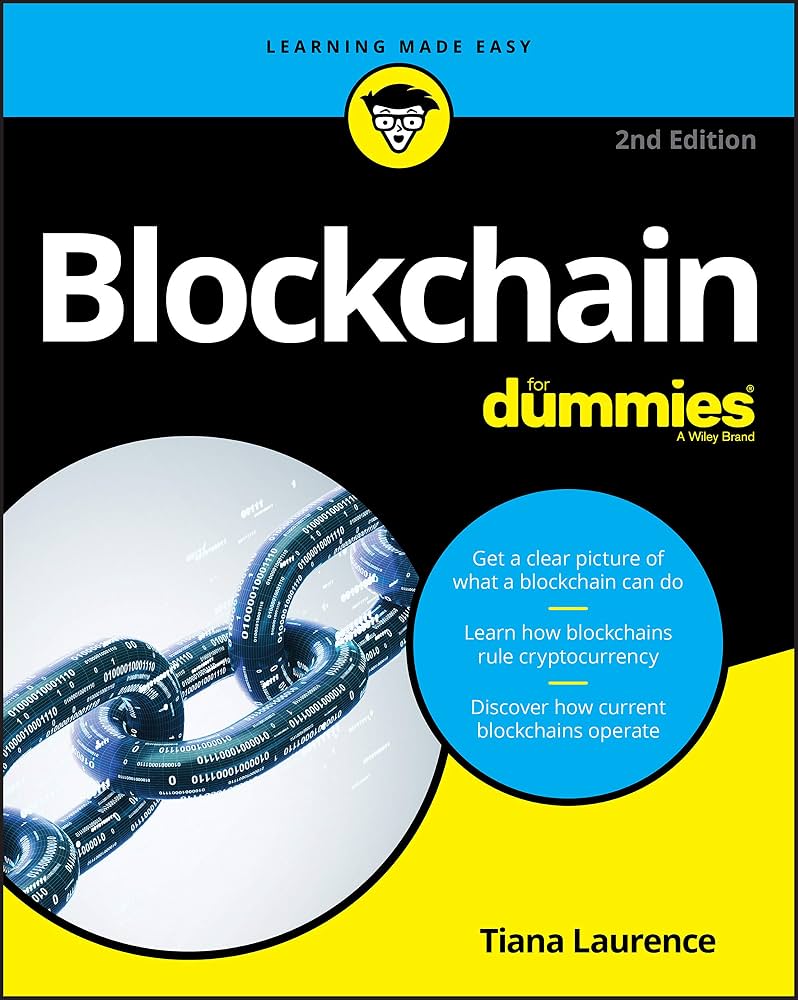
Blockchain For Dummies
This beginner-friendly book uses simple language and analogies to explain blockchain basics and applications, making complex topics accessible without overwhelming details.
Best for: Ideal for self-paced learning at home; read chapters on non-crypto uses to deepen understanding after this guide.
Price Range: $15-$20
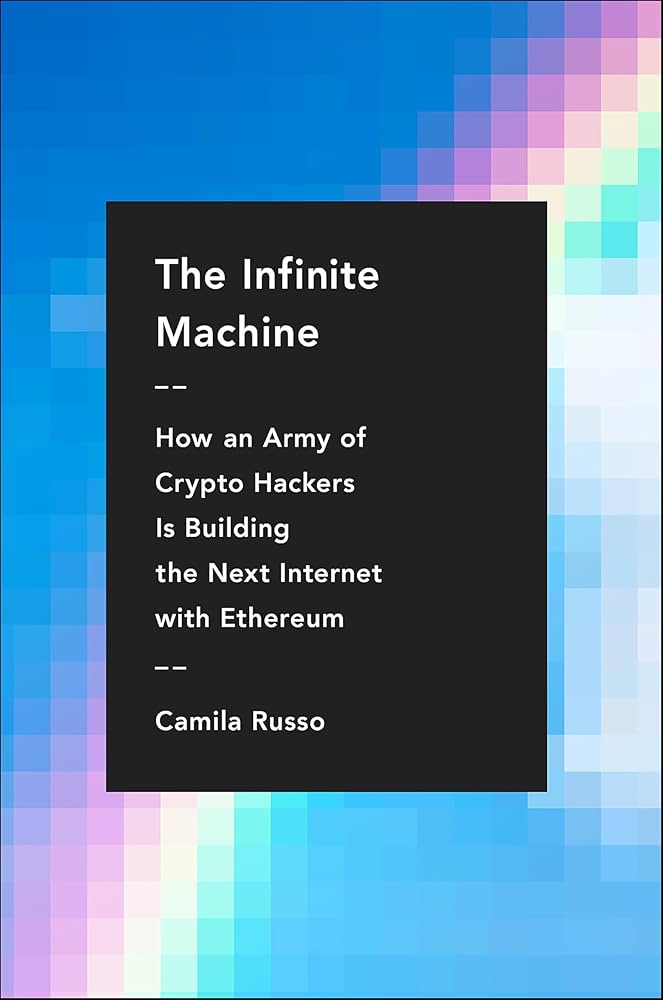
The Infinite Machine: How an Army of Crypto-hackers Is Building the Next Internet with Ethereum
It provides engaging storytelling on blockchain's origins and real applications, focusing on Ethereum's role in smart contracts beyond crypto.
Best for: Great for narrative learners wanting historical context and future visions; perfect follow-up for exploring decentralized apps.
Price Range: $12-$18
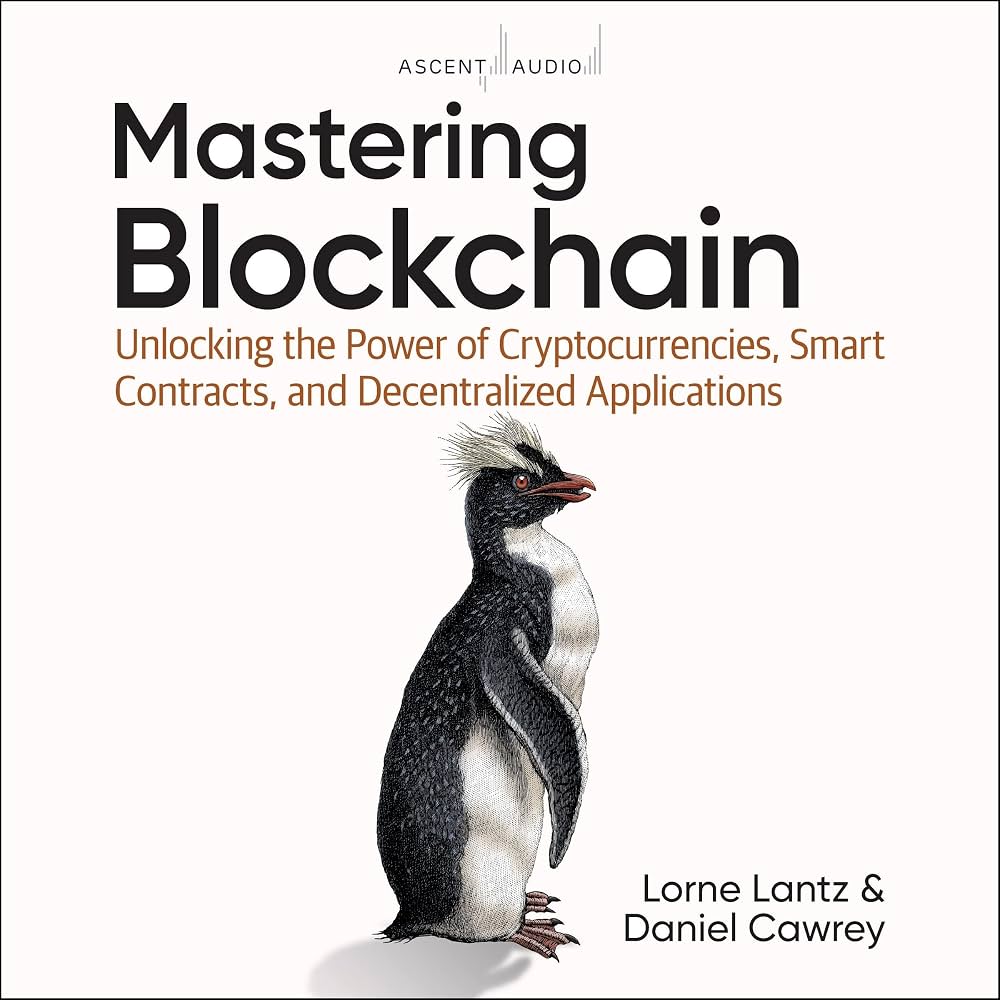
Mastering Blockchain: Unlocking the Power of Cryptography, Smart Contracts, and Decentralized Applications
Step-by-step breakdowns with diagrams help visualize mechanics and non-crypto uses like supply chain, building on beginner knowledge.
Best for: Use for hands-on reference when diving into specific applications; includes code snippets if you're ready to experiment lightly.
Price Range: $25-$35
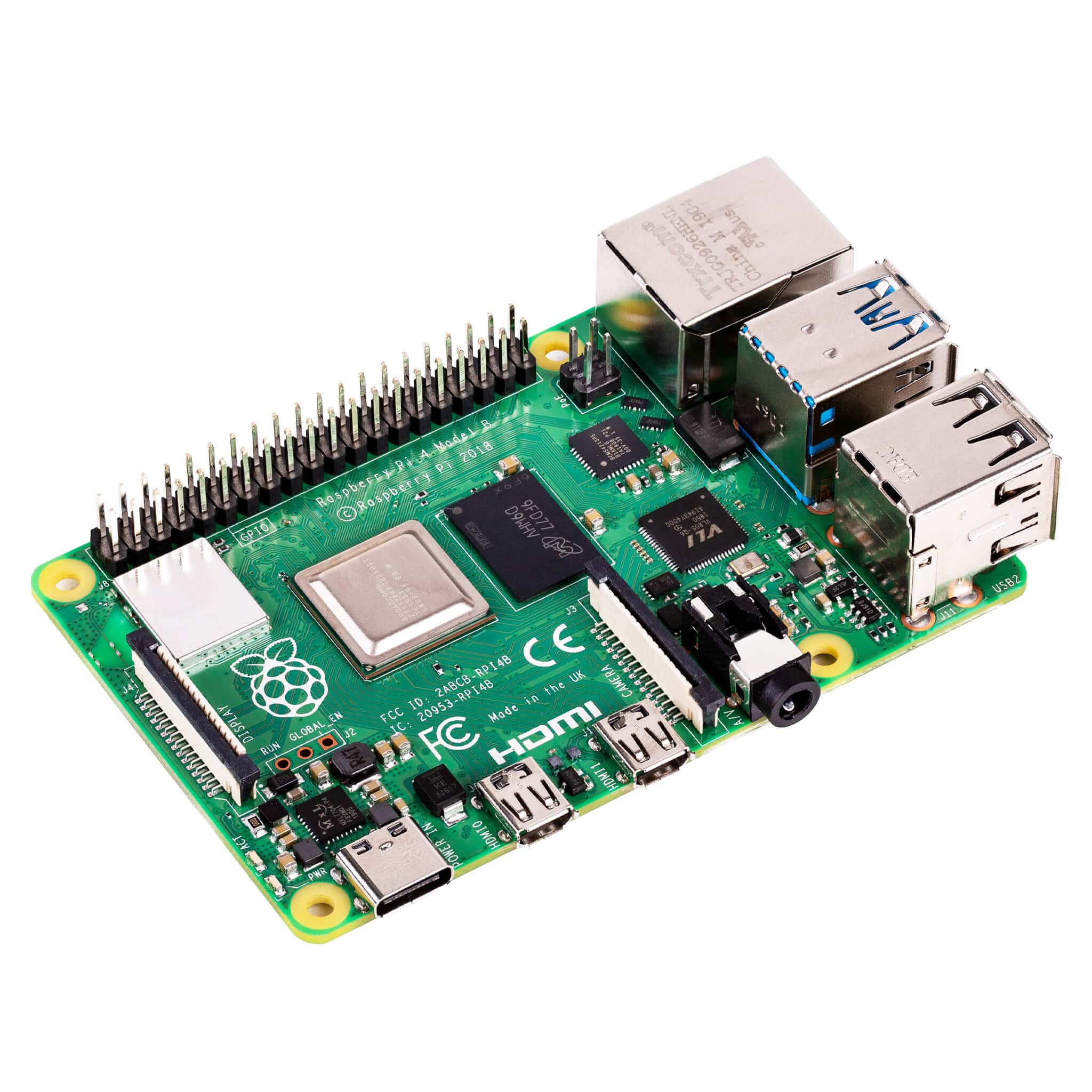
Raspberry Pi 4 Model B (for blockchain experiments)
This affordable kit lets beginners set up a simple private blockchain node at home, reinforcing concepts through practical tinkering.
Best for: For tech-curious readers wanting to simulate applications like secure voting; pair with free tutorials for low-cost learning.
Price Range: $35-$50