

Panasonic Eneloop AA NiMH Batteries (4-Pack)
Ideal for everyday AA devices to avoid memory issues entirely.
$12-15
Panasonic Eneloop AA NiMH Batteries (4-Pack) Low self-discharge NiMH with minimal memory effect, retains 70% charge after 10 years.
Get the App
Better experience on mobile
Learn how memory effect impacts AA batteries, spot the signs, and discover prevention tips to maximize battery life and performance.
Have you ever noticed your AA batteries dying faster than expected, even after a full charge? This frustrating issue often stems from the 'memory effect,' a common concern with certain rechargeable batteries. Understanding it can save you money and extend device runtime in remotes, toys, and flashlights.
In this guide, you'll break down what battery memory effect is, which AA cells it affects, how it happens, and proven ways to avoid or reverse it. We'll use simple analogies and real-world examples tailored for intermediate users familiar with basic electronics. Expect a clear path from concept to action—no jargon overload.
Reading and applying this takes just 10-15 minutes, with steps building from basics to advanced tips.
Estimated Time: 10-15 minutes Difficulty: intermediate
AA cells come in disposable (Alkaline, Lithium) and rechargeable types like Nickel-Cadmium (NiCd) and Nickel-Metal Hydride (NiMH). Memory effect primarily affects NiCd AA batteries, which were popular in the 80s-90s for high-drain devices.
Think of batteries as buckets holding charge. NiCd buckets develop a 'scar' if you only fill them halfway repeatedly, making them think that's full capacity. NiMH has a milder version, while Alkaline doesn't recharge at all.
Why it matters: Knowing types prevents misdiagnosis—your 'memory effect' might just be self-discharge.
💡 Tips:
Memory effect is when a rechargeable battery 'remembers' its partial discharge level and reduces usable capacity. For AA NiCd cells, charging from 20% to 100% repeatedly makes it act like 80% is full, cutting runtime by 20-30%.
Analogy: Like a dog trained to stop at a certain fence line—it won't explore the full yard anymore. First observed in satellites, it hit consumer AA batteries hard.
Expect shorter device runtime as the first symptom.
⚠️ Warnings:
It builds from crystalline formation on NiCd electrodes during shallow discharges. Partial charges don't fully dissolve these crystals, reinforcing a lower capacity 'memory.'
In AA cells, cordless phones or toys with frequent top-ups accelerate it. One study showed 20% capacity loss after 50 partial cycles.
What to expect: Gradual runtime shortening, not overnight failure.
💡 Tips:
NiCd AA cells (1.2V, older stock) suffer most. NiMH AA has 'false memory effect'—temporary voltage sag recoverable by full discharge. Alkaline/Lithium AA: No effect, as they're not rechargeable.
Check labels: NiCd often marked 'rechargeable cadmium.' Modern AA rechargeables are mostly NiMH or Li-ion.
Pro tip: Test with a battery tester showing mAh capacity.
Symptoms: Device shuts off early despite 'full' charge; capacity reads lower on testers; inconsistent runtime.
Test: Discharge to 1.0V under load (100mA for AA), recharge fully, repeat 3x. If capacity drops >10%, suspect memory effect.
Why track: Early detection prevents total failure.
⚠️ Warnings:
Fully discharge NiCd/NiMH AA to 1.0V monthly, then trickle charge. Use smart chargers detecting full capacity.
Best practice: Rotate batteries—use sets fully before recharging. Matches satellite protocols.
Result: Maintain 90%+ original capacity for years.
💡 Tips:
Deep discharge (to 0.9V slow) + slow charge (C/10 rate) dissolves crystals. Repeat 2-3 cycles.
For AA: Use charger with refresh mode. Expect 70-90% recovery.
Caution: Only for NiCd/NiMH; success varies by age.
Problem: Battery dies suddenly mid-use after charge.
Solution: Check for voltage depression (related issue); fully discharge and slow charge 3x.
Problem: Capacity test shows low mAh despite new battery.
Solution: Verify charger compatibility; try different tester. Could be defective.
Problem: NiMH AA won't hold charge overnight.
Solution: Normal self-discharge (20%/year); switch to LSD NiMH. Not memory effect.
Low self-discharge NiMH with minimal memory effect, retains 70% charge after 10 years.
Best for: Ideal for everyday AA devices to avoid memory issues entirely.
Price Range: $12-15
Analyzes, charges, and refreshes NiCd/NiMH AA with memory recovery modes.
Best for: Perfect for conditioning suspect AA cells and preventing effect.
Price Range: $40-50
High-capacity with reduced memory susceptibility for power-hungry toys.
Best for: Budget alternative to Eneloop for high-drain AA applications.
Price Range: $15-20 for 8-pack
Advanced AA/AAA charger with cycle forming to eliminate memory effect.
Best for: Pro-level reconditioning for enthusiasts testing multiple cells.
Price Range: $60-70
Ideal for everyday AA devices to avoid memory issues entirely.
Panasonic Eneloop AA NiMH Batteries (4-Pack) Low self-discharge NiMH with minimal memory effect, retains 70% charge after 10 years.
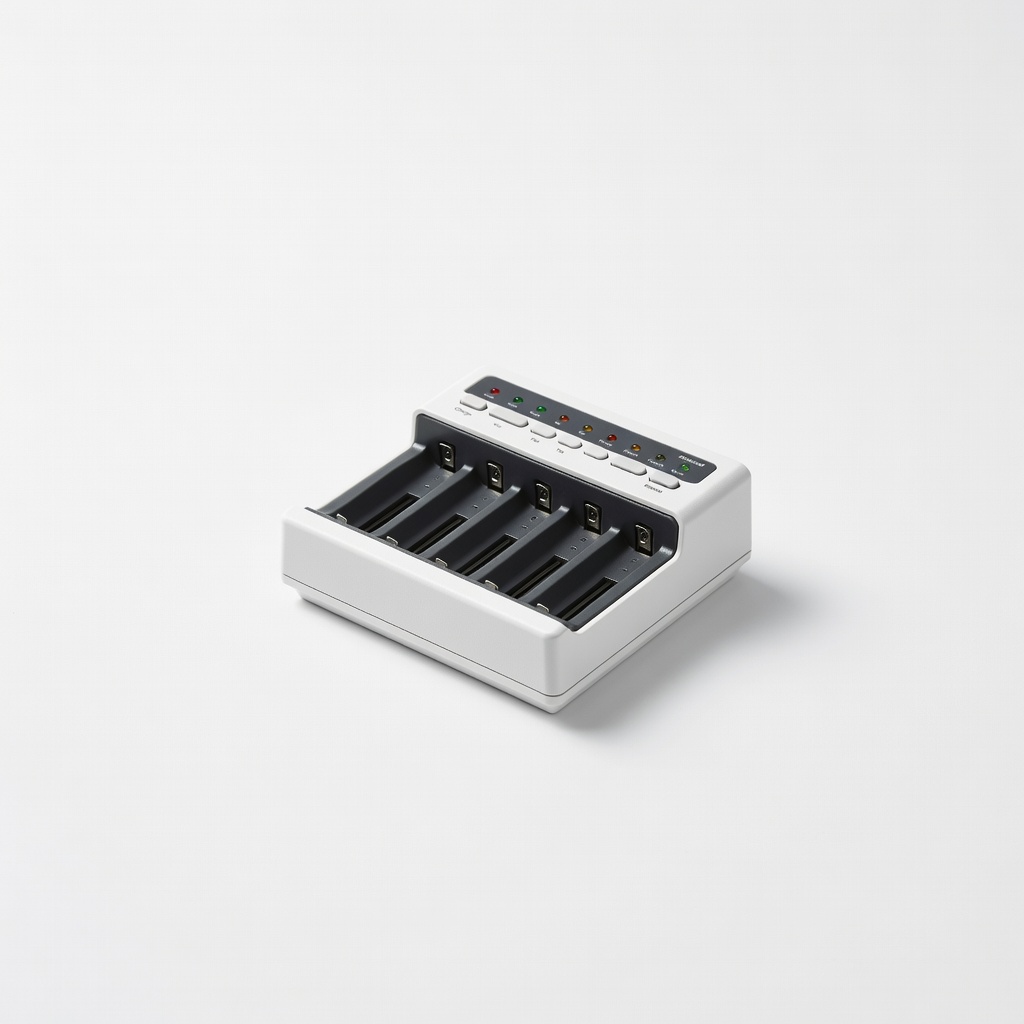
Perfect for conditioning suspect AA cells and preventing effect.
La Crosse Technology BC700 Alpha Battery Charger Analyzes, charges, and refreshes NiCd/NiMH AA with memory recovery modes.
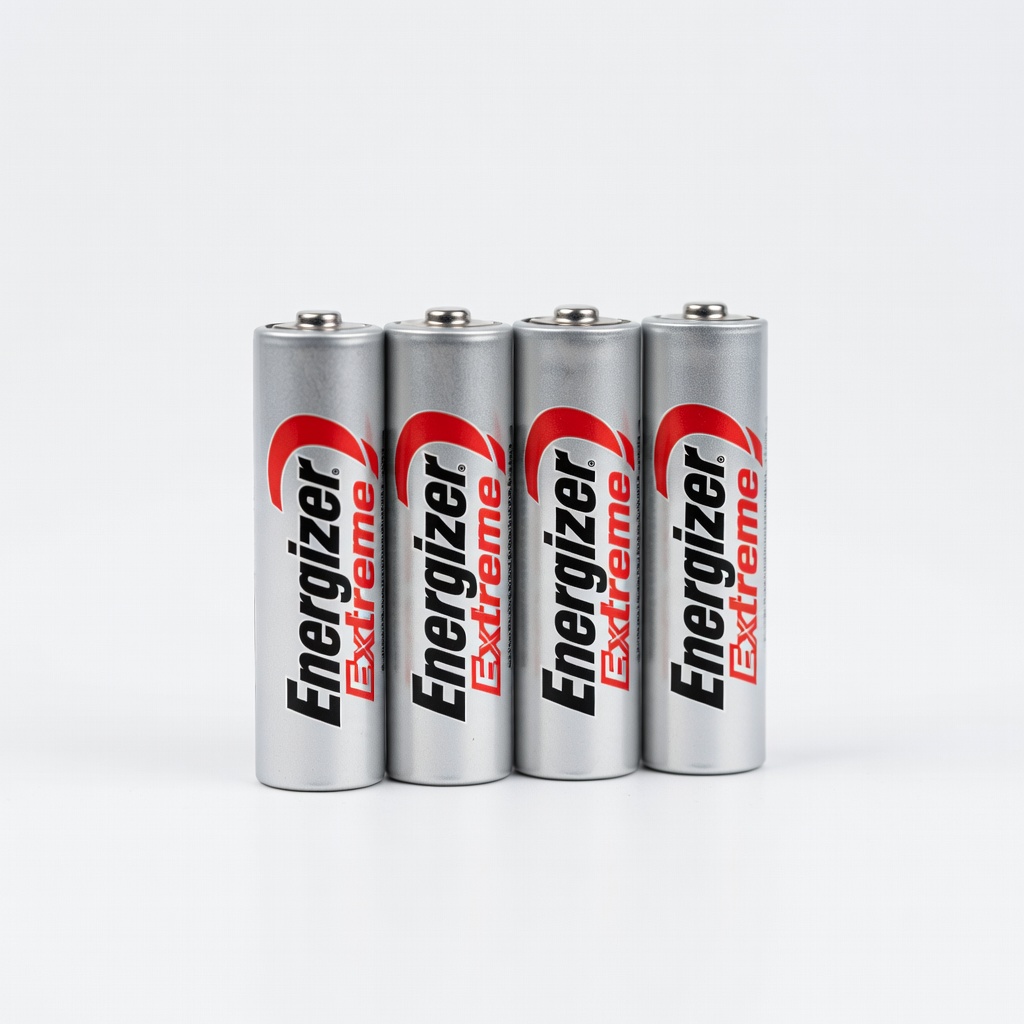
Budget alternative to Eneloop for high-drain AA applications.
Energizer Recharge Extreme AA NiMH High-capacity with reduced memory susceptibility for power-hungry toys.
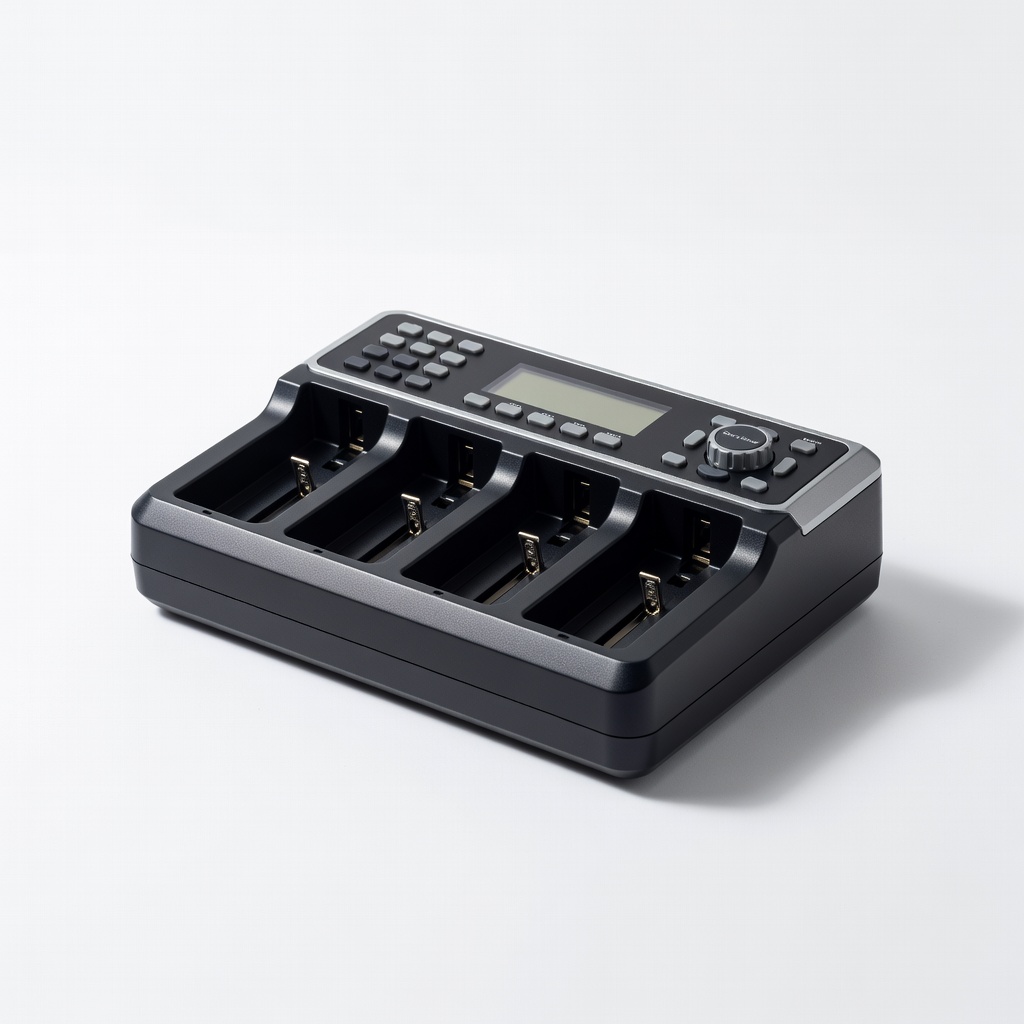
Pro-level reconditioning for enthusiasts testing multiple cells.
Maha Powerex MH-C9000 WizardOne Charger Advanced AA/AAA charger with cycle forming to eliminate memory effect.