
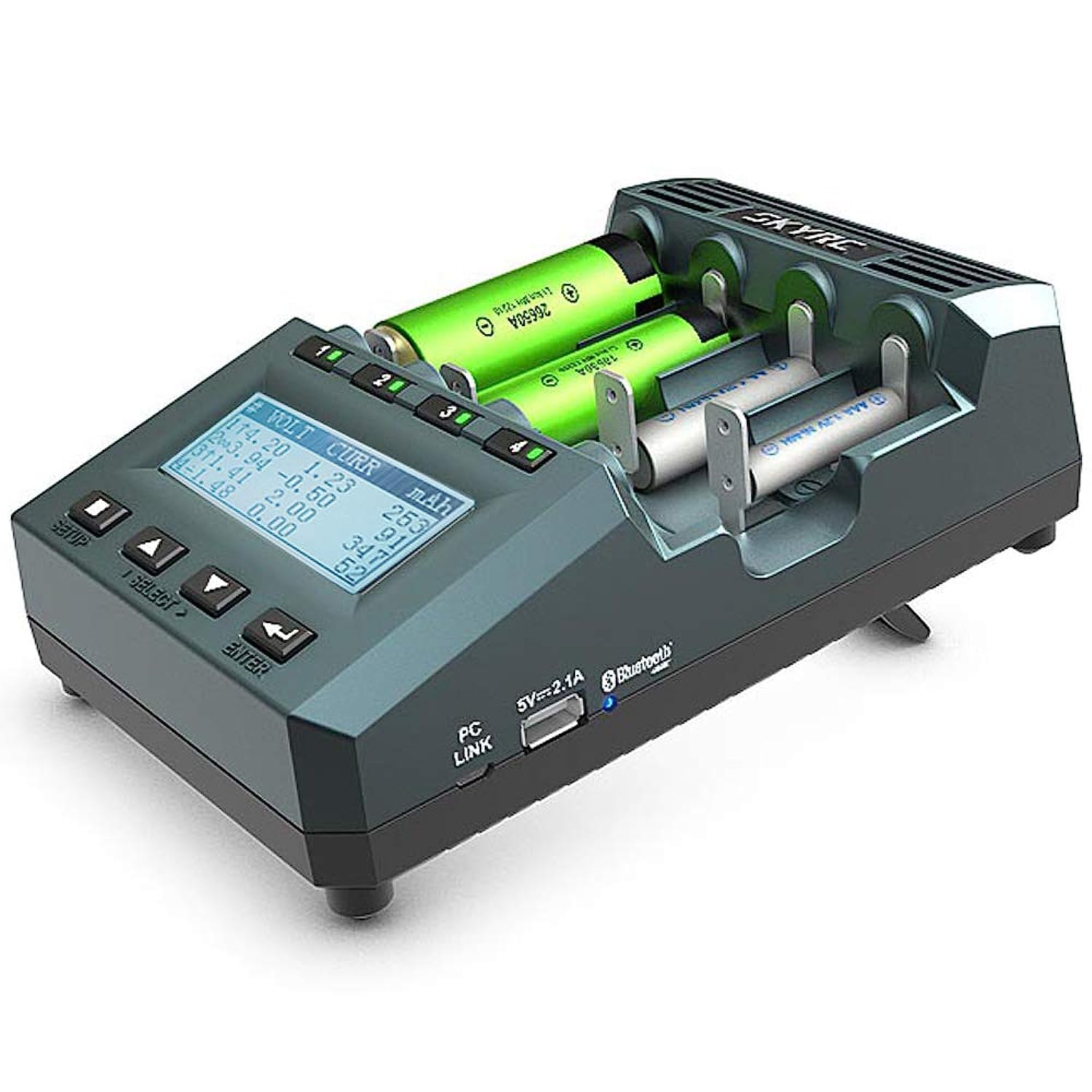
SkyRC MC3000 Battery Charger/Analyzer
Analyzing and reconditioning 6V NiCd/NiMH packs.
$100-$120
SkyRC MC3000 Battery Charger/Analyzer Precise discharge/charge cycles with capacity logging to detect and reverse memory effect.
Get the App
Better experience on mobile
Master the science of memory effect in 6V batteries, detect it early, and prevent capacity loss to extend battery life significantly.
If you've ever noticed your 6V rechargeable lantern or emergency light dying prematurely despite full charges, battery memory effect might be the culprit. This phenomenon plagues certain rechargeable chemistries, leading to frustrating capacity reductions over time. For advanced users maintaining RV setups, marine gear, or backup power, understanding it is crucial to avoid unexpected failures.
In this guide, you'll dive deep into the electrochemistry, symptoms, detection methods, and proven mitigation strategies for 6V rechargeables like NiCd and NiMH packs. We'll cover why 6V configurations are particularly vulnerable and how modern alternatives sidestep the issue. Expect technical insights with real-world applications—no fluff, just actionable knowledge for optimizing performance.
This advanced explainer takes 20-30 minutes to absorb fully, assuming familiarity with basic electronics like voltage and capacity measurements.
Estimated Time: 20-30 minutes Difficulty: advanced
6V rechargeables commonly use NiCd (nickel-cadmium), NiMH (nickel-metal hydride), or SLA (sealed lead-acid). NiCd exhibits classic memory effect; NiMH shows mild versions; SLA suffers sulfation instead but no true memory.
Why it matters: 6V packs (often 5x NiCd AA cells or SLA slabs) power lanterns, toys, and alarms. Partial cycles in these fixed-voltage setups accelerate crystalline dendrite formation in NiCd anodes.
Expect: Series wiring demands balanced cells; imbalance worsens memory.
💡 Tips:
⚠️ Warnings:
Memory effect is the reversible capacity loss where a battery 'remembers' its partial discharge depth, refusing to deliver full rated capacity (e.g., a 4Ah 6V pack outputs only 2Ah).
It stems from incomplete reformation of active materials during shallow cycles. In practice, your 6V lantern dims after 50% runtime despite full charge.
Advanced note: Measured as voltage sag under load below the memory threshold.
💡 Tips:
In NiCd, cadmium hydroxide (Cd(OH)2) on the anode forms large γ-phase crystals during shallow discharges/recharges. These resist conversion back to β-phase, blocking electrolyte access.
Kinetics: Diffusion-limited ion transport favors dendrite growth. NiMH variants see similar but amorphous alloy degradation. 6V voltage (1.2V/cell NiCd) stresses cells uniformly.
Why critical: Repeated 20-80% cycles halve capacity in 50 cycles without intervention.
⚠️ Warnings:
6V designs (e.g., lantern batteries) endure frequent partial drains in intermittent use. Fixed 6V output via regulators exacerbates imbalance.
Real-world: Marine 6V NiCd for bilge pumps cycle shallowly, losing 30% capacity yearly.
Compare: Higher voltage packs (12V) tolerate better due to parallel cells.
💡 Tips:
Look for runtime halving, early voltage drop (e.g., 5.5V under 1A load), or heat during charge.
Test: Discharge at C/10 rate (e.g., 0.4A for 4Ah); if ends >20% early, suspect memory.
Advanced: Polarization curves show increased internal resistance (>50mΩ).
Use a discharger: Set constant current, integrate Ah out vs. rated.
Formula: Retained capacity % = (measured Ah / rated Ah) × 100. Below 80% confirms effect.
Expect: NiCd recovers 90% post-deep cycle.
💡 Tips:
⚠️ Warnings:
Deep discharge monthly to 0.5V/cell, then full recharge. Use chargers with -ΔV detection.
Proactive: Trickle charge prevents overcharge-induced memory.
For 6V: Automate with timer relays.
Cycle 3-5 times: Deep discharge, rest 1hr, slow charge (C/20). Reflows crystals.
Advanced: Pulse charging (1s on/10s off) at 1.4V/cell accelerates recovery.
Success rate: 70-90% for mild cases.
⚠️ Warnings:
Switch to LiFePO4 6V (no memory, 2000+ cycles) or premium NiMH with LSD (low self-discharge).
Future: Solid-state batteries eliminate entirely.
Tradeoff: Higher upfront cost, but ROI in longevity.
Problem: No recovery after reconditioning
Solution: Permanently damaged electrodes; recycle and replace. Test individual cells if pack.
Problem: Sudden full capacity loss
Solution: Check for dendrite shorts; disassemble and clean contacts. Use analyzer.
Problem: Charger won't detect full
Solution: Calibrate -ΔV threshold; switch to timed charge.
Problem: Uneven cell voltages
Solution: Balance charge individually; seek pro if >0.1V delta.
Precise discharge/charge cycles with capacity logging to detect and reverse memory effect.
Best for: Analyzing and reconditioning 6V NiCd/NiMH packs.
Price Range: $100-$120
Advanced break-in and refresh modes tailored for NiMH/NiCd, minimizing memory.
Best for: Routine maintenance of lantern 6V batteries.
Price Range: $60-$70
Low memory effect design with high cycle life (500+); direct replacement.
Best for: Upgrading from NiCd in flashlights/emergency lights.
Price Range: $25-$35
Quick voltage/load tests to diagnose memory-induced sag in 6V batteries.
Best for: Field checks without full discharge.
Price Range: $30-$40
Smart float charging prevents overcharge while allowing manual deep cycles.
Best for: Long-term storage of 6V SLA/NiMH to avoid pseudo-memory.
Price Range: $40-$50
Analyzing and reconditioning 6V NiCd/NiMH packs.
SkyRC MC3000 Battery Charger/Analyzer Precise discharge/charge cycles with capacity logging to detect and reverse memory effect.
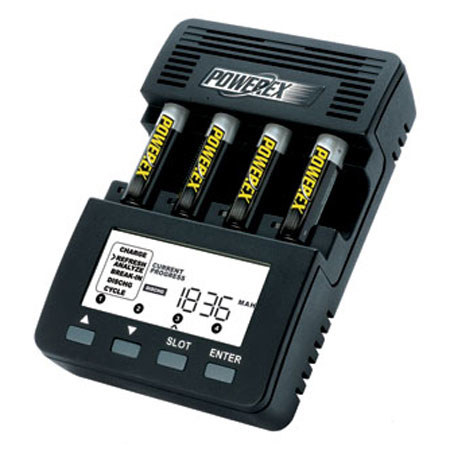
Routine maintenance of lantern 6V batteries.
Maha Powerex MH-C9000 WizardOne Analyzer Advanced break-in and refresh modes tailored for NiMH/NiCd, minimizing memory.
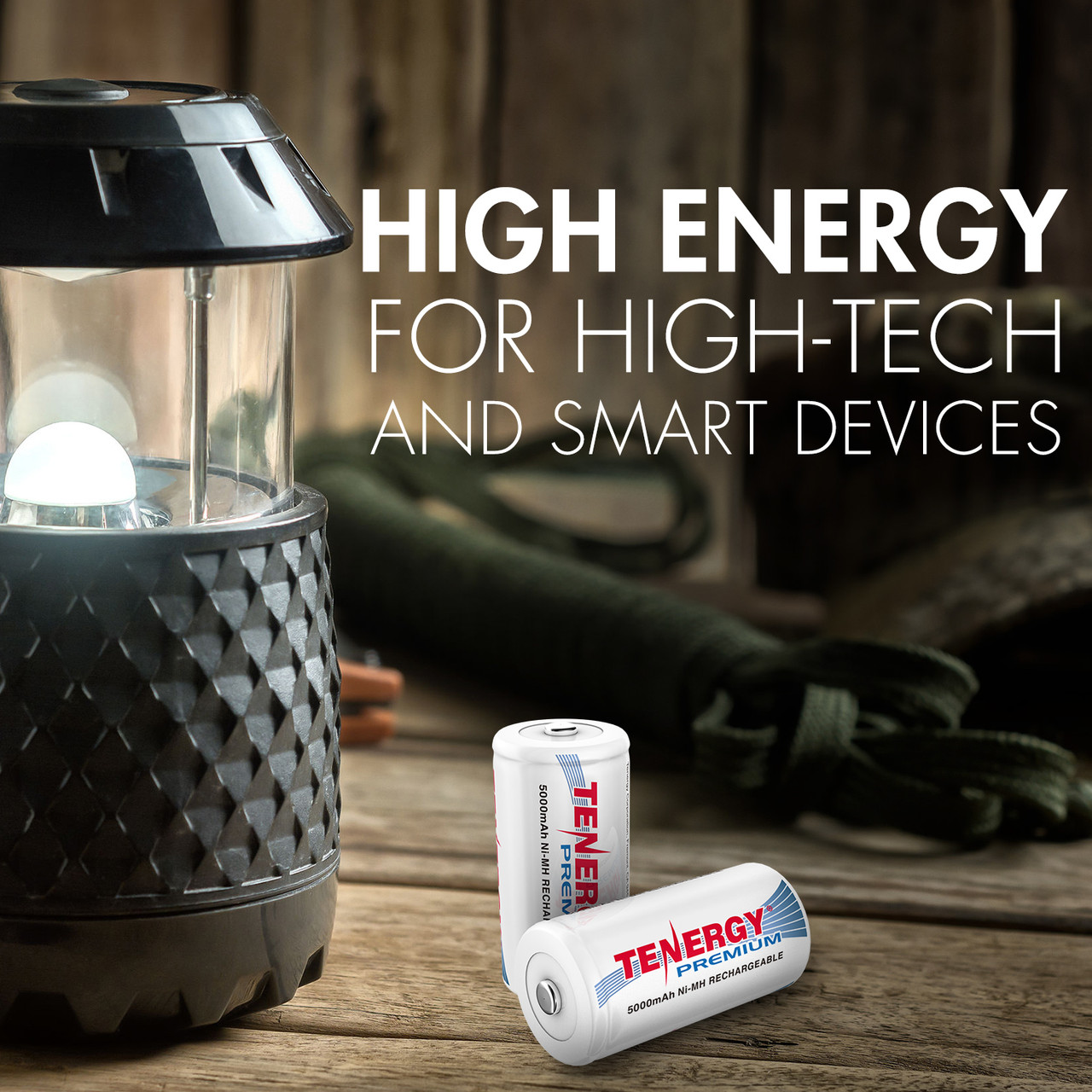
Upgrading from NiCd in flashlights/emergency lights.
Tenergy 6V 5000mAh NiMH Lantern Battery Low memory effect design with high cycle life (500+); direct replacement.
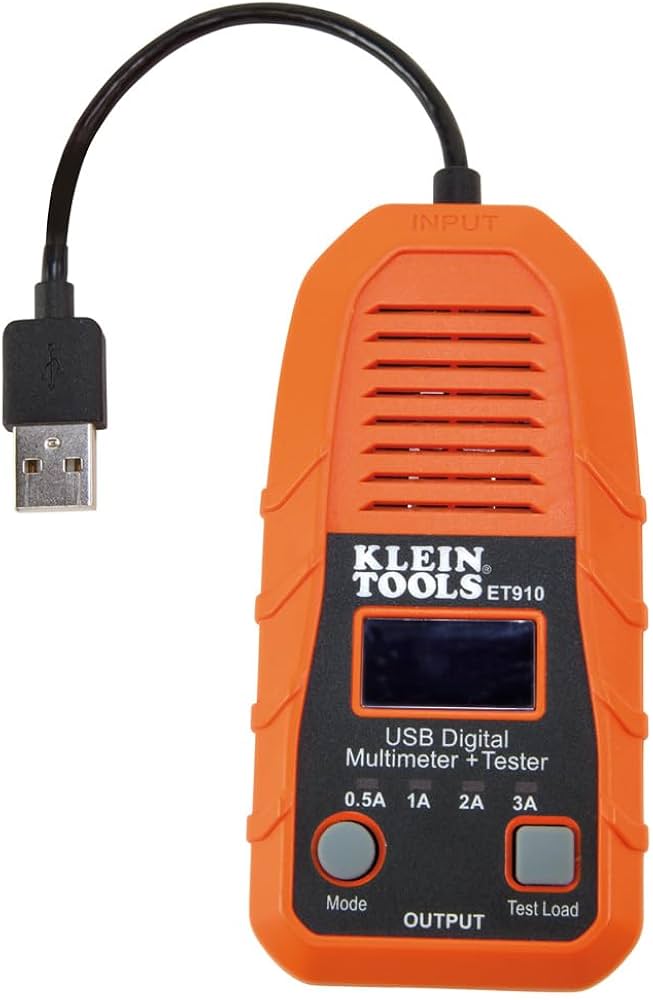
Field checks without full discharge.
Klein Tools ET910 Circuit Tester/Battery Tester Quick voltage/load tests to diagnose memory-induced sag in 6V batteries.
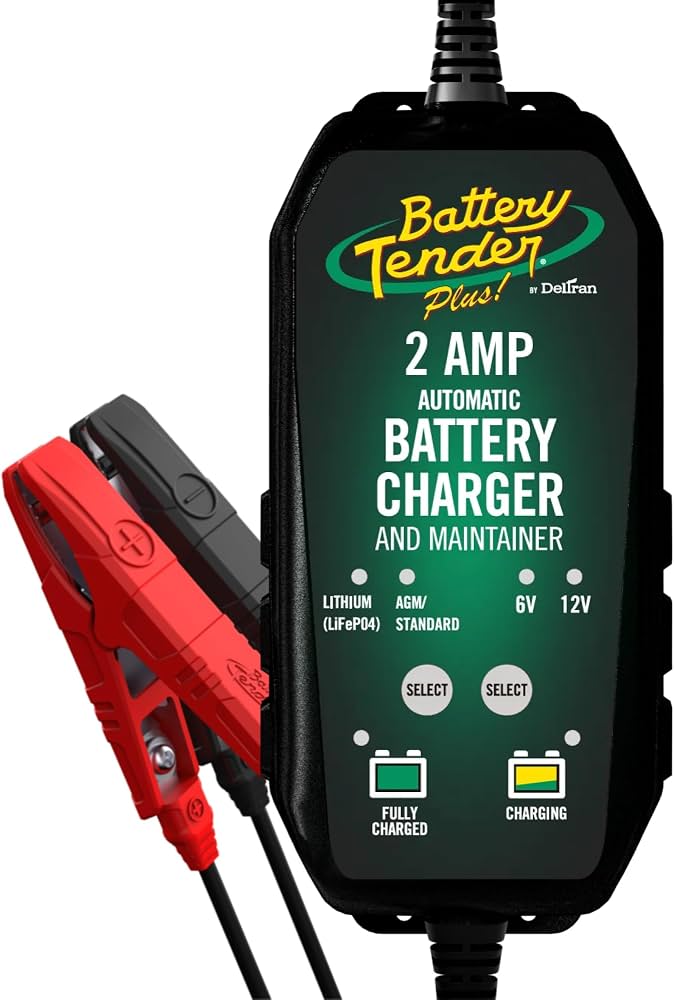
Long-term storage of 6V SLA/NiMH to avoid pseudo-memory.
Battery Tender 6V Charger Smart float charging prevents overcharge while allowing manual deep cycles.