Have you ever opened a remote control or flashlight to find a white, crusty mess eating away at the battery compartment? That's battery leakage, a common frustration with AAA cells that can ruin gadgets and create safety hazards. It's especially prevalent in alkaline AAA batteries used in toys, clocks, and TV remotes.
In this guide, you'll learn exactly what battery leakage is, why it happens, how to safely clean it up, and simple prevention strategies. No technical expertise needed—we break it down with analogies and real-world examples. Expect to spend just 10-15 minutes reading and gain knowledge to save your devices.
By the end, you'll confidently handle and prevent leakage, extending battery life and avoiding costly repairs.
▸What You'll Need
- •Basic household items for cleanup (white vinegar, cotton swabs, gloves—optional but recommended)
- •Knowledge of your devices' battery needs (no prior expertise required)
Estimated Time: 10-15 minutes to read and understand
Difficulty: beginner
▸Step-by-Step Instructions
Step 1: Understand Basic Battery Chemistry
Batteries power our devices through a chemical reaction between metals and electrolytes. In AAA alkaline batteries (most common), zinc and manganese dioxide create electricity, with potassium hydroxide as the electrolyte.
Analogy: Think of it like a water balloon—the electrolyte is the 'water' under pressure. When the battery depletes, this electrolyte can leak out as a corrosive liquid or white powder (potassium carbonate after reacting with air). This matters because AAA cells are small, so leaks spread fast in tight spaces.
Expect a simple foundation: Alkaline batteries self-discharge slowly, building pressure over time.
💡 Tips:
- •Rechargeables like NiMH use different chemistry and leak less.
Step 2: Identify What Battery Leakage Looks Like
Leakage appears as white, crusty corrosion around battery terminals or a brownish liquid. In devices, it etches plastic/metal contacts, causing poor connections or total failure.
Example: In a wall clock, leaked AAA batteries leave powdery residue that expands, cracking the compartment.
Why it matters: Early spotting prevents further damage. Check batteries every 3-6 months in low-drain devices.
⚠️ Warnings:
- •Don't touch leakage with bare hands—it's corrosive like lye.
Step 3: Learn the Main Causes of Leakage
Primary cause: Batteries left installed past expiration or after full discharge. Heat, humidity, mixing old/new batteries, or physical damage accelerate it.
Analogy: Like milk spoiling faster in a hot car—self-discharge generates gas, rupturing the seal.
AAA specifics: Their thin casing makes them prone in high-heat (e.g., outdoor thermometers).
💡 Tips:
- •Store spares in cool, dry places below 68°F (20°C).
Step 4: Spot Risk Factors in Your Devices
Low-drain devices like remotes are biggest culprits—batteries sit idle, self-discharging. Check expiration dates (usually 5-10 years out).
What to expect: Test with a battery tester if unsure; voltage below 1.2V per cell signals risk.
Step 5: Safely Remove Leaked Batteries
Wear gloves, remove batteries promptly. Place in plastic bag; don't short-circuit by touching terminals.
Why: Leakage is alkaline (pH 12+), burning skin/eyes. Dispose as hazardous waste.
Tip: Use pliers for stuck batteries.
⚠️ Warnings:
- •Never puncture batteries—risk of explosion.
Step 6: Clean Up the Damage
Wipe residue with vinegar-soaked swab (acid neutralizes base). Let dry fully, scrub stubborn spots with baking soda paste.
Rinse contacts with isopropyl alcohol. Test device after.
💡 Tips:
- •Vinegar fizzing is normal—neutralization reaction.
Step 7: Prevent Leakage: Choose Leak-Resistant Batteries
Opt for lithium AAA (no liquid electrolyte) or low-self-discharge NiMH rechargeables. Avoid cheap generics.
Step 8: Adopt Proper Usage Habits
Remove batteries from unused devices. Never mix sizes/ages. Store upright in original packaging.
💡 Tips:
- •Label install date on devices.
▸Pro Tips
- •Rotate batteries in high-use devices monthly.
- •Use battery testers ($5-10) to check before install.
- •Keep devices in 50-77°F (10-25°C) environments.
- •For remotes, switch to rechargeable AAA with smart charger.
- •Buy in small packs to avoid long storage.
- •Insulate terminals with tape for spares.
- •Humidity packs in storage boxes prevent moisture.
▸Common Mistakes to Avoid
- •Leaving batteries in devices year-round—leads to self-discharge leaks; remove quarterly.
- •Mixing old and new batteries—causes uneven drain; always replace all at once.
- •Ignoring expiration dates—batteries leak faster post-expiry; check yearly.
- •Storing in hot/humid spots—accelerates corrosion; use cool drawers.
- •Using bare hands on leaks—causes burns; always glove up.
▸Troubleshooting
Problem: Device won't work after cleaning
Solution: Contacts may still be etched—sand lightly with fine grit or replace device springs. Test with fresh batteries.
Problem: Ongoing leaks despite prevention
Solution: Switch to lithium primaries or NiMH rechargeables. Check for device manufacturing defects.
Problem: Skin irritation from handling
Solution: Rinse with vinegar/water, seek medical if persistent. Prevent with gloves next time.
Energizer Ultimate Lithium AAA Batteries, 8 Count
Lithium chemistry eliminates leakage risk entirely, lasts up to 20 years in storage.
Best for: Ideal for low-drain devices like remotes and clocks where batteries sit unused.
Price Range: $10-$15
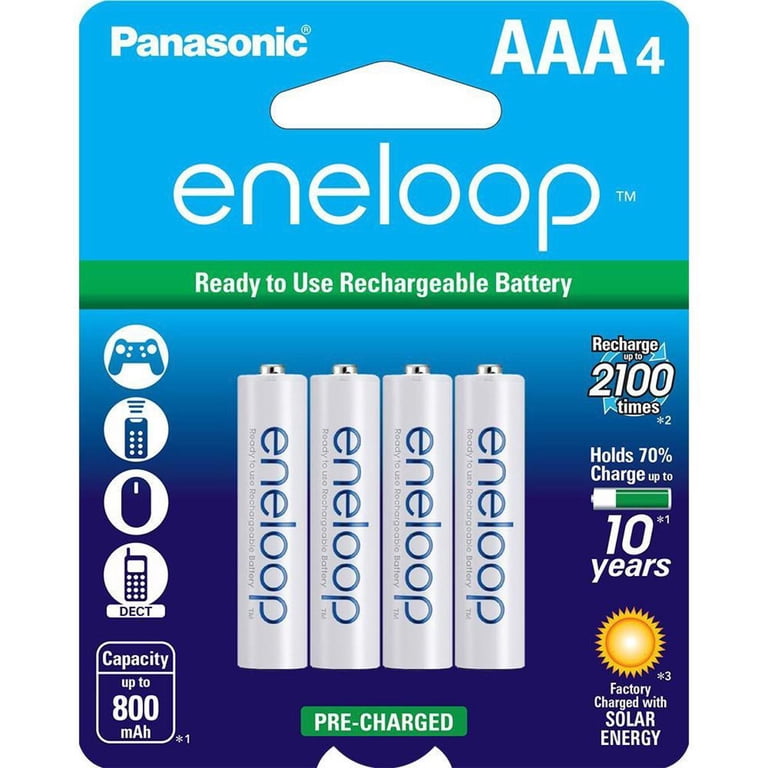
Panasonic Eneloop AAA Rechargeable Batteries, 4 Pack
Low self-discharge NiMH tech retains 70% charge after 10 years, minimal leak risk with proper charging.
Best for: High-use gadgets like toys; recharge hundreds of times to save money.
Price Range: $8-$12
Duracell Optimum AAA Batteries, 6 Pack
Advanced alkaline formula with leak protection, longer life than standard.
Best for: Budget-friendly upgrade for everyday devices when lithium isn't needed.
Price Range: $7-$10
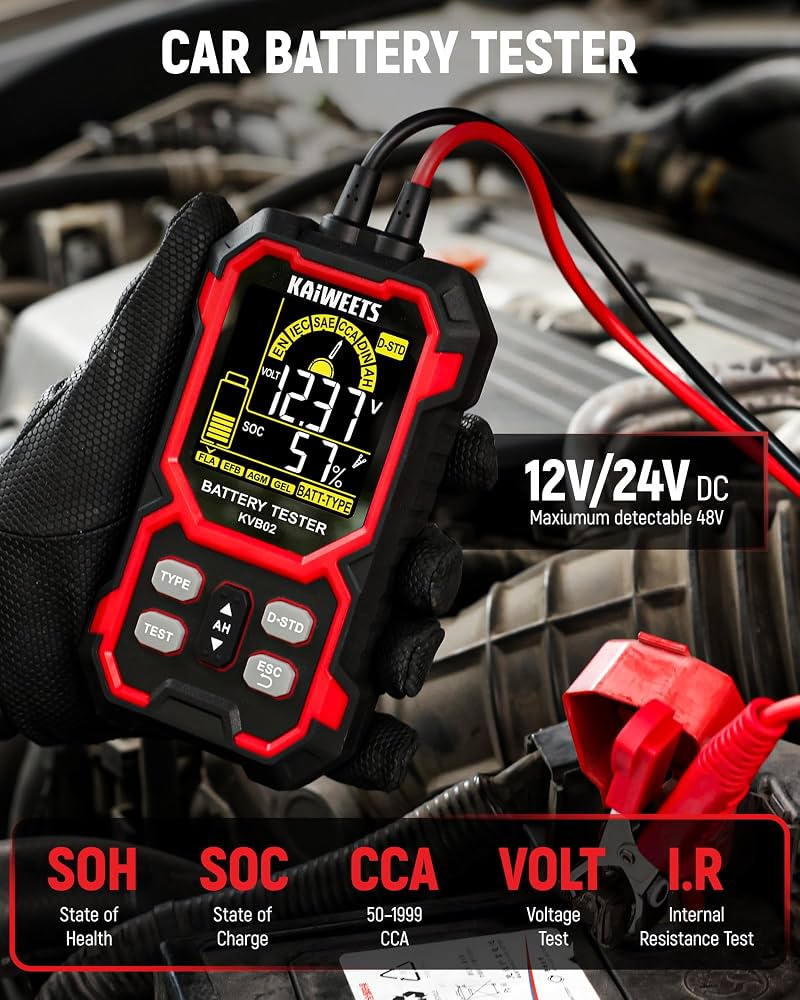
KAIWEETS Battery Tester
Checks voltage to spot weak batteries before leaks occur.
Best for: Test all AAA cells routinely.
Price Range: $10-$15