Have you ever tossed a seemingly dead 12V lead-acid battery from your car, boat, or RV, only to learn it could have been saved? Sulfation is the silent killer of these batteries, causing up to 80% of failures. It builds up over time, reducing capacity and performance, but battery desulfation offers a way to break it down and restore power.
In this guide, you'll learn what sulfation is, why it happens, and how desulfation works—using clear analogies like unclogging a pipe. We'll break down the science, methods (DIY and pro), and when to try it. Expect conceptual clarity plus actionable steps; no advanced electrical engineering required, just intermediate DIY knowledge.
By the end, you'll know if your battery is salvageable, saving $50-200 per battery. Time investment: quick read with optional hands-on tests.
▸What You'll Need
- •Multimeter for voltage and specific gravity tests (required for diagnosis)
- •Distilled water (for topping up electrolyte)
- •Safety gear: gloves, goggles, baking soda for acid spills (required)
- •Battery charger with desulfation mode (optional but recommended)
- •Basic knowledge of lead-acid battery terminals and polarity
Estimated Time: 15-20 minutes to read; 1-2 hours for optional DIY desulfation test
Difficulty: intermediate
▸Step-by-Step Instructions
Step 1: Understand Lead-Acid Batteries Basics
Lead-acid batteries, common in 12V systems like cars and solar setups, store energy via chemical reactions between lead plates and sulfuric acid electrolyte.
Analogy: Think of it as a bucket of acid dipping lead sponges—charging 'squeezes' energy in, discharging pulls it out. Over 12V batteries have six 2V cells in series.
Why it matters: Desulfation targets these plates. Expect to grasp why sulfation clogs them like mineral buildup in pipes.
💡 Tips:
- •Visualize plates as alternating positive (PbO2) and negative (Pb) soaked in H2SO4.
Step 2: What is Sulfation?
Sulfation occurs when lead sulfate (PbSO4) crystals harden on the battery plates during discharge, especially if left undercharged.
Example: Normal discharge forms soft PbSO4 that reconverts to lead/peroxide on charge. Chronic undercharge or deep discharge hardens it into 'sulfate rocks,' blocking electrolyte flow.
This reduces capacity by 10-50%; batteries read 12.6V but die under load. Why care? It shortens life from 3-5 years to months.
⚠️ Warnings:
- •Don't confuse with plate sulfation—it's irreversible damage.
Step 3: Causes of Sulfation
Key culprits: Leaving batteries discharged below 12.2V, high temperatures (>77°F/25°C), over-discharging, or using incompatible chargers.
Real-world: In RVs stored offseason without maintenance chargers, sulfation builds fast. Heat accelerates it 2x per 10°C rise.
Prevention starts here—understanding triggers helps you desulfate proactively.
💡 Tips:
- •Use a float charger for storage to keep at 13.2-13.8V.
Step 4: Effects of Sulfation on Performance
Symptoms: Slow cranking, bloated case, low specific gravity (<1.225), voltage drops under load.
Test it: Load test shows <9.6V after 15s—sulfated. Analogy: Like rust in engine—looks fine, fails when needed.
Untreated, it leads to total failure; desulfation can recover 70-90% capacity if caught early.
Step 5: What is Battery Desulfation?
Desulfation dissolves or breaks down those hard PbSO4 crystals using high-frequency pulses, chemical additives, or equalizing charges.
How it works: Pulses (1-15kHz) vibrate crystals loose without overheating plates. Analogy: Ultrasonic jewelry cleaner shattering grime.
Success rate: 60-80% for mild cases; restores Ah capacity and CCA.
💡 Tips:
- •Early intervention key—crystals grow irreversibly after 1-2 months.
Step 6: Methods of Desulfation
- •Pulse Desulfators: Electronic devices send MHz pulses.
- •Smart Chargers: Modes like 'repair' or 'recondition' (e.g., high-voltage equalization).
- •Chemical: EDTA or Epsom salts (DIY, less reliable).
- •Manual: Cycling charge/discharge.
Choose based on battery state—pulses safest for 12V lead-acid.
⚠️ Warnings:
- •Avoid over-pulsing; can warp plates.
Step 7: How to Diagnose and Perform Basic Desulfation
- •Safety first: Disconnect, ventilate.
- •Test voltage (<12.4V resting = candidate).
- •Check electrolyte (hydrometer <1.225).
- •Connect desulfator 24-72 hrs.
- •Retest.
Expect: Gradual voltage rise. Why: Pulses reconvert sulfate.
💡 Tips:
▸Pro Tips
- •Always fully charge before desulfating to soften crystals.
- •Use in a cool, dry area—heat halves effectiveness.
- •Combine with distilled water top-up for best results.
- •Test monthly during storage to catch early sulfation.
- •For solar setups, pair with MPPT controller.
- •Cycle battery 3x post-desulfation to stabilize.
- •Log voltage readings daily during process.
▸Common Mistakes to Avoid
- •Desulfating severely damaged batteries—wastes time; check for shorts first.
- •Ignoring polarity—can explode battery; double-check +/-.
- •Using on non-lead-acid (e.g., lithium)—damages chemistry.
- •Impatient rushing: Needs 24+ hours; under 12hrs fails.
- •No post-test: Assume success without load test.
▸Troubleshooting
Problem: No voltage improvement after 48hrs
Solution: Battery too far gone or sulfation too hard—try chemical method or replace. Retest connections.
Problem: Battery overheating
Solution: Disconnect immediately, let cool, reduce pulse strength or time. Check electrolyte level.
Problem: Sparking or fizzing
Solution: Clean corroded terminals with baking soda. Ensure proper ventilation for gases.
Problem: Desulfator not pulsing (LED off)
Solution: Verify 12V input power; test battery voltage >10V. Seek pro if persists.
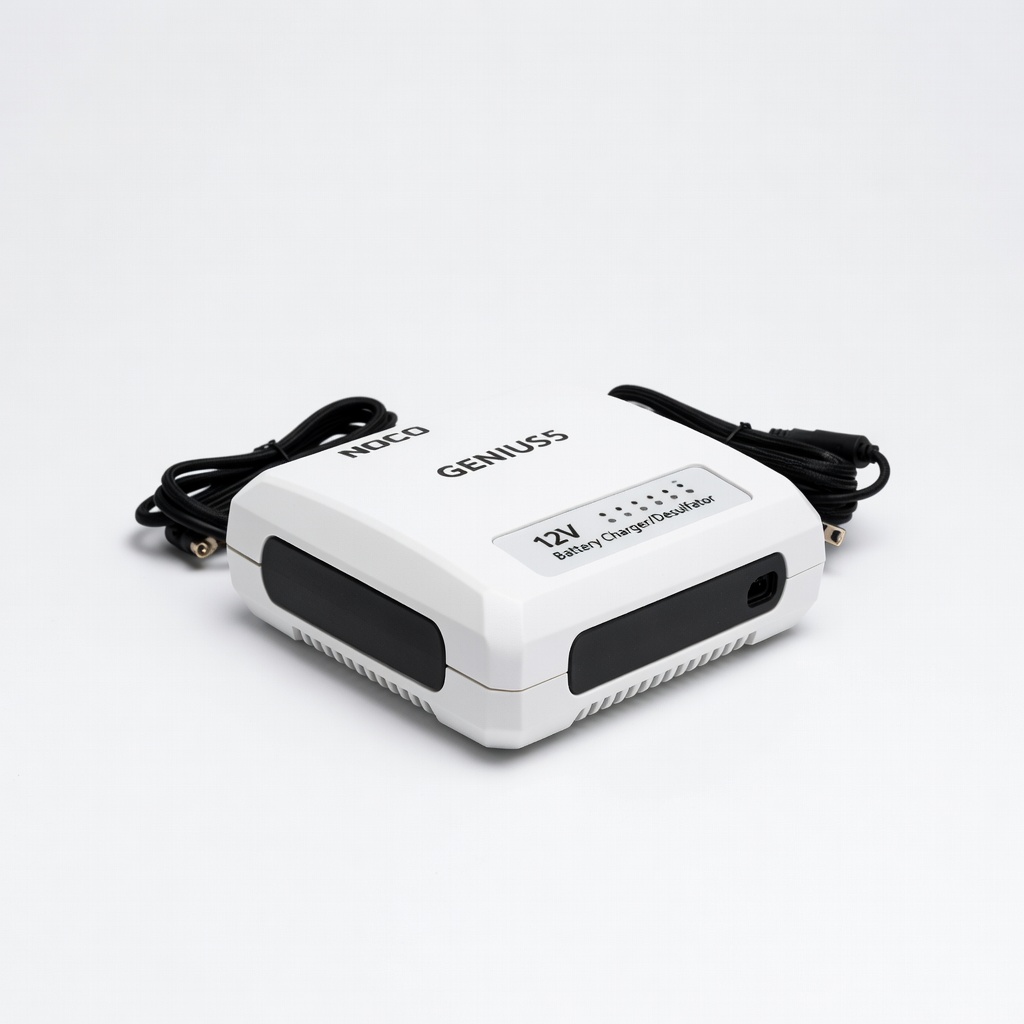
NOCO GENIUS5 12V Battery Charger/Desulfator
Built-in desulfation/repair mode safely pulses to dissolve sulfate; 5A charge for quick recovery.
Best for: Ideal for cars, motorcycles; auto-detects sulfation and runs 4-24hrs cycles.
Price Range: $59.95
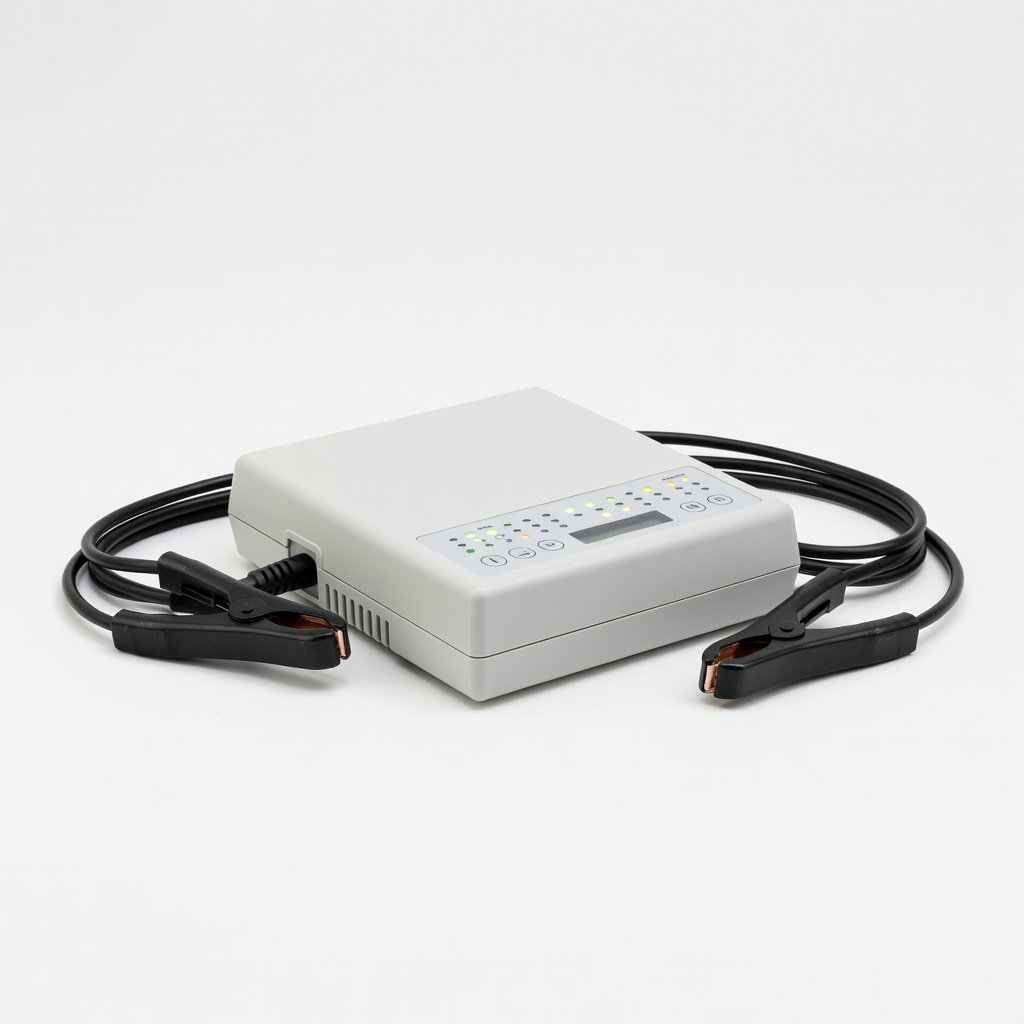
BatteryMINDer 2012-12V Desulfator/Charger
Dedicated 1.5A model with 4-stage desulfation proven on 12V lead-acid; temperature compensated.
Best for: Long-term maintenance for RVs, boats; solar-compatible.
Price Range: $99.95
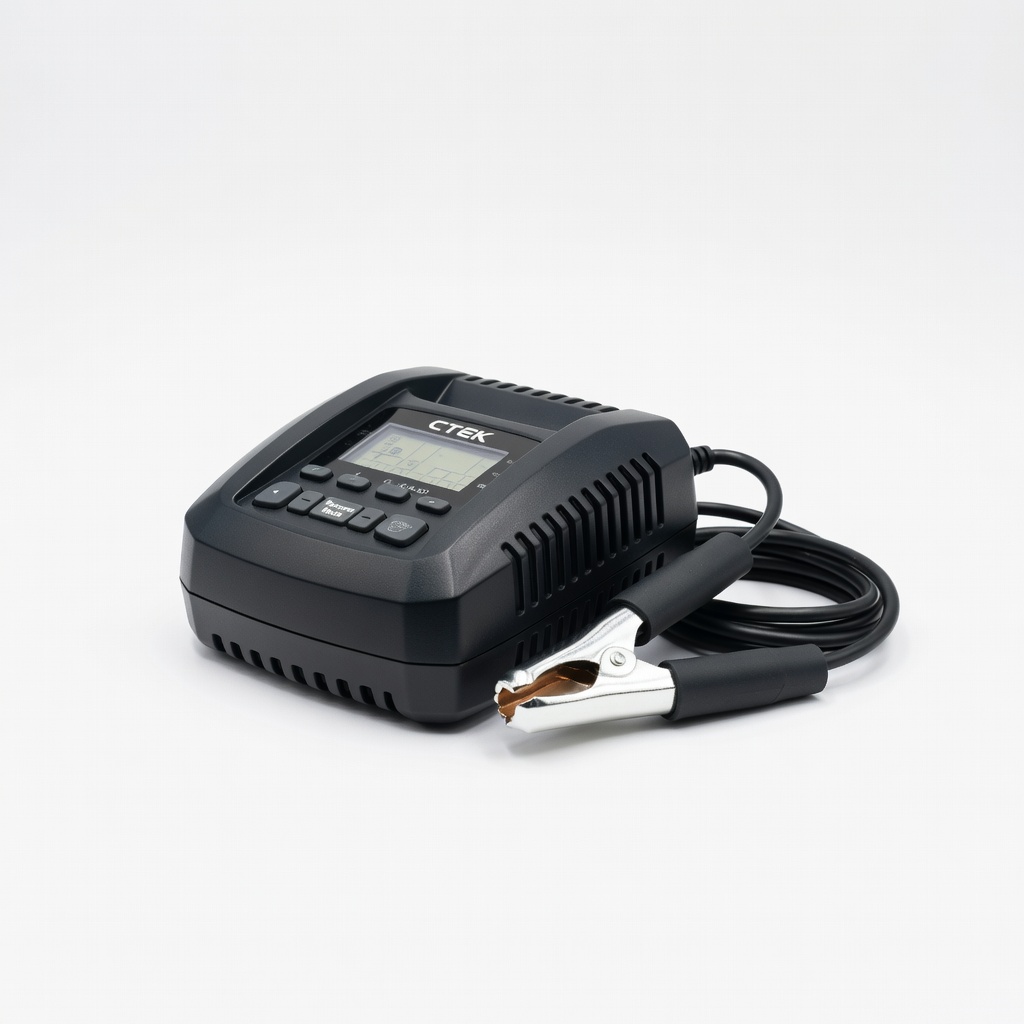
CTEK MUS 4.3 Battery Charger with Recond Mode
Recond mode desulfates via patented pulse; IP65 waterproof for outdoor use.
Best for: Marine/solar 12V batteries; reconditions deep sulfation.
Price Range: $89.99
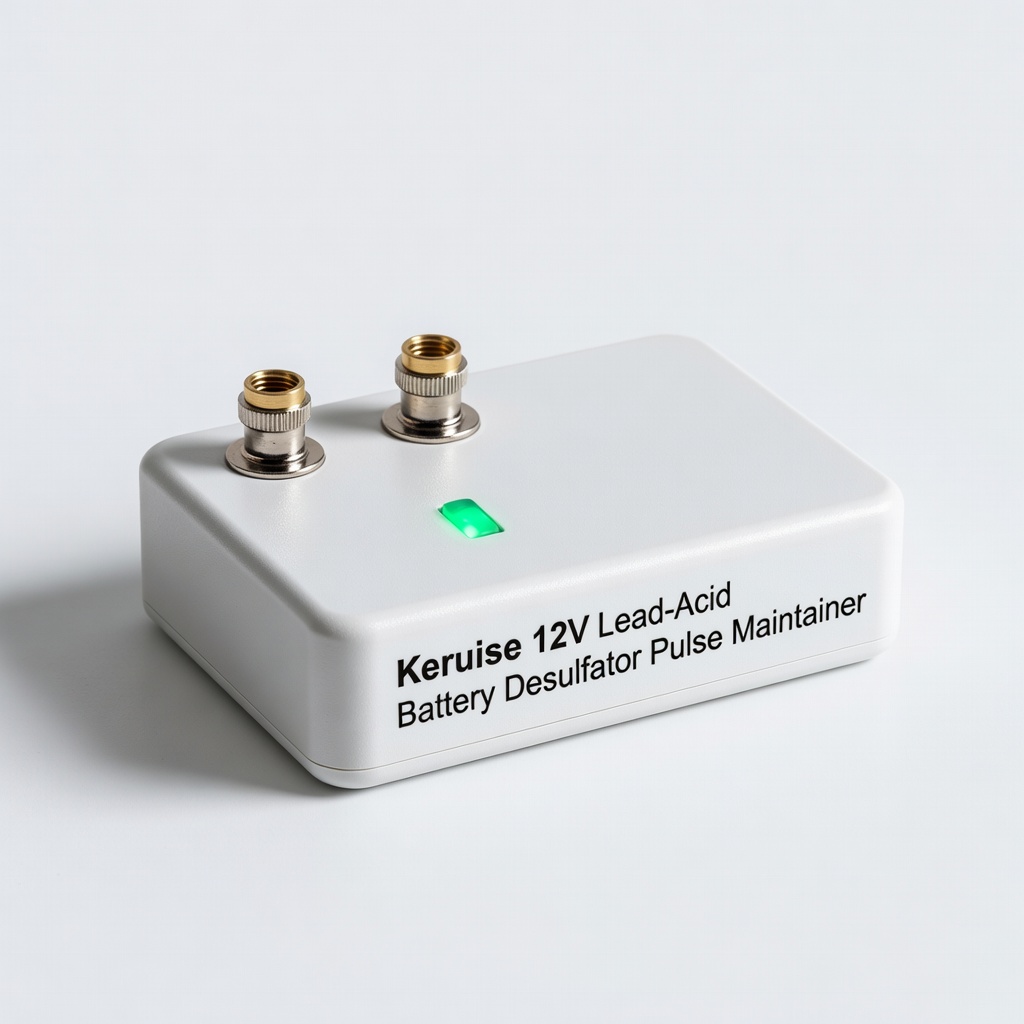
Keruise 12V Lead-Acid Battery Desulfator Pulse Maintainer
Affordable dedicated pulser prevents sulfation during storage; plug-and-play.
Best for: Budget option for garage storage; always-on prevention.
Price Range: $19.99