
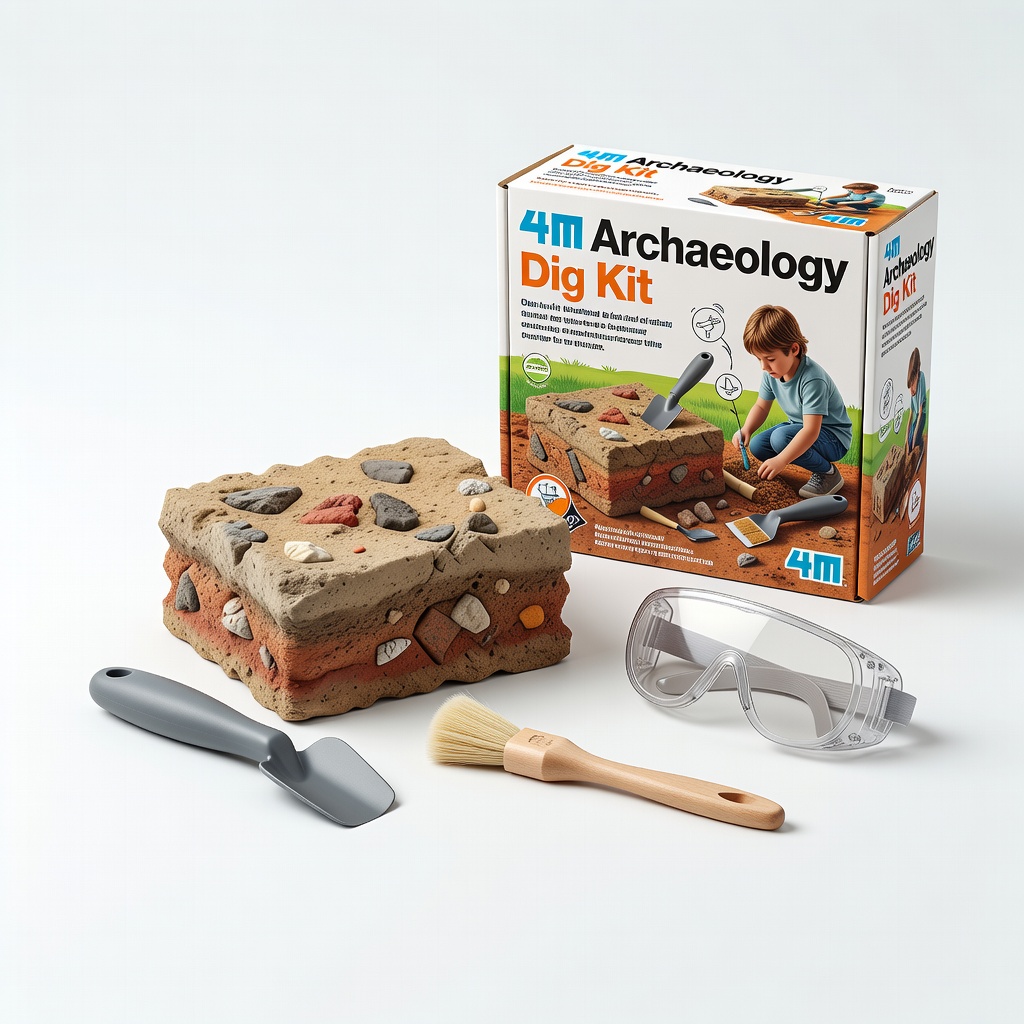
4M Archaeology Dig Kit
Indoor training before real digs; great for kids or solo hobbyists.
$14.99
4M Archaeology Dig Kit Perfect all-in-one for beginners with real tools and replica dig site to practice safely.
Get the App
Better experience on mobile
Learn essential tools, safety gear, and top beginner kits to uncover history like a pro without breaking the bank.
Ever dreamed of unearthing ancient treasures like Indiana Jones, but wondered where to start? Archaeology dig equipment makes it accessible for beginners, turning your backyard or local site into a historical adventure. Whether you're a hobbyist, student, or parent sparking curiosity in kids, understanding the right tools prevents frustration and ensures safe, effective digs.
In this guide, you'll discover what archaeology dig equipment is, break down must-have tools with real-world examples, and explore beginner kits that bundle everything you need. We'll use simple analogies—like comparing a trowel to a surgeon's scalpel—to demystify concepts. No prior experience required; expect to grasp the basics in under 30 minutes and be ready for your first dig.
This explainer covers everything from core tools to safety gear, helping you avoid common pitfalls and choose kits wisely for authentic discoveries.
Estimated Time: 20-30 minutes to read and understand Difficulty: beginner
Archaeology digs involve carefully excavating soil to find artifacts like pottery shards, bones, or tools from past civilizations. Unlike treasure hunting, it's scientific—think of it as piecing together a giant 3D puzzle of human history.
Equipment is categorized into digging, screening, documenting, and safety tools. Beginners start small to avoid damaging finds. Expect layers of soil: topsoil (loose, modern), subsoil (sterile), then features like hearths or burials.
Why it matters: Proper gear protects fragile artifacts and ensures ethical practices, like recording context (where/when found).
💡 Tips:
A trowel is your precision scalpel—a pointed, flat blade for scraping soil in thin layers (1-2 cm at a time). Use it to define edges of features without stabbing.
Shovels (like square-mouth spades) remove bulk topsoil quickly but never near artifacts. Analogy: Trowel for surgery, shovel for clearing the operating room.
Expect rust if cheap; invest in stainless steel for longevity.
⚠️ Warnings:
Sieves (mesh screens in 1/4-inch or 1/8-inch sizes) sift dirt to catch tiny finds like seeds or bone fragments. Stack them over buckets for water screening (wet sieving) in muddy sites.
Buckets organize 'spoil' (dug dirt). Why essential? 90% of artifacts are micro-sized; skipping screening loses data.
Pro setup: Line sieves with plastic for easy cleaning.
💡 Tips:
Record everything: Use measuring tapes (metric), line levels, and grids (string tied to stakes) for provenience (exact location).
Notebooks with graph paper log depths, photos via phone apps like DigBuddy. Analogy: GPS for time-travelers.
Digital tools like total stations are pro-level; beginners stick to basics.
Kneeling pads, gloves (nitrile for dexterity), dust masks, hats, and steel-toe boots guard against hazards like sharp rocks or tetanus.
Sunscreen and hydration prevent heatstroke on long days. Why? Digs are physical; injuries halt progress.
Expect dusty work—masks filter silica.
⚠️ Warnings:
Kits bundle 10-20 tools for $15-50, simulating real digs with plaster 'sites' hiding replicas (bones, fossils). Perfect for practice.
Contents: Trowel, brush, chisel, magnifier, storage bags. Brands like National Geographic teach context via guides.
Transition to real digs after 2-3 kits.
💡 Tips:
Pick kits with real tools (not plastic) and diverse finds. Use: Chisel block, brush away matrix, log 'finds'.
Why kits? Builds muscle memory for real sites. Expect 1-2 hours per kit.
Scale up: Add personal trowel post-kit.
Problem: Tools rusting after use
Solution: Dry immediately, apply WD-40, store in dry bag.
Problem: Missed tiny artifacts in sieve
Solution: Use finer mesh (1/16-inch) and double-screen.
Problem: Back pain from kneeling
Solution: Invest in thick knee pads; take 10-min breaks hourly.
Problem: Unsure if site is legal
Solution: Check state archaeology office or apps like Pocket Heritage; seek club guidance.
Perfect all-in-one for beginners with real tools and replica dig site to practice safely.
Best for: Indoor training before real digs; great for kids or solo hobbyists.
Price Range: $14.99
Includes 15 real specimens and pro tools like chisel/brush for authentic experience.
Best for: Family learning or first fossil hunts; teaches identification.
Price Range: $29.99
Durable stainless steel withstands heavy use; ergonomic for long sessions.
Best for: Essential upgrade from kits for backyard or field digs.
Price Range: $11.99
Soft synthetic brushes in assorted sizes prevent scratching delicate finds.
Best for: Detail cleaning artifacts post-excavation.
Price Range: $19.99
Touchscreen-compatible nitrile for grip/dexterity without bulk.
Best for: Daily protection from dirt, thorns, and sharp edges.
Price Range: $14.99
Indoor training before real digs; great for kids or solo hobbyists.
4M Archaeology Dig Kit Perfect all-in-one for beginners with real tools and replica dig site to practice safely.
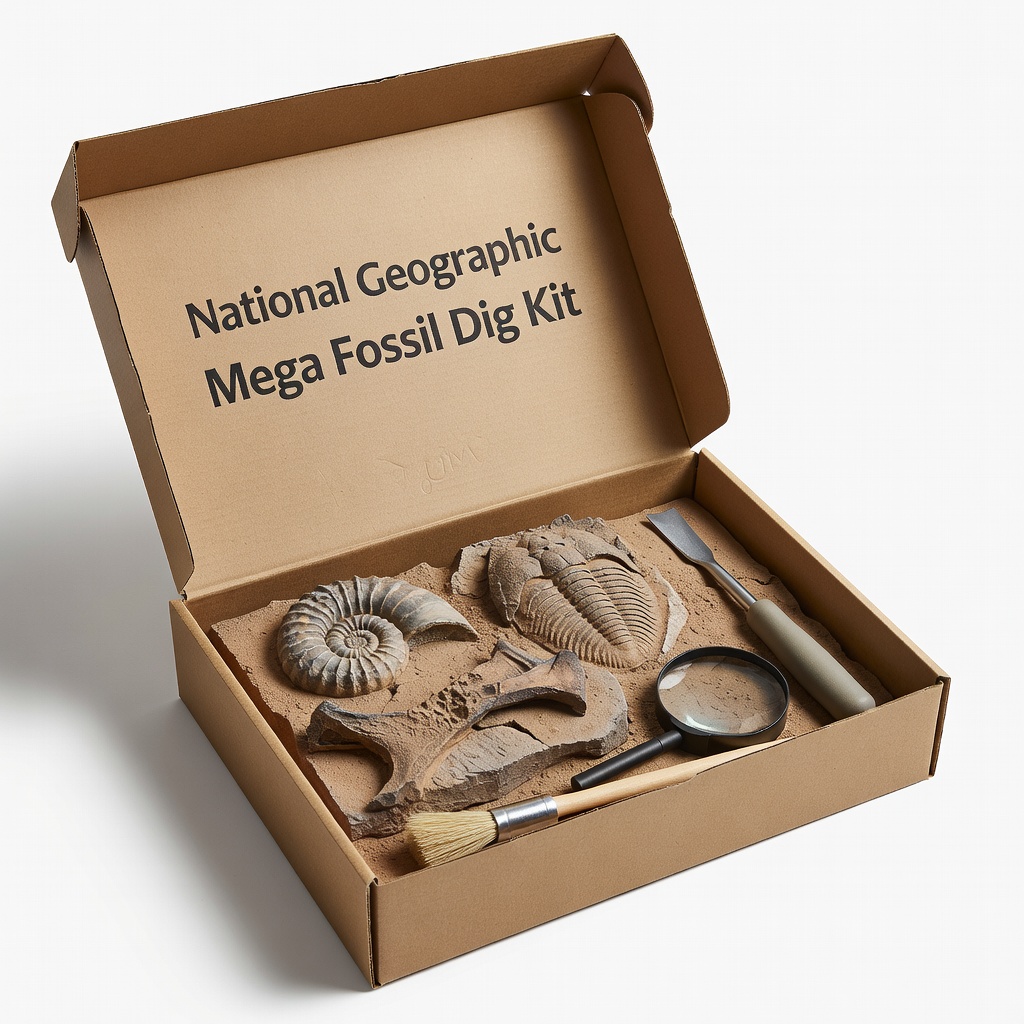
Family learning or first fossil hunts; teaches identification.
National Geographic Mega Fossil Dig Kit Includes 15 real specimens and pro tools like chisel/brush for authentic experience.
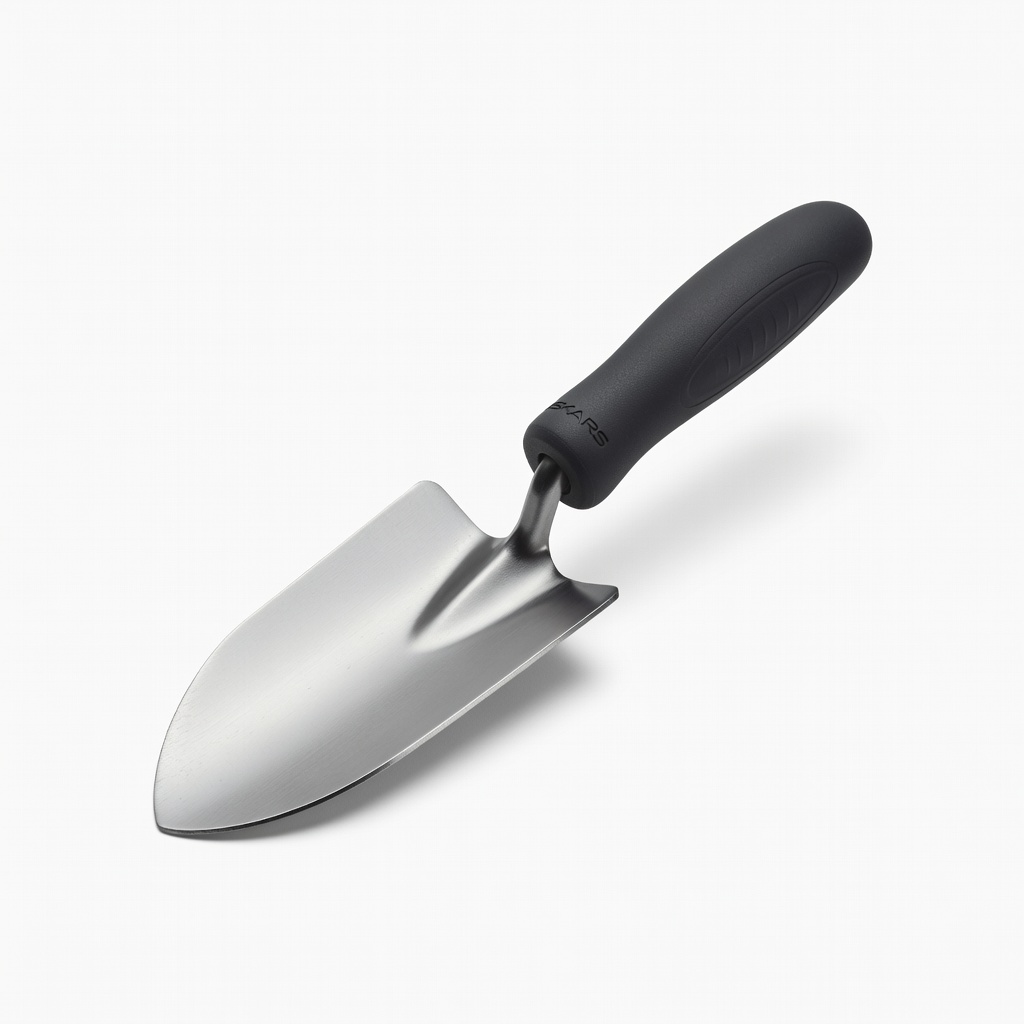
Essential upgrade from kits for backyard or field digs.
Fiskars Steel Digging Trowel Durable stainless steel withstands heavy use; ergonomic for long sessions.
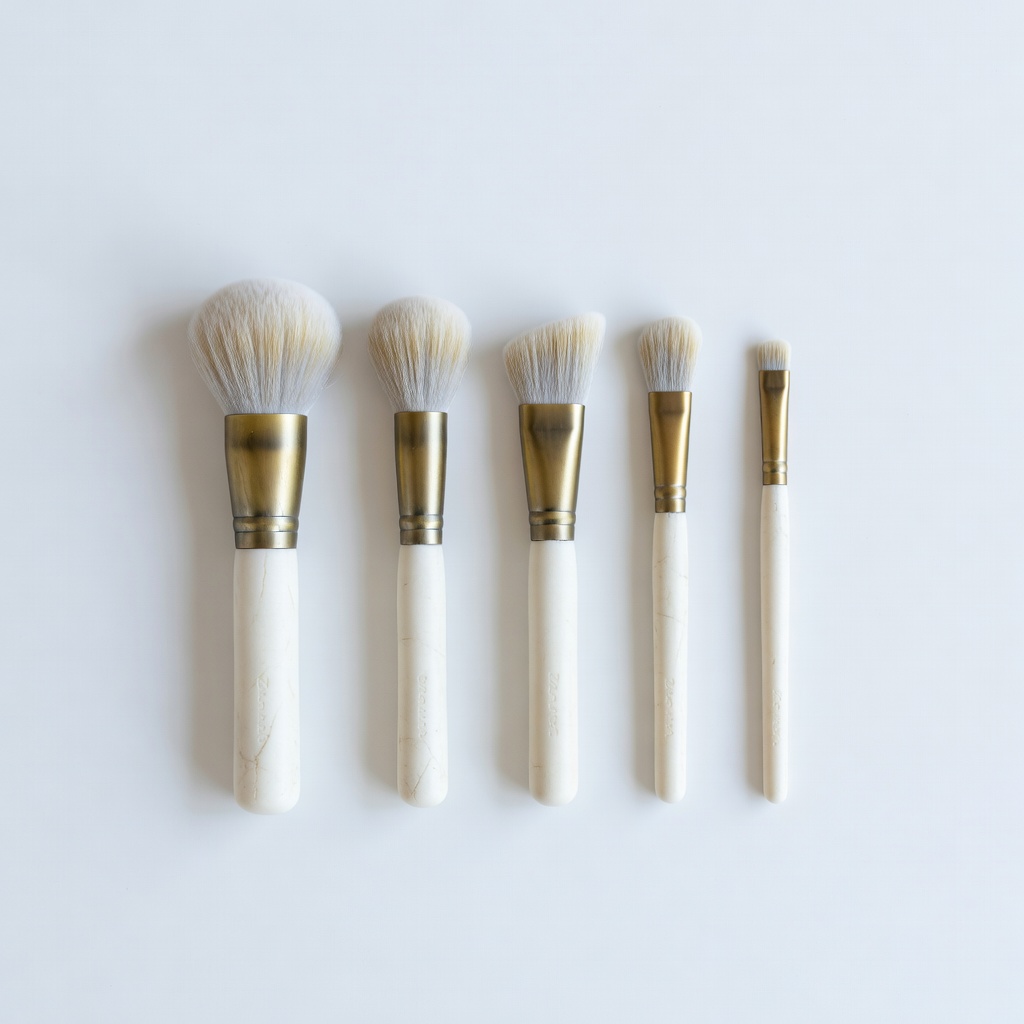
Detail cleaning artifacts post-excavation.
Zenith Angelic Archaeology Brush Set Soft synthetic brushes in assorted sizes prevent scratching delicate finds.
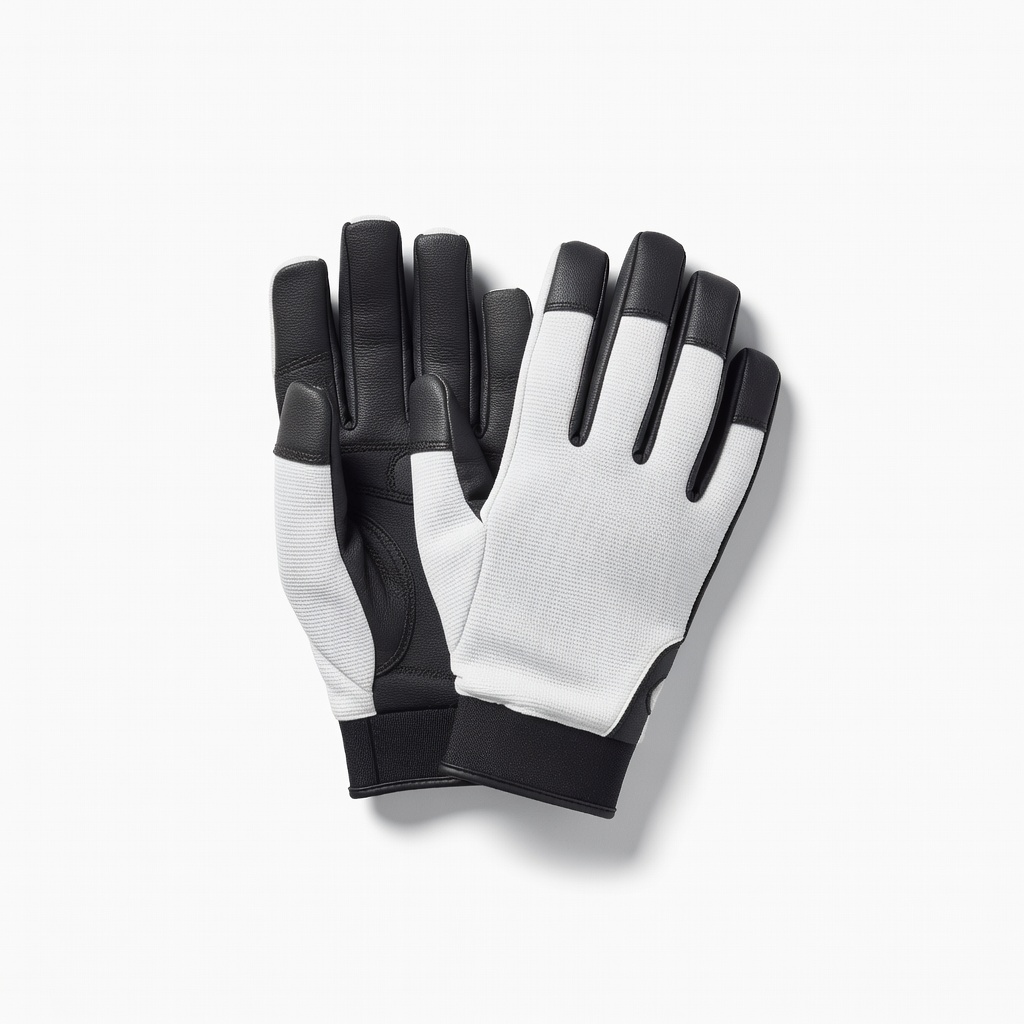
Daily protection from dirt, thorns, and sharp edges.
Mechanix Wear FastFit Gloves Touchscreen-compatible nitrile for grip/dexterity without bulk.