
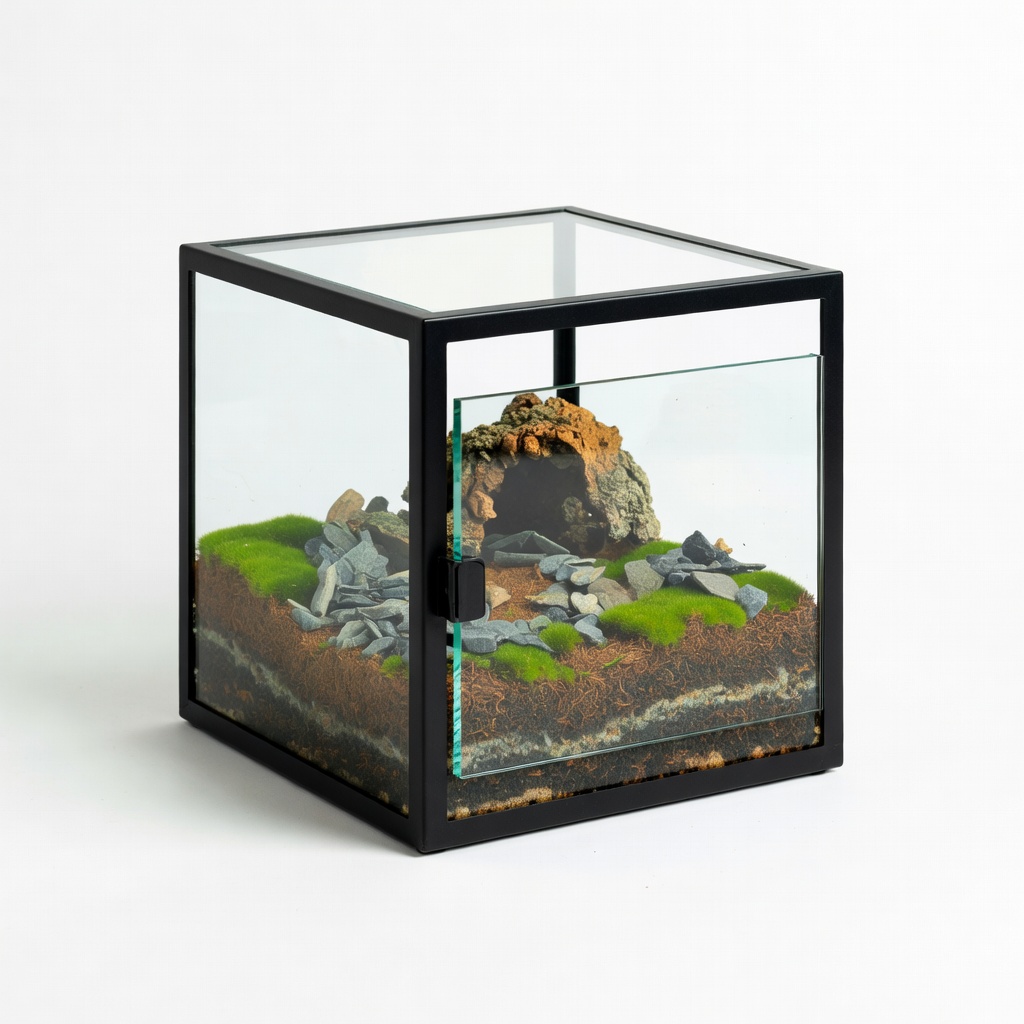
Exo Terra Mini Glass Terrarium 8x8x8 Inch
Housing juveniles or small terrestrials like Chilean Rose.
$29.99
Exo Terra Mini Glass Terrarium 8x8x8 Inch Secure, ventilated starter home with perfect size for beginner tarantulas.
Get the App
Better experience on mobile
Master the basics of keeping exotic pets like tarantulas healthy and thriving with simple, expert tips tailored for new owners.
Tarantulas are captivating exotic pets known for their striking colors, unique behaviors, and low-maintenance vibe—but neglecting their specific needs can lead to health issues or stress. Many beginners dive in without realizing that these arachnids aren't like cats or dogs; they require precise habitats mimicking their natural environments. This guide breaks it down so you can provide top-notch care from day one.
You'll learn the core elements of tarantula husbandry: housing, feeding, climate control, handling, and health monitoring. Whether you're eyeing a docile Chilean Rose or a Curly Hair, this explainer equips you with actionable knowledge. Expect a straightforward read—no advanced biology needed.
By the end, you'll confidently set up and maintain a happy tarantula setup. This takes about 20-30 minutes to absorb, with beginner-friendly steps you can apply immediately.
Estimated Time: 20-30 minutes to read and plan setup Difficulty: beginner
Tarantulas (Theraphosidae family) are arachnids from diverse habitats like deserts, rainforests, or grasslands. Beginners should start with docile 'display' species like the Chilean Rose (Grammostola rosea) or Mexican Red Knee (Brachypelma smithi)—they're hardy, slow-moving, and forgiving.
Why it matters: Each species has unique needs (e.g., arid vs. humid). Terrestrial types burrow; arboreals climb. Expect a lifespan of 5-25 years for females.
Research via reputable breeders to avoid wild-caught pets with parasites.
💡 Tips:
⚠️ Warnings:
Choose a secure glass or plastic terrarium: minimum 2-3x the tarantula's leg span in width/length for terrestrials (e.g., 8x8x8 inches for slings). Use a screen top for ventilation.
Why it matters: Poor housing causes stress, escapes, or death. Add hides (cork bark, half-logs) on one side for security—tarantulas are nocturnal recluses.
Secure lid with clips; place away from drafts, direct sun, or pets.
💡 Tips:
⚠️ Warnings:
Use 2-4 inches of moist substrate like coconut coir, peat moss, or vermiculite-topsoil mix. Avoid sand or cedar—it harbors mites or dries out.
Why it matters: Substrate maintains humidity and allows burrowing. Lightly mist one side weekly for a humidity gradient (dry/wet zones).
Expect burrowing behavior; replace fully every 3-6 months.
💡 Tips:
⚠️ Warnings:
Aim for 75-85°F (24-29°C) ambient, with a warm side up to 90°F. Humidity: 50-70% for most beginners (higher for tropicals). Use a digital hygrometer/thermometer.
Why it matters: Wrong levels lead to dehydration, respiratory issues, or failed molts. Under-tank heaters (UTH) on one side work best—no overhead lamps needed.
Monitor daily; adjust with misting or ventilation.
💡 Tips:
⚠️ Warnings:
Feed juveniles 2-3x/week, adults weekly: appropriately sized insects (prey no wider than abdomen). Favorites: crickets, dubia roaches, mealworms. Gut-load insects 24 hours prior.
Why it matters: Nutrition supports growth/molting. Always a shallow water dish (pebble-filled to prevent drowning).
Remove uneaten prey after 24 hours to avoid injury.
💡 Tips:
⚠️ Warnings:
Minimal handling—use a paintbrush or cup to move. Clean spot-clean weekly (remove waste); deep clean quarterly.
Why it matters: Stress from handling shortens life; urate 'poop' builds bacteria.
Wear gloves if nervous; observe more than touch.
💡 Tips:
⚠️ Warnings:
Signs of health: active, plump abdomen, clear eyes. Watch for lethargy, shriveled abdomen (dehydration), or lost legs (regrow post-molt).
Why it matters: Molting (shedding exoskeleton) takes 15-60 minutes; provide privacy, high humidity.
Vet if blackening, twitching, or no eating >1 month.
💡 Tips:
⚠️ Warnings:
Problem: Tarantula not eating
Solution: Common in molting or winter; ensure temp/humidity right, offer variety. If >1 month, check for illness.
Problem: Mites or mold
Solution: Spot-clean, dry out, replace substrate. Isolate if severe; bathe T.
Problem: Failed molt or stuck fangs
Solution: Boost humidity to 80%; provide deep moist substrate. Seek exotic vet if deformed.
Problem: Dehydration (shriveled abdomen)
Solution: Offer water bath; mist more. Monitor recovery.
Secure, ventilated starter home with perfect size for beginner tarantulas.
Best for: Housing juveniles or small terrestrials like Chilean Rose.
Price Range: $29.99
Expands to ideal burrowing substrate; holds humidity without mold.
Best for: Base layer for most enclosures—replaces messy soil.
Price Range: $9.99
Accurate dual monitoring essential for precise climate control.
Best for: Daily checks in enclosure to prevent health issues.
Price Range: $19.99
Safe under-tank heat for warm side without drying air.
Best for: Maintaining 80°F gradient in cooler rooms.
Price Range: $15.99
Natural hide mimicking wild burrows for security.
Best for: Reduces stress; essential for every setup.
Price Range: $12.99
Housing juveniles or small terrestrials like Chilean Rose.
Exo Terra Mini Glass Terrarium 8x8x8 Inch Secure, ventilated starter home with perfect size for beginner tarantulas.
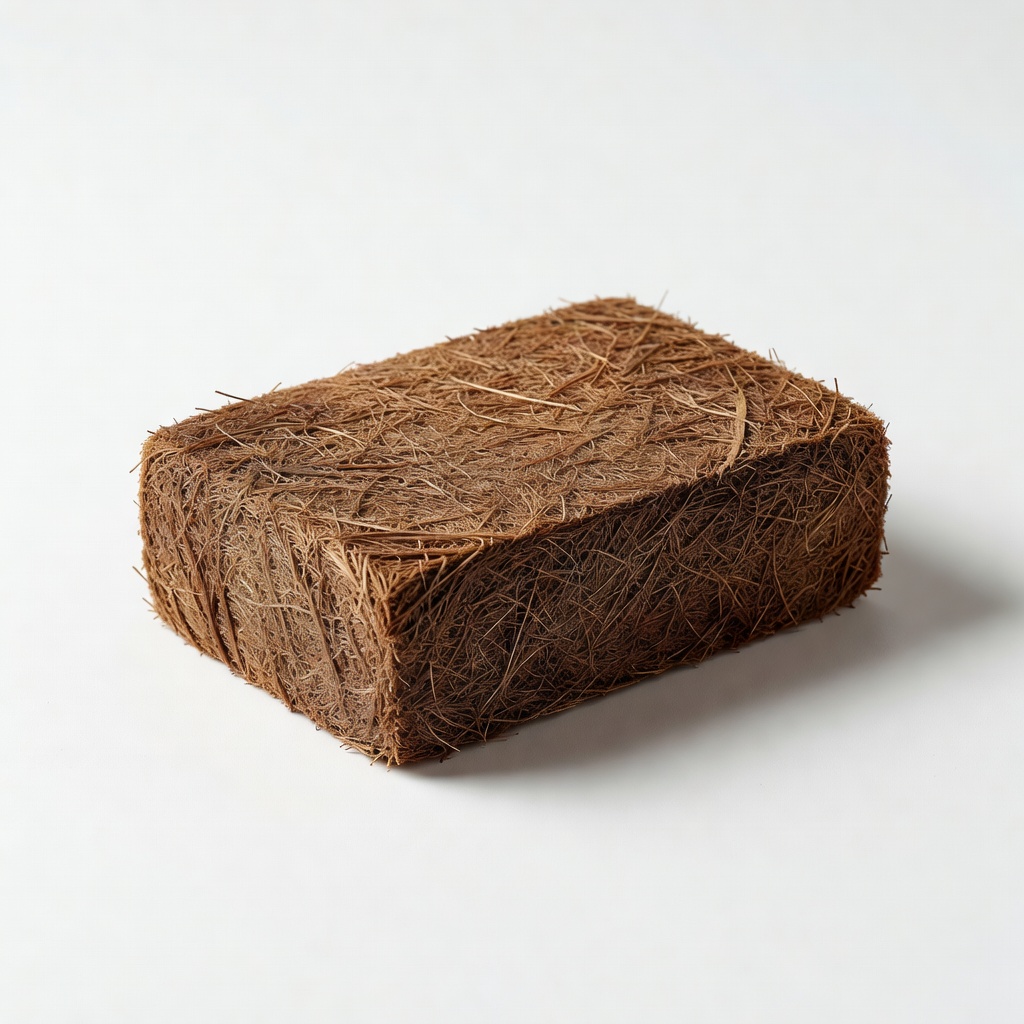
Base layer for most enclosures—replaces messy soil.
Zoo Med Eco Earth Compressed Coconut Fiber Expands to ideal burrowing substrate; holds humidity without mold.
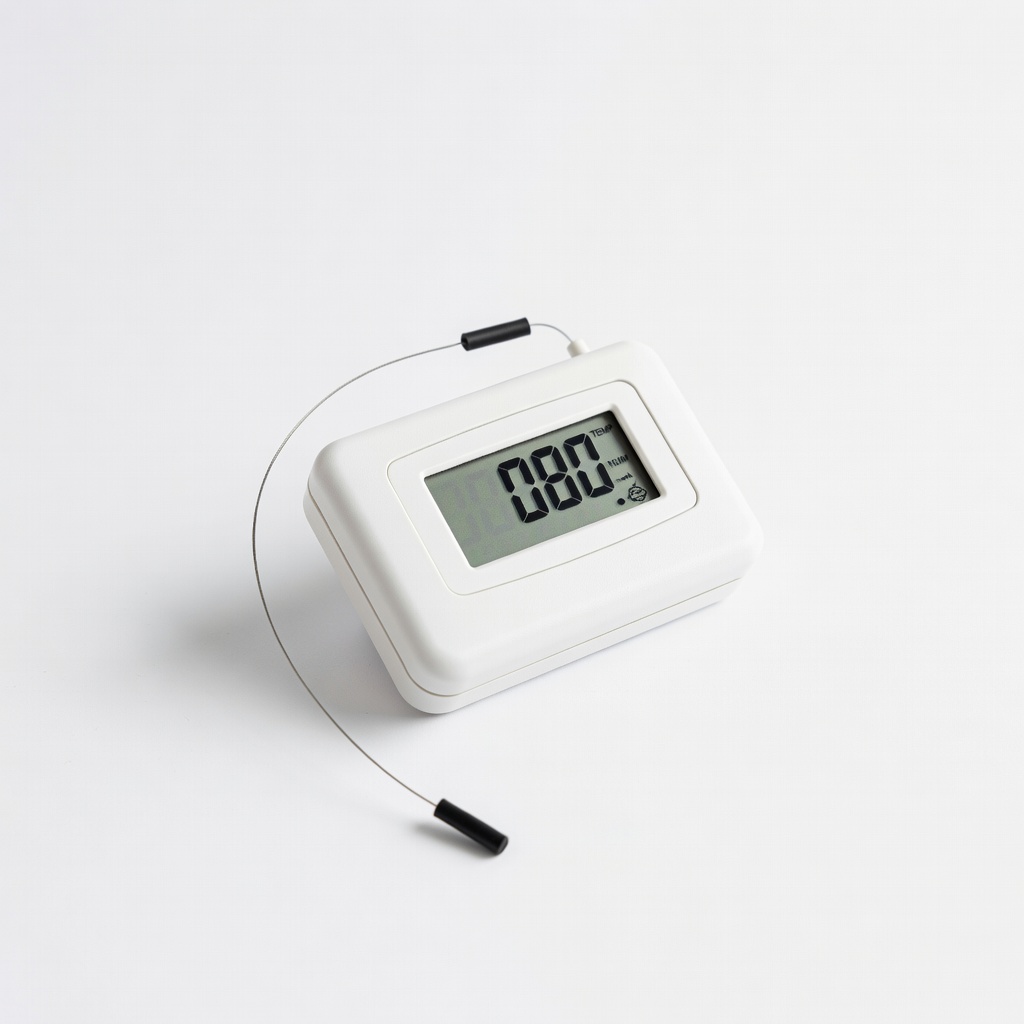
Daily checks in enclosure to prevent health issues.
Zoo Med Digital Hygro-Thermometer Accurate dual monitoring essential for precise climate control.
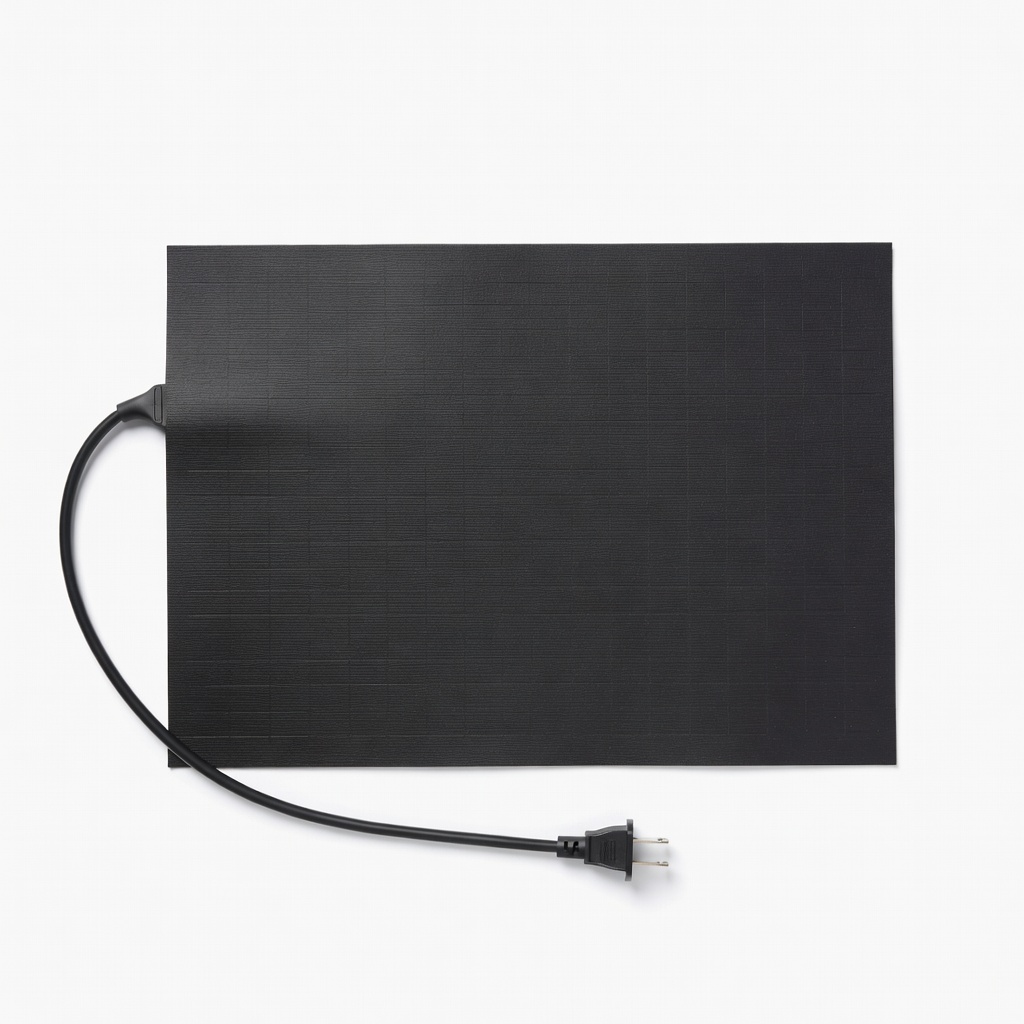
Maintaining 80°F gradient in cooler rooms.
REPTI ZOO Reptile Heating Pad 8x12 Inch Safe under-tank heat for warm side without drying air.
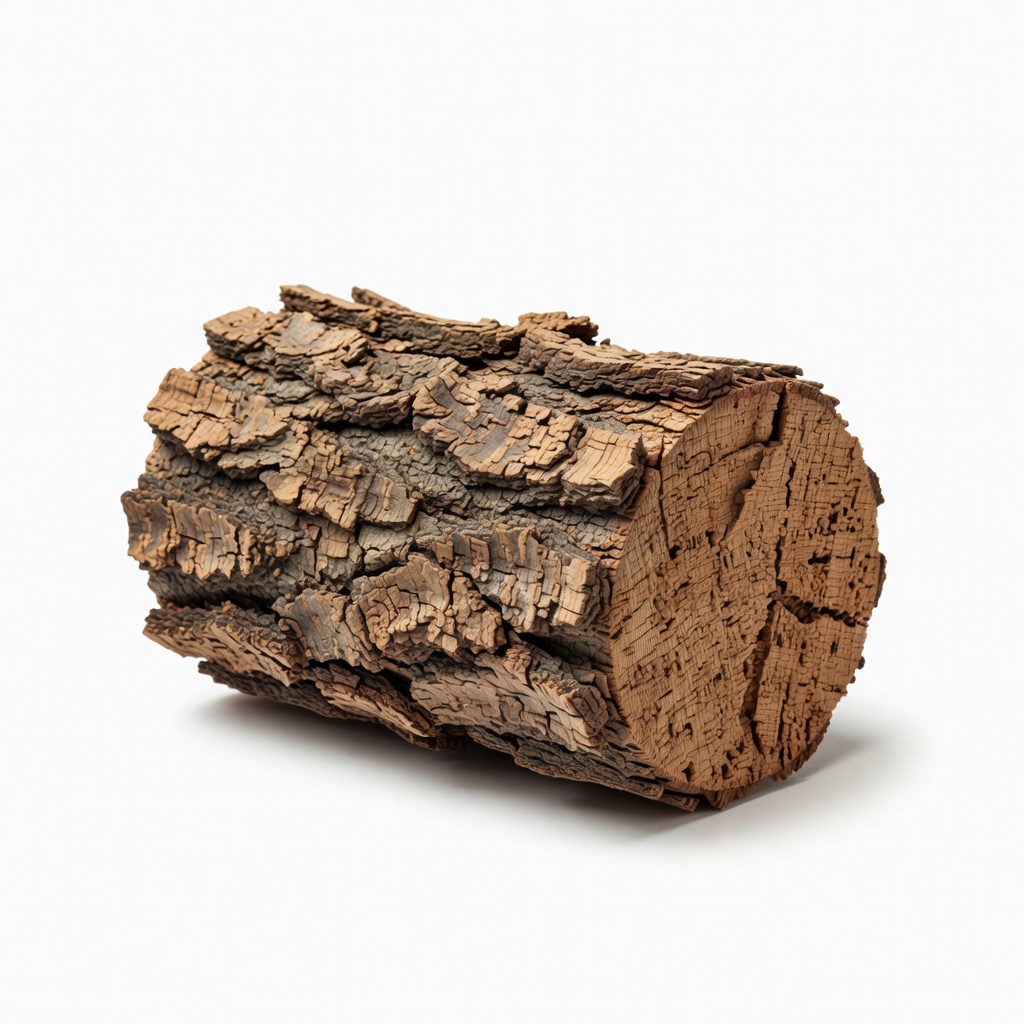
Reduces stress; essential for every setup.
Josh's Frogs Cork Bark Half Log Natural hide mimicking wild burrows for security.