In a world where mental health challenges like anxiety, depression, and PTSD affect millions, many people are turning to unconventional yet powerful methods for relief. Animal-assisted therapy (AAT) stands out as a heartwarming way to harness the natural bond between humans and animals to foster emotional recovery. Imagine a loyal dog curling up beside you during a tough moment, or a cat's gentle purring easing your worries—these interactions aren't just feel-good moments; they're backed by science and used in clinical settings worldwide.
In this guide, you'll gain a clear understanding of what AAT is, how it works, its benefits for mental health, and practical ways to incorporate it into your life. Whether you're a beginner curious about therapy options or someone considering it for yourself or a loved one, we'll break it down simply without overwhelming jargon. Expect to spend about 20-30 minutes reading through, and by the end, you'll feel empowered to explore this therapeutic tool.
AAT involves structured interactions with trained animals to achieve specific therapeutic goals, often under professional guidance. It's not about pet ownership alone but purposeful sessions that promote relaxation and emotional connection. This explainer will cover the basics to the practical applications, helping you see why it's gaining popularity in mental health care.
▸What You'll Need
- •Basic understanding of mental health concepts (no prior knowledge required)
- •Access to a quiet space for reflection or reading
- •Optional: A pet or access to animals for personal experimentation
- •Internet access for further research or videos on AAT sessions
Estimated Time: 20-30 minutes
Difficulty: beginner
▸Step-by-Step Instructions
Step 1: Understand the Definition of Animal-Assisted Therapy
Animal-assisted therapy (AAT) is a goal-oriented intervention where animals are incorporated into therapeutic sessions to help improve a person's physical, emotional, social, and cognitive functions. Unlike casual pet interactions, AAT is structured and often led by trained professionals like therapists or counselors. For mental health, it focuses on reducing symptoms of anxiety, depression, and trauma by leveraging the calming presence of animals.
Think of it like this: animals act as non-judgmental companions that lower cortisol (stress hormone) levels and boost oxytocin (the 'love hormone'), creating a safe space for emotional expression. This isn't pet therapy in the broad sense—AAT specifically targets measurable outcomes, such as improved mood or better social skills, tracked over sessions.
What to expect: By grasping this foundation, you'll see AAT as a complementary tool, not a replacement for traditional therapy. It's versatile, used in hospitals, schools, and private practices.
💡 Tips:
- •Start by watching short videos of AAT sessions to visualize it.
⚠️ Warnings:
- •Don't confuse AAT with emotional support animals; AAT requires trained animals and professionals.
Step 2: Explore the History and Origins
AAT traces its roots back to the 18th century when animals were used in mental health institutions for calming effects, but it gained modern traction post-World War II. Pioneers like Sigmund Freud incorporated his dog into sessions to relax patients, and in the 1960s, child psychiatrist Boris Levinson coined the term 'pet therapy' after noticing his dog helped shy children open up.
By the 1980s, organizations like Delta Society (now Pet Partners) formalized training standards. Today, AAT is evidence-based, supported by studies from the American Psychological Association showing its efficacy in mental health treatment.
Why it matters: Understanding the history builds trust in AAT as a legitimate practice, not a fad. Expect to appreciate how centuries of observation have evolved into structured protocols.
💡 Tips:
- •Read historical case studies for inspiring examples of early successes.
Step 3: Learn How AAT Works: The Science
At its core, AAT works through biophilic connections—our innate affinity for nature and animals. When you interact with a therapy animal, it triggers physiological responses: heart rate slows, blood pressure drops, and endorphins release, mimicking the effects of meditation or deep breathing.
For mental health, animals provide unconditional positive regard, reducing feelings of isolation. Analogous to a trusted friend who doesn't interrupt or judge, animals encourage vulnerability. Sessions might involve petting, walking, or playing, tailored to goals like building trust in PTSD therapy.
Expect measurable benefits: Research from the National Institutes of Health indicates AAT can decrease depression symptoms by up to 30% in some groups. It's simple yet profound—no complex equipment needed, just genuine interaction.
💡 Tips:
- •Focus on touch-based activities like grooming for maximum oxytocin release.
⚠️ Warnings:
- •Over-reliance without professional oversight can miss underlying issues.
Step 4: Identify Types of Animal-Assisted Therapy
AAT comes in various forms, depending on the animal and setting. Equine-assisted therapy uses horses for building confidence through grooming and riding, ideal for trauma recovery. Canine-assisted therapy with dogs is most common for mental health, involving visits to facilities or home sessions.
Other types include feline therapy for quieter interactions or even avian (bird) therapy for cognitive stimulation. Animal-assisted activities are less structured, like reading programs with dogs to boost literacy and reduce anxiety in children.
Why it matters: Knowing the types helps you match the right approach to needs—e.g., dogs for active engagement, cats for passive comfort. Expect flexibility; many programs combine types for holistic benefits.
💡 Tips:
- •Consider allergies when choosing animal types.
Step 5: Discover Benefits for Mental Health
For mental health, AAT excels at alleviating anxiety by providing distraction from racing thoughts—petting a dog can lower heart rate in minutes. It combats depression through routine and purpose, like caring for an animal, which fosters responsibility and joy.
In PTSD treatment, animals help desensitize triggers by offering a sense of safety. Studies show improved social skills in autistic individuals and reduced loneliness in the elderly. Analogous to exercise for the mind, AAT builds resilience without words.
What to expect: Benefits vary but often include better sleep, increased motivation, and stronger coping mechanisms. It's particularly effective as an adjunct to talk therapy.
💡 Tips:
- •Track your mood before and after interactions to see personal impacts.
⚠️ Warnings:
- •Benefits take time; consistency is key, not instant fixes.
Step 6: See Who Can Benefit and How to Start
Anyone struggling with mental health can benefit, from children with ADHD to adults with chronic stress. Veterans with PTSD, hospital patients, and those in grief counseling often see the most gains. Even if you don't have severe issues, AAT can enhance general well-being.
To start, consult a mental health professional who incorporates AAT or contact organizations like Pet Partners for certified programs. If owning a pet, begin with simple daily interactions and consider training.
Expect an initial assessment to ensure safety and suitability. It's accessible—many communities offer free or low-cost sessions.
💡 Tips:
- •Join local AAT groups via apps like Meetup for hands-on experience.
Step 7: Understand Training and Ethical Considerations
Therapy animals must pass temperament tests for gentleness and obedience, often through programs like Therapy Dogs International. Training involves socialization, basic commands, and desensitization to medical environments.
Ethically, prioritize animal welfare—sessions shouldn't stress the animal. Handlers ensure hygiene and consent, avoiding forced interactions.
Why it matters: Proper training ensures safety and effectiveness. Expect certification to take weeks to months, but volunteer opportunities abound.
💡 Tips:
- •Use positive reinforcement in training for happy, willing animals.
⚠️ Warnings:
- •Never use untrained pets in formal settings to avoid risks.
▸Pro Tips
- •Choose animals with calm temperaments, like Labrador Retrievers, for best results.
- •Incorporate sensory elements, such as animal scents or sounds, to deepen relaxation.
- •Combine AAT with journaling to reflect on emotional shifts post-session.
- •Start sessions short (10-15 minutes) to build tolerance without overwhelm.
- •Volunteer as a handler to gain experience while helping others.
- •Monitor animal cues for stress to maintain ethical practices.
- •Use apps like Calm or Insight Timer for guided AAT meditations at home.
▸Common Mistakes to Avoid
- •Assuming any pet can be a therapy animal without training—leads to ineffective or unsafe sessions; always certify through reputable organizations.
- •Ignoring allergies or phobias—can worsen mental health; screen participants first.
- •Overlooking professional guidance—DIY AAT misses therapeutic depth; consult experts.
- •Pushing interactions too quickly—builds resistance; let bonds form naturally.
- •Neglecting animal care post-session—fatigue harms the animal; provide rest and monitoring.
▸Troubleshooting
Problem: Animal seems stressed during sessions
Solution: Pause immediately, give space, and assess environment; shorten future sessions and consult a trainer.
Problem: No immediate emotional relief felt
Solution: Consistency is key—try 3-5 sessions; track subtle changes like better sleep.
Problem: Access to trained animals is limited
Solution: Search local nonprofits or virtual AAT videos; consider adopting and training your own.
Problem: Underlying health issues arise
Solution: Stop and seek medical advice; AAT complements, not replaces, professional care.
NaturVet Quiet Moments Calming Aid Soft Chews for Dogs
These chews help keep therapy dogs relaxed and focused during sessions, enhancing the animal's effectiveness in providing comfort.
Best for: Use before or after therapy sessions to reduce anxiety in working dogs, ensuring consistent performance.
Price Range: $10-$15
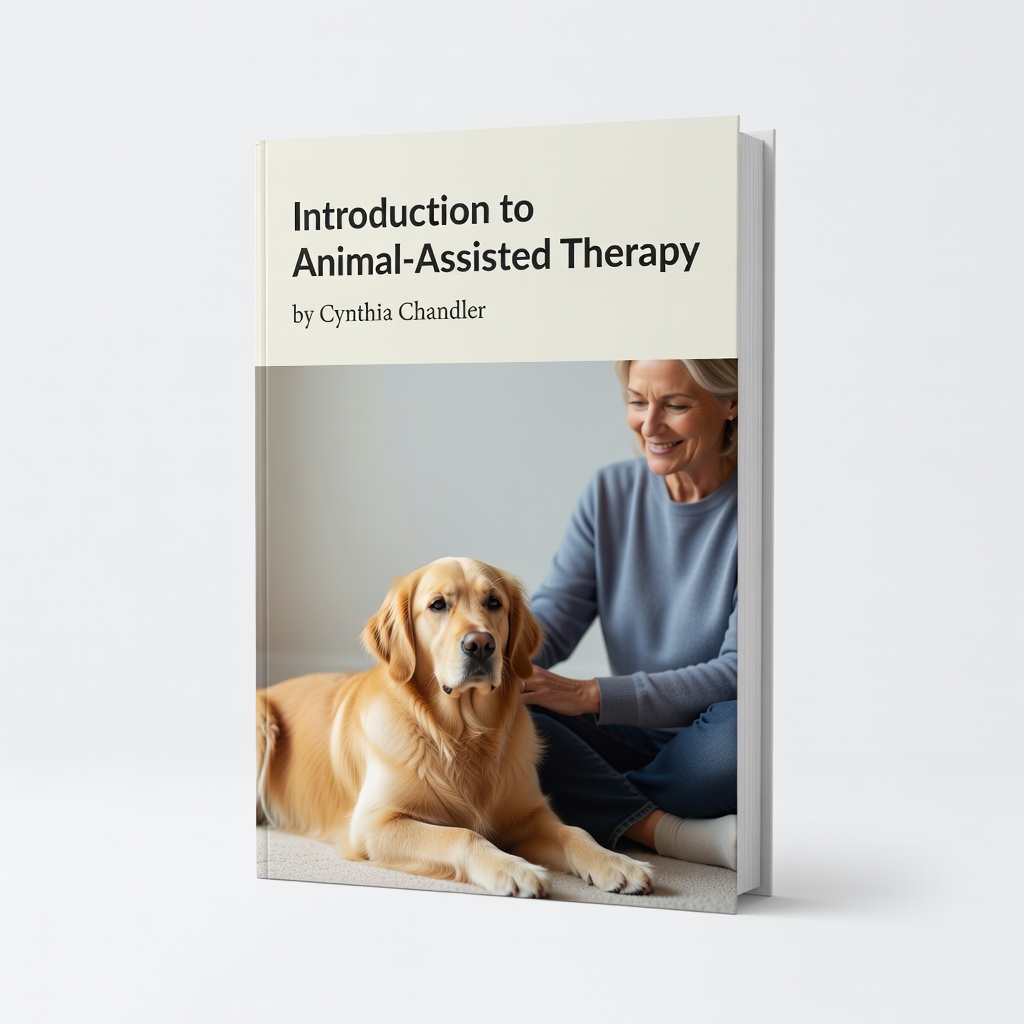
Introduction to Animal-Assisted Therapy by Cynthia Chandler
This book offers beginner-friendly insights into AAT theory and practice, perfect for understanding mental health applications.
Best for: Read for self-education or to prepare for starting AAT; great for therapists or pet owners.
Price Range: $40-$50
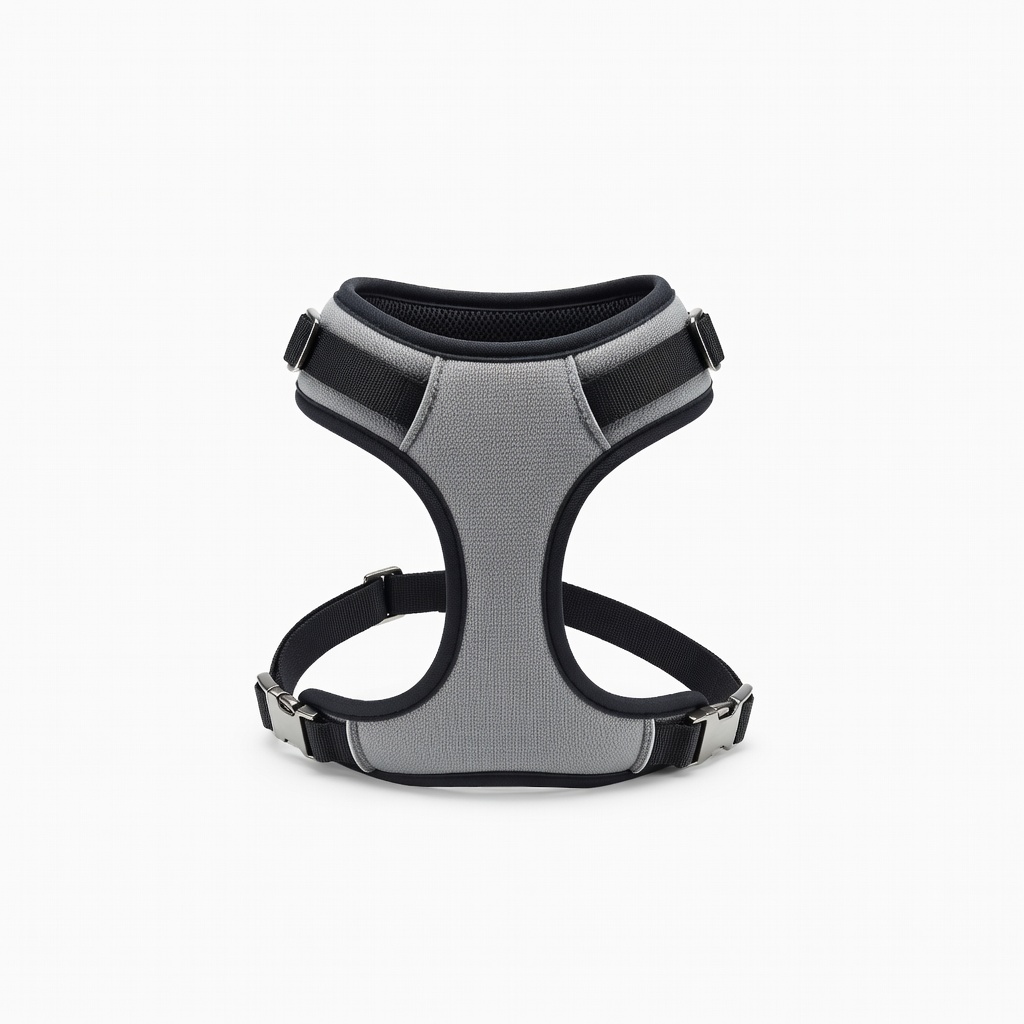
Sense-ation Harness by PetSafe
A comfortable, no-pull harness ideal for therapy dogs, promoting safe and controlled walks during outdoor sessions.
Best for: For leashed interactions in public or clinical settings to prevent escapes and ensure handler control.
Price Range: $20-$30
Zesty Paws Omega 3 Fish Oil for Dogs
Supports skin and coat health, keeping therapy animals looking and feeling great for prolonged interactions.
Best for: Daily supplement to maintain the animal's well-being, indirectly benefiting therapy outcomes.
Price Range: $25-$35
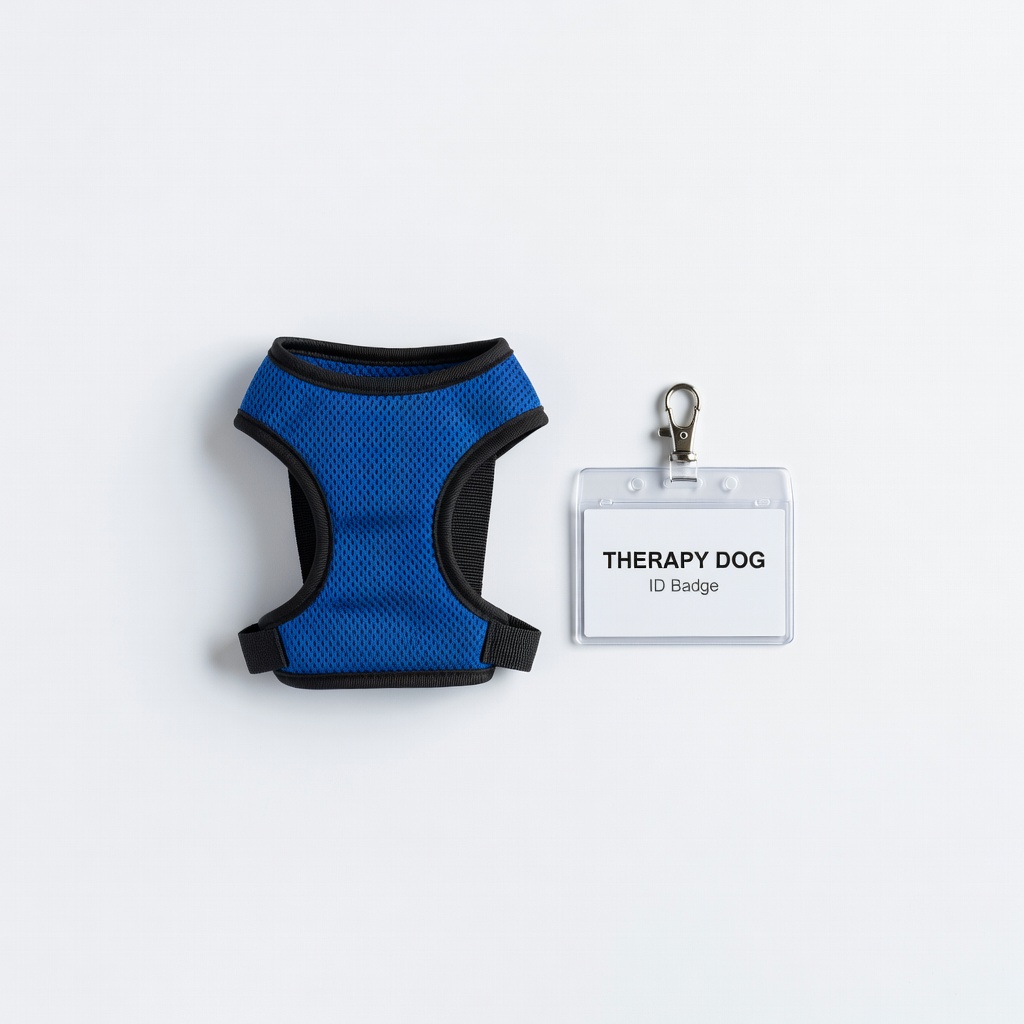
Therapy Dog ID Badge and Vest Set
Clearly identifies the animal as a therapy pet, fostering trust and compliance in public settings.
Best for: Wear during visits to hospitals or schools to signal purpose and reduce disruptions.
Price Range: $15-$25