Have you ever wondered where modern laws, writing, and cities come from? Ancient history holds the answers, revealing how early humans built the foundations of civilization amid challenges like floods, wars, and migrations. It's not just dusty facts—it's the story of innovation and resilience that influences everything from democracy to architecture today.
In this guide, you'll learn what ancient history means, its key periods, and the major civilizations that defined it. We'll break it down simply, starting with basics and moving to influential societies like Mesopotamia and Egypt. Expect clear explanations, timelines, and examples to make it engaging—no prior knowledge needed.
This explainer is designed for beginners and takes about 20-30 minutes to read. By the end, you'll have a solid grasp of ancient history and why it matters, ready to dive deeper into specific eras.
▸What You'll Need
- •Basic curiosity about the past (no prior knowledge required)
- •Access to a notebook for jotting notes (optional but helpful for retention)
- •Internet or library access for visuals like maps (recommended for better understanding)
Estimated Time: 20-30 minutes
Difficulty: beginner
▸Step-by-Step Instructions
Step 1: Define Ancient History
Ancient history refers to the period from the earliest recorded human societies until the fall of the Western Roman Empire around 476 CE. It focuses on the development of writing, cities, and organized governments, marking the shift from prehistoric hunter-gatherers to complex civilizations. This era is crucial because it lays the groundwork for all subsequent history—think of it as the 'roots' of the human story.
Why does this matter? Without understanding ancient history, modern concepts like justice systems or trade feel disconnected. Expect to see how innovations like the wheel or alphabet emerged here, solving real problems like communication and transportation.
For beginners, start by grasping that 'ancient' doesn't mean primitive; these societies were advanced for their time, building pyramids and empires with limited tools.
💡 Tips:
- •Use analogies: Compare ancient history to a tree's trunk—essential for the branches (modern world) to grow.
⚠️ Warnings:
- •Avoid confusing ancient history with prehistory; prehistory lacks written records.
Step 2: Understand the Timeline
Ancient history unfolds over millennia, roughly divided into the Bronze Age (c. 3000–1200 BCE), Iron Age (c. 1200–500 BCE), and Classical Period (c. 500 BCE–476 CE). The Bronze Age saw the rise of early cities using bronze tools, while the Iron Age brought stronger metals and larger empires. The Classical Period featured philosophy, art, and conquests in Greece and Rome.
This timeline helps contextualize events: Imagine it as a river flowing from simple farming villages to grand coliseums. Key markers include the invention of writing around 3500 BCE in Sumer, enabling records of laws and stories.
What to expect: Overlaps between regions, like how Egyptian pyramids (c. 2600 BCE) predate Greek democracy (c. 500 BCE) by thousands of years, showing parallel developments.
💡 Tips:
- •Memorize anchors: 3000 BCE for writing, 476 CE for Rome's fall.
Step 3: Explore Mesopotamia: The Cradle of Civilization
Mesopotamia, in modern-day Iraq, is often called the cradle of civilization for inventing writing (cuneiform), the wheel, and city-states like Ur and Babylon around 3500 BCE. Ruled by kings and priests, it faced river floods that inspired epic tales like the Gilgamesh.
Why it matters: This region birthed concepts like the 60-minute hour and legal codes (Hammurabi's Code, c. 1750 BCE), influencing today's timekeeping and justice. Expect ziggurats (stepped temples) as symbols of their sky-god worship.
Analogy: Think of Mesopotamia as the 'startup hub' of history—innovative but unstable due to invasions.
💡 Tips:
- •Visit virtual tours of Babylon for immersion.
⚠️ Warnings:
- •Don't overlook its diversity; it included Sumerians, Akkadians, and Babylonians.
Step 4: Discover Ancient Egypt: Land of the Pharaohs
Spanning 3100 BCE to 30 BCE along the Nile River, Ancient Egypt thrived on predictable floods for agriculture, building pyramids like Giza's (c. 2580 BCE) as tombs for pharaohs seen as gods. Hieroglyphics recorded myths, medicine, and math.
Its legacy includes mummification for the afterlife and a stable society lasting 3,000 years. Why care? Egyptian engineering and calendar systems still echo in modern dams and time measurement.
What to expect: A focus on harmony (ma'at) versus chaos, seen in art's rigid styles. Analogy: Egypt as a 'long-running dynasty'—enduring through centralized power.
💡 Tips:
- •Use the Nile as a mental map: Everything revolved around it.
Step 5: Examine the Indus Valley Civilization
In modern Pakistan and India (c. 3300–1300 BCE), this civilization featured planned cities like Mohenjo-Daro with advanced plumbing and standardized bricks—no palaces or kings evident, suggesting egalitarian trade networks.
It matters for showing urban planning without conquest; seals with undeciphered script hint at lost languages. Expect grid layouts foreshadowing modern cities.
Analogy: Like a 'silent innovator'—prosperous via rivers but mysteriously declined due to climate shifts.
💡 Tips:
- •Compare to Mesopotamia: Indus was more hygienic with baths and drains.
⚠️ Warnings:
- •Avoid assuming it was isolated; trade reached Mesopotamia.
Step 6: Uncover Ancient China: Dynasties and Philosophy
From the Xia Dynasty (c. 2070 BCE) to the Han (206 BCE–220 CE), Ancient China developed silk, paper, and Confucianism along the Yellow River. The Great Wall's early forms defended against nomads.
Why important: It introduced bureaucracy and inventions like gunpowder precursors, shaping East Asian culture. Expect oracle bones as early writing.
Analogy: China as a 'philosophical empire'—valuing harmony over expansion initially.
💡 Tips:
- •Link to today: Many festivals trace to ancient rituals.
Step 7: Delve into Classical Greece and Rome
Greece (c. 800–146 BCE) birthed democracy, Olympics, and philosophers like Socrates; Rome (753 BCE–476 CE) expanded it into an empire with aqueducts, roads, and law.
These bridged ancient to medieval worlds, influencing Western thought. Expect myths like Zeus and engineering marvels like the Colosseum.
Analogy: Greece as the 'think tank,' Rome the 'builder'—together, the blueprint for Europe.
💡 Tips:
- •Start with myths: They explain values like heroism.
Step 8: Appreciate the Legacy of Ancient Civilizations
These societies left enduring impacts: Egyptian math in geometry, Greek ideas in science, Roman law in constitutions. They show human adaptability amid collapses from invasions or environment.
Why reflect? Understanding legacies helps appreciate global interconnectedness today.
What to expect: Ongoing discoveries via archaeology refining our views.
💡 Tips:
- •Connect to pop culture: Movies like 'Troy' spark interest.
▸Pro Tips
- •Use mnemonics for timelines: 'My Very Educated Mother' for Mesopotamia, Valley (Indus), Egypt, etc.
- •Watch documentaries for visuals—BBC's 'Ancient Worlds' series brings eras alive.
- •Draw your own maps to visualize geography's role in civilizations.
- •Read primary sources lightly: Gilgamesh epic is short and engaging.
- •Group study: Discuss legacies to make abstract concepts relatable.
- •Start small: Focus on one civilization per week to avoid overload.
- •Incorporate apps like Duolingo for ancient languages basics if curious.
▸Common Mistakes to Avoid
- •Assuming all ancient people were the same: Each civilization had unique cultures—avoid generalizations by noting differences like Egypt's stability vs. Mesopotamia's turmoil.
- •Overlooking women's roles: Many societies had influential females (e.g., Egyptian queens)—include them for balanced views.
- •Confusing timelines: Don't mix Bronze Age inventions with Classical philosophy; use charts to sequence events.
- •Ignoring non-Western civs: Eurocentrism skips China/Indus—broaden scope for complete picture.
- •Thinking ancients were 'primitive': They solved complex problems; appreciate ingenuity to enhance learning.
▸Troubleshooting
Problem: Overwhelmed by dates and names
Solution: Focus on big-picture themes like 'rivers enabled growth' instead of memorizing; revisit timelines gradually.
Problem: Difficulty visualizing sites
Solution: Search Google Earth for virtual tours of ruins like Pompeii; it makes history tangible.
Problem: Misconceptions from media (e.g., myths as fact)
Solution: Cross-check with reliable sources like Britannica; distinguish legend from archaeology.
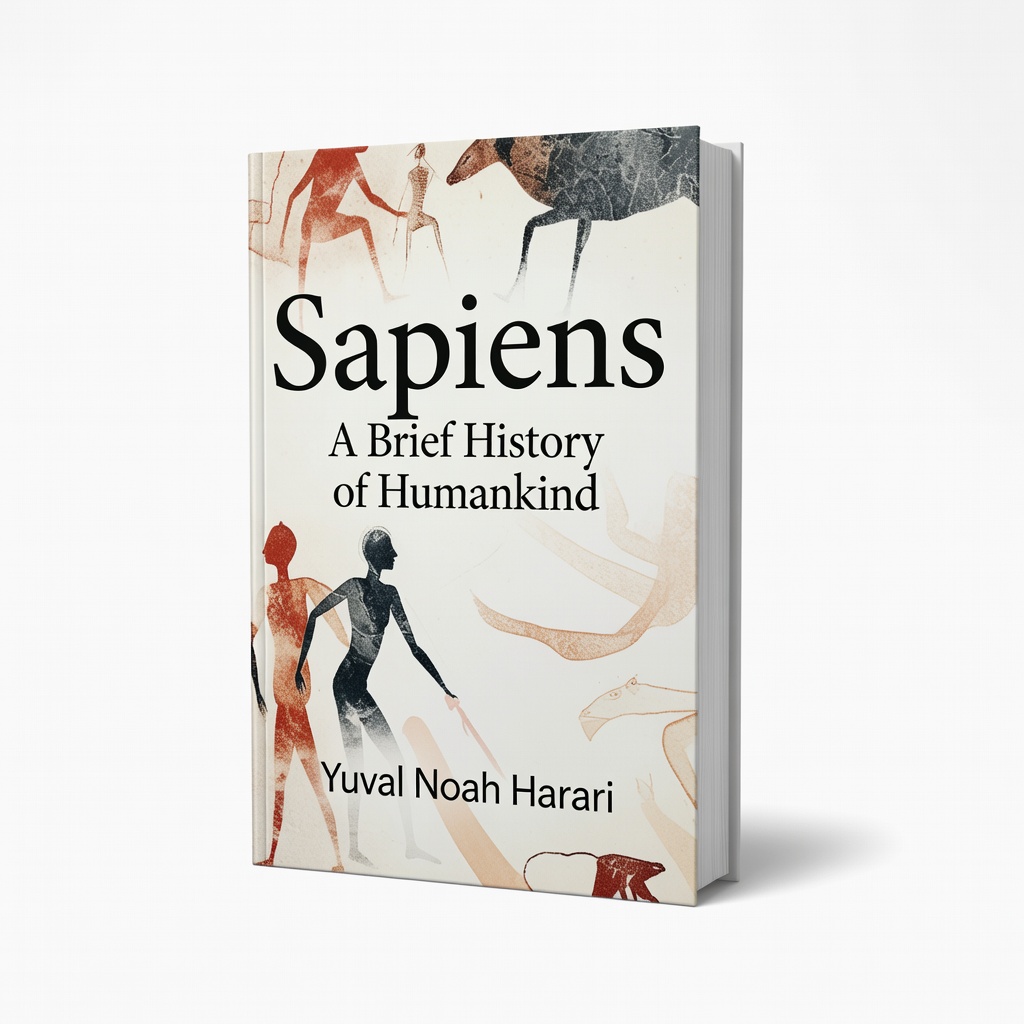
Sapiens: A Brief History of Humankind by Yuval Noah Harari
This bestselling book provides an accessible overview of ancient history with engaging storytelling, perfect for beginners to grasp civilizations' big ideas.
Best for: Read during commutes or evenings to build foundational knowledge without dense textbooks.
Price Range: $15-20
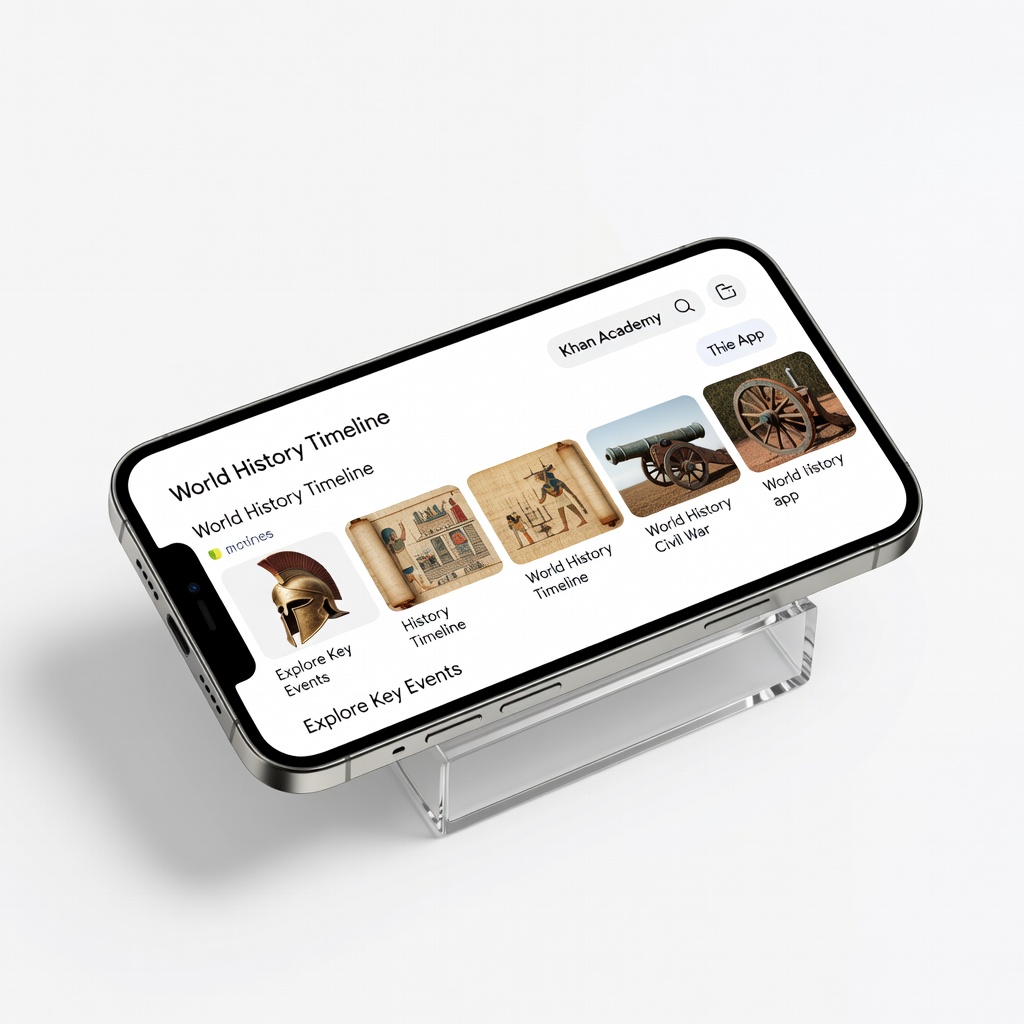
Khan Academy History App
Free interactive lessons with videos and quizzes on ancient civilizations, tailored for visual learners starting from basics.
Best for: Use on mobile for 10-minute daily sessions to explore Mesopotamia or Egypt interactively.
Price Range: Free
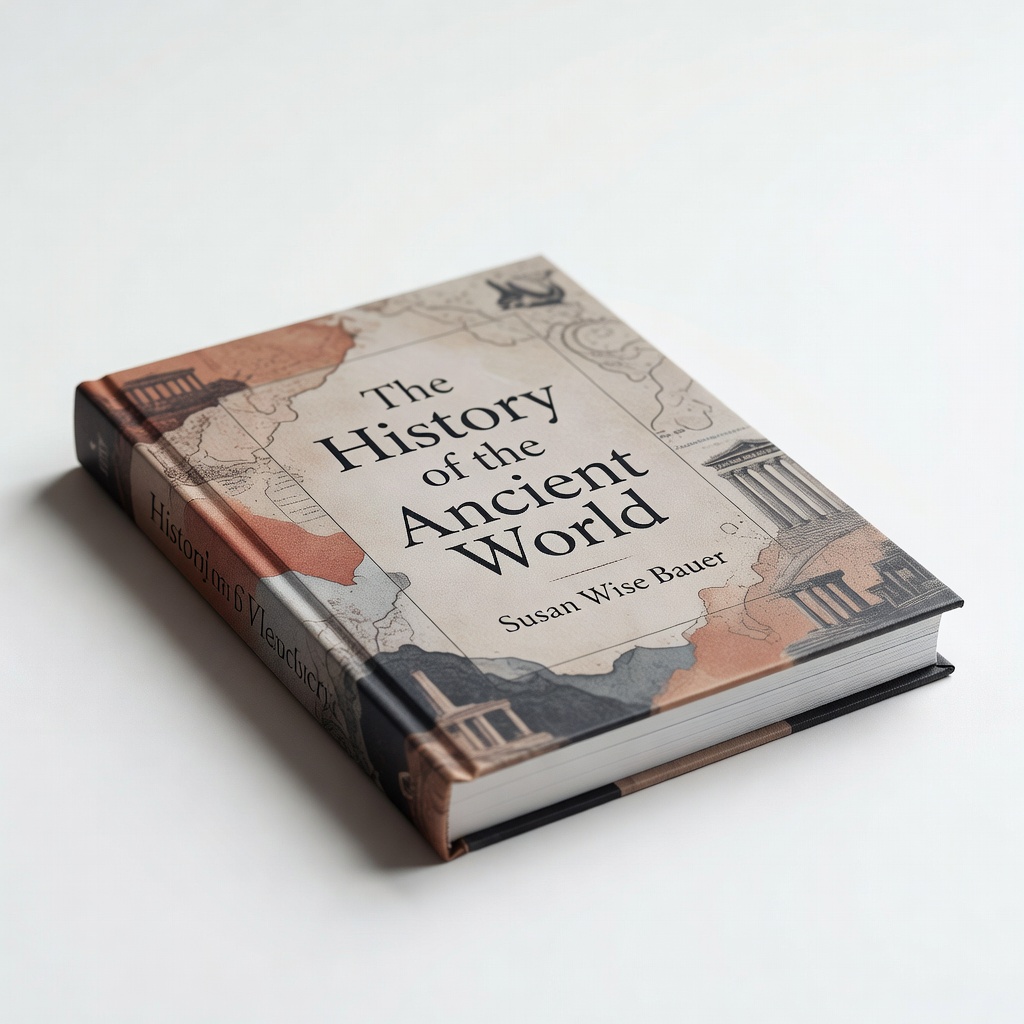
The History of the Ancient World by Susan Wise Bauer
A comprehensive yet readable narrative covering major civilizations chronologically, with maps and timelines for easy reference.
Best for: Ideal for home study as a reference guide when diving deeper after this explainer.
Price Range: $20-30
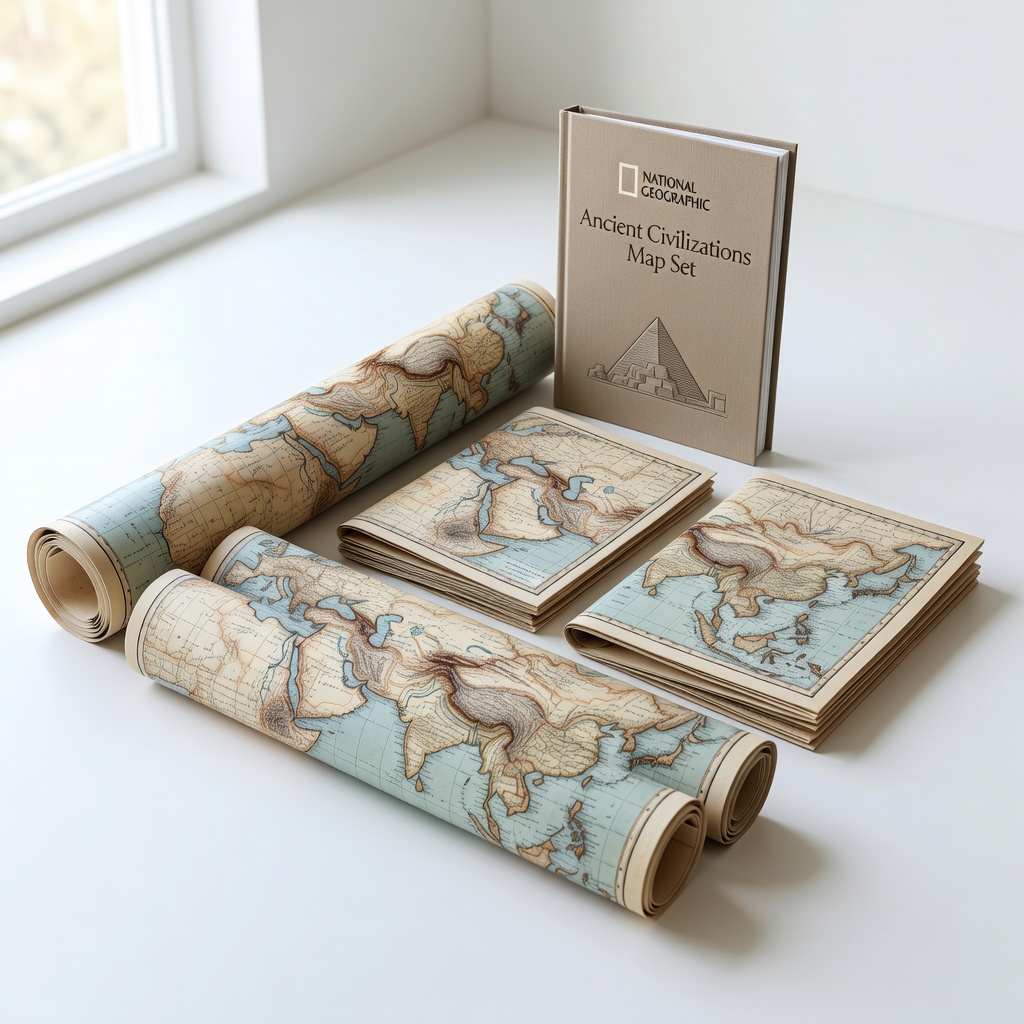
National Geographic Ancient Civilizations Map Set
Detailed, colorful maps highlighting key sites and trade routes, helping visualize geography's impact on history.
Best for: Hang on walls or use digitally for studying layouts of cities like Rome or the Indus Valley.
Price Range: $10-25
BBC Ancient History Documentary Series (DVD or Streaming)
High-production visuals and expert narration make complex topics like pharaohs accessible and entertaining.
Best for: Watch episodes on weekends for immersive learning beyond reading.
Price Range: $15-40