Ever needed an extra bed for guests but didn't want to splurge on a full mattress? Air mattresses are a lifesaver in these situations, offering a quick, portable sleeping option that's surprisingly comfortable. Whether you're hosting a sleepover, camping, or dealing with a move, understanding air mattresses can help you choose the right one without the hassle.
In this guide, you'll learn the basics of what an air mattress is, how it differs from traditional beds, and the top uses that make it versatile for beginners. We'll break it down simply, with examples and tips, so you can decide if it's right for you. Expect a straightforward read—no prior knowledge needed, and you'll be equipped to pick and use one in under 15 minutes of reading.
By the end, you'll know the pros, cons, and real-world applications, plus recommendations for top products to get started.
▸What You'll Need
- •Prerequisite knowledge: Basic understanding of inflatable products (like pool floats—no expertise required)
- •Optional: Access to an electric outlet for built-in pumps (many models include this)
Estimated Time: 10-15 minutes to read and understand
Difficulty: beginner
▸Step-by-Step Instructions
Step 1: Understand the Basic Definition of an Air Mattress
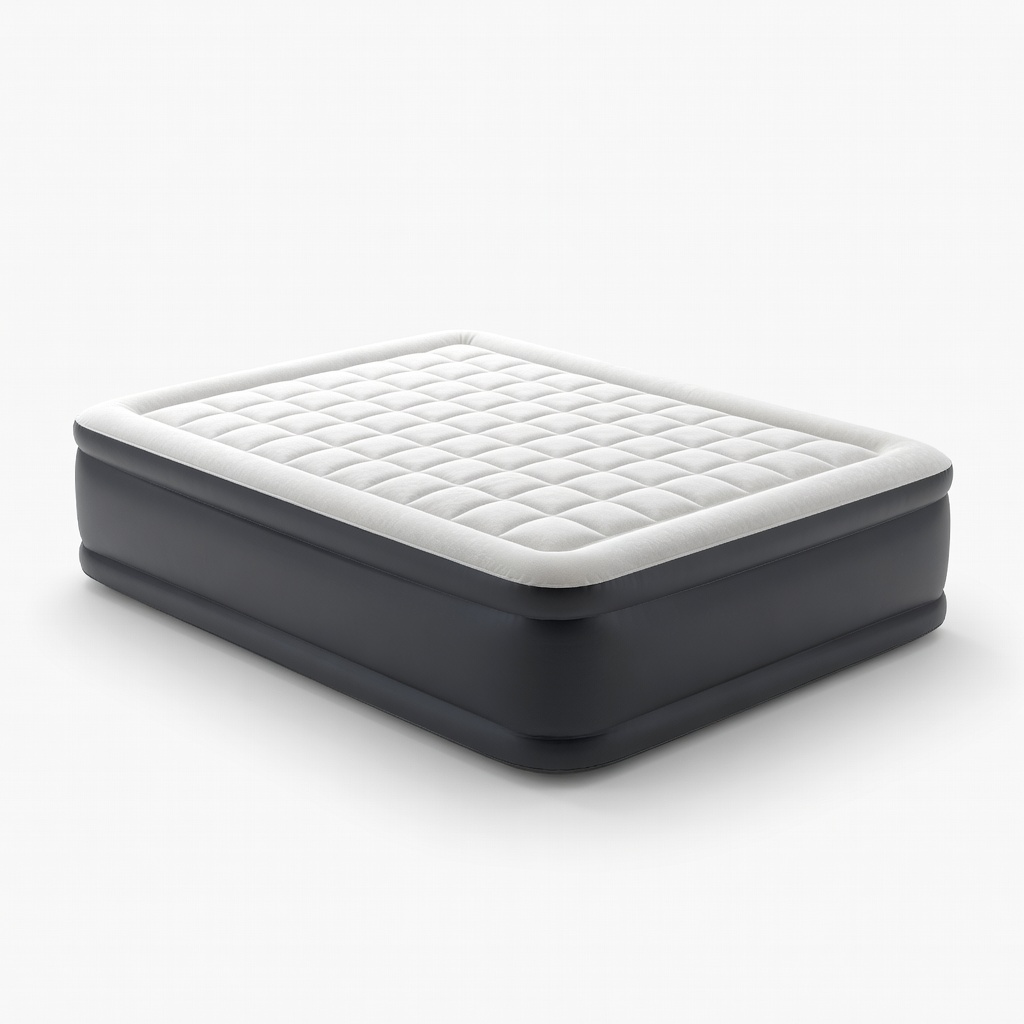
An air mattress is an inflatable bed made from durable vinyl or PVC material, designed to provide a temporary sleeping surface. Unlike traditional spring or foam mattresses, it relies on air for support and firmness, making it lightweight and easy to store when deflated. Think of it like a giant, cozy pool float but built for sleeping—soft on top but sturdy enough to hold an adult's weight.
This simplicity is why air mattresses are popular for beginners; they fold down to the size of a large duffel bag for storage. Historically, they evolved from basic camping pads in the mid-20th century to modern versions with built-in pumps and raised heights for easier access. What to expect: A basic model costs under $50 and inflates in minutes, offering a flat surface that's about 6-20 inches thick when full.
Why it matters: Knowing this foundation helps you appreciate its portability over bulky bed frames.
💡 Tips:
- •Compare it to a waterbed for analogy—both use fluid-like support (air vs. water), but air is far easier to set up.
Step 2: Learn How an Air Mattress Works
Air mattresses work by trapping air inside airtight chambers or coils, creating buoyancy and support similar to how a balloon holds shape. Most have a valve for inflation using a manual pump, electric pump, or even your lungs for smaller models. Once inflated, the air distributes your body weight evenly, reducing pressure points for better sleep.
Modern ones often feature 'Beam' or 'coil' construction—like Intex's Dura-Beam—for stability, preventing that 'sinking in the middle' feel. Expect the process to take 2-5 minutes with an electric pump; without one, it might take 10 minutes of manual effort. Why it matters: This mechanism makes them adjustable—you can add or remove air for personalized firmness, unlike fixed mattresses.
Analogy: It's like inflating a tire; too little air and it's saggy, too much and it's rock-hard, but just right feels supportive.
💡 Tips:
- •Always inflate to the manufacturer's recommended PSI (usually 0.5-1.0) for optimal comfort.
⚠️ Warnings:
- •Avoid over-inflating, as it can stress seams and cause leaks.
Step 3: Explore the Different Types of Air Mattresses
Air mattresses come in three main types: floor-level (basic, low-profile for camping), elevated (raised 18-22 inches for bed-like height), and twin/queen/king sizes to match room needs. Floor models are thin (6-8 inches) and rugged for outdoor use, while elevated ones mimic real beds with flocked tops to prevent slipping sheets.
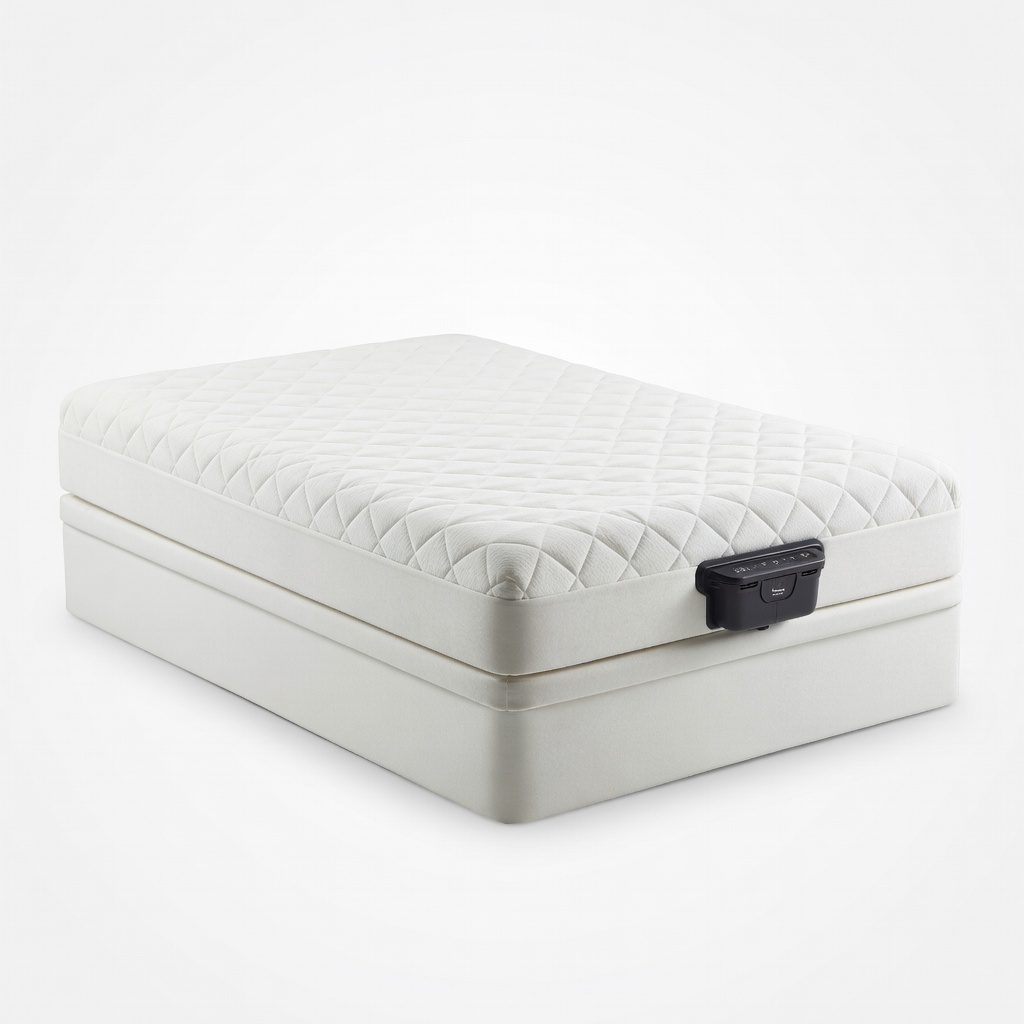
Some include built-in pumps for 'never flat' tech that auto-adjusts air overnight. What to expect: Beginners should start with a queen elevated model for versatility. Why it matters: Choosing the right type ensures it fits your space and use—e.g., a twin for kids' sleepovers vs. a king for couples camping.
Example: A basic twin floor mattress weighs under 5 lbs, perfect for backpacking, while a deluxe queen can support 600+ lbs.
💡 Tips:
- •Look for 'puncture-resistant' materials if using outdoors.
Step 4: Discover the Best Uses for Air Mattresses
The top use is as guest bedding—quick setup for visitors without permanent furniture. They're ideal for camping, providing insulation from cold ground (pair with a foam pad for extra warmth). Other uses include temporary housing during moves, dorm life, or even as a budget home bed if you value portability.
In emergencies like floods, they offer elevated, dry sleeping. Expect versatility: One mattress can serve multiple roles over years with proper care. Why it matters: Air mattresses save space and money—renting a real bed costs $50/night, but buying one is a one-time $30-150 investment.
Analogy: Like a Swiss Army knife for sleep—compact but multifunctional for various scenarios.
💡 Tips:
- •Use a mattress topper for long-term comfort if using as a primary bed.
Step 5: Weigh the Pros and Cons
Pros include affordability (often under $100), easy storage (deflates flat), and portability (rolls up for travel). They're hypoallergenic since no coils trap dust. Cons: They can deflate overnight if punctured, feel less supportive for heavy users, and aren't ideal for daily long-term use due to potential back strain.
What to expect: Most last 1-3 years with occasional use; daily users might notice wear faster. Why it matters: Balancing these helps set realistic expectations—great for short-term, but supplement with a topper for extended stays.
Example: A 200-lb person might prefer coil-beam models to avoid bottoming out.
⚠️ Warnings:
- •Not recommended as a permanent bed for those with chronic back issues without added support.
Step 6: Get Tips on Setup, Maintenance, and Storage
Setup: Clear a flat surface, inflate fully, and let it sit 5 minutes to expand. Maintenance: Check for leaks weekly by sprinkling soapy water on seams—bubbles indicate punctures. Clean with mild soap and dry thoroughly. Storage: Deflate completely, clean, and roll loosely to avoid creases that cause weak spots.
Why it matters: Proper care extends life from months to years, preventing costly replacements. Expect minimal effort: 5 minutes weekly for checks. Analogy: Treat it like a bike tire—regular inspections keep it reliable.
For best results, store in a cool, dry place away from sharp objects.
💡 Tips:
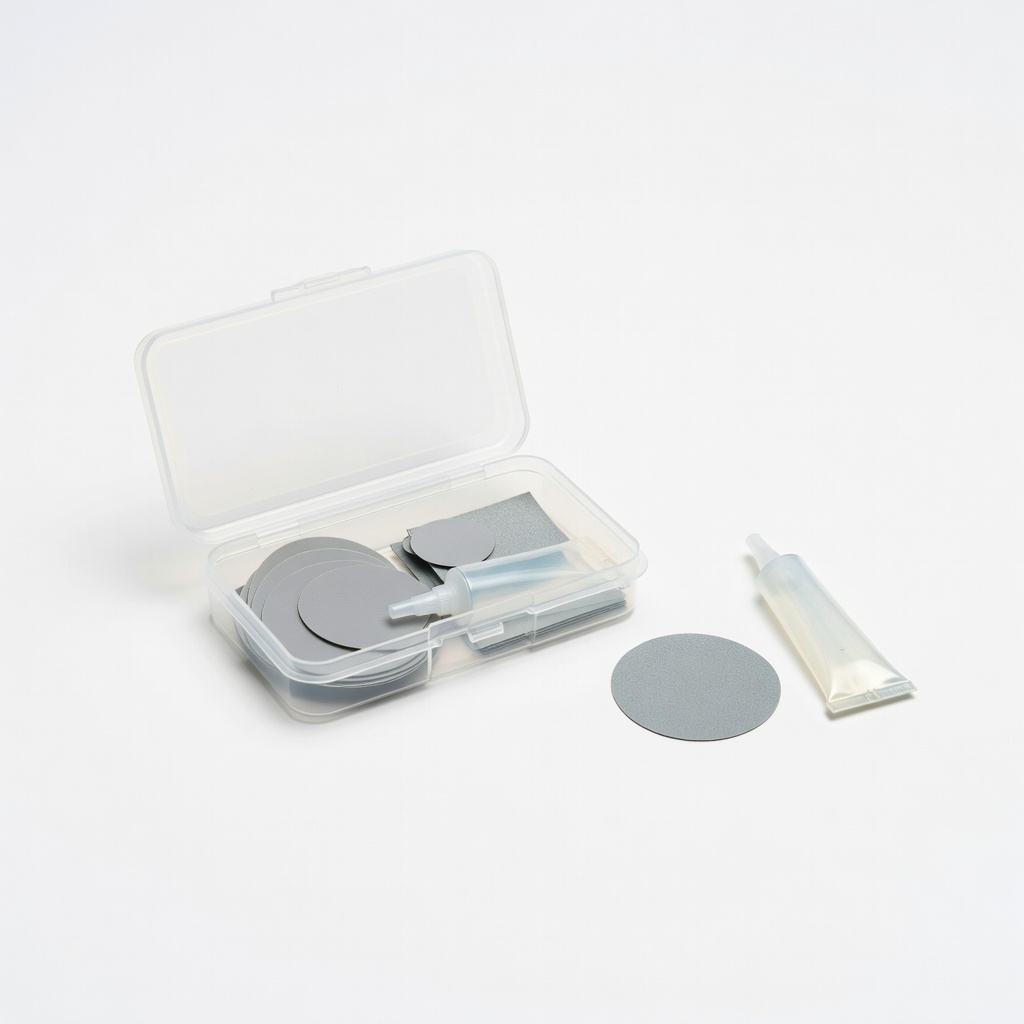
- •Use a repair kit for small punctures; it's like patching a tire and takes seconds.
▸Pro Tips
- •Place a non-slip mat under the mattress to prevent sliding on hardwood floors.
- •Add fitted sheets designed for air mattresses—they have elastic edges to stay put.
- •For camping, elevate with a tarp underneath to block moisture and rocks.
- •Test inflation in a warm room; cold air contracts, making it feel underfilled.
- •Pair with a sleeping bag or blanket for warmth, as air can feel chilly.
- •Choose models with 40+ internal coils for better weight distribution and less motion transfer.
- •If sharing, opt for queen size to avoid edge rolls.
▸Common Mistakes to Avoid
- •Overlooking the pump type: Manual pumps tire you out—always get electric for ease; avoid by checking specs before buying.
- •Storing while dirty or creased: Leads to mold or weak spots; prevent by cleaning and rolling loosely after each use.
- •Using without a topper for long stays: Causes discomfort and uneven support; fix by adding a 2-inch foam pad.
- •Ignoring weight limits: Overloading causes sagging or bursts; check ratings (e.g., 500 lbs max) and distribute weight evenly.
- •Inflating on uneven surfaces: Results in lumps or leaks; always use a flat, clean floor.
▸Troubleshooting
Problem: Mattress deflates overnight
Solution: Check for leaks with soapy water; patch small holes with a repair kit. If built-in pump fails, replace with a compatible electric one. For minor issues, top off air before bed.
Problem: Uncomfortable sinking feeling
Solution: Add more air or use a model with coil support. Place on a firm base like a box spring frame for elevation and stability.
Problem: Sheets keep slipping off
Solution: Use deep-pocket fitted sheets made for air beds. Alternatively, secure with mattress straps or clips.
Problem: Pump won't work
Solution: Ensure it's plugged in correctly and the outlet has power. Clean the valve; if faulty, buy a universal replacement pump. Seek help if under warranty.
SoundAsleep Dream Series Air Mattress
Top-rated for comfort with a built-in pump that auto-maintains air levels, preventing overnight deflation—ideal for beginners wanting hassle-free setup.
Best for: Guest room or occasional camping; queen size supports two people comfortably.
Price Range: $129.99
Intex Dura-Beam Deluxe Comfort-Plush High-Rise Air Mattress
Affordable elevated design with durable Fiber-Tech beams for stable support, mimicking a real bed without breaking the bank.
Best for: Temporary home use during moves or sleepovers; easy to inflate in under 5 minutes.
Price Range: $49.99-$59.99
Serta Raised Air Mattress with Never Flat Pump
Premium 'never flat' technology quietly adjusts air throughout the night, ensuring consistent comfort for heavier users or longer stays.
Best for: Extended guest visits or as a semi-permanent bed; raised height for easy access.
Price Range: $169.00
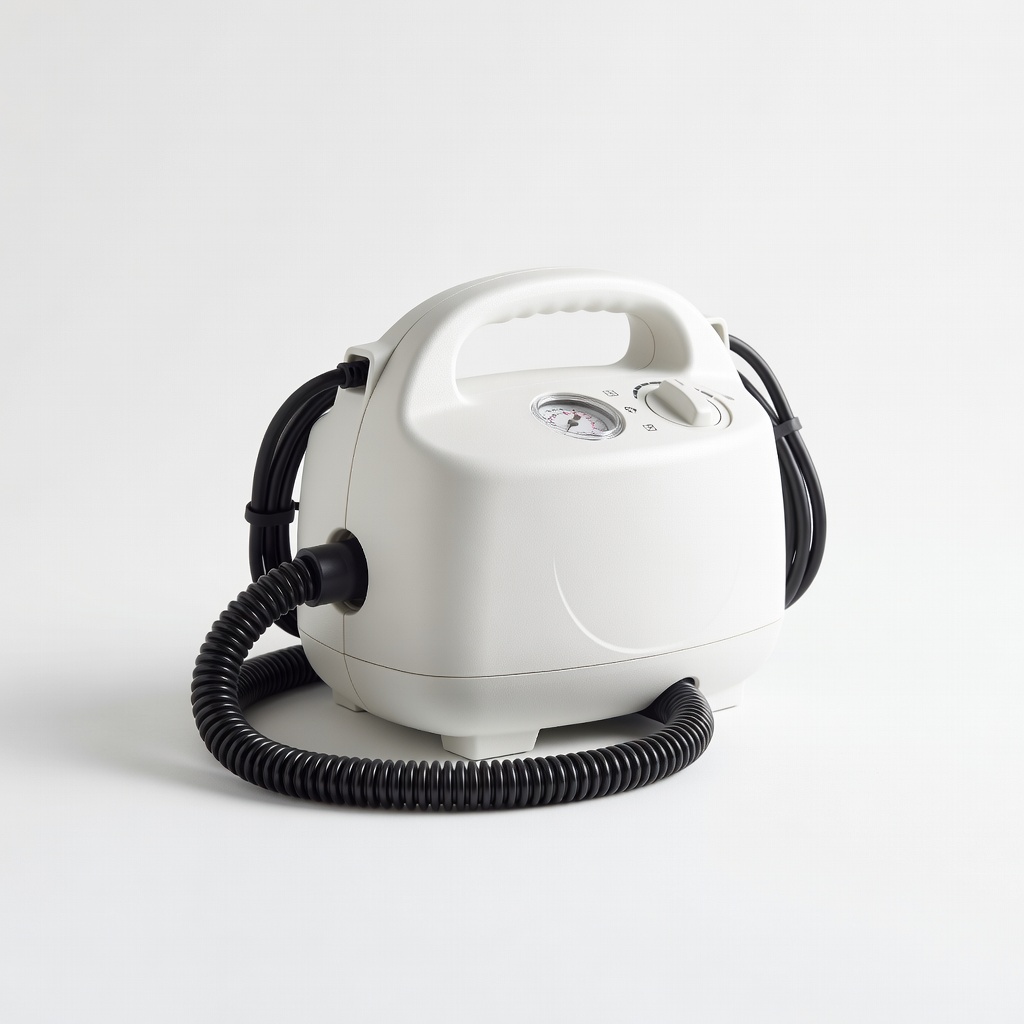
Intex Quick-Fill AC Electric Pump
Reliable accessory pump for models without built-ins, inflating quickly and quietly—essential for fast setups.
Best for: Pairing with basic air mattresses for camping or emergencies.
Price Range: $19.99
Air Mattress Repair Kit
Includes patches and glue for quick fixes, extending mattress life and saving money on replacements.
Best for: Maintenance after punctures from pets or outdoors.
Price Range: $9.99