In a diverse world, effective communication bridges gaps, especially in healthcare where allied health professionals often interact with deaf or hard-of-hearing patients. Misunderstandings can lead to frustration or errors, but learning American Sign Language (ASL) basics empowers you to connect meaningfully. Whether you're a nurse, therapist, or aspiring interpreter, starting with ASL enhances empathy and accessibility.
This guide explains what ASL is, its importance, and provides step-by-step instructions to learn core elements like the alphabet and simple phrases. You'll gain foundational knowledge without needing prior experience, focusing on visual and practical learning. Expect a beginner-friendly journey that's rewarding and quick to apply in real-life scenarios.
By the end, you'll confidently sign greetings, introductions, and everyday needs, setting a strong base for deeper study in allied health professions.
▸What You'll Need
- •A quiet space with good lighting for practice
- •A mirror (optional, for self-checking hand positions)
- •Access to a smartphone or computer for video references (free YouTube tutorials suffice)
- •Enthusiasm and patience—no prior signing knowledge required
Estimated Time: 30-45 minutes
Difficulty: beginner
▸Step-by-Step Instructions
Step 1: Understand the Basics of American Sign Language
American Sign Language (ASL) is a complete, natural language used by the deaf community in the United States and parts of Canada. Unlike spoken English, ASL is visual, relying on handshapes, movements, facial expressions, and body posture to convey meaning. It's not a direct translation of English; it has its own grammar and syntax, making it a unique linguistic system.
Why does this matter? In allied health, knowing ASL basics can improve patient interactions, reduce reliance on interpreters, and foster trust. For beginners, start by recognizing that ASL signs are iconic—many mimic the concept they represent, like the sign for 'eat' resembling bringing food to the mouth.
Expect to spend a few minutes grasping this: ASL evolved from French Sign Language in the 19th century and is recognized as the third most-used language in the U.S. after English and Spanish.
💡 Tips:
- •Watch free introductory videos on YouTube to see ASL in action before diving deeper.
- •Remember, facial expressions are key—they add tone and emotion, like a question mark in spoken words.
⚠️ Warnings:
- •Avoid confusing ASL with Signed Exact English (SEE), which follows English word order; ASL is more conceptual.
Step 2: Learn the ASL Alphabet
The ASL alphabet is the foundation for fingerspelling names, acronyms, or unfamiliar words. It uses one or two hands to form 26 letters, with each handshape distinct to avoid confusion. Practice in sequence: A is a fist with thumb up, B is fingers extended with thumb tucked, and so on up to Z, which crosses fingers.
This step matters because it allows spelling out specifics, crucial in healthcare for names or medications. Dedicate 10 minutes to repeating each letter slowly, using your dominant hand. What to expect: It feels awkward at first, but muscle memory builds quickly with repetition.
Pro tip: Use both hands for clarity if needed, but standard is one-handed.
💡 Tips:
- •Practice in front of a mirror to check finger positions.
- •Fingerspell your name daily to build speed.
Step 3: Master Basic Numbers in ASL
ASL numbers 0-10 use specific handshapes and orientations. Zero is a fist with thumb over fingers, one is index finger up, two is index and middle extended, and so forth—numbers 6-9 involve thumb and fingers in circular motions.
In health professions, numbers help with ages, dosages, or counts. Why learn them? They enable quick, non-verbal exchanges. Practice counting objects around you. Expect slight variations for larger numbers, but focus on basics here.
This takes 5 minutes; repeat 5-10 times for retention.
💡 Tips:
- •Orient your palm facing out for numbers 0-5, and adjust for 6-10 to avoid mix-ups.
- •Incorporate numbers into alphabet practice, like spelling and numbering family members.
⚠️ Warnings:
- •Don't rush—incorrect orientation can change the number entirely, e.g., palm in vs. out.
Step 4: Sign Common Greetings
Greetings set a welcoming tone. 'Hello' is a salute-like wave near the forehead. 'Goodbye' mirrors it but away from the face. 'Thank you' touches fingertips to chin then forward. 'Please' circles hand near chest.
These are essential for initial patient interactions in allied health, showing respect. Practice pairing with eye contact and a smile. Expect to use them fluidly after 5-7 reps.
Why it matters: Polite signs build rapport instantly in deaf communities.
💡 Tips:
- •Add a nod for emphasis in greetings.
- •Practice with a partner or video yourself for natural flow.
Step 5: Learn Introduction Phrases
Introduce yourself with 'My name is' (point to self, then fingerspell name). 'Nice to meet you' is a two-handed clasp forward. 'What is your name?' fingerspells 'name' then points to the other person questioningly.
In healthcare, this helps personalize care. It matters for building trust. Spend time fingerspelling slowly. Expect questions on reciprocity—always respond in kind.
This step integrates prior alphabet learning.
💡 Tips:
- •Use full sentences: Sign 'I' (point to chest), 'name', fingerspell, 'you?' for questions.
- •Record yourself to refine speed and clarity.
⚠️ Warnings:
- •Maintain eye contact; looking away can seem rude or inattentive.
Step 6: Practice Everyday Health-Related Phrases
Key phrases for allied health: 'How are you?' (sign 'fine' with raised brows). 'I hurt here' (point to body part, shake fist). 'Doctor' (tap temple then point forward). 'Water' (tap chin with W handshape). 'Help' (hand out, palm up).
These aid quick assessments. Why? They empower non-verbal communication in emergencies. Practice chaining them, like greeting then asking about pain. Expect 10 minutes for fluency.
Focus on 5-7 phrases to avoid overload.
💡 Tips:
- •Incorporate body pointing for location-specific signs like pain.
- •Use apps for video demos to match native signer speed.
Step 7: Combine and Practice All Basics
Now, string elements together: Greet, introduce, ask a question, use a phrase. For example: Hello, my name is [spell], how are you? This reinforces learning.
It matters for real-world application in health settings. Dedicate time to scenarios, like a mock patient visit. Expect improvement with daily 5-minute reviews.
This wraps the basics, preparing for advanced study.
💡 Tips:
- •Join online ASL communities for feedback.
- •Practice with deaf friends or certified interpreters if possible.
⚠️ Warnings:
- •Don't practice in isolation—seek correction to fix bad habits early.
▸Pro Tips
- •Always prioritize clear handshapes over speed—clarity trumps quickness for beginners.
- •Incorporate facial expressions; a furrowed brow turns statements into questions.
- •Practice daily for 5 minutes using household items to contextualize signs.
- •Record videos of your signing and compare to professional demos for self-improvement.
- •Learn from deaf creators on social media for authentic cultural insights.
- •Use mnemonics: Link signs to visuals, like 'cat' sign mimicking whiskers.
- •Start slow in conversations; it's okay to fingerspell if a word stumps you.
▸Common Mistakes to Avoid
- •Relying too much on English word order, which confuses ASL's topic-comment structure—avoid by watching full sentences in videos.
- •Neglecting facial expressions, leading to flat or misunderstood communication—always add emotion to convey intent.
- •Practicing without feedback, reinforcing incorrect hand positions—seek reviews from apps or communities early.
- •Overlooking cultural norms, like not getting attention before signing—tap shoulder or wave first.
- •Trying to learn too many signs at once, causing overload—stick to 5-10 per session for retention.
▸Troubleshooting
Problem: Hand cramps or fatigue during practice
Solution: Take short breaks, stretch fingers, and start with shorter sessions; build endurance gradually.
Problem: Difficulty distinguishing similar handshapes (e.g., B vs. 4)
Solution: Slow down and use a mirror or video; reference detailed charts and repeat isolations 10 times each.
Problem: Forgetting signs under pressure
Solution: Practice in simulated scenarios; use flashcards for quick recall drills. If persistent, consider a structured course.
Problem: Lack of practice partner
Solution: Use online ASL practice apps or join virtual meetups; self-practice with recordings works too. Seek professional classes if needed.
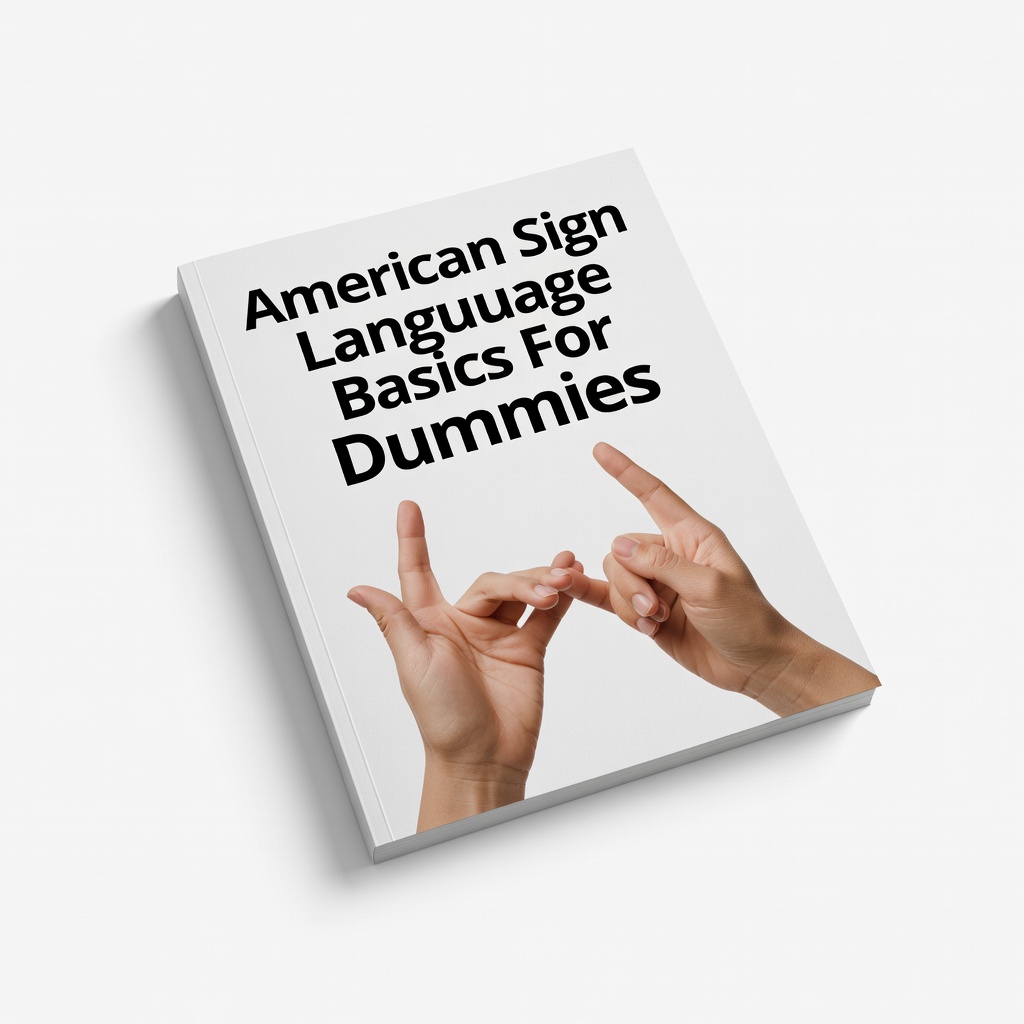
American Sign Language Basics For Dummies
This beginner-friendly book breaks down fundamentals with illustrations and practice exercises, ideal for allied health learners needing structured guidance.
Best for: Use for self-paced study at home, especially alphabet and phrase sections during commutes or breaks.
Price Range: $15-$20
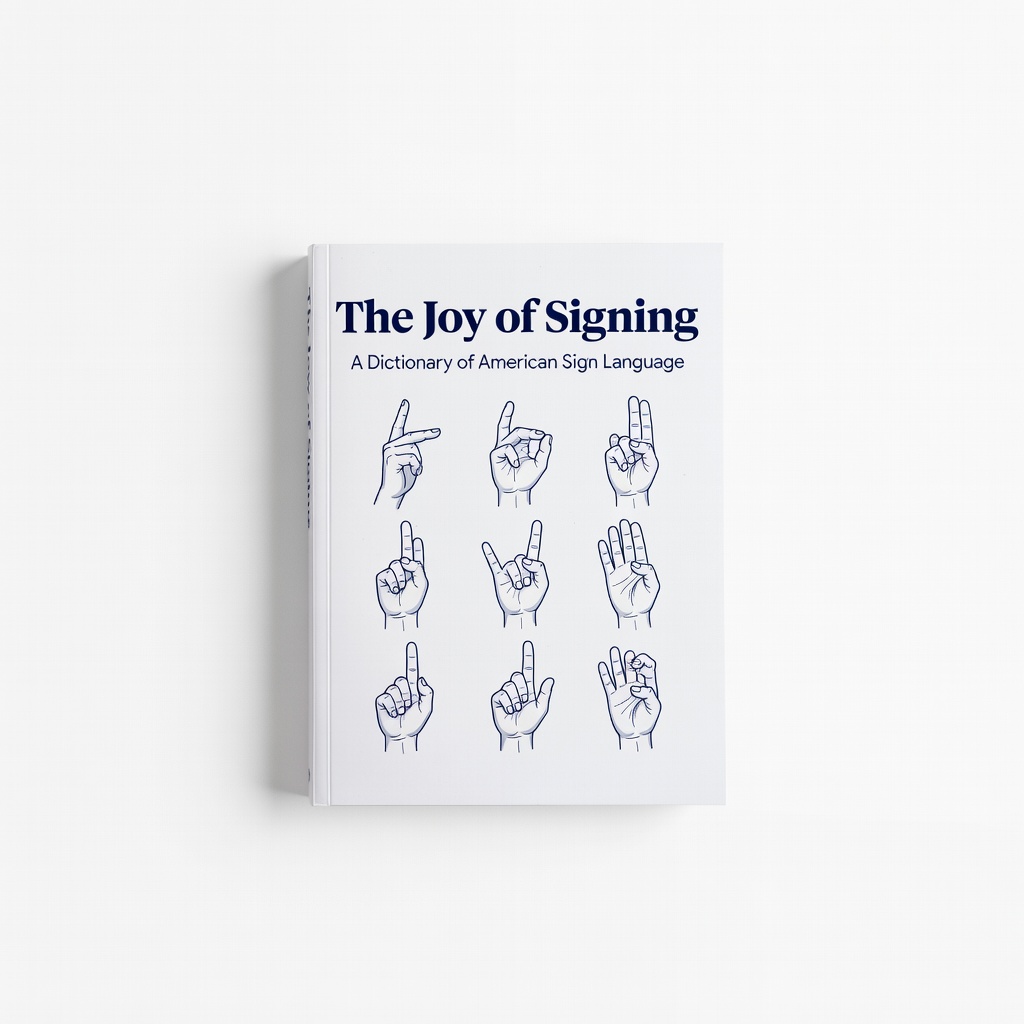
The Joy of Signing: A Dictionary of American Sign Language
Comprehensive visual dictionary with over 1,500 signs, photos, and usage notes—perfect for quick reference in health scenarios.
Best for: Keep on your desk for looking up patient-related terms like 'medicine' or 'appointment' during work.
Price Range: $20-$25
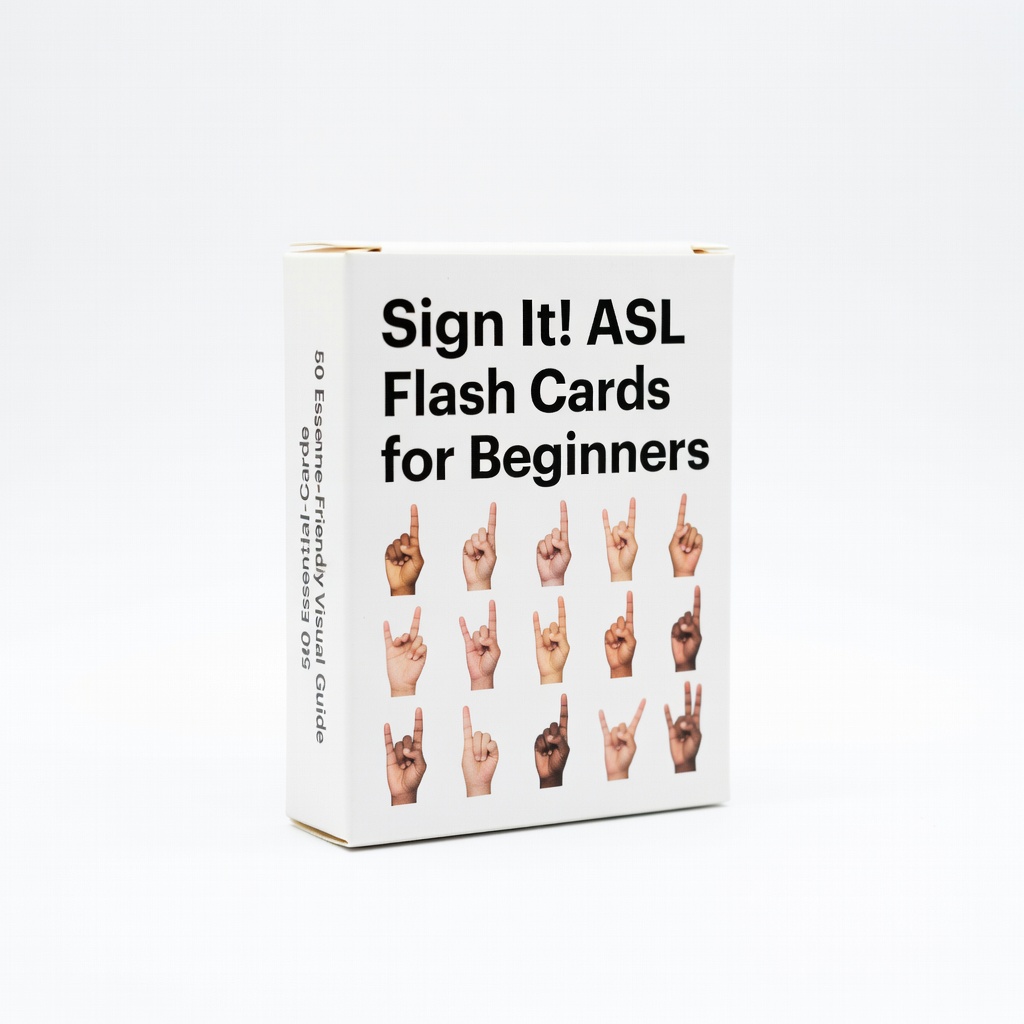
Sign It! ASL Flash Cards for Beginners
Portable flashcards with clear images and instructions make memorization fun and effective for visual learners.
Best for: Practice on-the-go, like during lunch breaks, focusing on greetings and numbers for immediate application.
Price Range: $10-$15
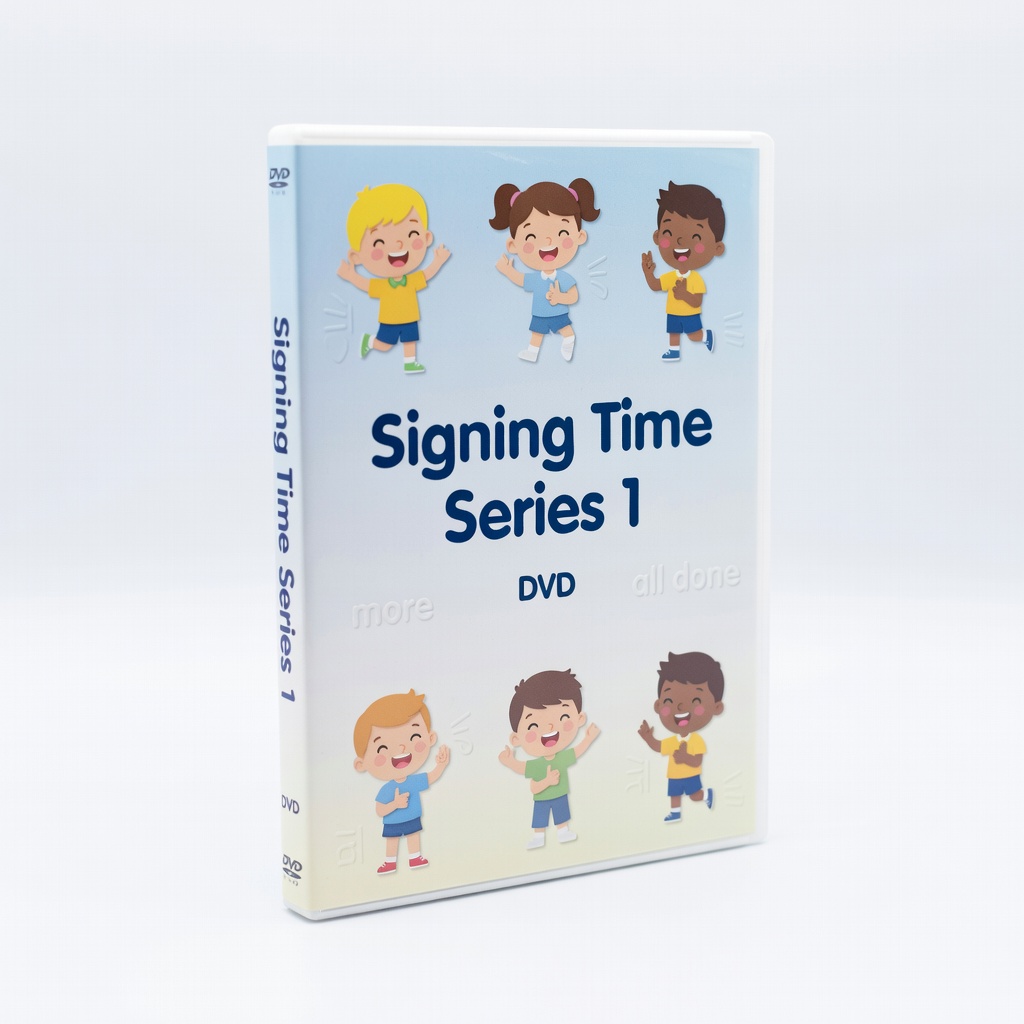
Signing Time Series 1 DVD
Engaging video lessons with songs and real signers teach basics interactively, great for reinforcing phrases through repetition.
Best for: Watch with family or in group settings to practice health phrases in a low-pressure environment.
Price Range: $15-$20
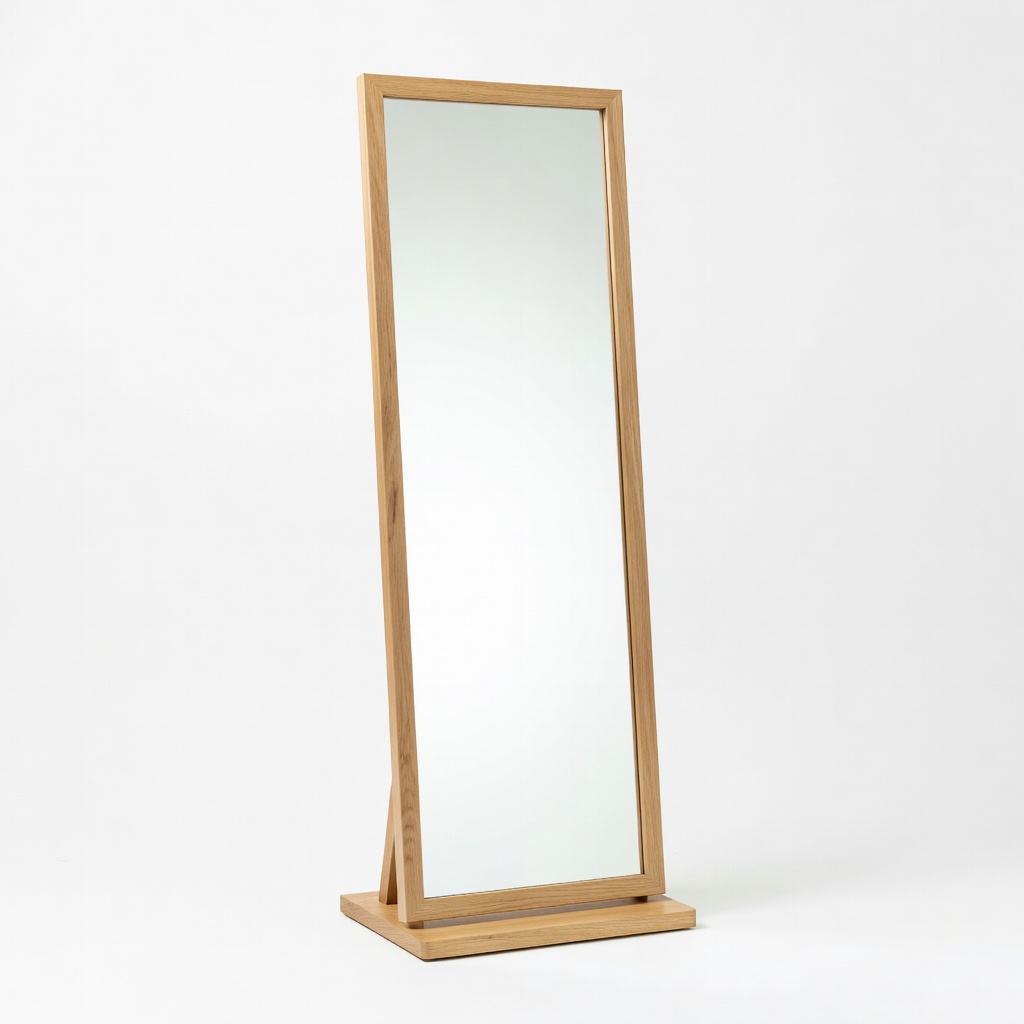
Full-Length Dressing Mirror for Practice
A sturdy, affordable mirror allows self-correction of signs, essential for accurate hand positioning without a partner.
Best for: Set up in your study space for daily 10-minute drills on alphabet and introductions.
Price Range: $30-$50