
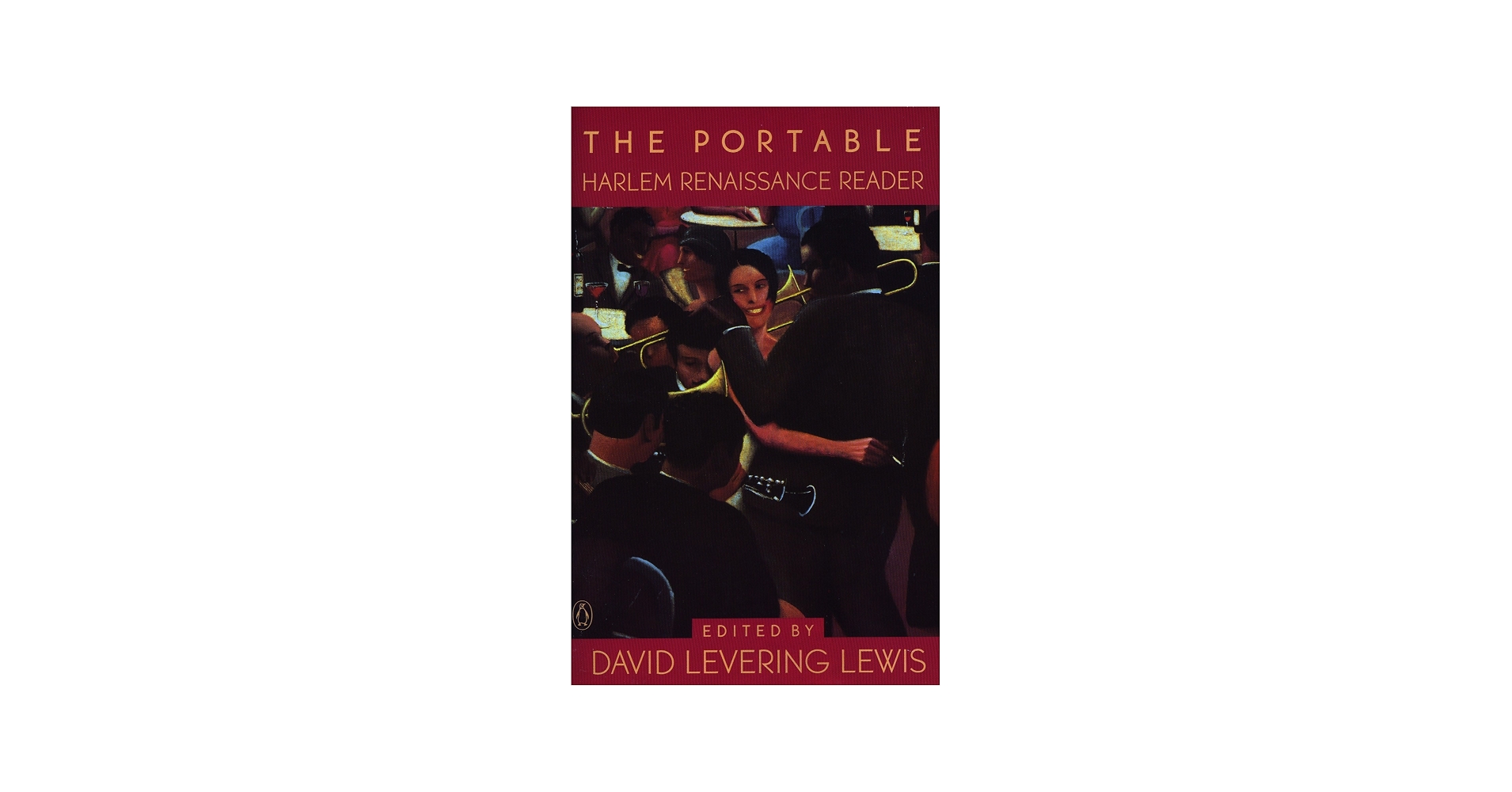
The Portable Harlem Renaissance Reader
Deep dive into primary texts without hunting individually.
$18-22
The Portable Harlem Renaissance Reader Essential anthology with 45+ works by 29 authors—perfect one-stop intro.
Get the App
Better experience on mobile
Unlock the vibrant 1920s movement that revolutionized African American literature, art, and identity in this clear explainer.
Imagine a cultural explosion in New York City that birthed jazz legends, poetic geniuses, and novels challenging racial norms— that's the Harlem Renaissance.
This guide breaks down the Harlem Renaissance (roughly 1918-1937), a pivotal era in American literature where Black artists asserted their voices amid oppression. You'll learn its origins, key figures like Langston Hughes and Zora Neale Hurston, major themes, iconic works, and lasting impact. Perfect for intermediate literature lovers wanting deeper insight without overwhelm.
Expect a straightforward journey from historical context to legacy in 15-20 minutes of reading—no prior expertise needed beyond basic U.S. history.
Estimated Time: 15-20 minutes Difficulty: intermediate
The Harlem Renaissance emerged post-World War I amid the Great Migration, when six million African Americans fled Southern racism for Northern cities like New York. Harlem became a Black cultural hub, swelling with intellectuals, artists, and migrants.
This era countered the 'New Negro' ideal—promoting pride over subservience. Alain Locke's 1925 anthology The New Negro crystallized it, shifting from dialect poetry to sophisticated modernism.
Why it matters: It reframed Black identity from stereotypes to complex humanity, influencing global civil rights.
💡 Tips:
From 1916-1930, Southern Blacks migrated North for jobs and freedom, transforming Harlem into a mecca. Factories boomed during WWI, but redlining confined them there, fostering community.
This influx birthed a renaissance: rent parties funded art, speakeasies spawned jazz. Literature captured this energy—raw, urban, defiant.
Expect: A sense of urgency in writings, blending folk roots with city slickness.
⚠️ Warnings:
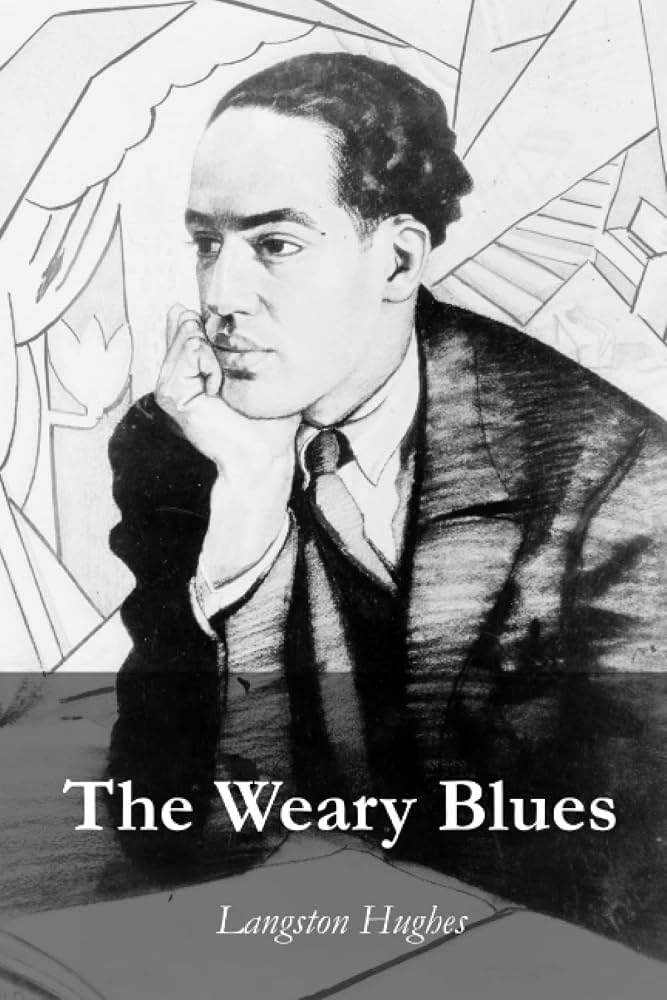
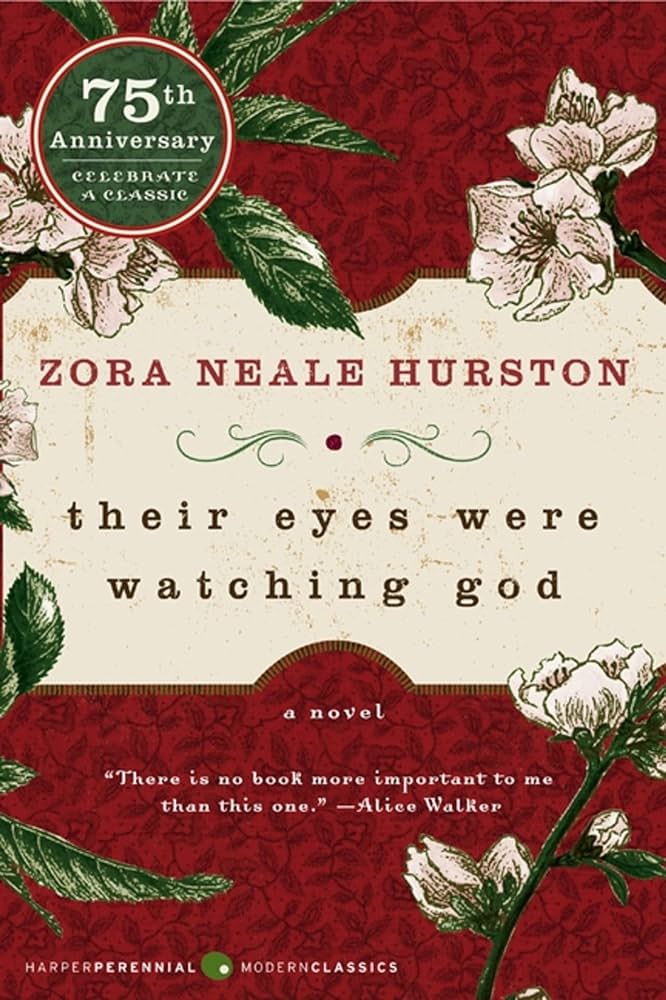
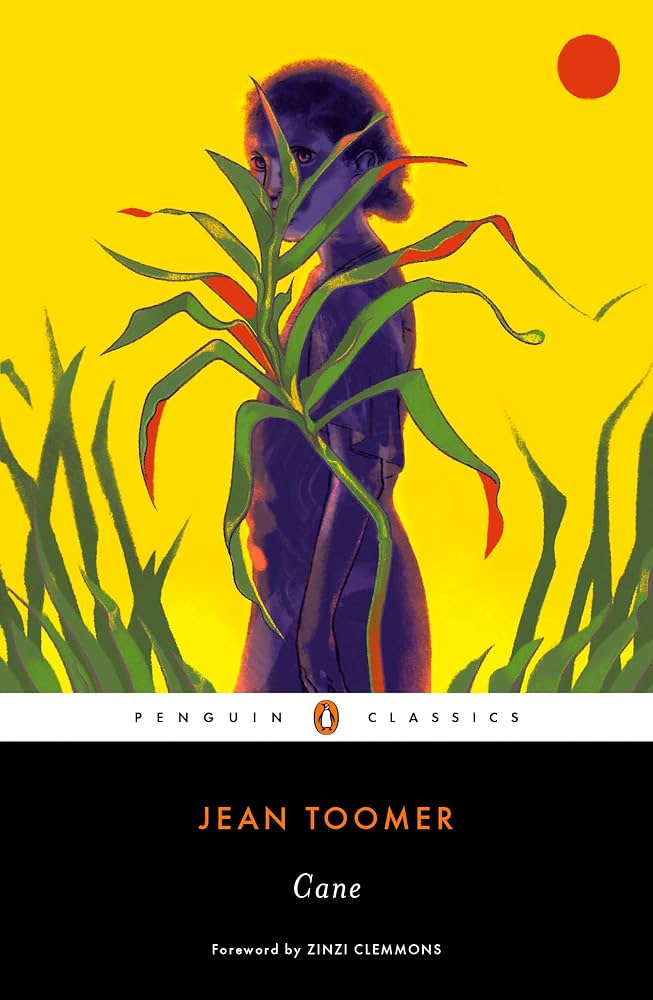
Langston Hughes poetized jazz rhythms in The Weary Blues. Zora Neale Hurston folklorized Black Southern life in Their Eyes Were Watching God. Jean Toomer's Cane fused poetry and prose on racial twilight.
Others: Claude McKay's militant sonnets (Harlem Shadows), Countee Cullen's formal lyrics. Women like Jessie Redmon Fauset edited magazines, amplifying voices.
Why key: These figures professionalized Black lit, publishing in white mags like The Crisis (NAACP's journal).
💡 Tips:
Literature intertwined with jazz (Duke Ellington, Bessie Smith) and visual arts (Aaron Douglas' murals). Writers attended Cotton Club shows, infusing syncopation into prose.
Analogy: Like a symphony—poetry the melody, jazz the beat, paintings the visuals.
This holistic vibe made it a true renaissance, not just books.
Racial pride vs. double-consciousness (Du Bois' idea of split identity). Urban alienation, sexuality (taboo then), folklore revival. Dialect vs. standard English debated.
Examples: Hughes' 'I, Too' asserts belonging; Hurston celebrates vernacular.
Matters because: Themes echo today in #BlackLivesMatter lit.
💡 Tips:
⚠️ Warnings:
Cane (1923): Experimental hybrid. The Weary Blues (1926): Jazz poetry. Passing by Nella Larsen: Colorism thriller.
These sold modestly but shifted paradigms, inspiring Black publishers.
Expect: Modernist experimentation—free verse, stream-of-consciousness.
Boosted Black middle class, integrated arts (white patrons like Carl Van Vechten). Magazines like Opportunity hosted contests.
But Depression (1929) starved funding; some critiqued escapism over activism.
Legacy starter: Paved for Richard Wright, Ralph Ellison.
Revived in 1960s Black Arts Movement. Influences Toni Morrison, hip-hop. Celebrates Black excellence globally.
Today: Streaming jazz, Hurston biopics (The Personal Librarian echoes).
You've now grasped its full arc!
💡 Tips:
Problem: Confused by timeline overlaps with Jazz Age?
Solution: Remember: Harlem Renaissance is Black-specific within broader 1920s modernism; use a simple chart.
Problem: Overwhelmed by names?
Solution: Prioritize top 3: Hughes, Hurston, Toomer—build from there.
Problem: Hard to access works?
Solution: Many public domain; Project Gutenberg or library apps.
Essential anthology with 45+ works by 29 authors—perfect one-stop intro.
Best for: Deep dive into primary texts without hunting individually.
Price Range: $18-22
Iconic poetry collection capturing jazz essence—accessible entry.
Best for: Quick reads to feel the rhythm; great for beginners.
Price Range: $5-8
Novel exemplifying themes; Oprah-endorsed, vivid dialect.
Best for: Full narrative immersion into era's voice.
Price Range: $8-12
Experimental masterpiece blending genres—shows innovation.
Best for: Study modernism in Black lit.
Price Range: $12-16
Curated essays/docs by Nathan Huggins—historical context gold.
Best for: Non-fiction supplement to fiction.
Price Range: $15-20
Deep dive into primary texts without hunting individually.
The Portable Harlem Renaissance Reader Essential anthology with 45+ works by 29 authors—perfect one-stop intro.
Quick reads to feel the rhythm; great for beginners.
The Weary Blues by Langston Hughes Iconic poetry collection capturing jazz essence—accessible entry.
Full narrative immersion into era's voice.
Their Eyes Were Watching God by Zora Neale Hurston Novel exemplifying themes; Oprah-endorsed, vivid dialect.
Study modernism in Black lit.
Cane by Jean Toomer Experimental masterpiece blending genres—shows innovation.
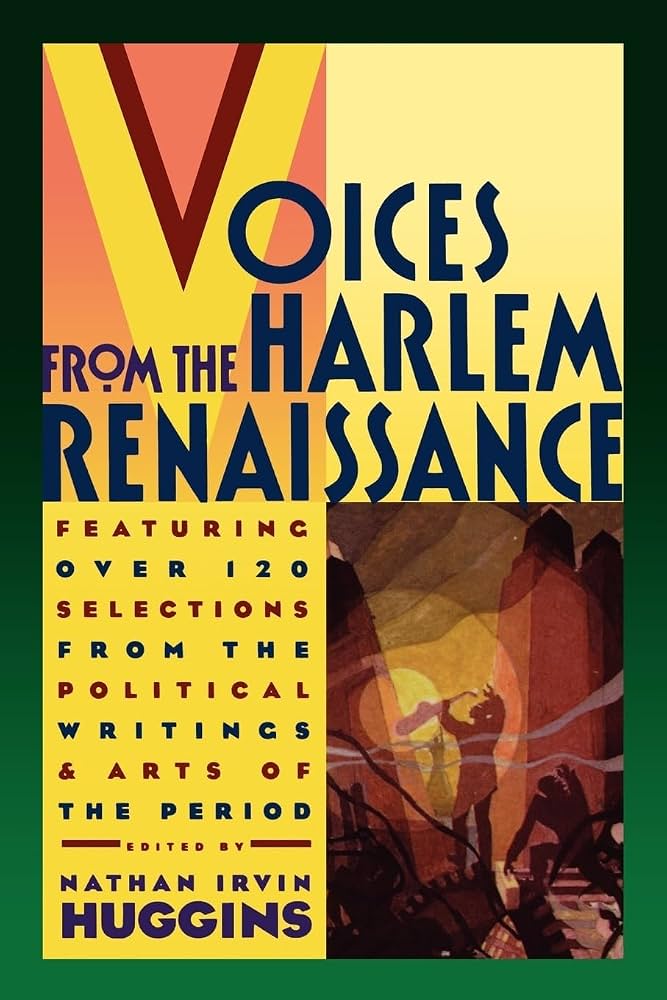
Non-fiction supplement to fiction.
Voices from the Harlem Renaissance Curated essays/docs by Nathan Huggins—historical context gold.