
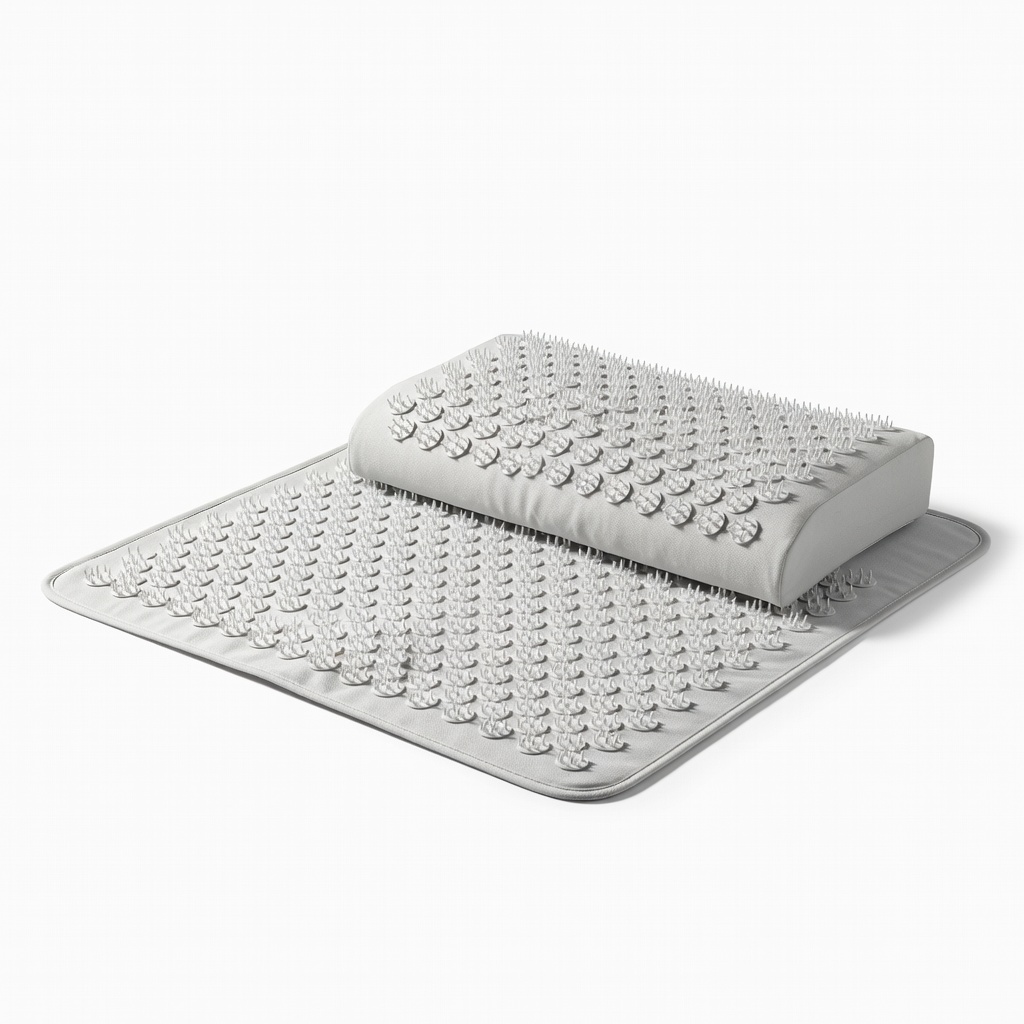
ProSource Acupressure Mat and Pillow Set
Daily 15-min sessions for back/neck tension.
$25-$35
ProSource Acupressure Mat and Pillow Set Great entry to acupuncture evidence-based benefits for pain relief at home, safer than needles for beginners.
Get the App
Better experience on mobile
Learn the basics of alternative medicine, explore common therapies, and discover the scientific evidence to make smart health decisions.
In a world where conventional medicine doesn't always provide quick relief or addresses root causes, many turn to alternative medicine for natural solutions. Whether it's acupuncture for pain or herbs for stress, these therapies promise holistic healing—but do they work? This guide demystifies it all for beginners.
You'll learn what alternative medicine really is, dive into popular therapies like herbal remedies and yoga, and examine the evidence from clinical studies. By the end, you'll know how to spot effective options and avoid hype. Expect a straightforward read—no jargon, just facts.
This explainer takes 15-20 minutes and requires no prior knowledge, just curiosity.
Estimated Time: 15-20 minutes Difficulty: beginner
Alternative medicine refers to health practices used instead of conventional (Western) medicine, like drugs or surgery. Examples include acupuncture, herbalism, and homeopathy. When used alongside conventional care, it's called complementary medicine; together, they're integrative.
Why it matters: About 40% of Americans use it for chronic issues like pain or anxiety, per NIH data. It's holistic, focusing on mind-body-spirit balance rather than just symptoms.
Expect: A broader view of health beyond pills.
💡 Tips:
Roots trace to ancient systems: Traditional Chinese Medicine (TCM, 2000+ BC), Ayurveda (India, 3000 BC), and Native American herbalism. It boomed in the 1970s U.S. counterculture as 'New Age' healing.
Today, it's a $200B+ industry globally. Analogy: Like heirloom recipes passed down, but now tested in labs.
Key takeaway: Old doesn't mean outdated, but evidence updates it.
⚠️ Warnings:
Herbs like echinacea (colds), turmeric (inflammation), and St. John's wort (depression) are popular. They're plant-based remedies standardized into supplements.
Evidence: Strong for ginger (nausea, per Cochrane reviews), moderate for turmeric (arthritis pain). Weak for echinacea preventing colds.
Why try? Affordable and accessible; start low dose.
💡 Tips:
Acupuncture uses thin needles on 'meridian' points to balance energy (qi). Acupressure is needle-free, pressing points.
Evidence: WHO endorses for nausea, migraines; NIH says moderate for chronic pain (better than placebo in meta-analyses). Analogy: Like rebooting a computer—stimulates nerves, releases endorphins.
Expect mild soreness; sessions cost $50-100.
Yoga combines poses, breath, meditation; mindfulness reduces stress.
Evidence: Gold standard—reduces anxiety/depression (Harvard studies), lowers blood pressure (meta-analyses). Free apps make it easy.
Why it works: Lowers cortisol; accessible for all ages.
💡 Tips:
Chiropractic adjusts spine for pain relief; massage kneads muscles.
Evidence: Effective for back pain (American College of Physicians guidelines); limited for other issues. Risks: Rare neck adjustments.
Analogy: Spine tune-up like car alignment.
⚠️ Warnings:
Homeopathy uses extreme dilutions ('like cures like'). Evidence: No better than placebo (Lancet meta-analysis); NHMRC calls it ineffective.
Others like Reiki (energy healing): Relaxation benefits, but placebo-level.
Lesson: Demand randomized trials.
Look for: RCTs, meta-analyses on PubMed/Cochrane. Goldilocks rule—not too woo-woo, not Big Pharma biased.
Red flags: Anecdotes, no studies. Pro: NCCIH.gov summaries.
Apply: Track your results in a journal.
💡 Tips:
Problem: No improvement after trying a therapy
Solution: Give 4-6 weeks, track data, consult pro. Switch if no evidence.
Problem: Side effects like rash from herbs
Solution: Stop immediately, see doctor. Poor quality product likely.
Problem: Overwhelmed by conflicting info
Solution: Stick to Cochrane/NCCIH reviews. Ignore social media hype.
Problem: Expensive sessions unaffordable
Solution: Try DIY versions like acupressure mats or free yoga videos.
Great entry to acupuncture evidence-based benefits for pain relief at home, safer than needles for beginners.
Best for: Daily 15-min sessions for back/neck tension.
Price Range: $25-$35
Backed by studies for inflammation/arthritis; high absorption with BioPerine.
Best for: Daily for joint pain, as alternative to NSAIDs.
Price Range: $20-$25
Top-rated for aromatherapy (lavender for stress, evidence for relaxation); pure, tested.
Best for: Diffuse for anxiety, supported by sleep studies.
Price Range: $20-$30
Definitive book reviewing evidence for alt therapies—perfect for informed beginners.
Best for: Read chapters on your interests before trying.
Price Range: $10-$15
Strong evidence for heart/brain health; purest form of omega-3s often in alt protocols.
Best for: Daily supplement for inflammation, per AHA.
Price Range: $40-$50
Daily 15-min sessions for back/neck tension.
ProSource Acupressure Mat and Pillow Set Great entry to acupuncture evidence-based benefits for pain relief at home, safer than needles for beginners.
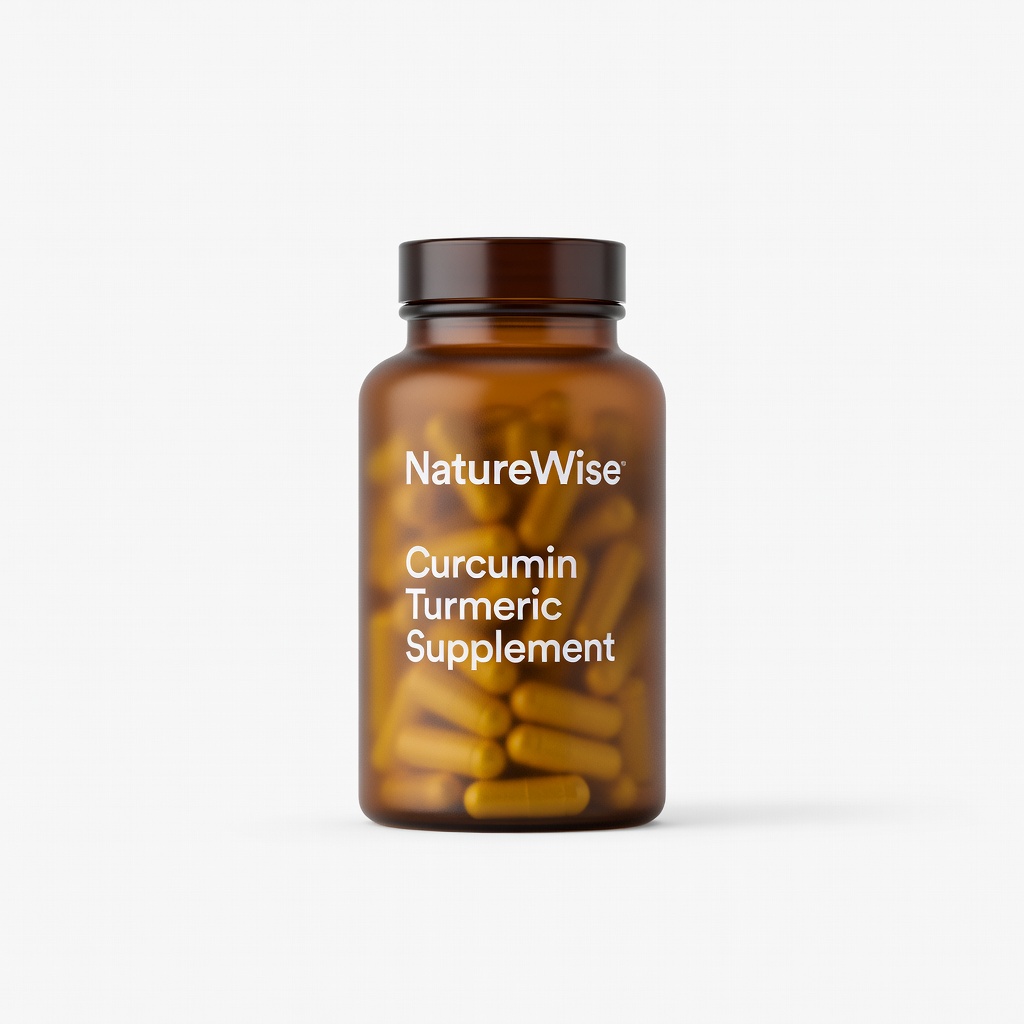
Daily for joint pain, as alternative to NSAIDs.
NatureWise Curcumin Turmeric Supplement Backed by studies for inflammation/arthritis; high absorption with BioPerine.
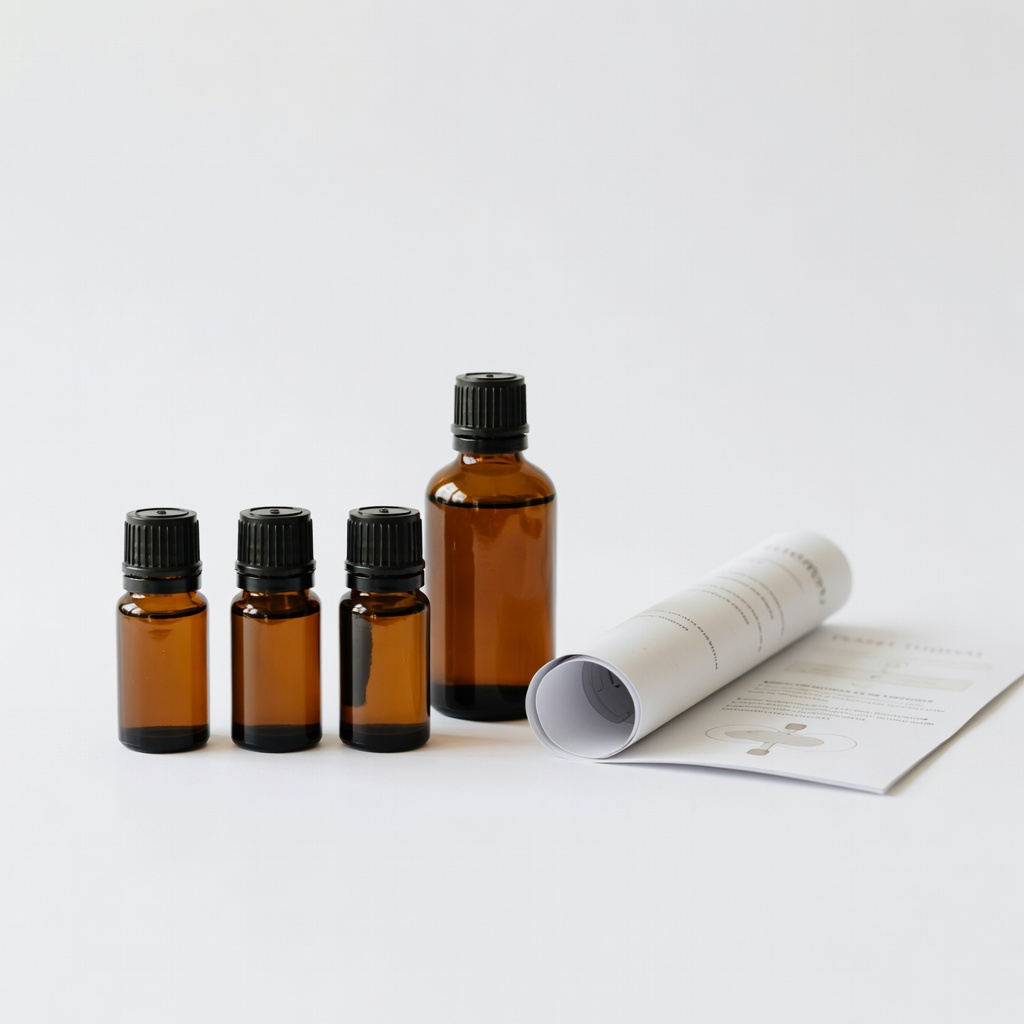
Diffuse for anxiety, supported by sleep studies.
Plant Therapy Essential Oils Starter Kit Top-rated for aromatherapy (lavender for stress, evidence for relaxation); pure, tested.
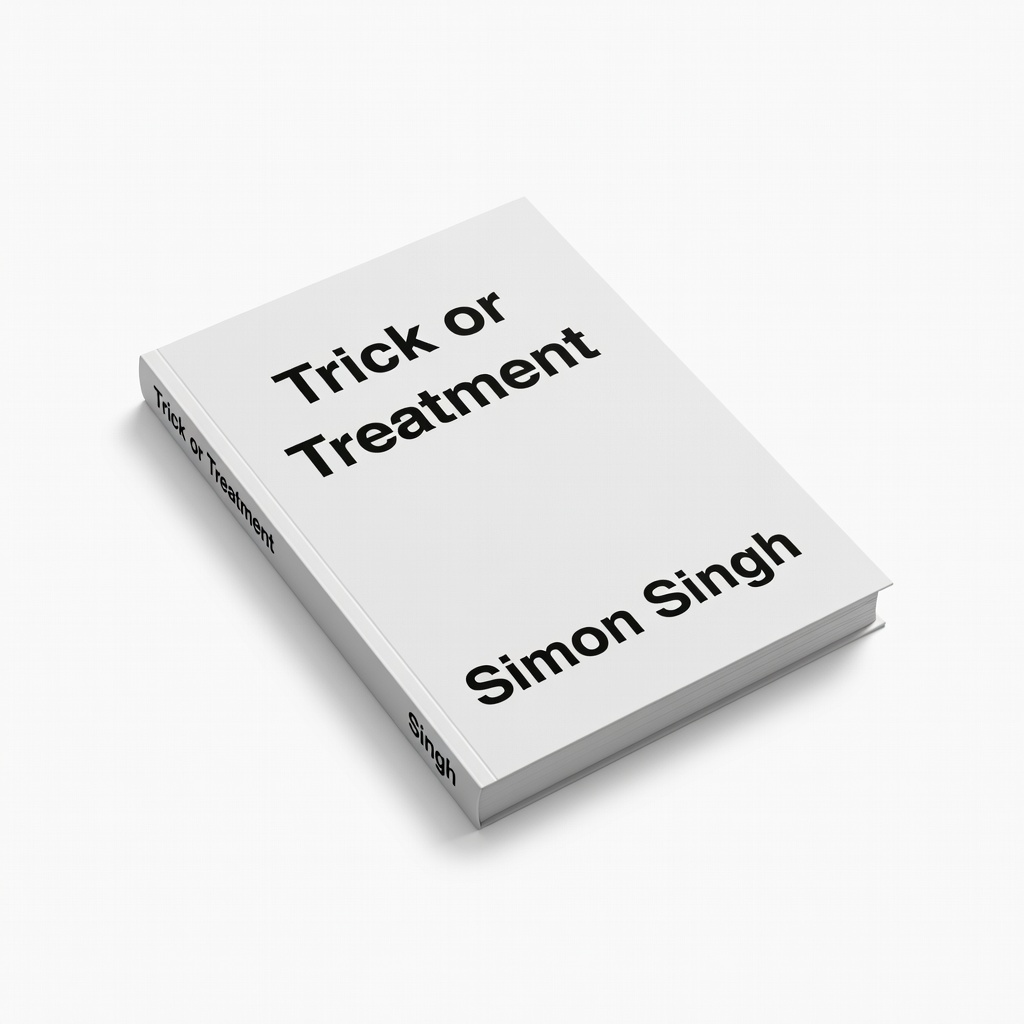
Read chapters on your interests before trying.
Trick or Treatment by Simon Singh Definitive book reviewing evidence for alt therapies—perfect for informed beginners.
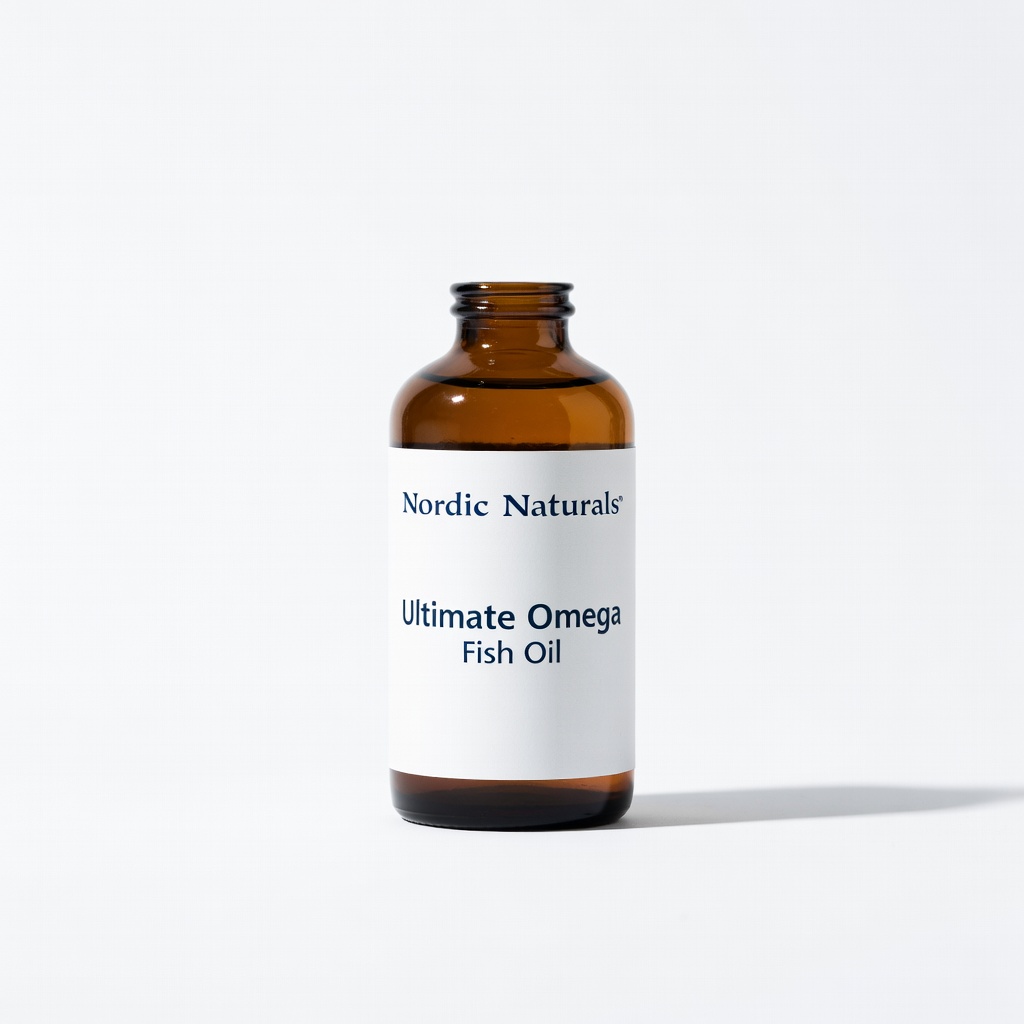
Daily supplement for inflammation, per AHA.
Nordic Naturals Ultimate Omega Fish Oil Strong evidence for heart/brain health; purest form of omega-3s often in alt protocols.