
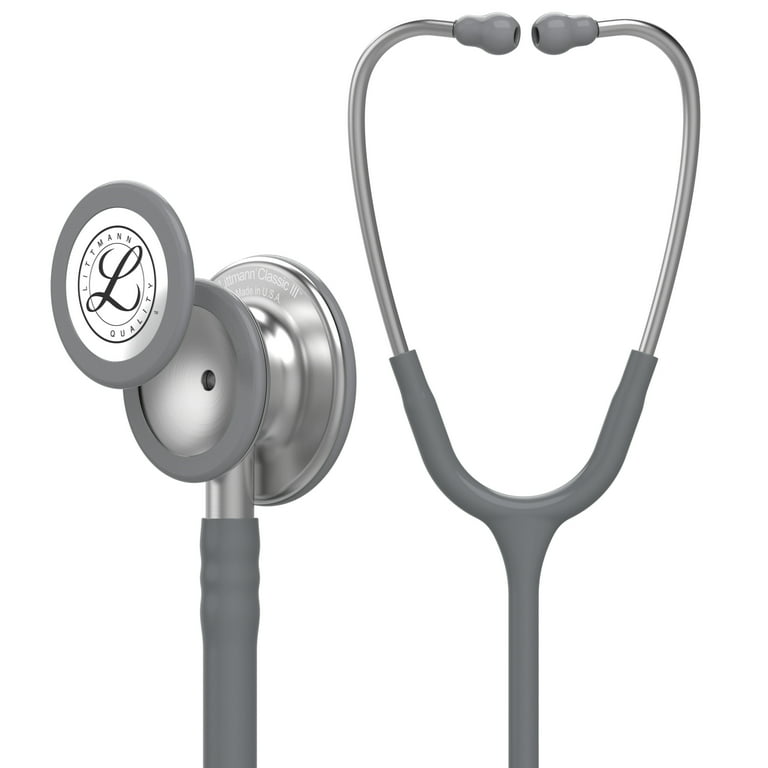
3M Littmann Classic III Stethoscope
Practice auscultation in school or on the job; durable for daily use.
$70-$90
3M Littmann Classic III Stethoscope Essential diagnostic tool for clinical training and entry-level jobs like medical assisting.
Get the App
Better experience on mobile
Explore diverse allied health careers, education paths, and steps to launch your healthcare journey as a beginner.
In today's booming healthcare industry, doctors and nurses aren't the only heroes keeping patients healthy. Allied health professionals play a crucial behind-the-scenes role, from diagnosing through imaging to rehabilitating after surgery. With over 200 occupations and millions of jobs, this field offers stable, rewarding careers without the long residency of becoming a physician.
This guide breaks down what allied health professions are, popular career paths, required education, and how to get started. You'll gain a clear understanding of this essential sector and actionable steps to pursue it—no prior knowledge needed. Expect a straightforward explainer that's beginner-friendly, taking about 20 minutes to read.
Whether you're a high school grad eyeing healthcare or switching careers, allied health offers flexibility, good pay, and high demand due to aging populations.
Estimated Time: 20-30 minutes Difficulty: beginner
Allied health refers to any healthcare occupation that supports doctors, nurses, and dentists but isn't one of those roles. Think of it as the backbone of medical teams—professionals who perform tests, therapies, and treatments.
Examples include physical therapists helping patients regain mobility, radiologic technologists capturing X-rays, and medical lab technicians analyzing blood samples. According to the U.S. Bureau of Labor Statistics (BLS), allied health makes up 60% of the healthcare workforce.
Why it matters: These roles ensure smooth patient care without overlapping medical practice.
💡 Tips:
Unlike MDs (doctors) who diagnose and prescribe, or RNs (nurses) who manage patient care, allied health focuses on specialized support. No white coat with a stethoscope dictating meds—more like targeted expertise.
For instance, a respiratory therapist adjusts ventilators, while a speech-language pathologist helps stroke victims communicate. This distinction keeps education shorter and more focused.
What to expect: Faster entry into the workforce, often 1-4 years vs. 8+ for doctors.
⚠️ Warnings:
Dive into top paths:
Each offers variety—clinical, lab, or outpatient settings.
💡 Tips:
Most paths start with associate degrees (2 years) or certificates (6-12 months), available at community colleges. Bachelor's for advancement; some like physician assistants need master's.
Costs: $5,000-$20,000 total for entry-level. Prerequisites: High school science courses.
Pro path: Enroll in accredited programs via CAHEEP (Commission on Accreditation of Allied Health Education Programs).
Core skills: Communication, empathy, attention to detail, tech-savviness (EHR systems). Hands-on: Dexterity for lab work, stamina for patient lifting.
Soft skills shine: Teamwork in fast-paced environments.
Why crucial: Patients trust compassionate pros who explain procedures clearly.
💡 Tips:
Most jobs require national certification (e.g., ARRT for radiology) plus state licenses. Process: Pass exam after training, renew every 1-2 years with CEUs.
Timeline: 1-3 months post-graduation.
This boosts employability and salary by 10-20%.
⚠️ Warnings:
BLS projects 16% growth by 2032 (faster than average). Median salary: $45,000-$80,000 depending on role.
Advance: Specialize (e.g., MRI tech), pursue leadership, or bridge to nursing/PA.
Entry tip: Start as aide, gain experience.
Research local programs (use AACN.org), apply for financial aid, network on LinkedIn. Gain experience via CNA certification first.
Goal: Land entry job in 6-18 months.
💡 Tips:
Problem: Can't afford education?
Solution: Seek scholarships via Fastweb or allied health associations; start with free CNA training at local hospitals.
Problem: Overwhelmed by options?
Solution: Take a career quiz on BLS.gov or O*NET Online to match interests.
Problem: Struggling with clinical hours?
Solution: Choose programs with flexible scheduling; practice dexterity at home with puzzles.
Problem: Job market feels saturated?
Solution: Target rural areas or specialties like sonography for openings.
Essential diagnostic tool for clinical training and entry-level jobs like medical assisting.
Best for: Practice auscultation in school or on the job; durable for daily use.
Price Range: $70-$90
Comfortable, professional uniforms required for clinical rotations and work.
Best for: Moisture-wicking fabric for long shifts; multiple colors for compliance.
Price Range: $25-$40
Visual aid to master anatomy quickly—key for all allied health paths.
Best for: Study on-the-go during commutes; 300+ cards with illustrations.
Price Range: $25-$35
Simplifies jargon essential for certifications and daily communication.
Best for: Self-paced workbook for beginners prepping for programs.
Price Range: $40-$50
Practice auscultation in school or on the job; durable for daily use.
3M Littmann Classic III Stethoscope Essential diagnostic tool for clinical training and entry-level jobs like medical assisting.
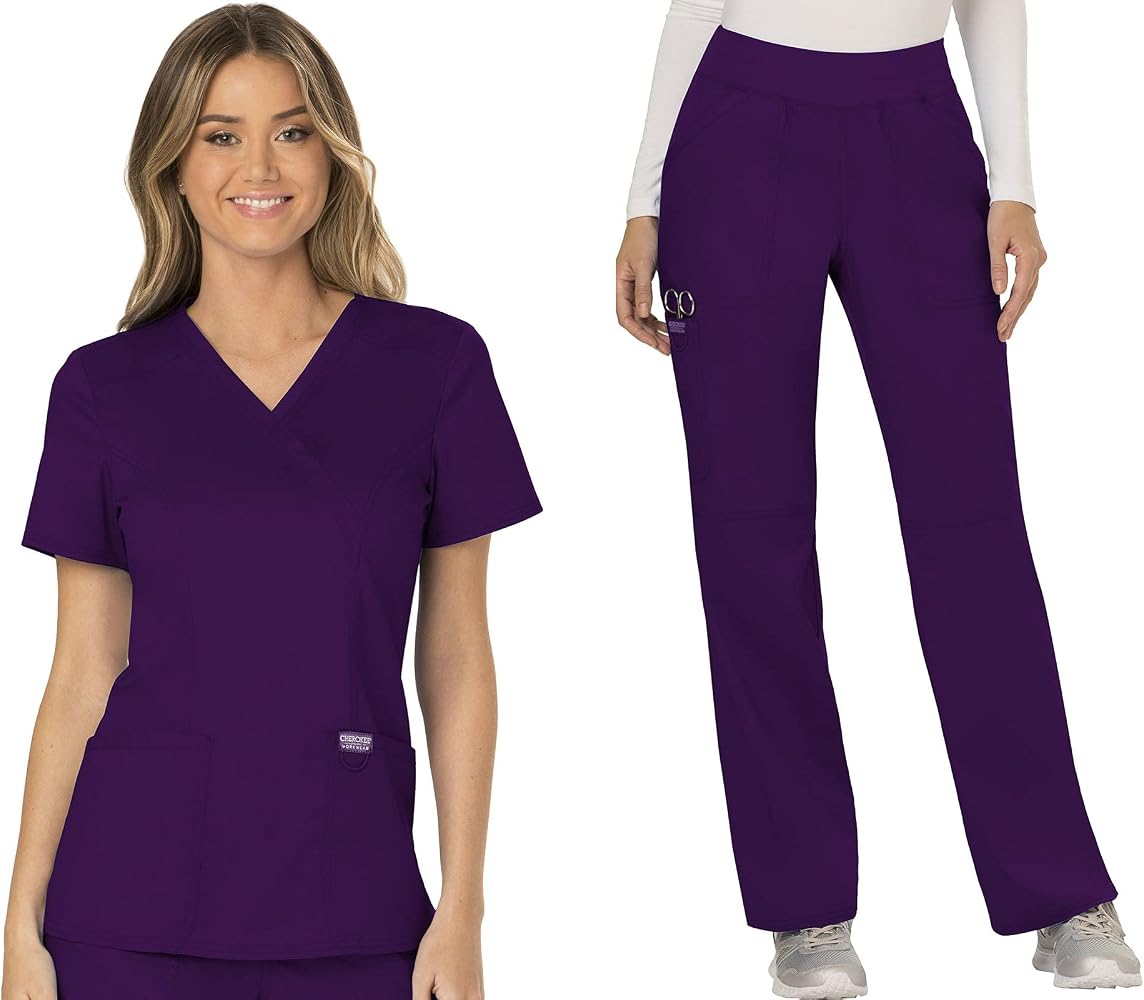
Moisture-wicking fabric for long shifts; multiple colors for compliance.
Cherokee Workwear Revolution Scrub Set Comfortable, professional uniforms required for clinical rotations and work.
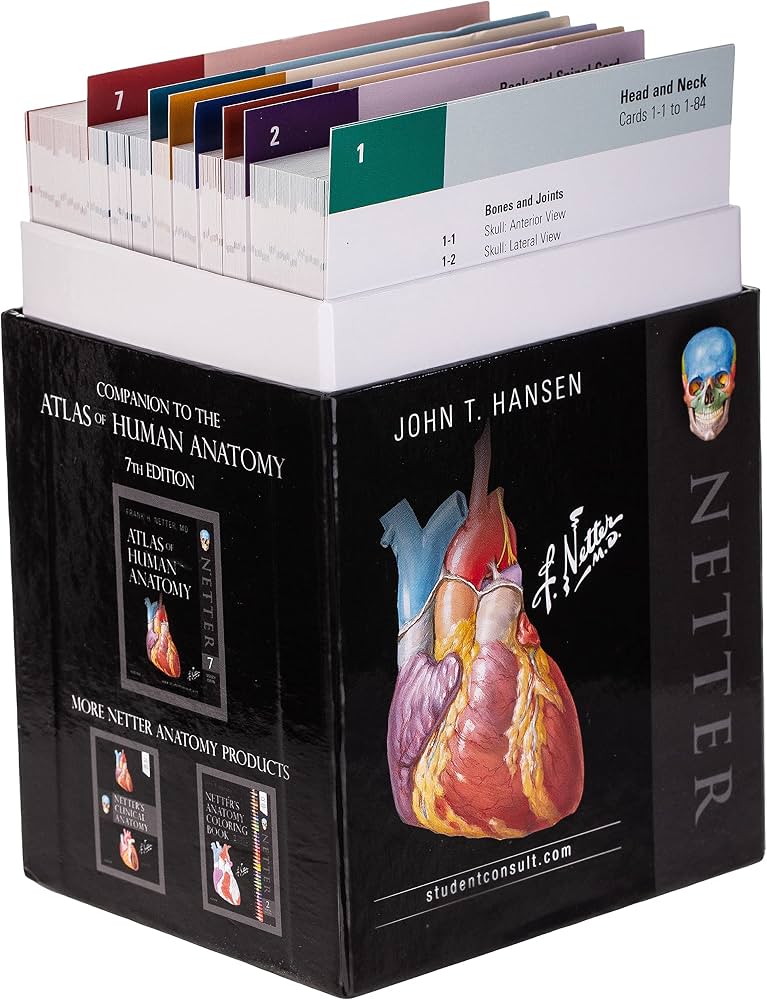
Study on-the-go during commutes; 300+ cards with illustrations.
Netter's Anatomy Flash Cards Visual aid to master anatomy quickly—key for all allied health paths.
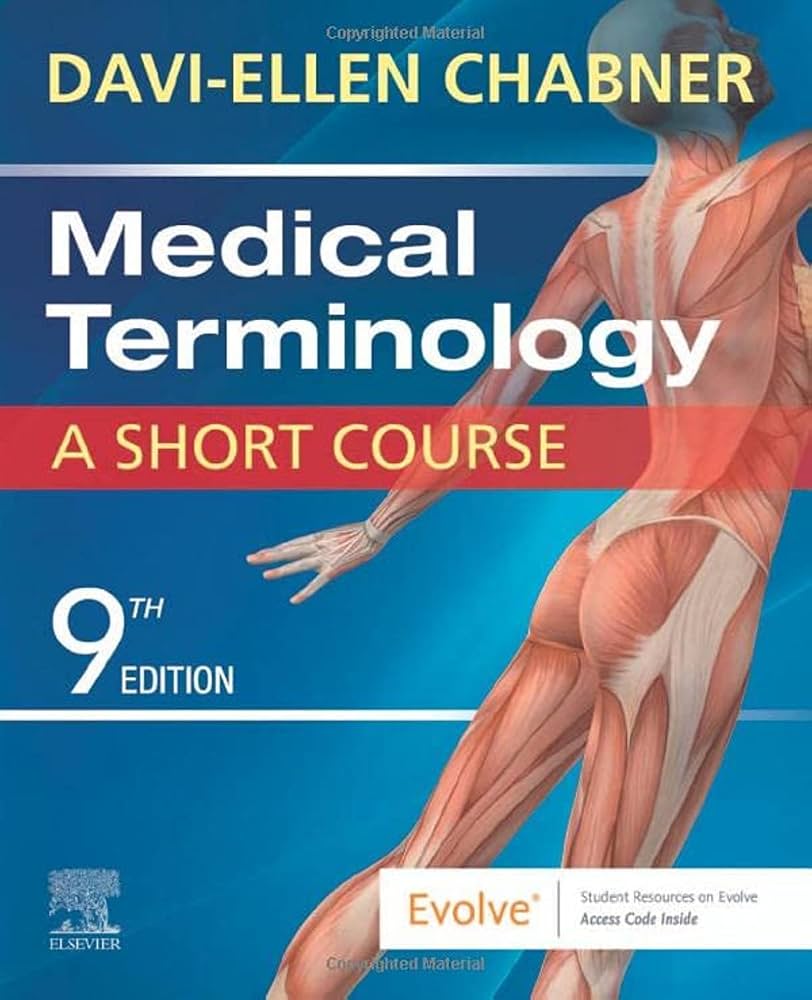
Self-paced workbook for beginners prepping for programs.
Medical Terminology: A Short Course by Davi-Ellen Chabner Simplifies jargon essential for certifications and daily communication.