
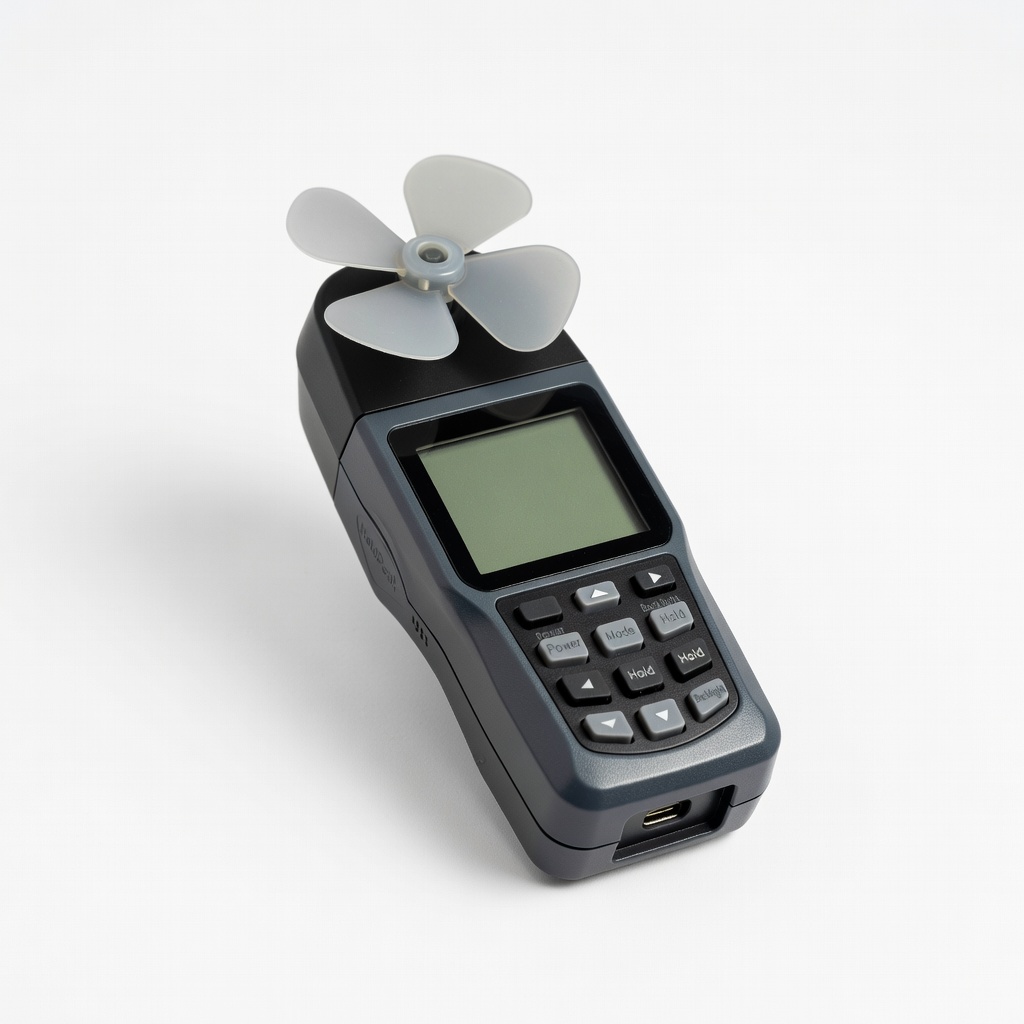
HoldPeak 866B Digital Anemometer
DIY balancing or verifying pro work.
$25-$35
HoldPeak 866B Digital Anemometer Accurate handheld tool for measuring airflow velocity and CFM at vents, essential for diagnostics.
Get the App
Better experience on mobile
Discover how airflow optimization enhances comfort, cuts energy costs, and boosts indoor air quality in your home ventilation system.
Ever feel stuffy air in one room while another feels drafty? Poor airflow in home ventilation systems is a common culprit, leading to uneven temperatures, higher energy bills, and stagnant air that harbors pollutants. Optimizing airflow fixes these issues by ensuring balanced, efficient air movement throughout your home.
In this guide, you'll learn what airflow optimization truly means, why it matters for health and efficiency, and practical ways to achieve it. We'll break down the concept step-by-step, from basics to advanced techniques, using simple analogies and real-world examples. No need for HVAC expertise—this intermediate-level explainer equips you to assess and improve your system.
Expect to spend 15-20 minutes reading, with actionable insights you can apply immediately or use when consulting pros.
Estimated Time: 15-20 minutes Difficulty: intermediate
Home ventilation systems circulate air to maintain comfort, remove pollutants, and regulate humidity. They include supply vents (delivering conditioned air), return vents (pulling air back), and exhaust fans (venting moisture-laden air from kitchens/bathrooms).
Think of it like your home's lungs: inhaling fresh/conditioned air and exhaling stale air. Without balance, 'pressure imbalances' occur—positive pressure pushes air out unintentionally, while negative pressure pulls in unfiltered outdoor air.
Why it matters: Grasping this foundation reveals how airflow optimization starts with knowing your system's anatomy.
💡 Tips:
Airflow is the volume of air moving through ducts, measured in cubic feet per minute (CFM). Ideal airflow ensures even distribution: bedrooms get quiet comfort, living areas get ample circulation.
Analogy: Imagine traffic on a highway. Optimization prevents 'congestion' (blocked ducts) and 'rush hour' imbalances (over-ventilated kitchens starving bedrooms).
Expect: Rooms should feel consistently comfortable without hot/cold spots.
⚠️ Warnings:
Airflow optimization tunes your system for maximum efficiency: balancing CFM across rooms, minimizing resistance, and integrating with heating/cooling loads.
It's not just 'more air'—it's precise distribution. For example, optimize so a 2,000 sq ft home delivers 400 CFM total, adjusted per room size (e.g., 75 CFM for a 150 sq ft bedroom).
Why it matters: Optimized systems save 20-30% on energy while improving IAQ.
💡 Tips:
Core elements: Ducts (insulated, sealed), dampers (control flow), fans/blowers (provide force), filters (clean air), and registers/grilles (direct output).
Poor seals or kinks create turbulence, like straws pinched in a drink. Optimization inspects and upgrades these.
What to expect: Visual checks reveal dust buildup or crushed ducts.
Balance: Equalize static pressure across branches. Minimize Resistance: Short, straight ducts with smooth bends. Sizing: Ducts matched to CFM (e.g., 6-inch for 100 CFM). Zoning: Dampers for room-specific control.
Analogy: Like plumbing—right pipe size prevents backups.
💡 Tips:
⚠️ Warnings:
Use an anemometer at vents to read velocity (FPM), then calculate CFM (area x velocity). Target: 300-500 FPM at supply vents.
Why: Data drives optimization—e.g., low bedroom CFM signals damper adjustment.
Apps like HVAC Check integrate with smart devices for remote monitoring.
Results: Even temps, quieter operation, lower bills.
💡 Tips:
Use smart sensors for ongoing tweaks. Annual pro inspections ensure peak performance.
Long-term: Optimization extends system life by reducing strain.
Problem: Uneven room temperatures
Solution: Measure CFM at each vent; adjust dampers or add boosters. Check for blockages.
Problem: High energy bills despite new system
Solution: Inspect for duct leaks (use smoke test). Seal and rebalance.
Problem: Noisy vents or whistling
Solution: Reduce velocity with larger grilles or dampers. Clean debris.
Problem: Poor humidity control
Solution: Verify exhaust fan CFM; consider HRV/ERV upgrade. Seek pro if persistent.
Accurate handheld tool for measuring airflow velocity and CFM at vents, essential for diagnostics.
Best for: DIY balancing or verifying pro work.
Price Range: $25-$35
Boosts airflow in weak ducts without overloading the main blower.
Best for: Remote rooms or long duct runs.
Price Range: $40-$50
Tracks CO2, humidity, VOCs to indicate airflow effectiveness indirectly.
Best for: Ongoing monitoring post-optimization.
Price Range: $180-$220
App-controlled vents auto-balance airflow per room needs.
Best for: Zoned optimization in multi-story homes.
Price Range: $50-$70 each
Professional-grade for precise CFM readings across entire system.
Best for: Advanced users or pre/post optimization verification.
Price Range: $300-$400
DIY balancing or verifying pro work.
HoldPeak 866B Digital Anemometer Accurate handheld tool for measuring airflow velocity and CFM at vents, essential for diagnostics.
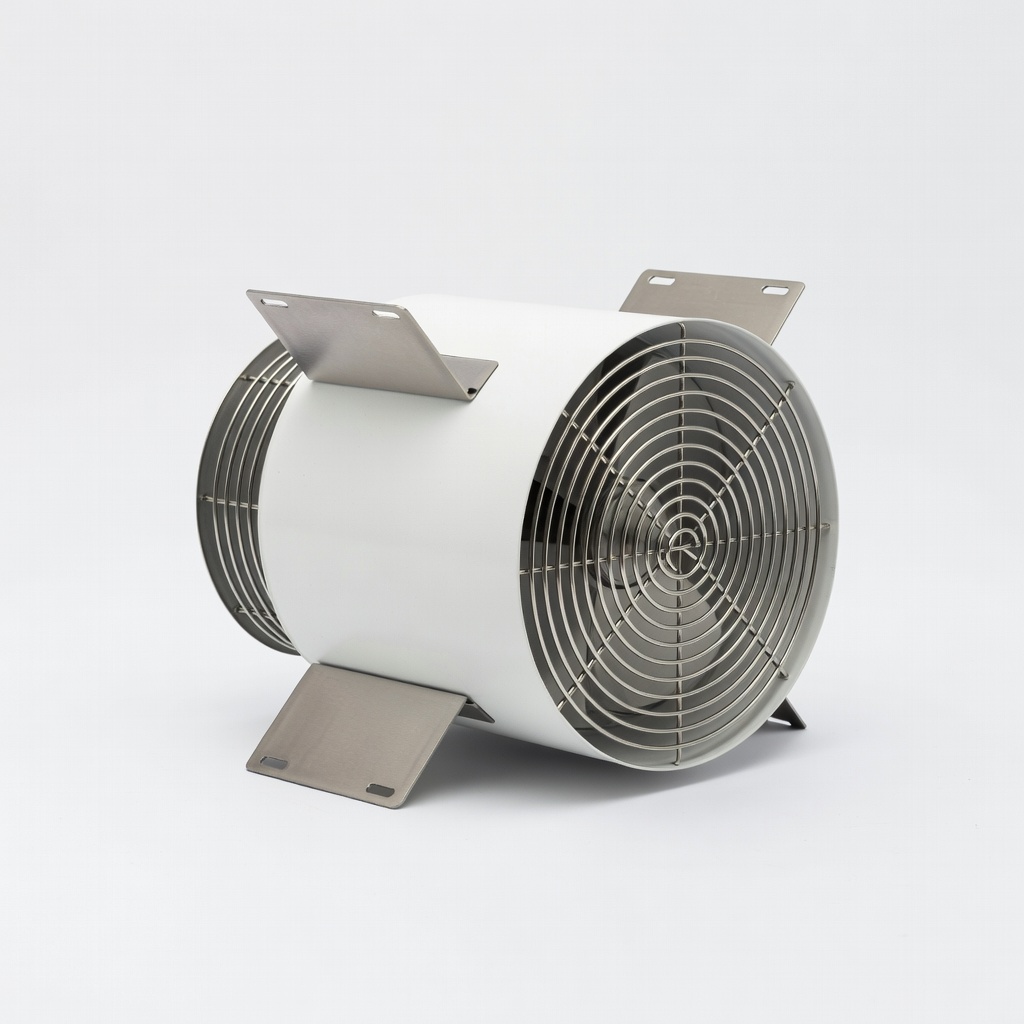
Remote rooms or long duct runs.
Vivosun 4-Inch Inline Duct Booster Fan Boosts airflow in weak ducts without overloading the main blower.
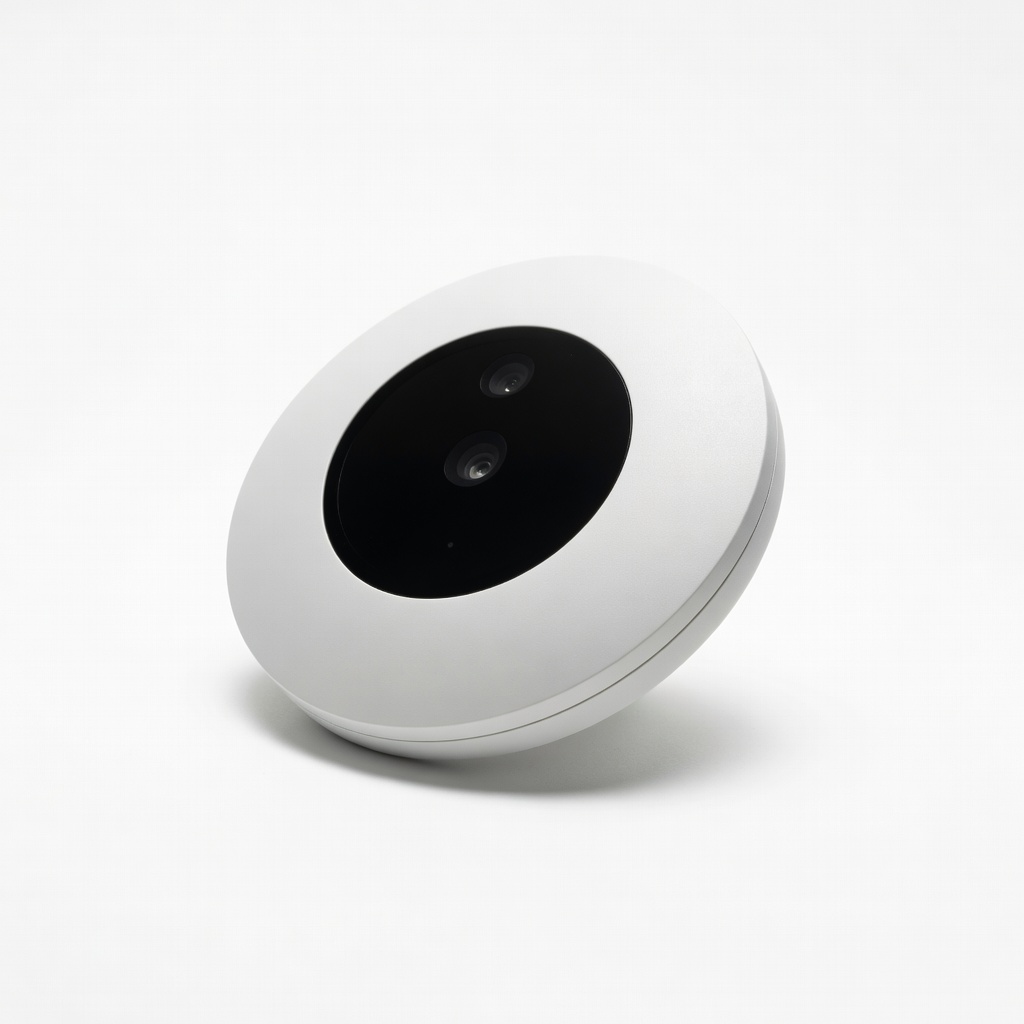
Ongoing monitoring post-optimization.
Airthings Wave Plus Smart Air Quality Monitor Tracks CO2, humidity, VOCs to indicate airflow effectiveness indirectly.
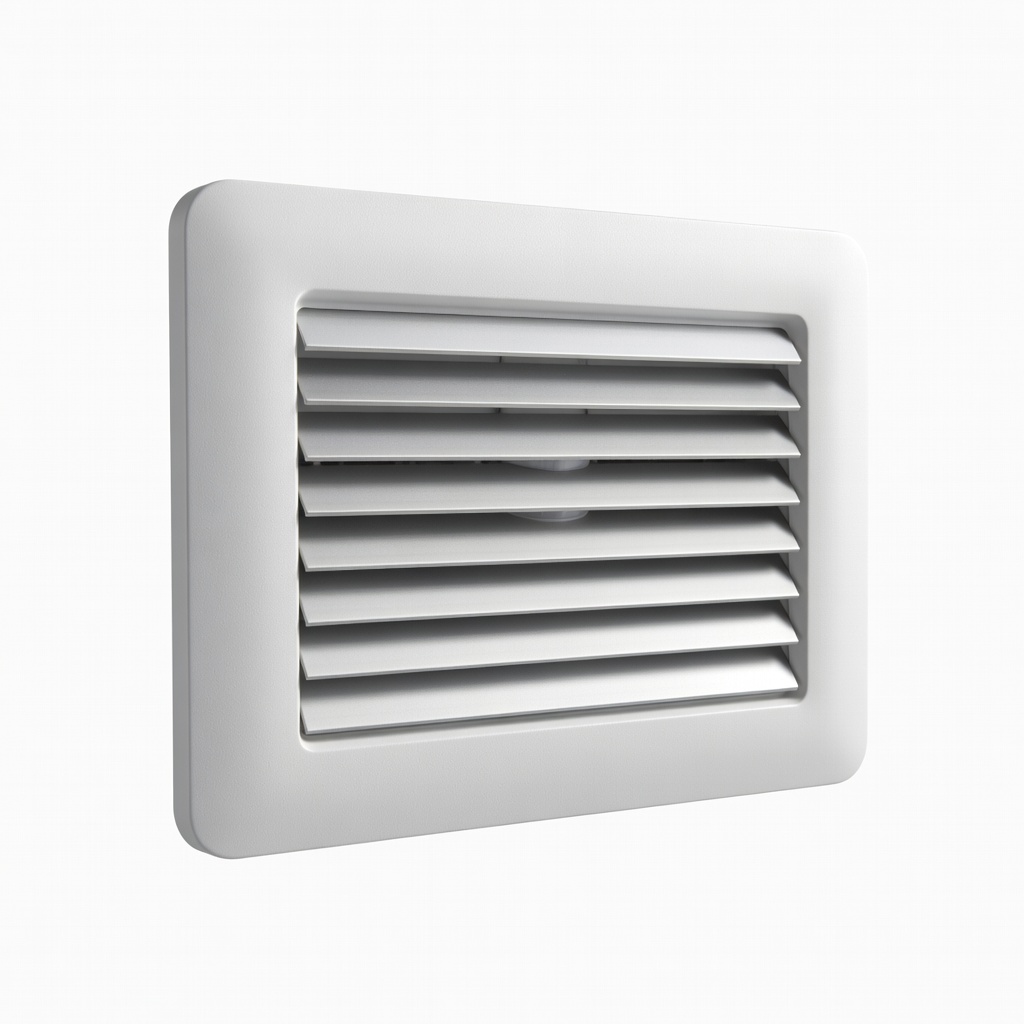
Zoned optimization in multi-story homes.
Keen Home Smart Vent App-controlled vents auto-balance airflow per room needs.
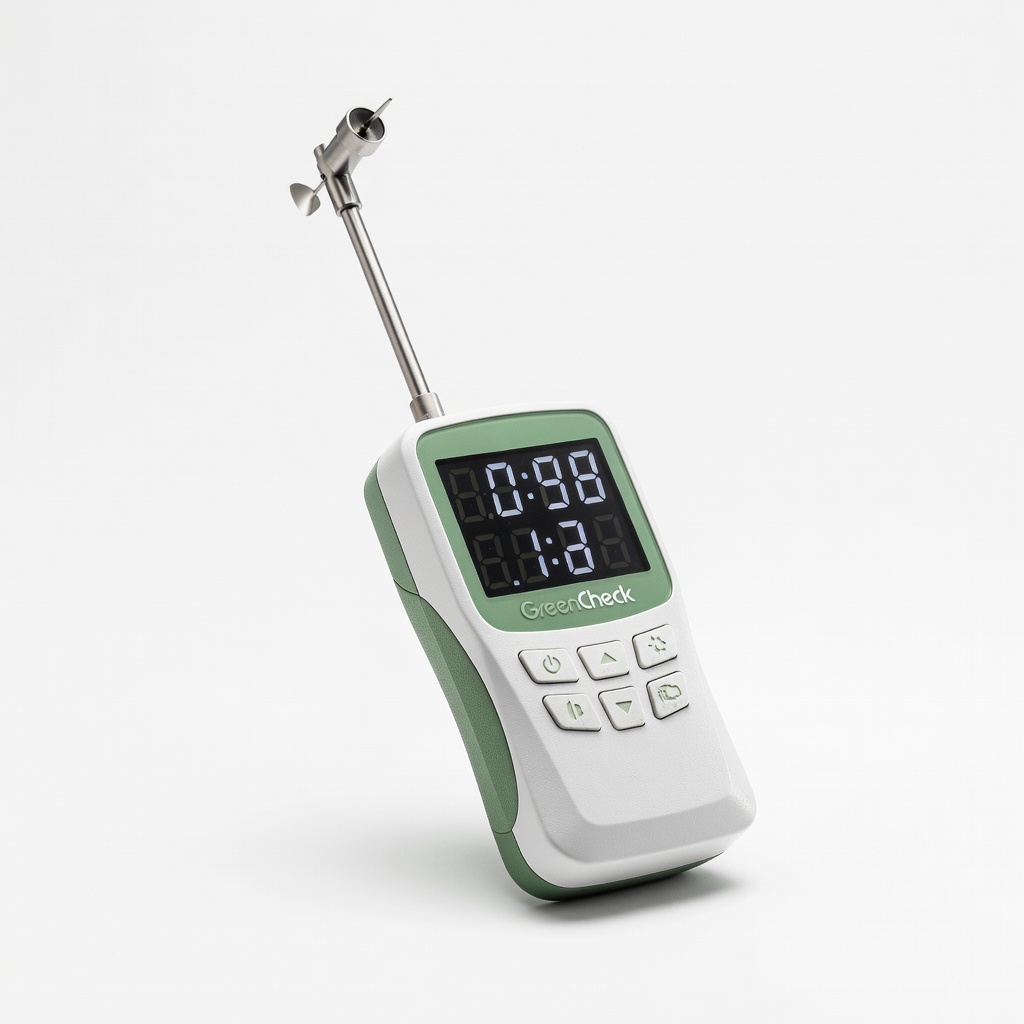
Advanced users or pre/post optimization verification.
ATMOS GreenCheck HVAC Airflow Meter Professional-grade for precise CFM readings across entire system.