
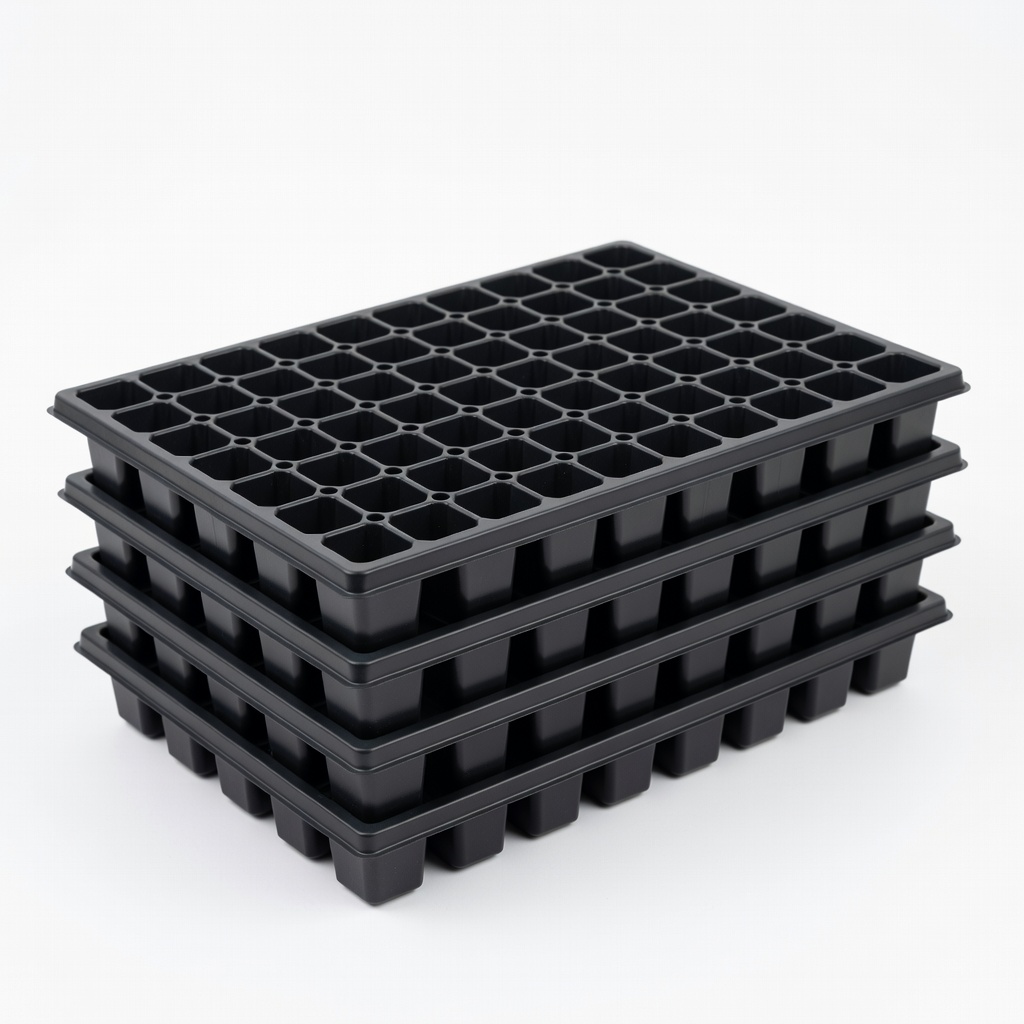
VIVOSUN 72 Cell Seed Starter Trays (5-Pack)
Starting 300+ seeds at once for veggies or flowers.
$18.99
VIVOSUN 72 Cell Seed Starter Trays (5-Pack) Durable, drainable cells perfect for beginners organizing many seeds without tangling roots.
Get the App
Better experience on mobile
Learn the essentials of agricultural plant germination tools to achieve higher success rates in starting seeds at home or on the farm.
Struggling with seeds that just won't sprout? You're not alone—poor germination is a top frustration for beginner gardeners and farmers, often due to uncontrolled temperature, moisture, or light.
In this guide, you'll discover what seed germination equipment is, why it's crucial for agriculture, and the key types every beginner should know. We'll break it down simply, with analogies like comparing it to a 'baby incubator' for plants, so you can boost your sprouting success without guesswork.
Expect a straightforward explainer: no hands-on setup required, just 10-15 minutes of reading to gain confidence in choosing and using these tools effectively.
Estimated Time: 10-15 minutes Difficulty: beginner
Seed germination is the process where a seed wakes up from dormancy, absorbs water, swells, and sprouts roots and shoots. Think of it like a chick hatching from an egg—it needs the right 'conditions' to emerge.
In agriculture, this stage is critical because it determines crop yield. Without proper control, seeds fail due to cold soil, dry air, or weak light. Equipment mimics ideal natural conditions: warm, moist, and lit.
What to expect: Most seeds germinate in 3-14 days under optimal setups, versus weeks or never without help.
💡 Tips:
Natural soil often varies in temperature (50-70°F ideal for most crops) and moisture, leading to spotty germination. Equipment provides consistency, like a controlled nursery.
For farmers, this means uniform seedlings for transplanting; for home growers, more plants from fewer seeds. Analogy: It's like using a thermostat instead of opening windows randomly.
Key benefits: 80-95% success rates vs. 50% or less outdoors.
⚠️ Warnings:
These are plastic trays with small cells (e.g., 72 or 128 per tray) that hold soil or soilless mix and seeds. They prevent root tangling and allow easy transplanting.
Why it matters: Cells promote straight roots (like training wheels for plants) and prevent damping-off disease from overcrowding.
Durable trays last seasons; opt for ones with drainage holes.
💡 Tips:
Electric mats under trays raise soil temp to 70-85°F, speeding germination by 2-3x. Soil warms faster from below, mimicking spring ground heat.
Why crucial: Many seeds (tomatoes, peppers) need warmth; cold slows or stops sprouting.
Waterproof models have thermostats for safety.
Clear plastic domes trap moisture, creating a mini-greenhouse (80-90% humidity). They reduce watering needs and protect tender sprouts.
Analogy: Like a cloche over veggies—holds in warmth and wet.
Ventilate once sprouting starts to prevent mold.
⚠️ Warnings:
Full-spectrum LED lights provide 14-16 hours of 'sunlight' when natural light is insufficient. Position 2-4 inches above seedlings.
Why needed: Weak light causes leggy, weak plants; lights build sturdy stems.
Energy-efficient LEDs run cool, ideal for small spaces.
💡 Tips:
Digital gauges track temp/humidity in real-time. Combo units are beginner-friendly.
Pro insight: Optimal: 70-80°F day, 60-70°F night; 70-90% humidity.
This prevents over/under conditions, ensuring success.
Problem: Seeds rot before sprouting
Solution: Reduce watering, ensure drainage, sterilize trays, lower humidity slightly.
Problem: Slow or no germination
Solution: Check heat mat temp (aim 75°F), verify seed viability (float test: sinkers are good).
Problem: Leggy seedlings
Solution: Add grow lights closer (2-6 inches) and increase light duration to 16 hours.
Problem: Fungal growth
Solution: Improve airflow with vents/fans; use sterile medium.
Durable, drainable cells perfect for beginners organizing many seeds without tangling roots.
Best for: Starting 300+ seeds at once for veggies or flowers.
Price Range: $18.99
Waterproof with thermostat for precise soil warming, boosting germination speed reliably.
Best for: Cold climates or basements for heat-loving seeds like peppers.
Price Range: $24.99
Adjustable vents maintain ideal humidity without mold risks.
Best for: Pairing with trays for a complete mini-greenhouse effect.
Price Range: $12.99
Full-spectrum, dimmable light for strong seedlings in low-light areas.
Best for: Indoor setups needing 2x2 ft coverage post-germination.
Price Range: $99.99
Accurate, wireless monitoring to dial in perfect conditions effortlessly.
Best for: Any setup to track temp/humidity trends.
Price Range: $9.99
Starting 300+ seeds at once for veggies or flowers.
VIVOSUN 72 Cell Seed Starter Trays (5-Pack) Durable, drainable cells perfect for beginners organizing many seeds without tangling roots.
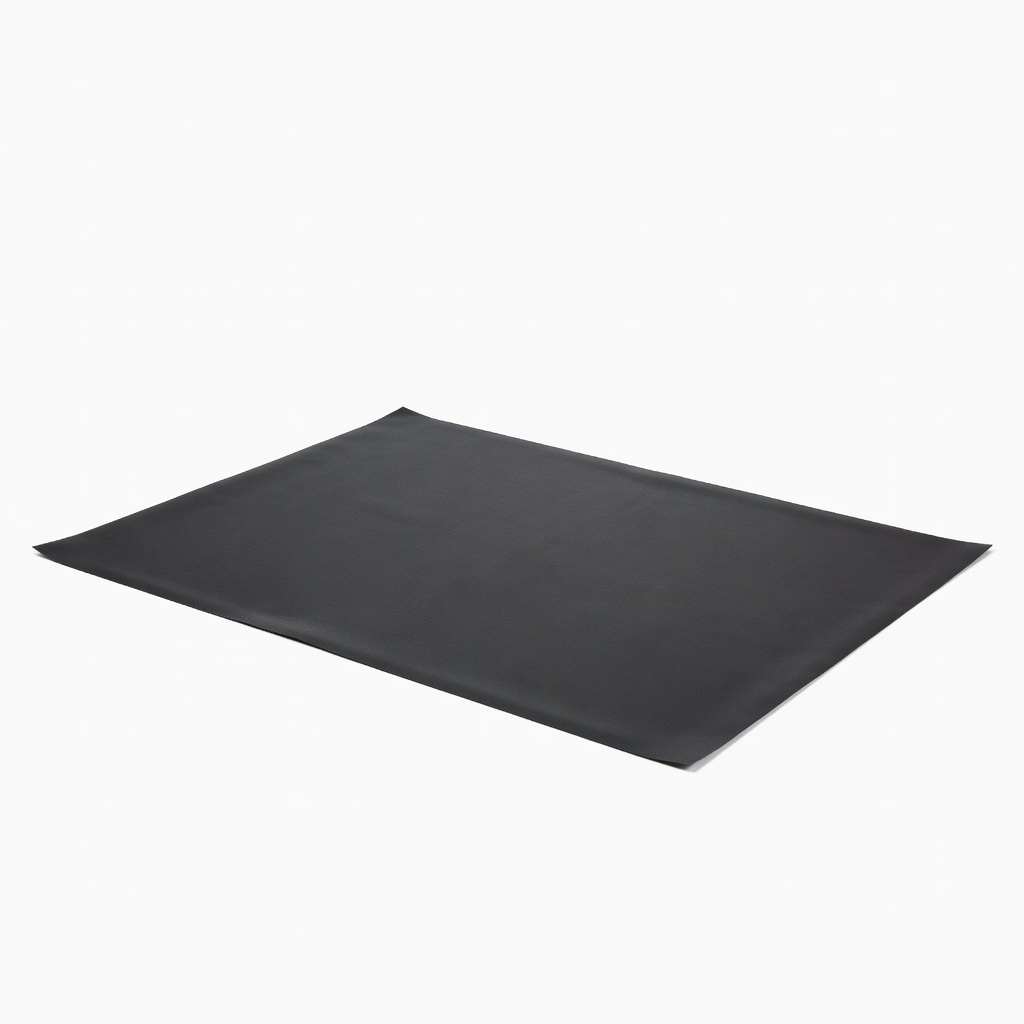
Cold climates or basements for heat-loving seeds like peppers.
iPower 10x20.75 Inch Seedling Heat Mat Waterproof with thermostat for precise soil warming, boosting germination speed reliably.
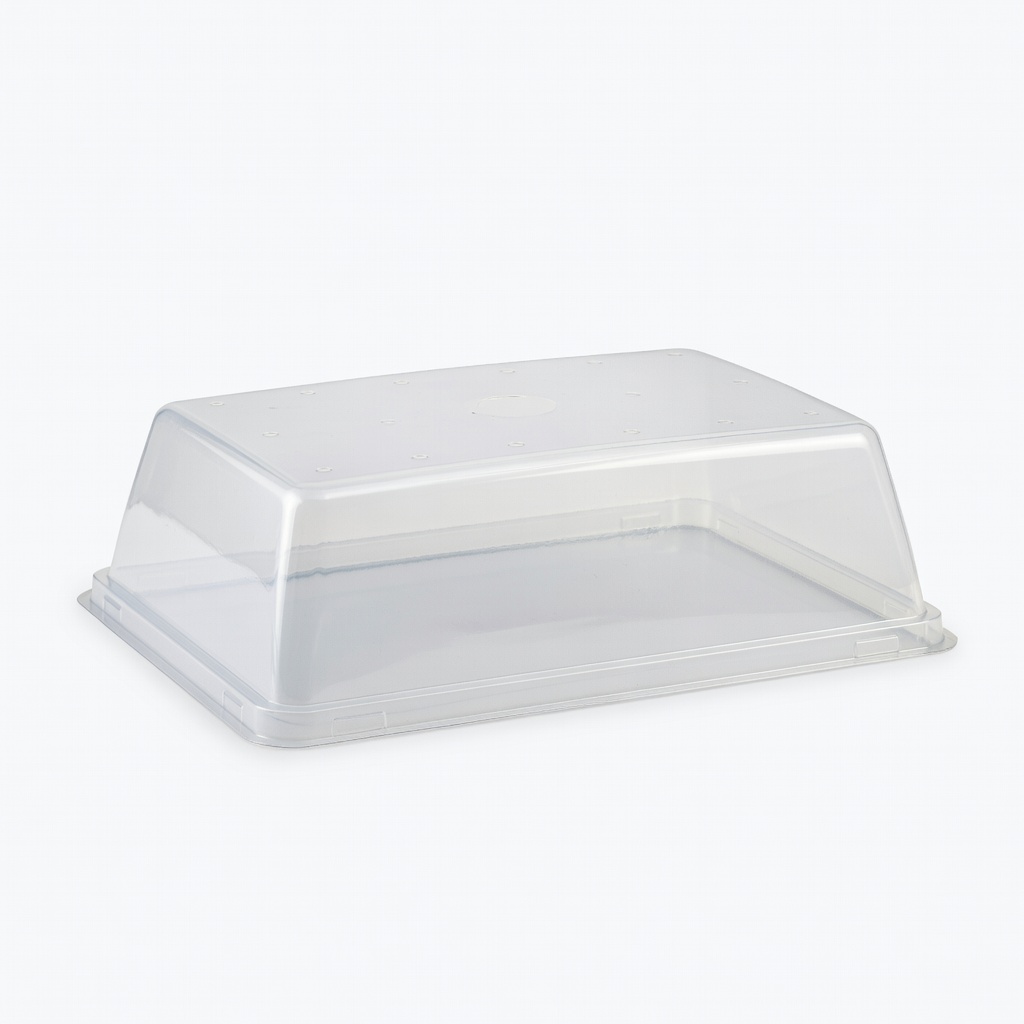
Pairing with trays for a complete mini-greenhouse effect.
Vivosun Propagation Dome for 1020 Trays Adjustable vents maintain ideal humidity without mold risks.
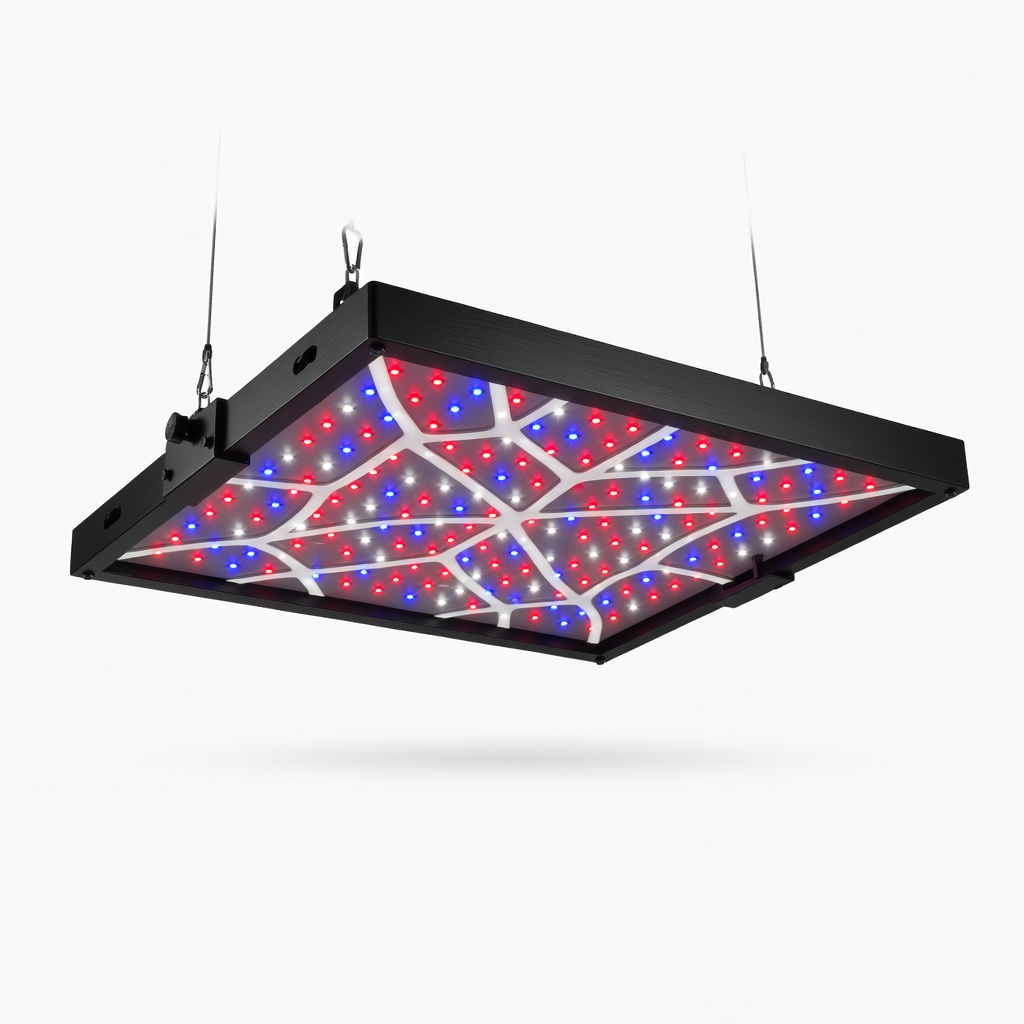
Indoor setups needing 2x2 ft coverage post-germination.
Spider Farmer SF-1000 LED Grow Light Full-spectrum, dimmable light for strong seedlings in low-light areas.
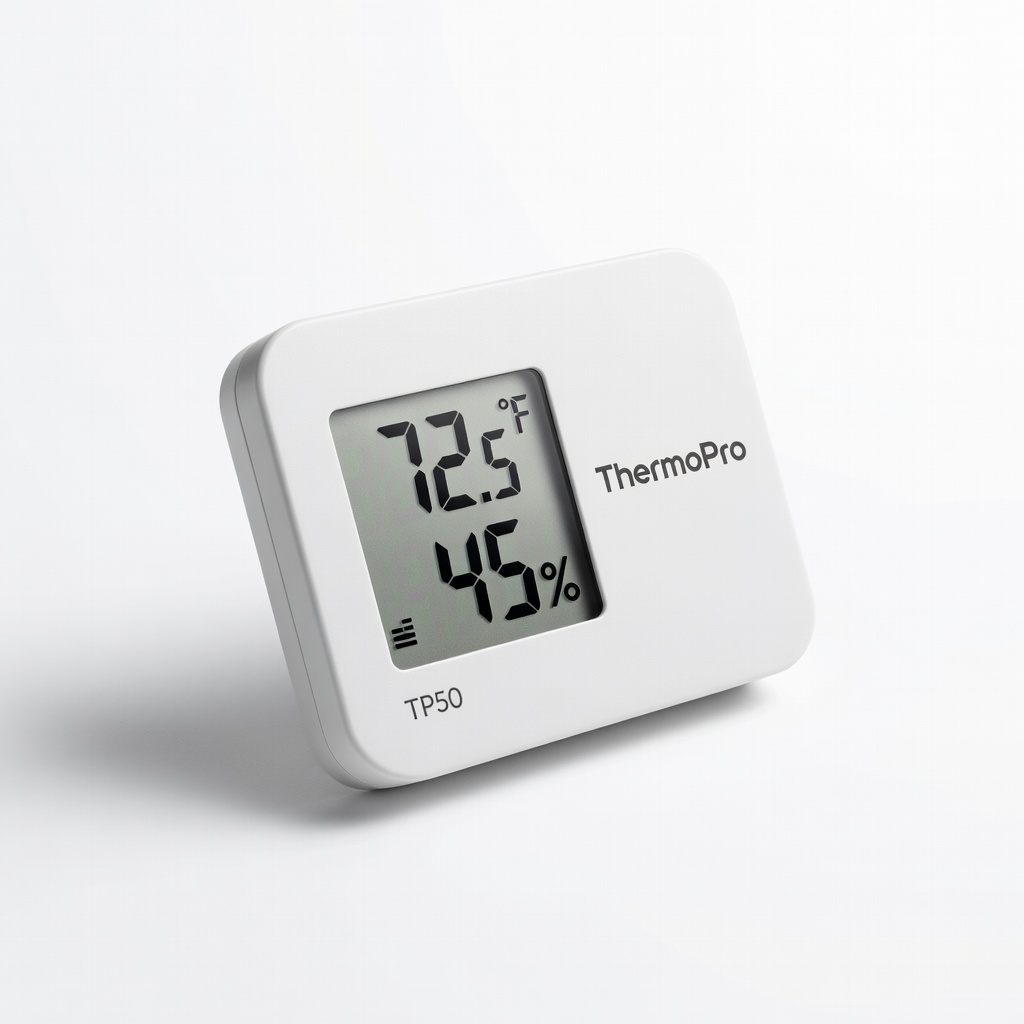
Any setup to track temp/humidity trends.
ThermoPro TP50 Digital Hygrometer Thermometer Accurate, wireless monitoring to dial in perfect conditions effortlessly.