
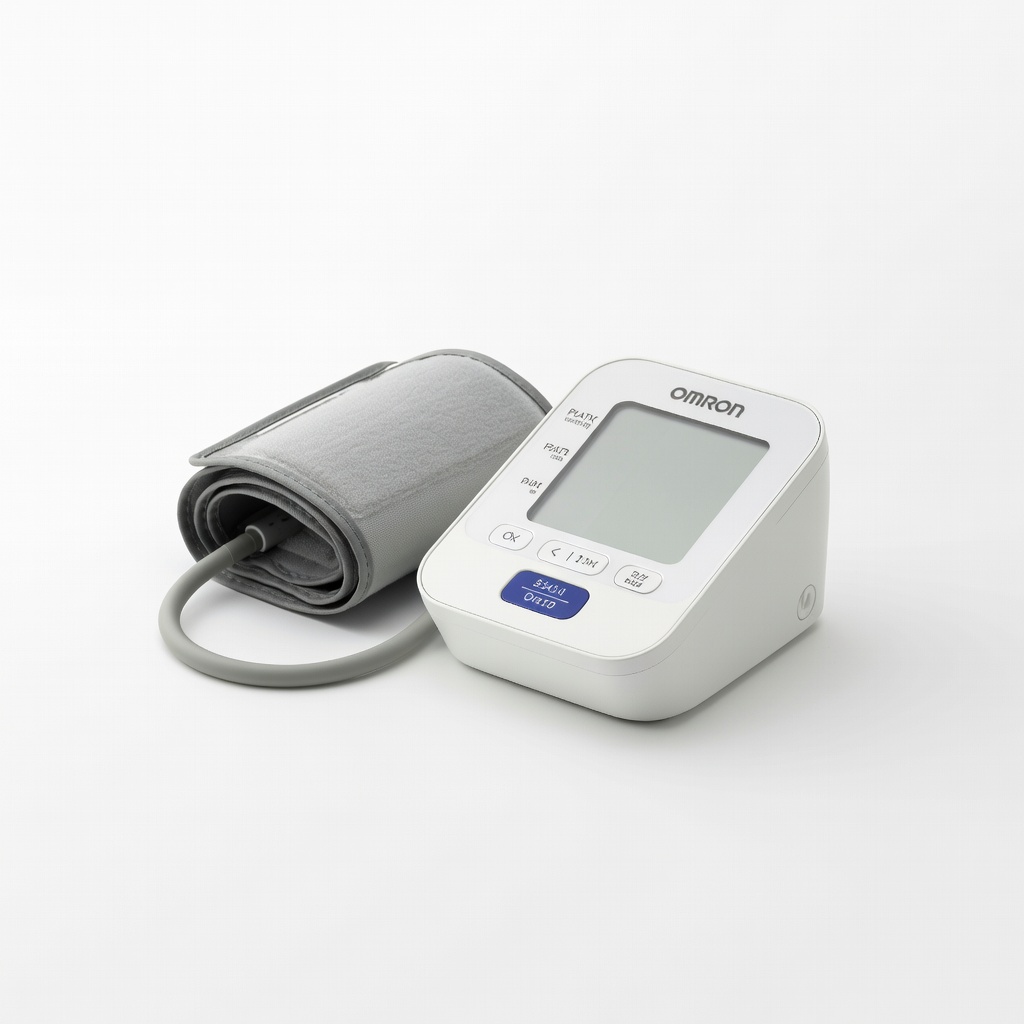
Omron Platinum Blood Pressure Monitor (BP5450)
Daily checks to log vitals and spot issues early.
$80-$100
Omron Platinum Blood Pressure Monitor (BP5450) Accurate home monitoring tracks health trends essential for the checklist's medical section.
Get the App
Better experience on mobile
Discover a simple checklist to organize your aging parents' care needs, reduce stress, and ensure their safety and well-being.
Watching your parents age can feel overwhelming, especially when unexpected health issues or daily challenges arise without a plan. Many adult children face crises like hospital stays or financial surprises because they haven't prepared. This guide explains what an aging parents care planning checklist is and how to use one to stay ahead.
You'll learn the key components of the checklist, why each matters, and step-by-step how to build and implement it. It's beginner-friendly, requiring no prior experience—just time to think and gather info. Expect to spend an afternoon starting, with ongoing reviews.
The checklist acts like a roadmap, covering health, legal, financial, and daily needs to coordinate care smoothly among family.
Estimated Time: 1-2 hours to create initially, 30 minutes quarterly for updates Difficulty: beginner
An aging parents care planning checklist is a organized list of tasks and information to prepare for their future needs. It prevents reactive decisions during emergencies by documenting health, legal, financial, and living details upfront.
Think of it like packing for a trip: you list essentials to avoid forgetting passports or medications. Start by listing why you're creating it—peace of mind, family coordination.
Expect to feel more in control after this step.
💡 Tips:
List doctors, medications, allergies, conditions, and recent checkups. Note mobility issues or cognitive changes.
This matters because health drives most care decisions. Schedule a doctor's visit if records are outdated.
You'll gather a snapshot showing if home modifications or home health aides are needed.
💡 Tips:
⚠️ Warnings:
Inventory wills, powers of attorney (financial/medical), advance directives, and beneficiaries. Note if any are missing.
Legal prep avoids court battles during incapacity. Consult an elder law attorney if gaps exist.
Expect to identify quick wins like notarizing forms.
💡 Tips:
List bank accounts, pensions, Social Security, debts, insurance policies (health, long-term care, life). Calculate monthly expenses.
This reveals funding for care, preventing surprises. Update beneficiaries if needed.
You'll spot needs like long-term care insurance.
⚠️ Warnings:
Evaluate if home is safe (stairs, bathroom access) or if assisted living/move is better. Note support networks.
Safety first—falls are common. Research local options.
Decide on aging-in-place aids vs. relocation.
💡 Tips:
Detail meals, housekeeping, transportation, companionship. Identify caregivers or services.
Prevents burnout by assigning roles. Budget for aides.
Create a schedule template.
List contacts (doctors, family, neighbors), medical alert systems, and hospital preferences. Create an info binder.
Emergencies demand speed—this saves lives.
Test alerts and share with locals.
💡 Tips:
Plan quarterly updates as needs change. Assign a family lead.
Life evolves—stale plans fail. Set calendar reminders.
Revisit after big events like health changes.
⚠️ Warnings:
Problem: Parents resist discussing care.
Solution: Frame it as protecting their independence; use a neutral third party like a doctor.
Problem: Family disagrees on plans.
Solution: Hold a mediated family meeting; vote or defer to parents' wishes.
Problem: Overwhelmed by documents.
Solution: Break into one category per day; seek free elder care navigators.
Problem: Finances look dire.
Solution: Contact local Area Agency on Aging for benefits advice; consider Medicaid planning.
Accurate home monitoring tracks health trends essential for the checklist's medical section.
Best for: Daily checks to log vitals and spot issues early.
Price Range: $80-$100
Simplifies medication tracking, a core checklist item, reducing errors.
Best for: Pre-fill weekly for parents; log adherence.
Price Range: $10-$15
Boosts independence for mobility-limited seniors, noted in living arrangements.
Best for: Picking up dropped items without bending.
Price Range: $10-$15
Enables video calls and reminders, supporting emergency contacts and daily care.
Best for: Family check-ins and medication alerts.
Price Range: $80-$90
Automates meds with alerts, perfect for checklist's health monitoring.
Best for: For forgetful parents; app notifies family.
Price Range: $60-$80
Daily checks to log vitals and spot issues early.
Omron Platinum Blood Pressure Monitor (BP5450) Accurate home monitoring tracks health trends essential for the checklist's medical section.

Pre-fill weekly for parents; log adherence.
Auvon Weekly Pill Organizer (7-Day) Simplifies medication tracking, a core checklist item, reducing errors.

Picking up dropped items without bending.
RMS Reach Assist Tool Grabber (31-inch) Boosts independence for mobility-limited seniors, noted in living arrangements.

Family check-ins and medication alerts.
Echo Show 5 (3rd Gen, 2023 release) Enables video calls and reminders, supporting emergency contacts and daily care.

For forgetful parents; app notifies family.
LiveFine Automatic Pill Dispenser Automates meds with alerts, perfect for checklist's health monitoring.