
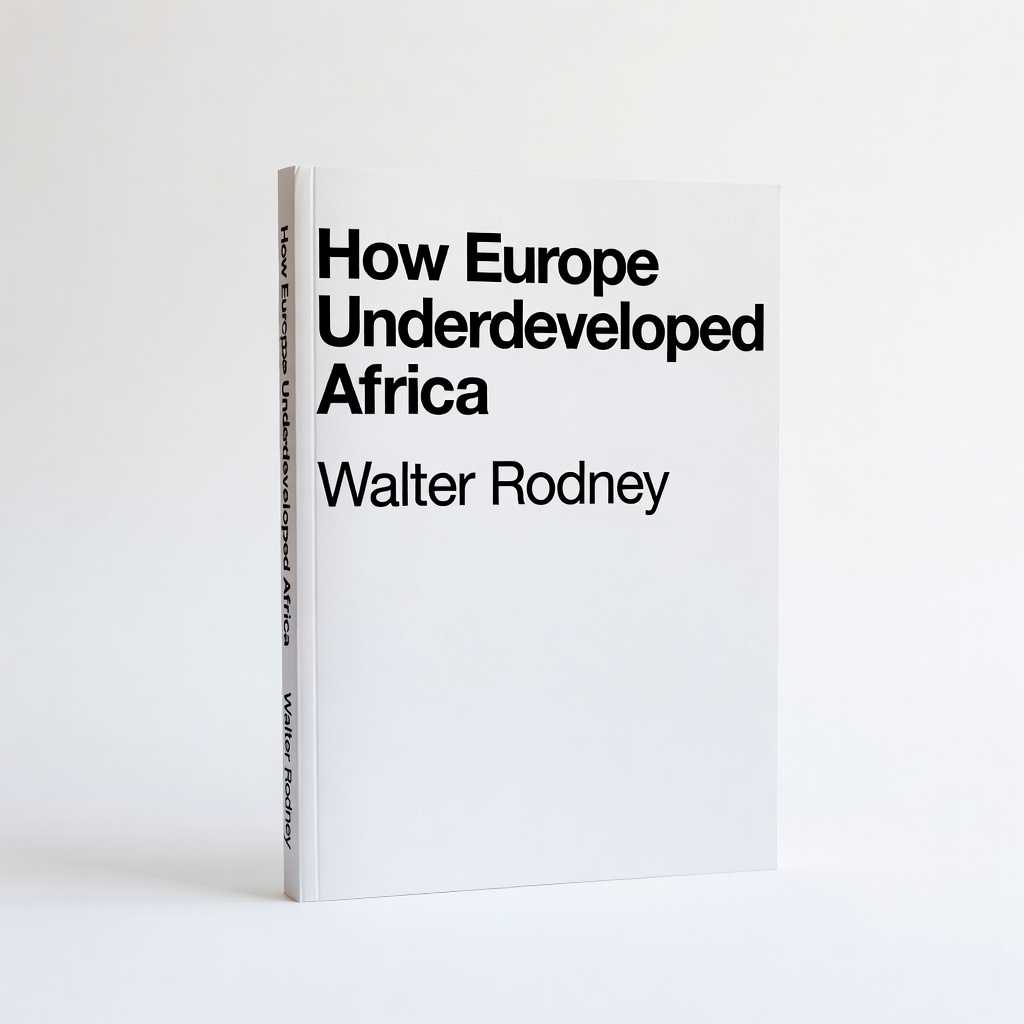
How Europe Underdeveloped Africa by Walter Rodney
Deep dive into exploitative trade phases.
$14.99-$20
How Europe Underdeveloped Africa by Walter Rodney Classic analysis linking slave/colonial trade to modern inequalities.
Get the App
Better experience on mobile
Uncover how Africa's ancient empires and trade routes revolutionized worldwide commerce, from gold caravans to modern supply chains.
Many people view Africa solely through the lens of colonialism or poverty, overlooking its pivotal role in shaping global trade for millennia. Yet, Africa's history is the backbone of international exchange—from gold that funded European Renaissance to spices and ivory that connected Asia, Europe, and the Americas. Understanding this transforms how you see today's economy.
In this guide, you'll learn the key eras of African trade, their innovations, and lasting legacies. We'll break it down step-by-step from ancient networks to contemporary influences, using examples and analogies for clarity. Expect an intermediate-level exploration: no prior expertise needed beyond basic world history.
This 20-30 minute read equips you to discuss Africa's trade influence confidently, debunk myths, and appreciate its ongoing role in globalization.
Estimated Time: 20-30 minutes Difficulty: intermediate
Africa's trade story begins with Ancient Egypt (c. 3000 BCE), which linked the Nile Valley to the Mediterranean and Red Sea. Egyptians exported gold, papyrus, and grain, importing cedar from Lebanon and incense from Punt (modern Somalia/Ethiopia). This created the first 'global' supply chains, funding pyramids and pharaohs.
Why it matters: Egypt's model of state-controlled trade influenced later empires, proving Africa's early innovation in logistics. Imagine it like today's Suez Canal—Egypt was the gateway.
Expect to see how this set precedents for tribute systems worldwide.
💡 Tips:
The Kingdom of Axum (100-940 CE) in modern Ethiopia/Eritrea controlled Red Sea trade, exporting ivory, gold, and slaves while importing silk and spices from India/China. Axum minted its own coins, a rarity, and converted to Christianity early, blending trade with diplomacy.
Analogy: Like Dubai today, Axum was a bustling entrepôt taxing goods. Its fall due to climate shifts shows trade's vulnerabilities.
This era highlights Africa's role in Afro-Asian networks, predating European involvement.
⚠️ Warnings:
From 700-1500 CE, West African empires like Ghana, Mali, and Songhai traded gold and salt across the Sahara via camel caravans. Timbuktu became a scholarly hub, attracting Arab merchants. Gold from Mali funded Europe's Renaissance—King Mansa Musa's pilgrimage crashed Cairo's economy with spending.
Why crucial: This 'silent trade' (silent to avoid price haggling) supplied 2/3 of Europe's gold, enabling banking and exploration.
Picture endless camel trains: 10,000 animals carrying riches northward.
💡 Tips:
East Africa's Swahili city-states (800-1500 CE) dominated Indian Ocean trade, exporting ivory, gold, and slaves to China, India, Persia. Kilwa and Zanzibar built mosques with Chinese porcelain imports. Dhow ships enabled monsoon winds navigation.
Impact: This network globalized before Columbus, influencing Arab, Indian, and Chinese economies.
Analogy: Swahili ports were like ancient Singapore—multicultural trade hubs.
1500-1800s: Europeans shifted to direct Atlantic trade, enslaving 12M+ Africans for American plantations. Triangular trade: European goods to Africa, slaves to Americas, sugar/cotton to Europe.
Legacy: Fueled Industrial Revolution; demographics shifted globally. Africa's loss stunted growth, creating inequalities.
This dark chapter shows trade's human cost, but African kingdoms initially profited.
⚠️ Warnings:
1800s Scramble for Africa: Europeans carved colonies for rubber, diamonds, palm oil. Belgium's Congo yielded 10x profits; South African gold/diamonds boomed.
Global effect: Raw materials industrialized Europe/Japan, birthing modern multinationals like Unilever.
Post-WWII decolonization continued dependency.
Independence (1960s+) saw oil (Nigeria, Angola), minerals (DRC cobalt for EVs), coffee/cacao exports. China's investments revive ancient routes via Belt and Road.
Today: Africa supplies 30% global minerals; AfCFTA boosts intra-trade.
Africa's history explains why it's pivotal in green energy transition.
💡 Tips:
Problem: Confusing trade eras or regions
Solution: Use a timeline chart; focus one region per study session.
Problem: Overwhelmed by dates/names
Solution: Prioritize commodities and routes over memorization.
Problem: Bias toward negative history
Solution: Balance with prosperity stories like Mali Empire.
Classic analysis linking slave/colonial trade to modern inequalities.
Best for: Deep dive into exploitative trade phases.
Price Range: $14.99-$20
Gripping on Congo rubber trade's horrors and global profits.
Best for: Understand colonial extraction's brutality.
Price Range: $12-$16
Visual maps of trade routes across eras—perfect for spatial learners.
Best for: Quick reference for routes and empires.
Price Range: $18-$25
Stunning artifacts from Saharan trade with expert essays.
Best for: Visual/tactile history of gold routes.
Price Range: $40-$50
Comprehensive from ancient to modern trade narratives.
Best for: Big-picture overview.
Price Range: $15-$20
Deep dive into exploitative trade phases.
How Europe Underdeveloped Africa by Walter Rodney Classic analysis linking slave/colonial trade to modern inequalities.
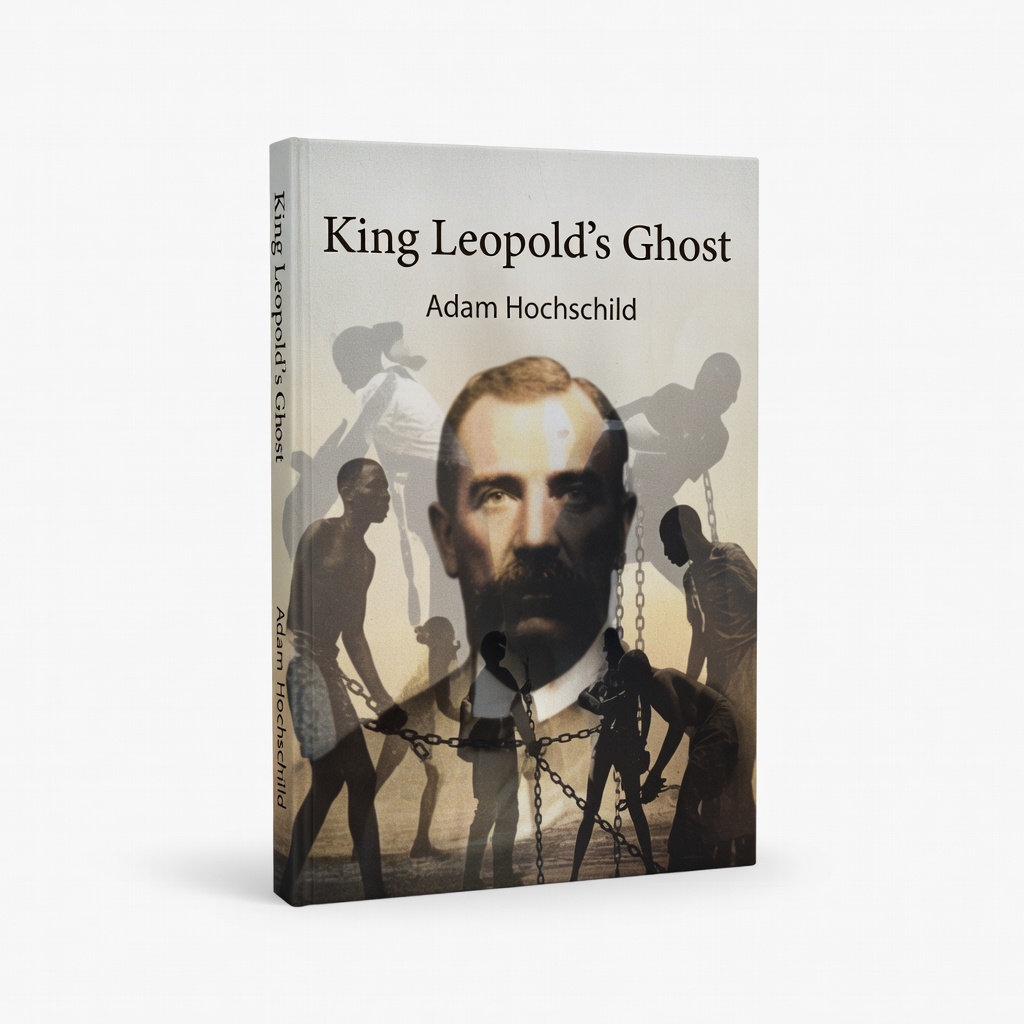
Understand colonial extraction's brutality.
King Leopold's Ghost by Adam Hochschild Gripping on Congo rubber trade's horrors and global profits.
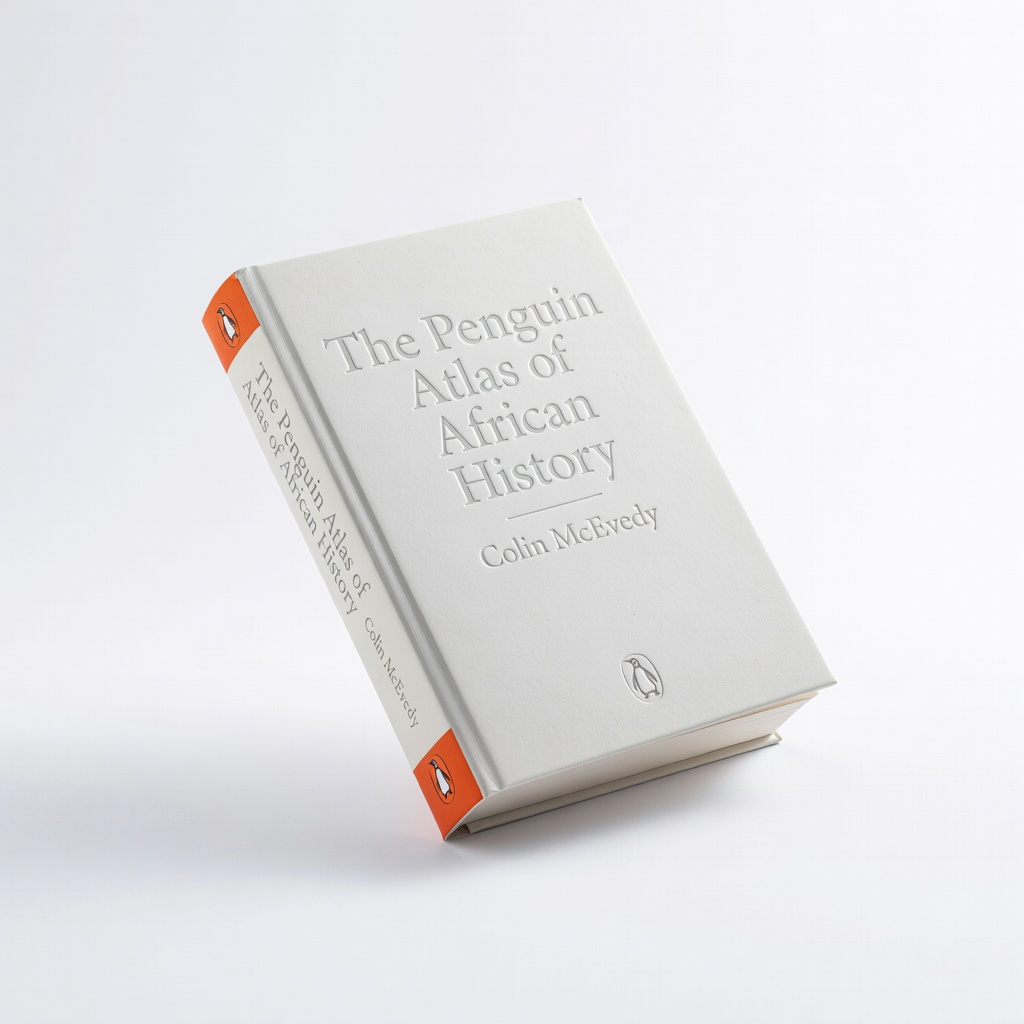
Quick reference for routes and empires.
The Penguin Atlas of African History by Colin McEvedy Visual maps of trade routes across eras—perfect for spatial learners.
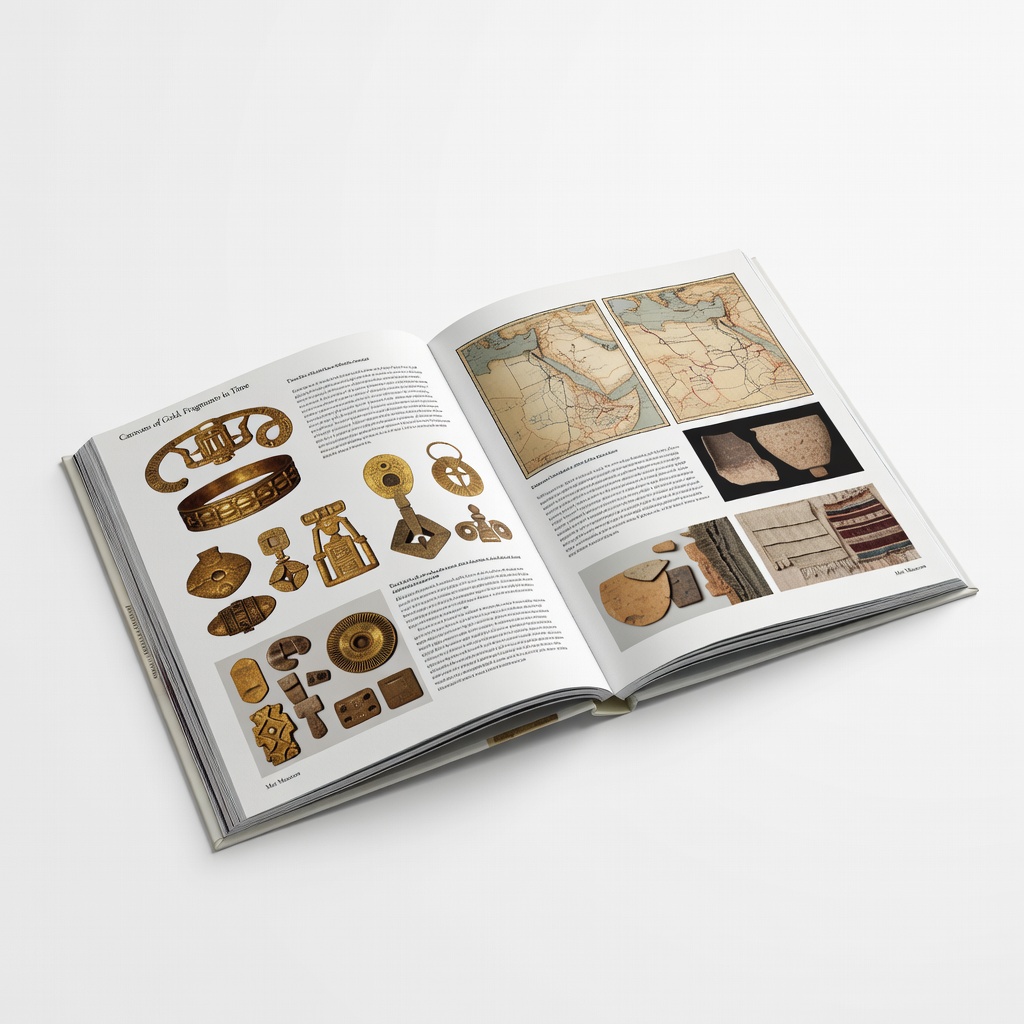
Visual/tactile history of gold routes.
Caravans of Gold, Fragments in Time (Met Museum catalog) Stunning artifacts from Saharan trade with expert essays.
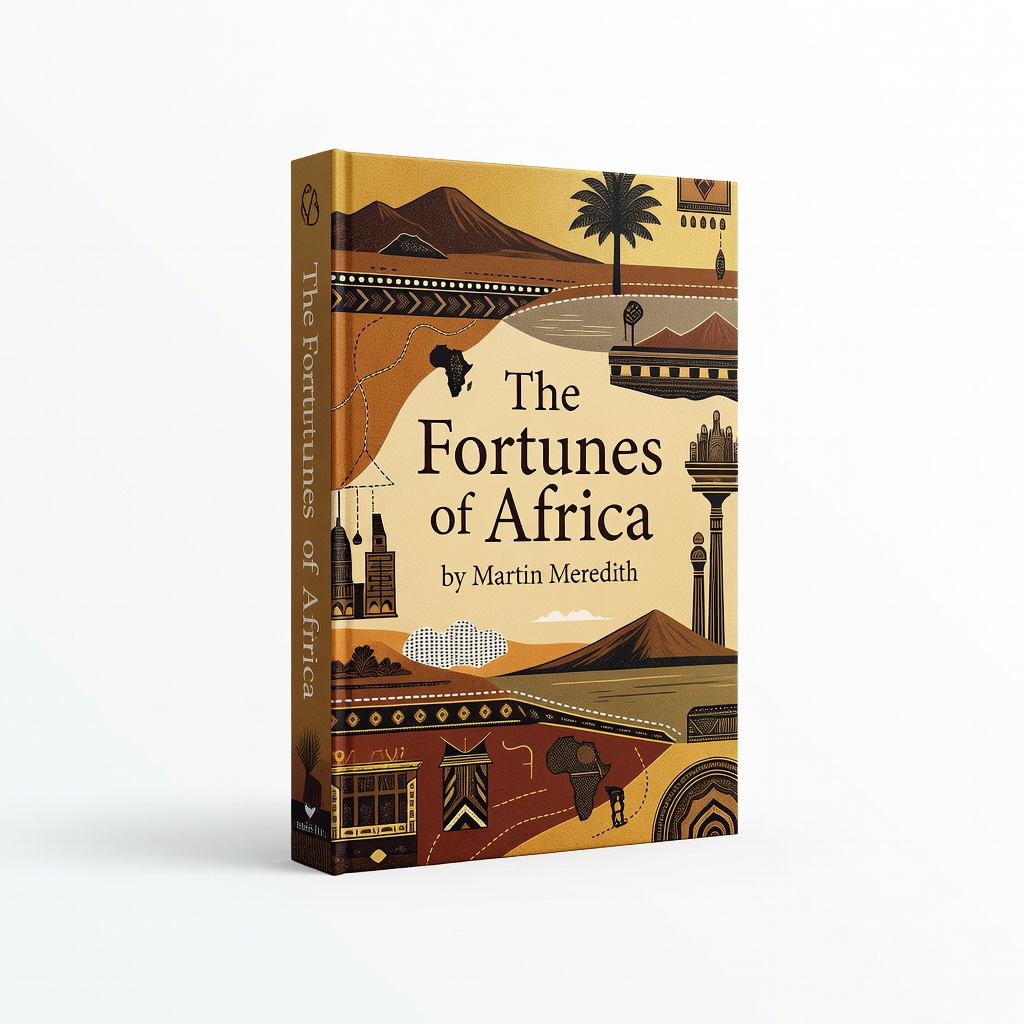
Big-picture overview.
The Fortunes of Africa by Martin Meredith Comprehensive from ancient to modern trade narratives.