
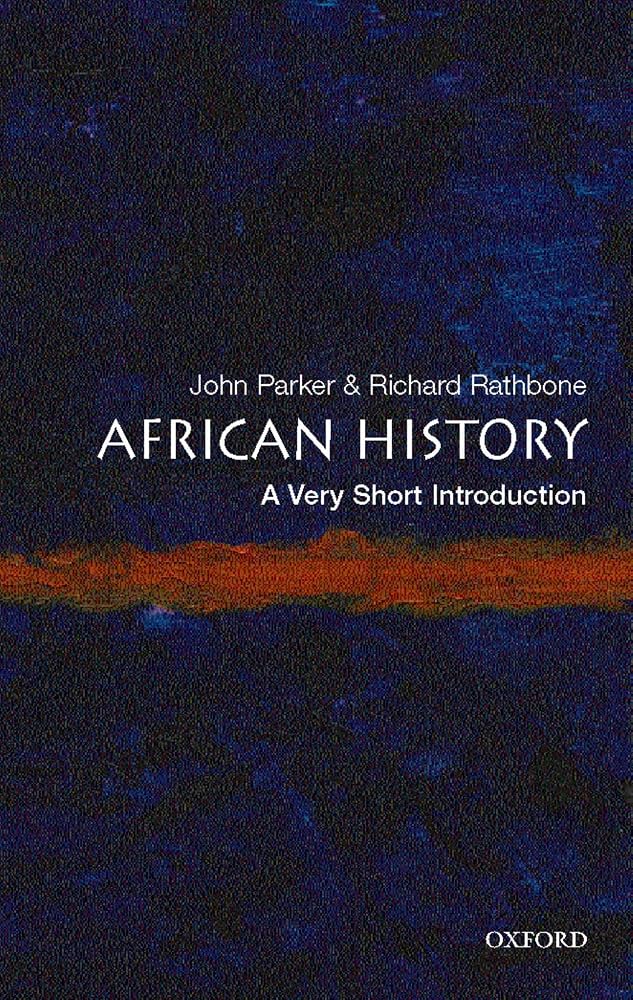
African History: A Very Short Introduction by John Parker
Quick read to grasp essentials before diving deeper.
$10.95
African History: A Very Short Introduction by John Parker Perfect beginner overview with clear timelines and maps.
Get the App
Better experience on mobile
Unlock the major milestones of Africa's rich past from human origins to modern independence in this beginner-friendly timeline guide.
Africa is the cradle of humanity, yet its history is often overshadowed by Eurocentric narratives. Whether you're a student, traveler, or curious learner, understanding African history helps explain today's world—from cultural diversity to global politics. This guide breaks down the continent's key events into a simple timeline.
You'll learn the most pivotal eras and events, from ancient kingdoms to independence struggles, with clear explanations and why they matter. No prior knowledge needed; it's designed for beginners.
Expect a straightforward journey through time (20-30 minutes), building from prehistory to the present, so you can grasp the big picture effortlessly.
Estimated Time: 20-30 minutes Difficulty: beginner
Africa is where modern humans (Homo sapiens) first evolved around 300,000 years ago in East Africa, with earlier ancestors like Australopithecus dating back 3-4 million years. Fossils from sites like Olduvai Gorge in Tanzania and the 'Lucy' skeleton in Ethiopia prove this.
Why it matters: This challenges the myth that history starts in Europe or Asia; Africa birthed humanity, influencing migration to every continent.
Expect to see how early tools and art (like Blombos Cave engravings ~75,000 years ago) show advanced cognition early on.
💡 Tips:
Ancient Egypt's unification around 3100 BC led to pyramids, pharaohs, and writing (hieroglyphs). Neighboring powers included Kush (modern Sudan, conquered Egypt briefly), Axum (Ethiopia, early Christian kingdom), Carthage (Tunisia, Hannibal's empire vs. Rome), and Nok culture (Nigeria, ironworking ~1000 BC).
Why it matters: These societies pioneered math, medicine, and trade, shaping Mediterranean and global history.
You'll appreciate Africa's role in classical antiquity, not just as a backdrop.
⚠️ Warnings:
West Africa's Ghana Empire (300-1100 AD) controlled gold-salt trade. Mali Empire (1230-1600, Mansa Musa’s pilgrimage made him richest man ever) built Timbuktu universities. Songhai followed, while East Africa's Swahili city-states traded with Asia, and Great Zimbabwe (11th-15th century) showcased stone architecture.
Why it matters: These Islamic-influenced hubs were centers of learning and wealth, rivaling Europe.
Expect awe at forgotten prosperity before stereotypes of 'dark continent'.
💡 Tips:
Portuguese arrived in 1480s; transatlantic slave trade peaked 1700s, shipping 12 million Africans to Americas. Arab trade predated in East. Internal wars fueled capture.
Why it matters: Devastated demographics, cultures, economies; legacy in diaspora and inequalities today.
Grasp the scale: more deaths en route than Holocaust.
⚠️ Warnings:
Berlin Conference (1884-85) carved Africa among Europeans without African input. Britain, France, Belgium, etc., controlled 90% by 1914. Brutal exploitation: Congo Free State under Leopold II killed millions.
Why it matters: Arbitrary borders cause modern conflicts; extracted resources built Europe.
See resistance like Maji Maji rebellion (Tanzania, 1905).
Ghana independent 1957 (Nkrumah first). 'Year of Africa' 1960: 17 nations free. Algeria 1962 after war. South Africa ended apartheid 1994 (Mandela elected).
Why it matters: Pan-Africanism (e.g., OAU 1963) birthed modern nations.
Celebrate leaders like Lumumba, Nyerere amid challenges.
💡 Tips:
Rwanda genocide 1994 (800k killed), but rebuilt. AU replaces OAU 2002. Economic growth (Nigeria, Ethiopia). Issues: conflicts (Sudan, Sahel), climate, COVID.
Why it matters: Africa’s youth boom (60% under 25) promises future power.
Optimism: tech hubs like Lagos, mobile money (M-Pesa Kenya).
Problem: Overwhelmed by dates and names?
Solution: Focus on 1-2 events per era; use apps like Timeline JS.
Problem: Conflicting sources on events?
Solution: Stick to academic books; cross-check BBC or JSTOR.
Problem: Hard to visualize vast continent?
Solution: Get a physical map; trace migrations.
Perfect beginner overview with clear timelines and maps.
Best for: Quick read to grasp essentials before diving deeper.
Price Range: $10.95
Visual maps make timelines easy to follow for beginners.
Best for: Reference for locating empires and trade routes.
Price Range: $18-22
Gripping narrative on colonial horrors, backed by research.
Best for: Deep dive into one key event (Congo) with broader lessons.
Price Range: $14.99
Engaging documentary series with stunning footage.
Best for: Visual learner's intro to pre-colonial Africa.
Price Range: $24.99
Durable, detailed map for pinning up timelines.
Best for: Study aid for geography-history connection.
Price Range: $19.95
Quick read to grasp essentials before diving deeper.
African History: A Very Short Introduction by John Parker Perfect beginner overview with clear timelines and maps.
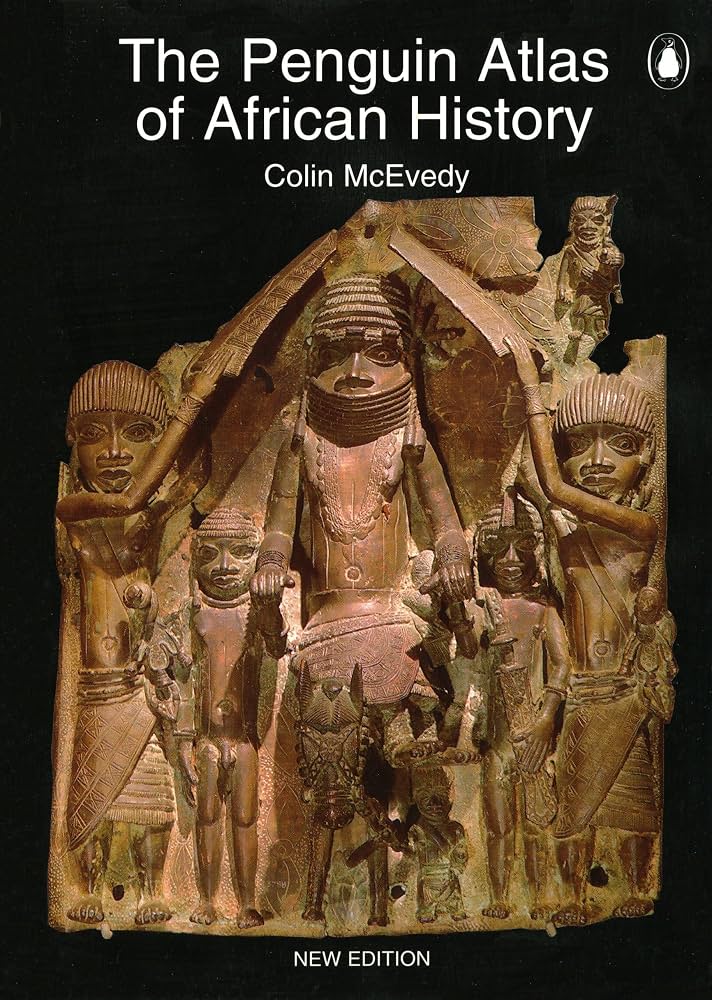
Reference for locating empires and trade routes.
The Penguin Atlas of African History by Colin McEvedy Visual maps make timelines easy to follow for beginners.
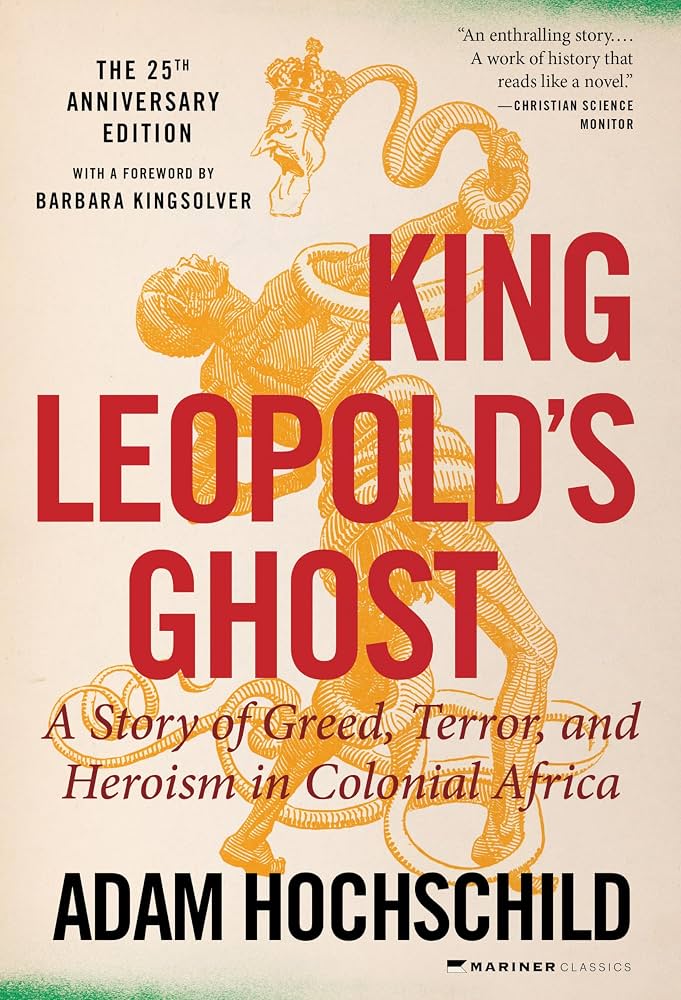
Deep dive into one key event (Congo) with broader lessons.
King Leopold's Ghost by Adam Hochschild Gripping narrative on colonial horrors, backed by research.
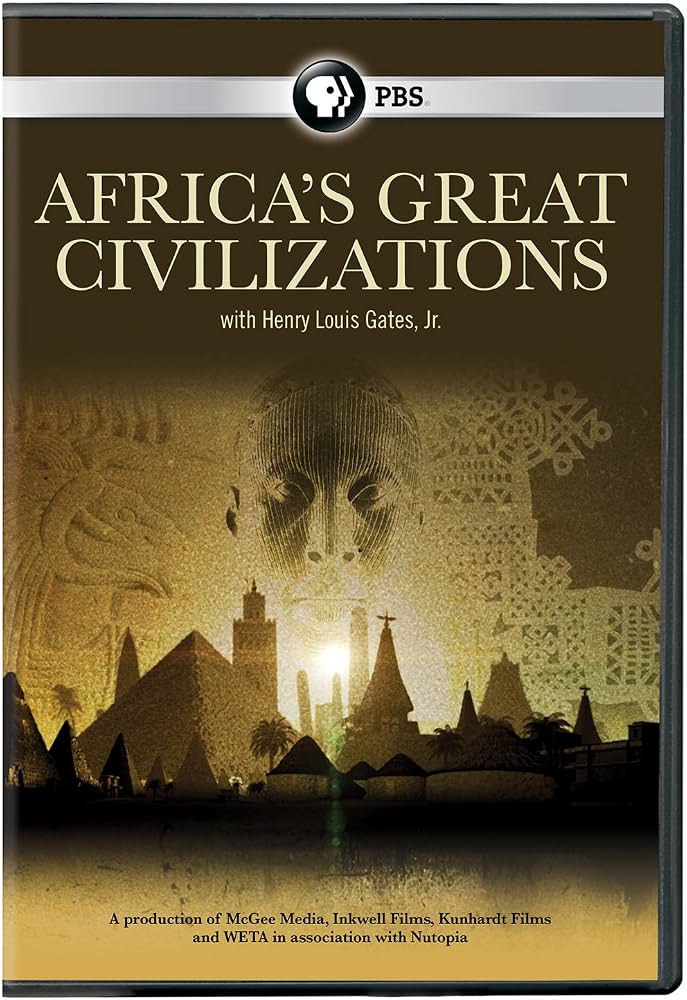
Visual learner's intro to pre-colonial Africa.
Africa's Great Civilizations DVD by Henry Louis Gates Jr. Engaging documentary series with stunning footage.
Study aid for geography-history connection.
Maps International Laminated Africa History Wall Map Durable, detailed map for pinning up timelines.