Ever wondered why your business faces endless permits, inspections, and fines from 'the government'?
That's administrative law at work— the invisible force shaping how agencies like the EPA, FDA, OSHA, and SEC regulate everyday business operations. Non-compliance can cost millions (think Volkswagen's $30B Dieselgate scandal). This guide breaks it down for intermediate learners, helping you understand the concept, key processes, and real business impacts.
You'll learn what administrative law is, how agencies create and enforce rules, and practical ways it affects your bottom line. No legalese overload—just clear explanations, examples, and tips. Expect 20-25 minutes to read and absorb, building on basic civics knowledge.
▸What You'll Need
- •Basic understanding of U.S. government structure (e.g., executive branch)
- •Familiarity with your industry's regulations (optional but helpful)
- •Notebook for jotting key takeaways
- •Access to government websites like regulations.gov (free)
Estimated Time: 20-25 minutes
Difficulty: intermediate
▸Step-by-Step Instructions
Step 1: Define Administrative Law
Administrative law is the body of law governing the activities of administrative agencies of government. Unlike statutes passed by Congress or cases decided by courts, it focuses on executive branch agencies creating rules, enforcing them, and resolving disputes.
Think of it as the 'rules of the rule-makers.' Agencies fill in gaps left by vague laws from Congress. For example, Congress says 'protect clean air,' and the EPA writes 1,000-page regulations on emissions. Why it matters: Businesses interact with this daily through permits and compliance.
Analogy: Congress is the chef writing the recipe (broad law); agencies are cooks adjusting ingredients (detailed rules); courts taste-test for fairness.
💡 Tips:
- •Bookmark Cornell's Legal Information Institute for free definitions.
Step 2: Understand Key Administrative Agencies
Over 100 federal agencies exist, plus thousands at state/local levels. Key ones for businesses:
- •EPA: Environmental rules (e.g., waste disposal).
- •FDA: Food/drug safety.
- •OSHA: Workplace safety.
- •SEC/FTC: Financial/marketing regs.
Why it matters for businesses: These agencies issue licenses, conduct audits, and impose penalties. A small manufacturer might deal with OSHA inspections weekly.
Example: FDA recalls a product if labeling violates admin rules, halting sales overnight.
⚠️ Warnings:
- •Don't assume 'small business' exemption—many rules apply universally.
Step 3: Explore the Rulemaking Process
Agencies follow the Administrative Procedure Act (APA) for 'notice-and-comment' rulemaking:
- •Propose rule.
- •Publish in Federal Register.
- •Public comments (60-90 days).
- •Final rule with responses.
Business angle: Comment periods let you influence rules—e.g., tech firms shaped GDPR-like data rules.
This ensures transparency but can take 2-5 years, frustrating fast-moving industries.
💡 Tips:
- •Use regulations.gov to submit comments—it's free advocacy.
Step 4: Learn About Adjudication and Enforcement
Agencies act as prosecutors, judges, and juries in adjudications (hearings). Violations lead to fines, shutdowns, or license revocations.
Example: OSHA fines a factory $150K for safety lapses. Businesses appeal internally, then to courts.
Why critical: 90% of disputes settle pre-court, saving time/money if you know the process.
Step 5: Grasp Judicial Review
Courts defer to agencies under Chevron deference (now limited post-2024 Loper Bright ruling), but review for 'arbitrary/capricious' actions.
Business impact: Challenge bad rules in court—e.g., small biz groups sued EPA over emissions costs.
Shift in 2024: Supreme Court ended Chevron, empowering courts and businesses to fight regs more easily.
💡 Tips:
- •Track SCOTUS decisions via SCOTUSblog.
Step 6: See Direct Effects on Businesses
Costs: Compliance eats 4-10% of revenue (e.g., HIPAA for healthcare).
Risks: Fines ($14K/day OSHA), lawsuits, reputational damage.
Benefits: Level playing field, innovation incentives (e.g., FDA fast-tracks).
Real-world: Uber faced DOT regs on driver classification, costing billions in reclassification.
⚠️ Warnings:
- •Hidden costs like paperwork can bankrupt startups.
Step 7: Strategies for Business Compliance
Appoint a compliance officer, audit annually, train staff, join trade associations.
Pro move: Use AI tools for reg tracking. Long-term: Lobby via comments.
Success story: Compliant firms win bids—gov contracts require clean records.
💡 Tips:
- •Integrate compliance into ERP software.
▸Pro Tips
- •Subscribe to Federal Register alerts for your industry.
- •Join industry groups like the Chamber of Commerce for free compliance webinars.
- •Use checklists from SBA.gov to self-audit.
- •Document everything—'paper trail' wins 80% of appeals.
- •Hire fractional general counsel for $200/hr vs. full-time.
- •Leverage state AG small biz hotlines for free advice.
- •Track changes post-Loper Bright for challenge opportunities.
▸Common Mistakes to Avoid
- •Ignoring state/local agencies—federal is just 20% of regs.
- •Assuming lawyers handle all—owners must lead compliance culture.
- •Missing comment periods—voice lost forever.
- •Treating regs as optional—fines compound daily.
- •Over-relying on insurance—policies exclude willful violations.
▸Troubleshooting
Problem: Received an agency notice of violation
Solution: Respond within 30 days: request hearing, gather evidence, consult attorney. Don't ignore—waives rights.
Problem: Unsure if a rule applies to your biz
Solution: Call agency helpline or use FOIA for guidance. Check NAICS code on regulations.gov.
Problem: Overwhelmed by new regs
Solution: Prioritize by fine size/risk. Use tools like RegDesk for tracking. Seek pro if fines >$50K.
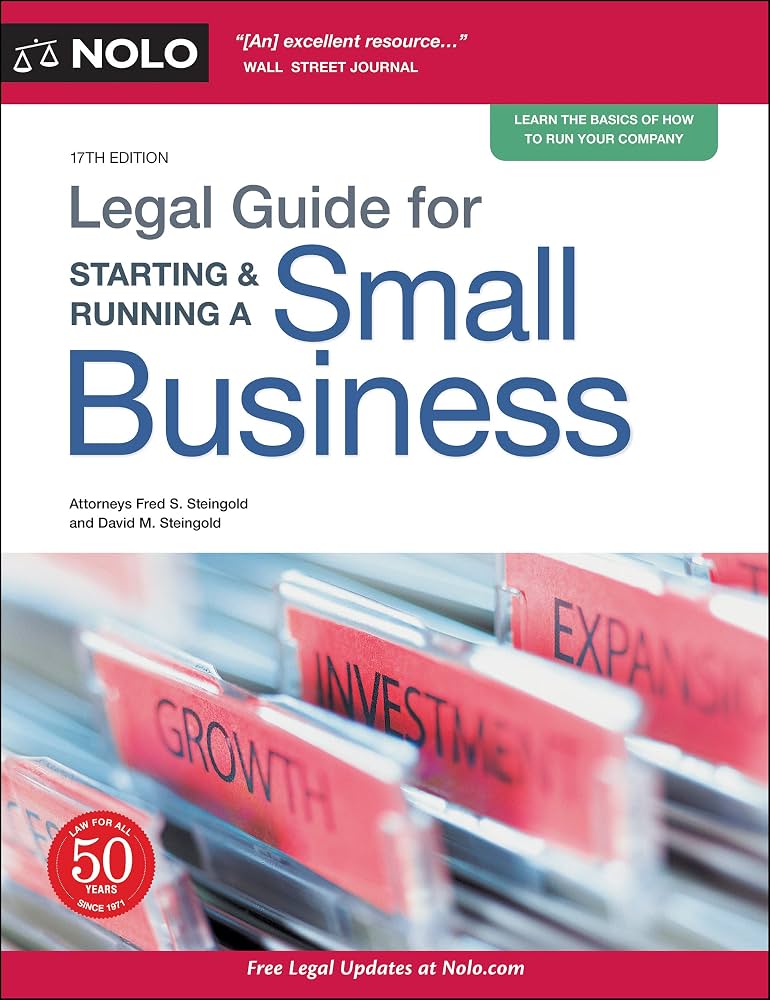
Legal Guide for Starting & Running a Small Business by Fred S. Steingold (Nolo)
Covers admin law basics, permits, and compliance tailored for SMBs with forms/templates.
Best for: New/existing owners needing practical regulatory navigation.
Price Range: $39.99
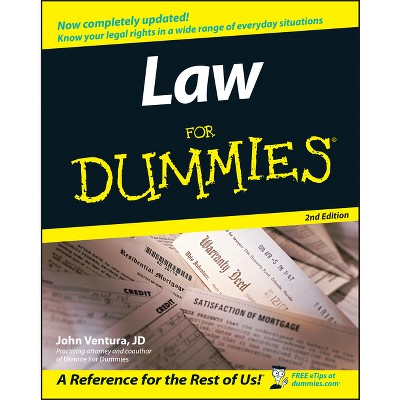
Business Law For Dummies (2nd Edition)
Simplifies admin law, agencies, and business regs with examples/analogies for intermediates.
Best for: Quick reference for managers assessing compliance risks.
Price Range: $18.00
Administrative Law: A Very Short Introduction by Paul Craig
Concise Oxford intro to concepts/processes, ideal for non-lawyers grasping agency power.
Best for: Deep dive into theory before applying to business.
Price Range: $11.95
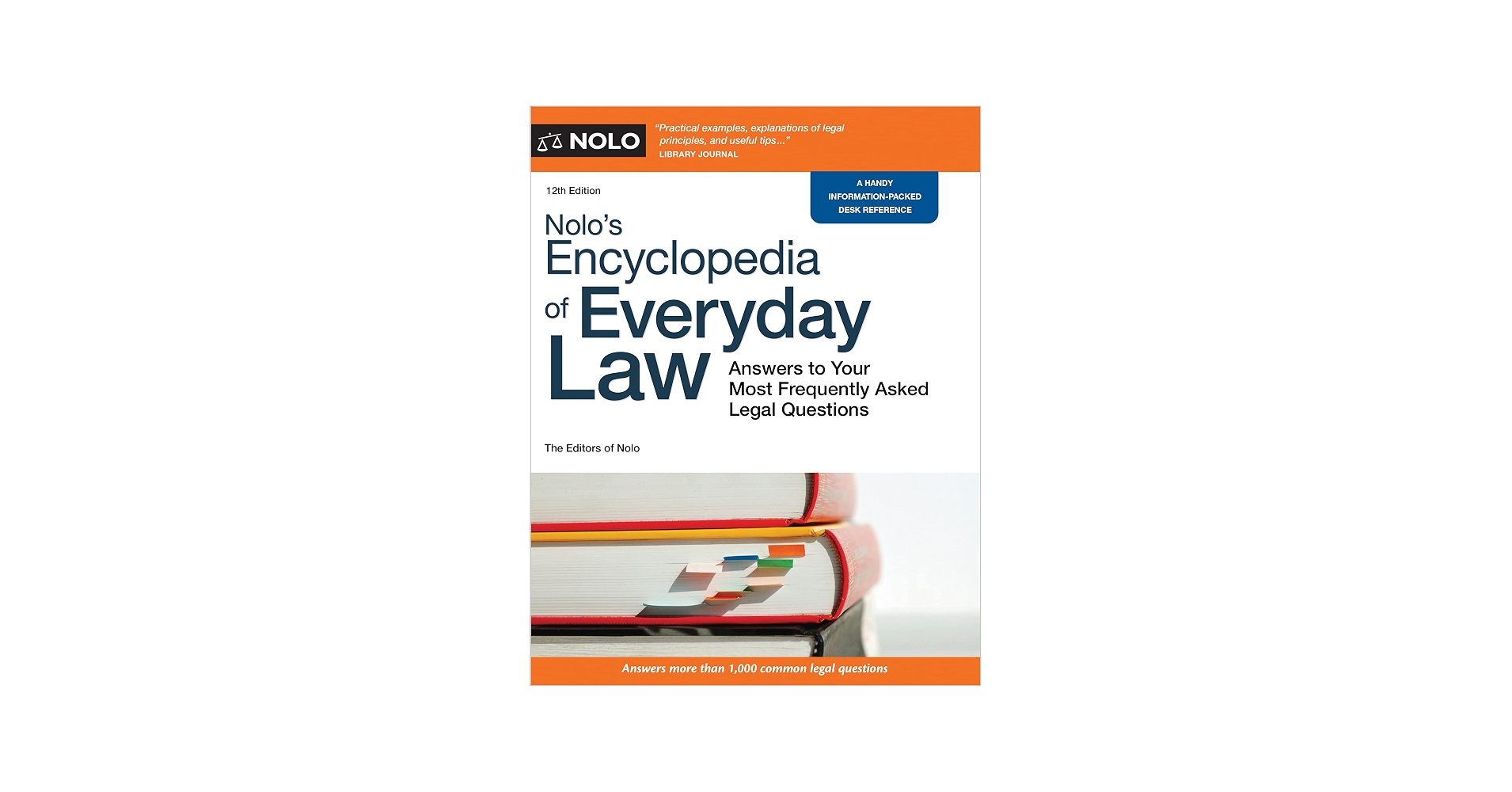
Nolo's Encyclopedia of Everyday Law
Alphabetized answers on regs affecting biz like OSHA/EPA, with updates.
Best for: Daily lookup for common admin issues.
Price Range: $29.99
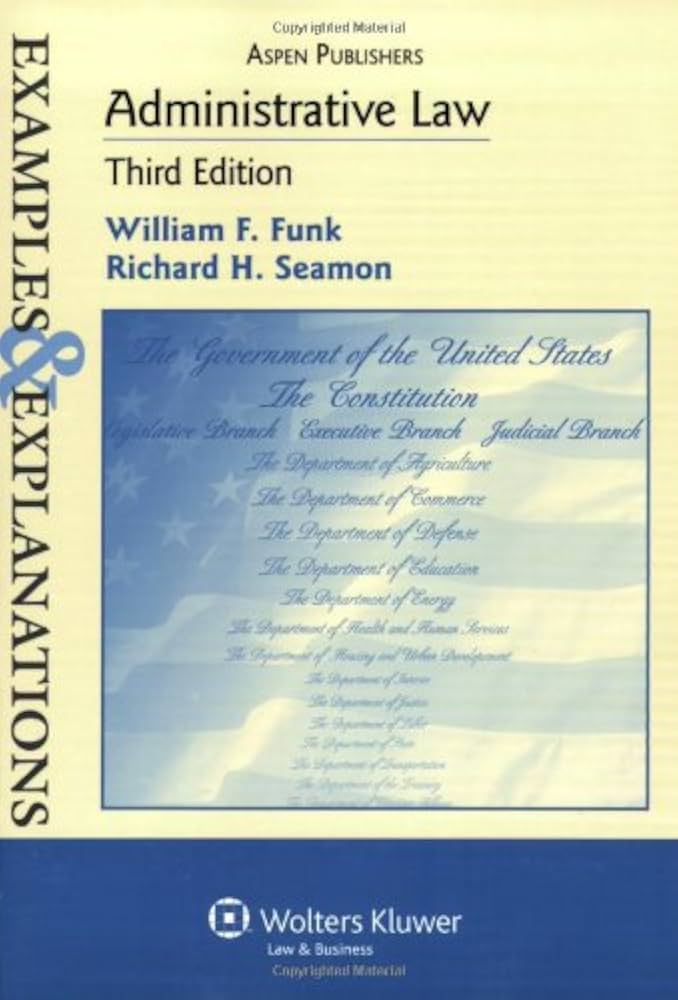
Examples & Explanations: Administrative Law
Case studies/examples clarify complex rules for intermediate learners.
Best for: Prepping for agency interactions or challenges.
Price Range: $60.00