

Garmin Forerunner 265
Runners/cyclists needing precise distance and training zones.
$449.99
Garmin Forerunner 265 Top-tier GPS (99% accurate) and Elevate v4 HR sensor; excels in multisport with real-world validation from DC Rainmaker.
Get the App
Better experience on mobile
Learn how fitness watches measure your steps, heart rate, and more accurately to get reliable data for better workouts and health insights.
Ever laced up for a run only to find your fitness watch logging wildly inaccurate steps or heart rate? You're not alone—millions of users face frustration from unreliable tracking, leading to misguided training or health decisions. Understanding activity tracking accuracy is key to choosing and using a device that truly supports your fitness goals.
In this guide, you'll break down what accuracy means, the sensors and metrics involved, factors that impact it, and tips to maximize reliability. Whether you're an intermediate user comparing devices or troubleshooting your current watch, you'll gain the knowledge to interpret data confidently. Expect a straightforward explainer—no deep tech dives, just actionable insights in 15-20 minutes.
Estimated Time: 15-20 minutes Difficulty: intermediate
Activity tracking accuracy refers to how closely a fitness watch's measurements match real-world activity. It's not about perfection but reliable data within acceptable error margins (e.g., ±5% for steps). Think of it like a car's speedometer—precise enough for safe driving, not lab-grade.
Key areas include steps, heart rate (HR), calories, sleep, and GPS distance. High accuracy means your 10,000-step goal feels trustworthy, helping you track progress without doubt.
💡 Tips:
Steps and Distance: Counted via accelerometer; accuracy ~95% indoors, drops with GPS outdoors.
Heart Rate: Optical sensors measure blood flow; resting HR accurate to ±2 bpm, peaks during HIIT less so (±5-10 bpm).
Calories and Sleep: Estimated from HR/steps; often ±20% off due to individual metabolism variance.
GPS: For runs/cycles; multi-band GPS hits ±1% error vs. basic single-band's ±3-5%. Why it matters: Inaccurate metrics skew training zones or recovery insights.
Fitness watches use accelerometers/gyroscopes for motion (steps), optical HR sensors (green LEDs for blood volume), altimeters for elevation, and GPS chips (with barometers for pace).
Advanced models add multi-LED HR for skin tone adaptability or ECG for AFib detection. Analogy: Sensors are like a band's instruments—quality tuning (calibration) ensures harmony. Expect consumer-grade vs. medical accuracy.
💡 Tips:
⚠️ Warnings:
Manufacturers lab-test against treadmills or chest straps (e.g., Garmin's 98% HR match). Independent sites like DC Rainmaker run field tests (e.g., 5K runs vs. footpod).
Metrics: Mean Absolute Percentage Error (MAPE). Gold standard: Chest strap HR (99% accurate). Why care? Marketing claims ("95% accurate") often cherry-pick lab data.
Fit and Placement: Loose wristband = 10-20% HR error.
Skin/Environment: Tattoos, cold weather, sweat disrupt optical HR; GPS fails in cities.
Activity Type: Walking > running > weights (HR lags in bursts).
User Factors: Arm swing, stride length vary. Pro tip: Devices learn your baseline over weeks.
⚠️ Warnings:
Lab: Ideal conditions yield 95%+ accuracy. Real-world: Drops to 85-90% due to sweat/vibration. Example: Apple Watch excels daily (steps/HR), Garmin dominates multisport GPS.
User studies (e.g., Stanford) show consumer watches 90% as good as pro gear for most.
💡 Tips:
Wear snugly 1-2 finger widths above wrist bone.
Update firmware/apps.
GPS calibrate: Outdoor walks with phone.
HR baseline: Rest 10 mins pre-measure. Result: 5-10% improvement.
Garmin/Polar: Best GPS/HR (95%+). Apple/Fitbit: Great daily (90%). Budget: Amazfit (~85%). Check reviews on Wareable. Prioritize your sport—runners need GPS.
💡 Tips:
Problem: Inaccurate step count (e.g., +20%)
Solution: Reset stride length in app; walk 1km measured path to calibrate. Check for auto-pause.
Problem: HR spikes erratically during exercise
Solution: Clean sensor, moisturize dry skin, tighten band. Switch to HR broadcast to phone app.
Problem: GPS poor in cities/forests
Solution: Enable multi-band GPS (if available); use GLONASS/Galileo modes. Carry phone as backup.
Problem: Sleep tracking off by hours
Solution: Wear all night snugly; avoid caffeine/alcohol pre-bed. Compare to journal.
Top-tier GPS (99% accurate) and Elevate v4 HR sensor; excels in multisport with real-world validation from DC Rainmaker.
Best for: Runners/cyclists needing precise distance and training zones.
Price Range: $449.99
Improved PurePulse 2.0 HR (95% resting accuracy) and Google integration; great value for daily tracking.
Best for: Gym-goers/walkers focused on steps, HR, and sleep.
Price Range: $159.95
FuelWise and Precision Prime HR (98% lab match); strong for running accuracy per user tests.
Best for: Trail runners wanting elevation and pace reliability.
Price Range: $299.95
Dual-band GPS (0.5% marathon error) and EvoHeart sensor; battery king for long activities.
Best for: Ultramarathoners prioritizing endurance tracking.
Price Range: $229.00
Advanced optical HR and dual-frequency GPS (top daily accuracy per MKBHD reviews).
Best for: iPhone users for seamless ecosystem integration.
Price Range: $399-$429
Runners/cyclists needing precise distance and training zones.
Garmin Forerunner 265 Top-tier GPS (99% accurate) and Elevate v4 HR sensor; excels in multisport with real-world validation from DC Rainmaker.
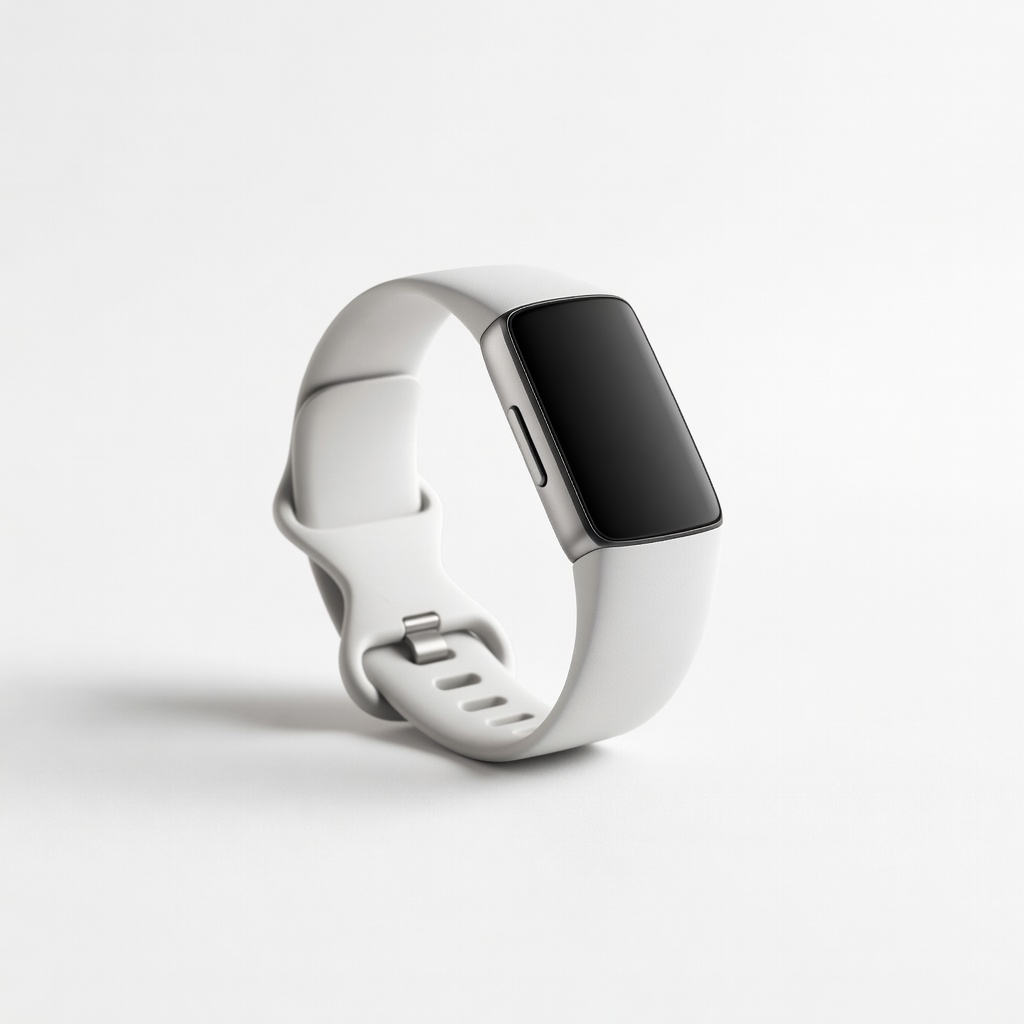
Gym-goers/walkers focused on steps, HR, and sleep.
Fitbit Charge 6 Improved PurePulse 2.0 HR (95% resting accuracy) and Google integration; great value for daily tracking.
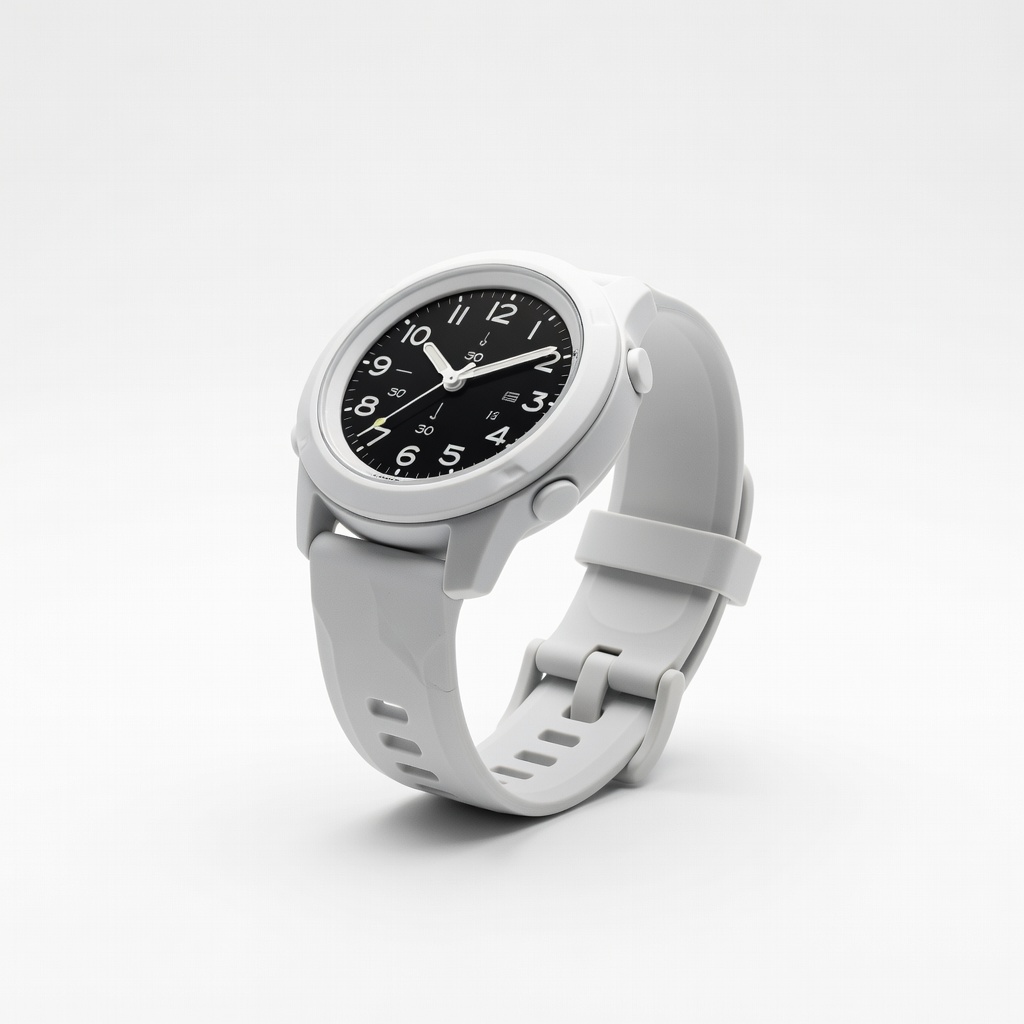
Trail runners wanting elevation and pace reliability.
Polar Pacer Pro FuelWise and Precision Prime HR (98% lab match); strong for running accuracy per user tests.
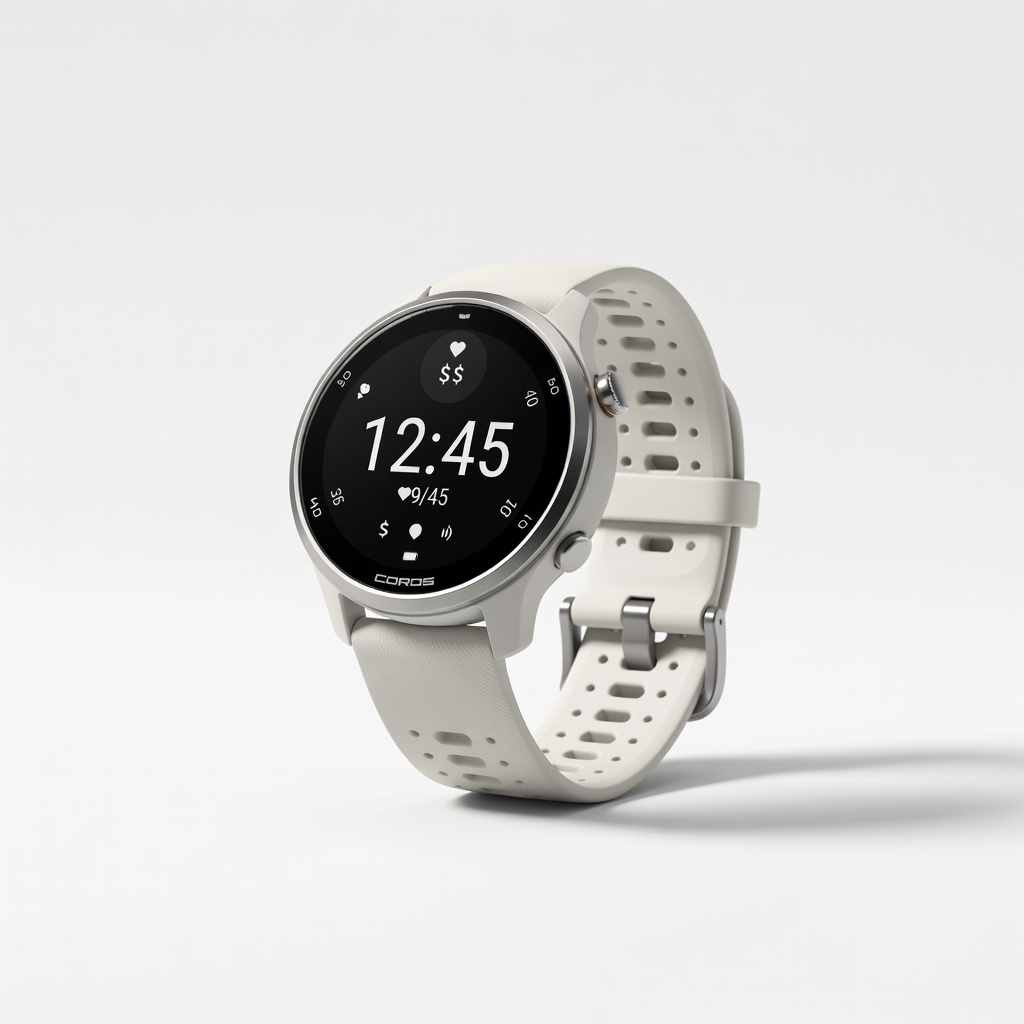
Ultramarathoners prioritizing endurance tracking.
Coros Pace 3 Dual-band GPS (0.5% marathon error) and EvoHeart sensor; battery king for long activities.
iPhone users for seamless ecosystem integration.
Apple Watch Series 10 Advanced optical HR and dual-frequency GPS (top daily accuracy per MKBHD reviews).