
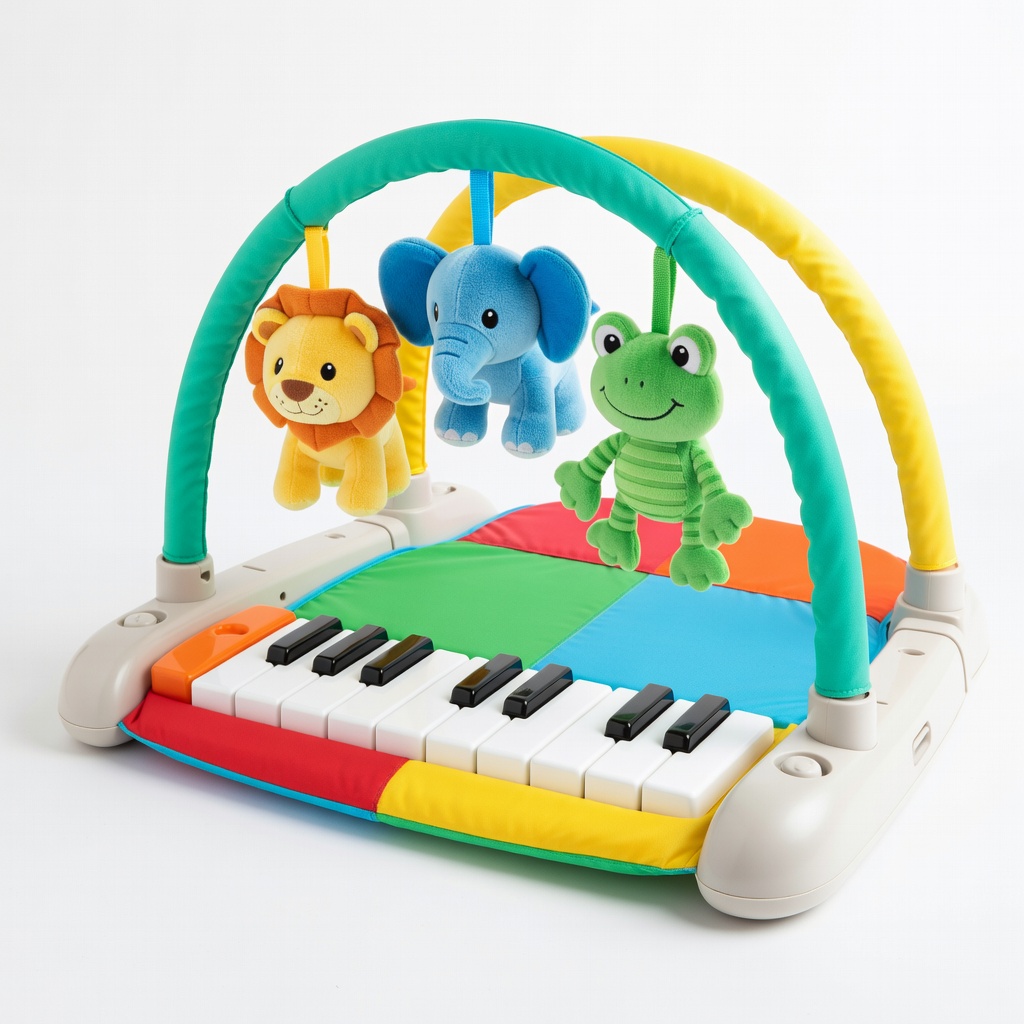
Fisher-Price Kick 'n Play Piano Gym
Newborns to 1 year for daily physical activity.
$40-$50
Fisher-Price Kick 'n Play Piano Gym Multi-stage gym grows with baby, supporting tummy time, sitting, and play with lights/sounds for motor skills.
Get the App
Better experience on mobile
Learn how play-based activities and toys boost your baby's physical, cognitive, and social skills from birth to 12 months.
As a new parent, you might wonder why your baby seems obsessed with grabbing toys or kicking at colorful objects. That's because activity and entertainment are essential for baby development – they turn everyday play into powerful learning experiences that build motor skills, brainpower, and emotional bonds.
In this guide, you'll discover what these activities really mean, their benefits across developmental stages, types of toys and games, and how to choose the right ones. No prior expertise needed; we'll break it down simply for beginners.
Expect a straightforward explainer: read in 10-15 minutes, gain actionable insights to enhance playtime, and spot products that make it easy. Play isn't just fun – it's your baby's first classroom!
Estimated Time: 10-15 minutes to read and apply basics Difficulty: beginner
Babies grow rapidly from newborn to 12 months, hitting milestones like rolling over (4-6 months), sitting up (6-8 months), and crawling (8-10 months). Activity and entertainment align with these stages to support physical, cognitive, sensory, and social-emotional growth.
Why it matters: Play stimulates neural connections – up to 1 million per second in the first year! Without it, babies miss key opportunities.
Expect: Tailored activities prevent frustration and maximize engagement.
💡 Tips:
⚠️ Warnings:
Activity toys like gyms, bouncers, and walkers build gross motor skills (kicking, reaching) and fine motor skills (grasping, pinching).
Analogy: Think of it as baby boot camp – fun reps strengthen muscles and coordination.
Examples: Kick pianos reward movement with lights/sounds, encouraging tummy time.
💡 Tips:
Cognitive development involves problem-solving, memory, and cause-effect learning. Toys with buttons, textures, and music teach these.
Why key: Babies explore 'object permanence' (things exist when hidden) through peek-a-boo toys.
Expect babbling increase as they mimic sounds.
⚠️ Warnings:
Sensory play uses sights, sounds, textures, and smells for brain wiring. Rattles, soft books, and mirrors engage all five senses.
Analogy: Like a multisensory spa for tiny brains, reducing overstimulation risks.
Benefits: Improves focus and self-soothing.
💡 Tips:
Joint play builds attachment, empathy, and sharing. Sing-alongs or puppet shows encourage interaction.
Why matters: Secure bonds lead to confident toddlers.
Pro tip: Narrate play – 'The ball is red and bouncy!' boosts language.
Choose BPA-free, non-toxic toys meeting ASTM standards. Check for small parts (choking hazard under 3).
Guidelines: 0-3 months (high contrast), 3-6 (graspers), 6+ (movers).
Expect safer, frustration-free play.
⚠️ Warnings:
Aim for 20-30 minutes supervised play, 3-4x daily. Track engagement and milestones.
Adjust based on cues: Bored? Swap toys. Overwhelmed? Simplify.
Long-term: Sparks lifelong learning love.
💡 Tips:
Problem: Baby ignores toys
Solution: Try new textures/sounds or play together; ensure not overtired/hungry.
Problem: Fussy during play
Solution: Shorten sessions; check for teething pain or overstimulation.
Problem: Milestones delayed
Solution: Consult pediatrician; increase varied activities.
Multi-stage gym grows with baby, supporting tummy time, sitting, and play with lights/sounds for motor skills.
Best for: Newborns to 1 year for daily physical activity.
Price Range: $40-$50
Safe, chewable loops with rattle for sensory and fine motor development; dishwasher-safe.
Best for: Teething babies 0-6 months needing grasp practice.
Price Range: $10-$15
Transforms from activity panel to walker; teaches ABCs, numbers via music for cognitive/motor growth.
Best for: 6-12 months pre-walkers building confidence.
Price Range: $35-$45
Stage-based, research-backed gym with 5 arches for sensory exploration; sustainable materials.
Best for: Premium choice for 0-12 months comprehensive development.
Price Range: $130-$150
Textured, easy-grip ball for rolling/reaching; bright colors aid tracking.
Best for: Budget-friendly for 3+ months gross motor fun.
Price Range: $6-$10
Newborns to 1 year for daily physical activity.
Fisher-Price Kick 'n Play Piano Gym Multi-stage gym grows with baby, supporting tummy time, sitting, and play with lights/sounds for motor skills.
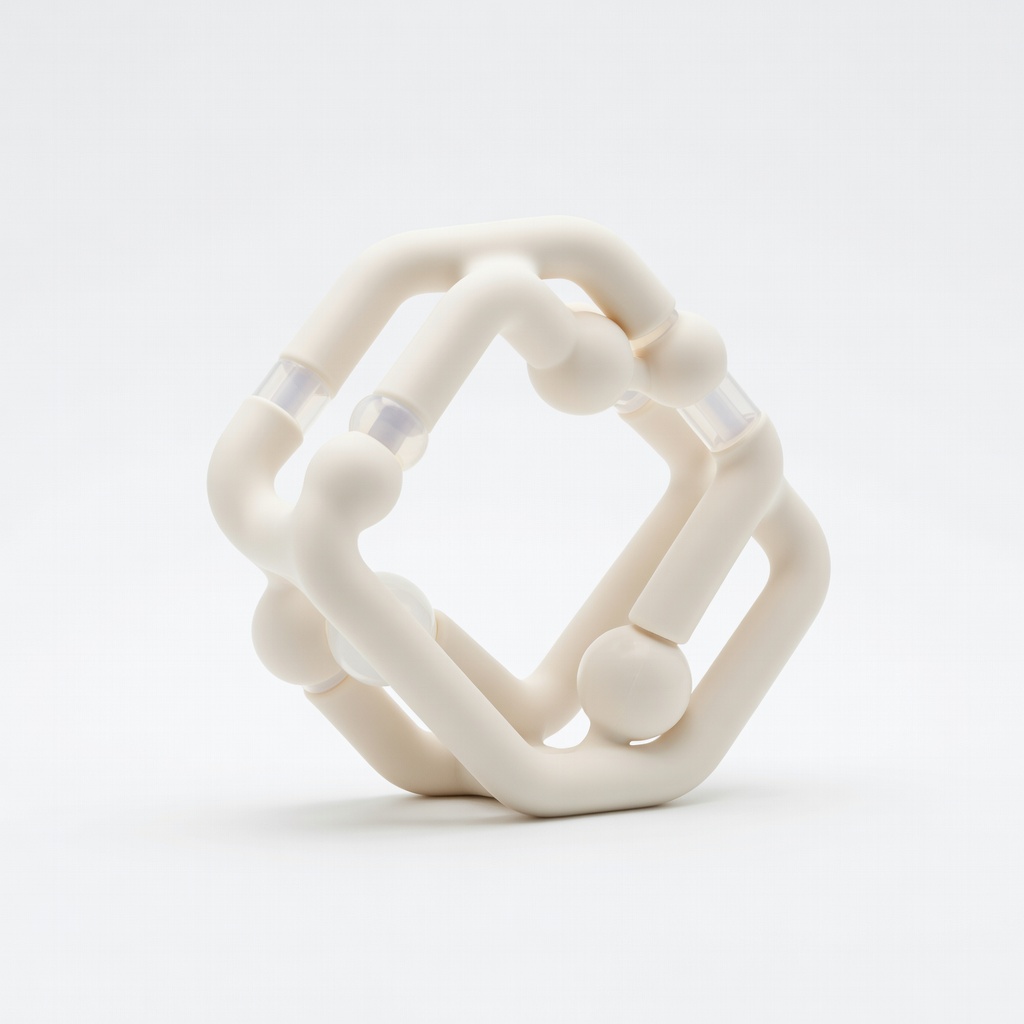
Teething babies 0-6 months needing grasp practice.
Manhattan Toy Winkel Rattle & Teether Safe, chewable loops with rattle for sensory and fine motor development; dishwasher-safe.
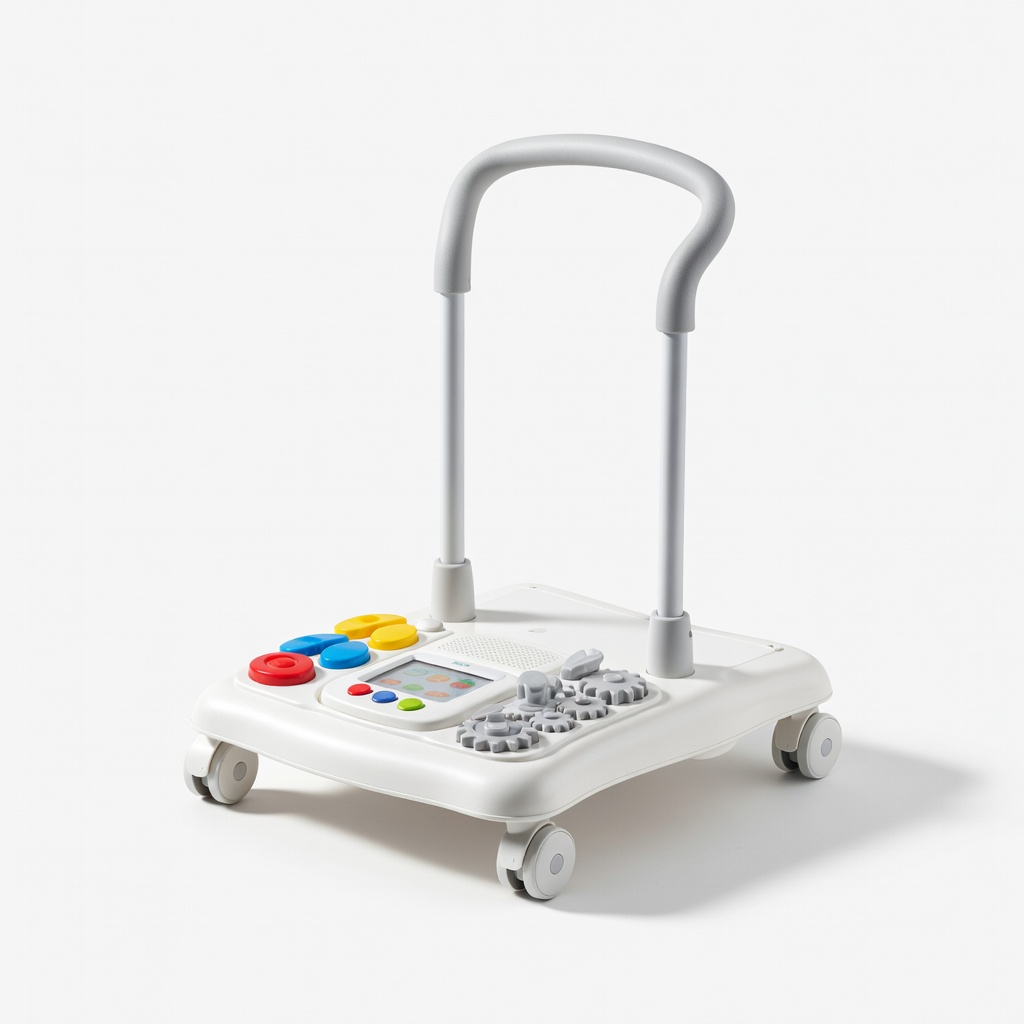
6-12 months pre-walkers building confidence.
VTech Sit-to-Stand Learning Walker Transforms from activity panel to walker; teaches ABCs, numbers via music for cognitive/motor growth.
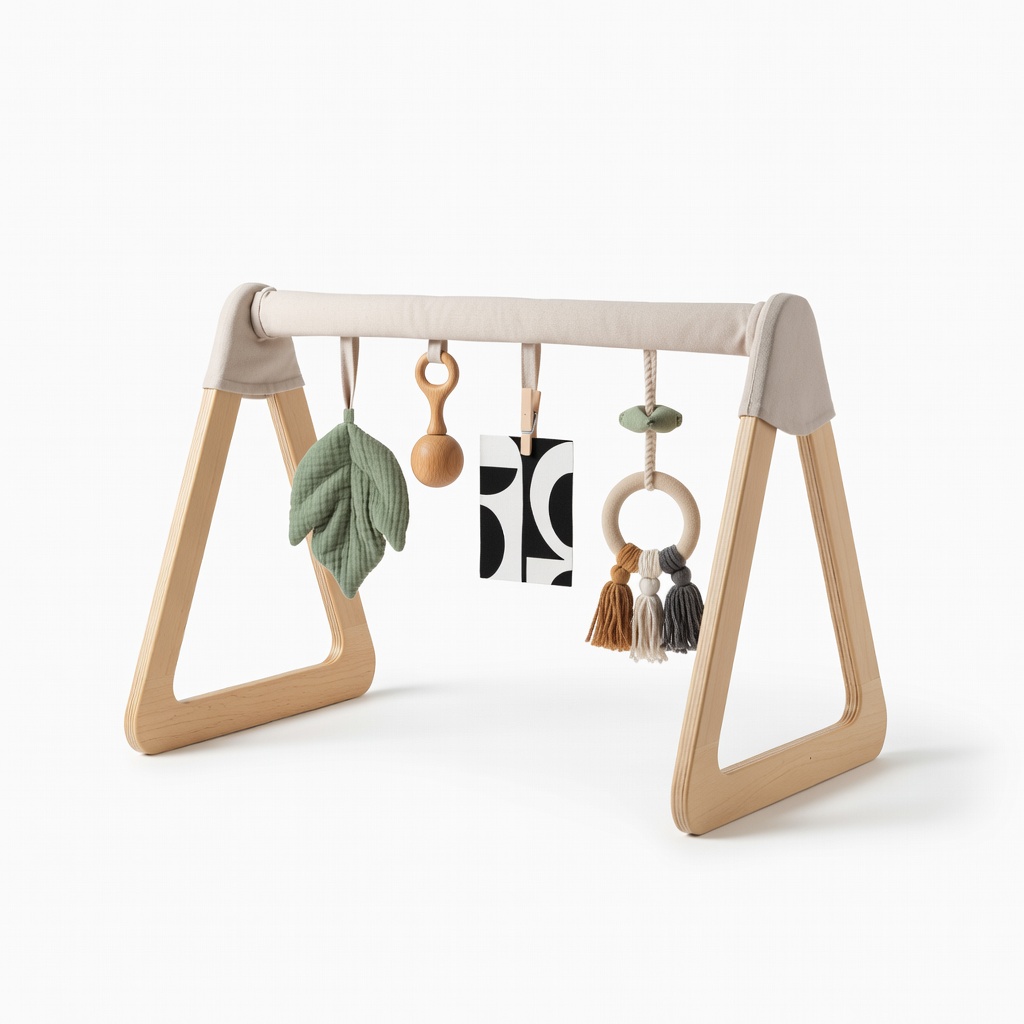
Premium choice for 0-12 months comprehensive development.
Lovevery The Play Gym Stage-based, research-backed gym with 5 arches for sensory exploration; sustainable materials.
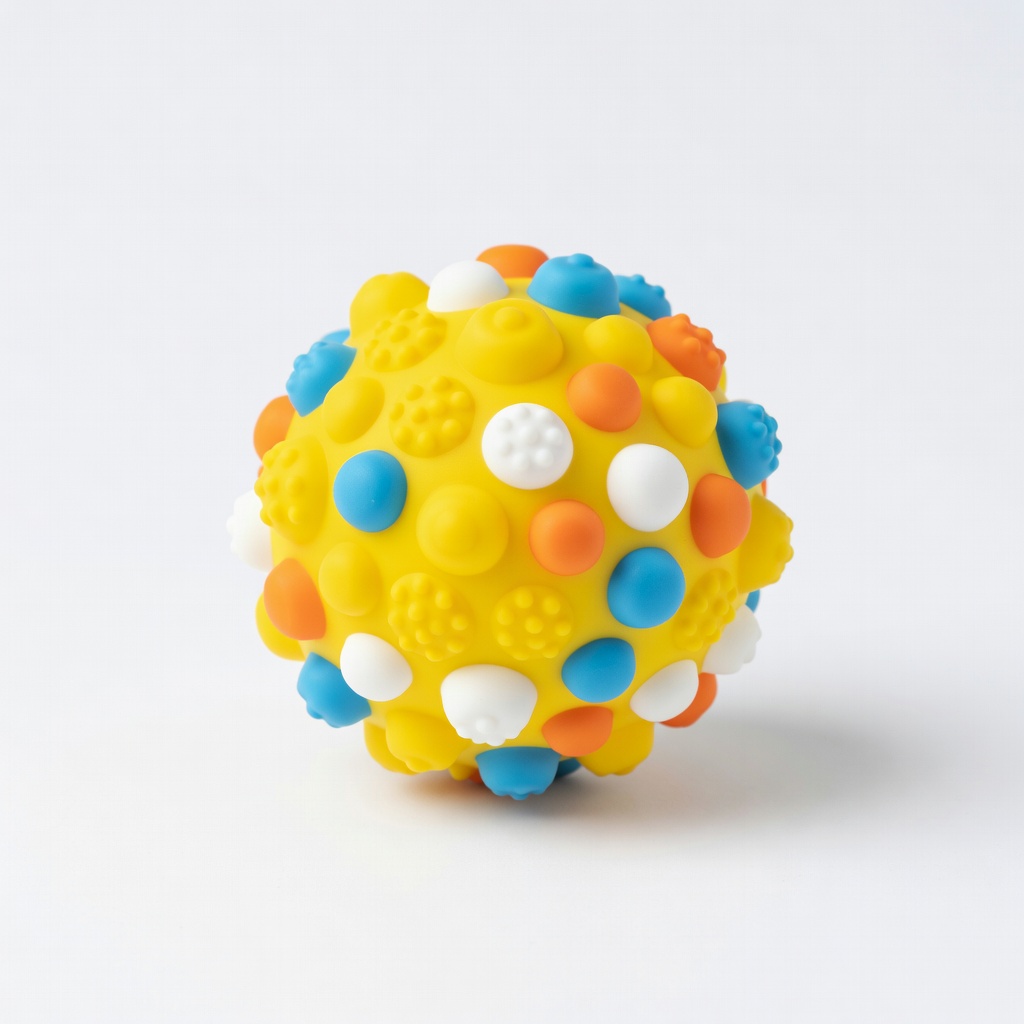
Budget-friendly for 3+ months gross motor fun.
Sassy Developmental Bumpy Ball Textured, easy-grip ball for rolling/reaching; bright colors aid tracking.