
QuickBooks Online
Multi-channel sellers needing reports and forecasting.
$30-$200/month
QuickBooks Online Comprehensive all-in-one with robust inventory, Etsy/Shopify sync, and COGS tracking—ideal for growing craft shops.
Get the App
Better experience on mobile
Unlock simplified financial tracking for your craft shop with tools that handle inventory, Etsy sales, and expenses effortlessly.
Running a small craft business—like selling handmade jewelry on Etsy, candles at local markets, or custom prints online—sounds dreamy, but the numbers can turn into a nightmare. Manually tracking material costs (beads, yarn, shipping supplies), fluctuating sales, and taxes eats hours weekly, leading to errors, missed deductions, and stress. What if software could automate it all?
In this guide, you'll learn what accounting software is, why it's essential for craft entrepreneurs, key features tailored to your needs (like multi-channel sales integration), and how to choose the right one. Expect clear explanations with real-world examples—no jargon overload. You'll walk away ready to pick and start using software that scales with your hobby-turned-business.
This explainer takes 20-30 minutes to read, assuming intermediate knowledge of basic bookkeeping. No hands-on setup required yet.
Estimated Time: 20-30 minutes Difficulty: intermediate
Small craft businesses face unique hurdles: variable inventory (e.g., buying bulk fabric but selling individually), multi-channel sales (Etsy, Facebook Marketplace, craft fairs), and COGS (cost of goods sold) calculations that factor in time spent crafting.
Unlike retail, crafts involve 'recipes'—like 2 yards of yarn + dye for a scarf. Manual spreadsheets fail here, leading to underreported profits or tax issues. Accounting software solves this by automating categorization.
Example: A beader tracking $500 in gem purchases but selling $200 necklaces weekly risks losing sight of true margins without software.
💡 Tips:
⚠️ Warnings:
Accounting software is cloud-based or desktop tools that automate bookkeeping, invoicing, reporting, and tax prep. Think of it as a 'digital ledger' that replaces Excel chaos.
For small businesses, it's user-friendly SaaS (software as a service) with dashboards showing real-time finances. Analogy: Like a smart fridge tracking groceries vs. a paper list—scans usage, alerts low stock.
Core job: Record transactions, categorize (e.g., 'beads expense'), generate P&L statements.
💡 Tips:
Essentials include invoicing (send Etsy-style bills), expense tracking (scan receipts), bank reconciliation (match statements), and basic reports (profit/loss).
Why it matters: Automates 80% of grunt work, reducing errors by 90% per studies. Expect mobile apps for snapping market sale receipts.
For crafts: Handles sales tax per state, crucial for cross-border fairs.
Craft-specific: Inventory management (track serial batches of clay), COGS calculator (auto-compute per item), multi-currency for international Etsy sales, and project tracking (time on custom orders).
Example: Software deducts $5 yarn from inventory per hat sold, updating stock levels instantly.
Integrations shine: Sync with Etsy, Shopify, Square for point-of-sale at markets.
💡 Tips:
⚠️ Warnings:
Top software connects directly to Etsy, pulling orders/sales automatically. No more CSV exports.
How it works: API syncs daily—sales hit accounting as income, fees as expenses. Analogy: Like auto-syncing your phone photos to cloud.
Result: Accurate books without double-entry.
Saves 10-20 hours/month, uncovers profitable products (e.g., earrings outsell hats), preps Schedule C taxes easily, and scales for growth.
Real-world: Crafters report 25% profit boosts from better pricing via COGS insights.
Cash flow forecasting prevents material shortages.
💡 Tips:
Free (Wave: basics), Mid-tier (FreshBooks: invoicing focus), Full-suite (QuickBooks: all-in-one), Niche (Craftybase: crafter inventory).
Choose by needs: Startups → free; scaling → full.
Desktop vs. cloud: Cloud wins for mobility.
Assess needs (inventory? integrations?), trial 3 options, migrate data via CSV, train via tutorials (1-2 hours).
Expect: 1-week setup for full use. Monitor first month, adjust categories.
Pro move: Consult free software accountant tools.
💡 Tips:
⚠️ Warnings:
Problem: Data sync fails with Etsy
Solution: Check API permissions in Etsy settings; reauthorize software. Test with one order.
Problem: Inventory counts off
Solution: Perform physical audit; adjust via bulk edit. Ensure units match (e.g., yards vs. skeins).
Problem: High learning curve
Solution: Watch 10-min YouTube tutorials; start with sample data. Seek software chat support.
Problem: Tax reports inaccurate
Solution: Verify sales tax settings by state. Export to TurboTax for review; consult CPA if over $50k revenue.
Comprehensive all-in-one with robust inventory, Etsy/Shopify sync, and COGS tracking—ideal for growing craft shops.
Best for: Multi-channel sellers needing reports and forecasting.
Price Range: $30-$200/month
Unlimited free invoicing and basics, perfect starter without commitment.
Best for: Hobby crafters testing waters under $10k/year revenue.
Price Range: $0 (premium add-ons $8+/mo)
Crafter-specific: Tracks recipes, materials (yarn/beads), waste—calculates exact COGS.
Best for: Handmade goods with complex BOM (bill of materials).
Price Range: $19-$99/month
Excellent bank feeds, inventory, and 800+ integrations including Square for markets.
Best for: Craft fair vendors with POS needs.
Price Range: $15-$70/month
Intuitive invoicing and time tracking for custom craft orders.
Best for: Service-oriented crafters (e.g., commissions).
Price Range: $19-$60/month
Multi-channel sellers needing reports and forecasting.
QuickBooks Online Comprehensive all-in-one with robust inventory, Etsy/Shopify sync, and COGS tracking—ideal for growing craft shops.
Hobby crafters testing waters under $10k/year revenue.
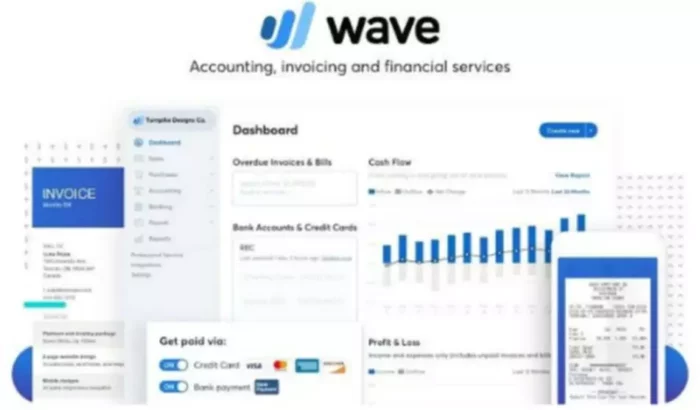
Wave Accounting Unlimited free invoicing and basics, perfect starter without commitment.
Handmade goods with complex BOM (bill of materials).
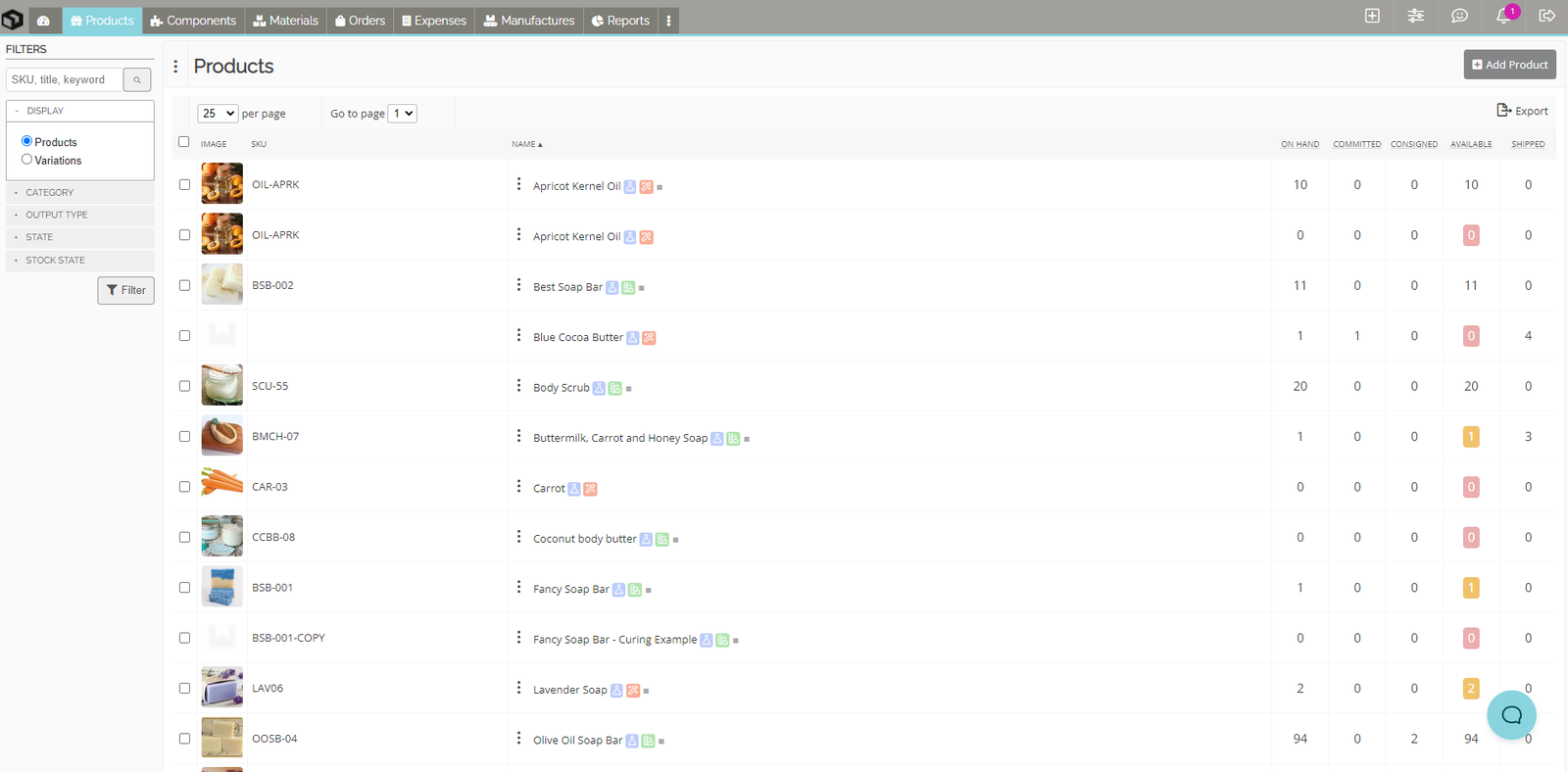
Craftybase Crafter-specific: Tracks recipes, materials (yarn/beads), waste—calculates exact COGS.
Craft fair vendors with POS needs.
Xero Excellent bank feeds, inventory, and 800+ integrations including Square for markets.
Service-oriented crafters (e.g., commissions).
FreshBooks Intuitive invoicing and time tracking for custom craft orders.