
Wave Accounting
Solo freelancers handling under $50K/year needing unlimited invoices without costs.
Free
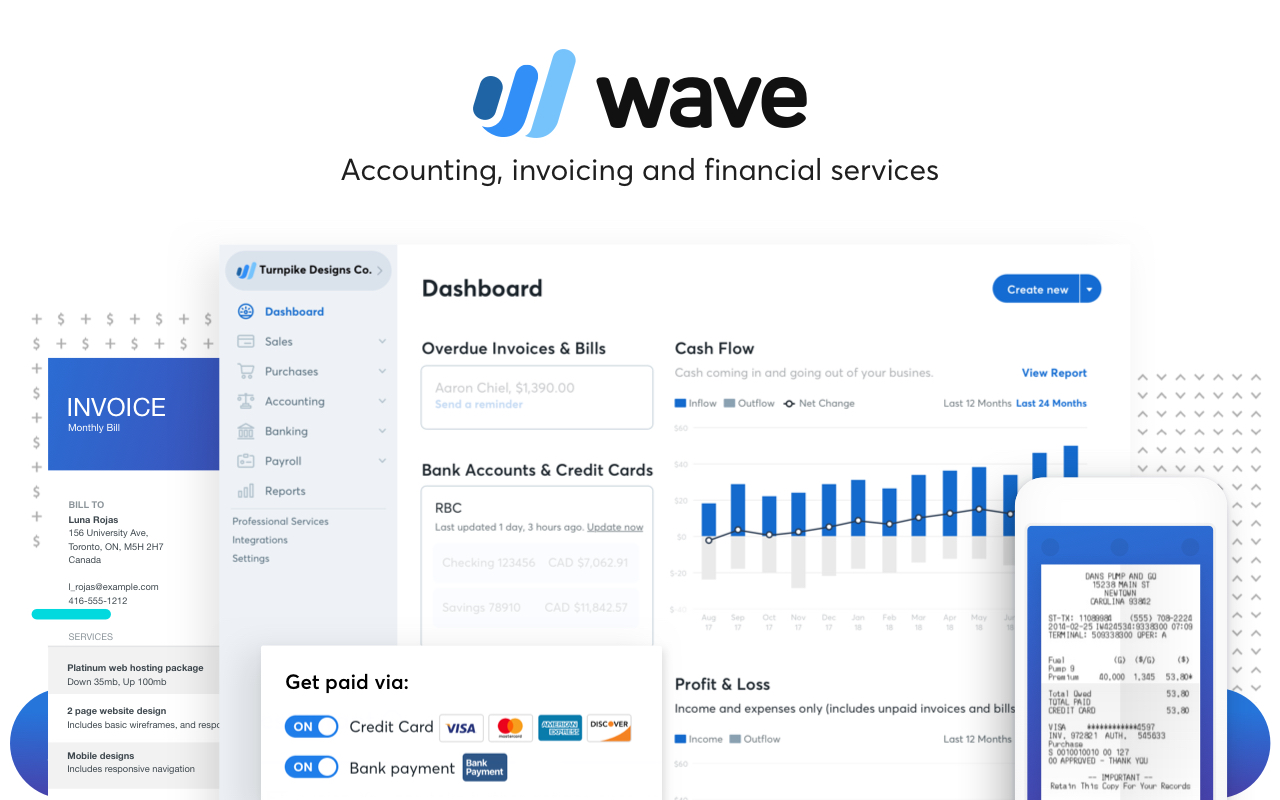
Wave Accounting Completely free, intuitive for beginners with invoicing, expense tracking, and tax reports tailored for freelancers.
Get the App
Better experience on mobile
Master essential accounting concepts to track income, expenses, taxes, and profits as a freelancer—no prior experience needed.
As a freelancer, the freedom of being your own boss comes with a hidden challenge: managing your finances. Many new freelancers face surprise tax bills, missed deductions, or confusion over profitability because they skip the basics of accounting. Don't worry—this guide breaks it down simply.
You'll learn what accounting really means for solopreneurs, key terms with real examples, how to track money flow, and prep for taxes. By the end, you'll have a clear system to stay organized and stress-free.
This explainer uses everyday analogies and steps from basic to practical setup. Expect 20-30 minutes to read and grasp the fundamentals—perfect for beginners.
Estimated Time: 20-30 minutes Difficulty: beginner
Accounting is the process of recording your financial transactions—like income from clients and expenses for software or coffee runs—and summarizing them into reports. For freelancers, it's not complex audits; it's simply knowing 'where your money comes from and goes.'
Analogy: Think of it as a personal bank statement for your business. Just as your bank tracks deposits and withdrawals, you track freelance gigs (deposits) and supplies (withdrawals) to see your true financial health.
Why it matters: Without it, you can't spot unprofitable clients or claim tax deductions.
💡 Tips:
Unlike employees with W-2s and employer-withheld taxes, freelancers are self-employed. You must track everything for quarterly taxes, deductions (home office, internet), and business loans.
It prevents IRS penalties—freelancers owe self-employment taxes (15.3% on net earnings). Plus, it shows if your rates cover living costs.
Example: A graphic designer earning $5,000/month but spending $3,000 on tools/ads knows their $2,000 profit instantly.
⚠️ Warnings:
Income (or revenue) is money earned from services before expenses. Track gross income (total payments) vs net income (after expenses).
Example: Invoice $1,000 for a project; client pays $1,000—that's revenue. Use invoices to formalize this.
Why track? For taxes, report all income; banks/statements confirm it.
💡 Tips:
Expenses are business costs: software subscriptions, marketing, mileage. Deductible if ordinary/necessary (IRS rule).
Categories: Fixed (rent), variable (ads), one-time (laptop). Separate from personal (groceries).
Analogy: Like labeling grocery receipts 'food' vs 'business lunch.' Save digital photos of receipts.
💡 Tips:
Profit = Total Income - Total Expenses. Monthly P&L statement shows viability.
Example: $6,000 income - $2,500 expenses = $3,500 profit. Negative? Raise rates or cut costs.
Why? Guides pricing and savings for slow months.
⚠️ Warnings:
Bookkeeping is daily recording. Use cash basis (record when paid/received) for simplicity.
Steps: 1) Separate business bank account. 2) Log weekly. 3) Reconcile with statements.
Tools: Spreadsheet columns for date, description, income/expense, category, balance.
💡 Tips:
Save 25-30% of income for taxes. Self-employment tax covers Social Security/Medicare. Deduct half.
Quarterly estimates via IRS Form 1040-ES. Track Schedule C for deductions.
Tip: Use tax software for projections.
⚠️ Warnings:
Manual (spreadsheet) for starters; software automates. Generate reports for taxes.
Start free, upgrade as income grows. Integrates with PayPal/Stripe.
💡 Tips:
Problem: Overwhelmed by numbers or categories
Solution: Start with 5 expense categories; use pre-made templates from Google Sheets.
Problem: Missing receipts
Solution: Reconstruct from bank statements/emails; note 'estimate' and adjust next time.
Problem: Confused on deductible expenses
Solution: Check IRS Publication 535; consult free resources or affordable CPA for $100/hour.
Problem: Software import errors
Solution: Export CSV from bank, match columns manually first time.
Completely free, intuitive for beginners with invoicing, expense tracking, and tax reports tailored for freelancers.
Best for: Solo freelancers handling under $50K/year needing unlimited invoices without costs.
Price Range: Free
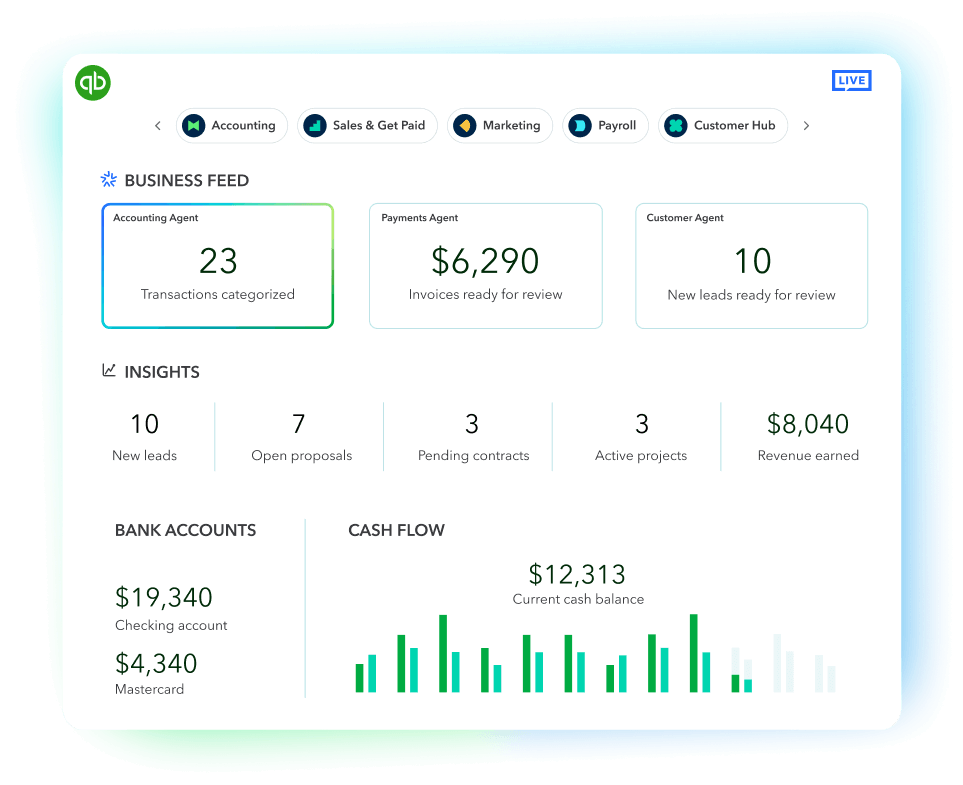
Auto-categorizes bank transactions, tracks mileage via GPS, and estimates quarterly taxes—saves hours weekly.
Best for: Mobile-first freelancers who drive for work or have variable income.
Price Range: $15-$30/month
Breaks down cash management into simple envelopes (ASIN: B01N4K0QOV); mindset shift for profitability beyond basic tracking.
Best for: Freelancers struggling with cash flow despite good income.
Price Range: $15-$20
Undated, durable notebook with pre-printed tables for manual entry (ASIN: B07H3V9G9H); no-tech backup.
Best for: Beginners preferring pen-and-paper before software.
Price Range: $6.99
Beautiful interface for time tracking, proposals, and payments; scales with growth.
Best for: Creative freelancers sending proposals and needing client portals.
Price Range: $19-$60/month
Solo freelancers handling under $50K/year needing unlimited invoices without costs.
Wave Accounting Completely free, intuitive for beginners with invoicing, expense tracking, and tax reports tailored for freelancers.
Mobile-first freelancers who drive for work or have variable income.
QuickBooks Self-Employed Auto-categorizes bank transactions, tracks mileage via GPS, and estimates quarterly taxes—saves hours weekly.

Freelancers struggling with cash flow despite good income.
Profit First by Mike Michalowicz Breaks down cash management into simple envelopes (ASIN: B01N4K0QOV); mindset shift for profitability beyond basic tracking.
Beginners preferring pen-and-paper before software.
RediNova Bookkeeping Accounting Ledger Undated, durable notebook with pre-printed tables for manual entry (ASIN: B07H3V9G9H); no-tech backup.

Creative freelancers sending proposals and needing client portals.
FreshBooks Beautiful interface for time tracking, proposals, and payments; scales with growth.