Feeling constantly drained, guilty, or manipulated by someone's words or actions? You're not alone—emotional abuse often flies under the radar, eroding your self-worth without physical marks. This guide explains abuse self-help for emotional boundaries, empowering beginners to protect their mental space.
You'll learn what emotional boundaries are, how abuse violates them, and practical self-help techniques to rebuild them. No prior knowledge needed; we'll use everyday examples and analogies like a 'fence around your emotional garden.'
Expect a straightforward breakdown: read in 20 minutes, then apply exercises over days. This isn't therapy replacement—seek professionals for severe cases—but a starting point for daily empowerment.
▸What You'll Need
- •Quiet space for reflection (required)
- •Notebook or journal (required for exercises)
- •Pen (required)
- •Recommended self-help book (optional but highly helpful)
Estimated Time: 20-30 minutes to read and initial exercises; ongoing practice 10-15 min/day
Difficulty: beginner
▸Step-by-Step Instructions
Step 1: Understand Emotional Abuse Basics
Emotional abuse involves patterns of behavior that attack your sense of self, like constant criticism, gaslighting (making you doubt your reality), or guilt-tripping. It's subtle—think a partner saying 'You're too sensitive' to dismiss your feelings.
Why it matters: Without recognizing it, you can't protect boundaries. Analogy: It's like a leak in your emotional roof; self-help starts with spotting the drip.
Expect to feel validated as you identify patterns from your life.
💡 Tips:
- •Journal one example daily to build awareness.
⚠️ Warnings:
- •Don't self-diagnose complex trauma—consult a therapist.
Step 2: Define Emotional Boundaries
Emotional boundaries are invisible limits defining what's okay for others to say or do to you. They protect your feelings, like saying 'I won't discuss my finances today.' Healthy ones say 'Your anger stops at my door.'
In abuse self-help, boundaries reclaim power. Analogy: Like personal space bubbles—abusers invade yours without permission.
You'll see how poor boundaries lead to resentment; strong ones foster respect.
💡 Tips:
- •Use 'I feel... I need...' statements to practice.
Step 3: Spot Boundary Violations
Violations include unsolicited advice, mocking vulnerabilities, or silent treatments. Signs: You feel exhausted after interactions or apologize excessively.
Self-help key: Track these in a journal to break denial. Example: A friend demands constant reassurance— that's a violation.
This step builds intuition; expect 'aha' moments.
💡 Tips:
- •Rate interactions 1-10 on emotional drain.
⚠️ Warnings:
- •Avoid confronting abusers prematurely without support.
Step 4: Learn Self-Help Techniques to Set Boundaries
Core techniques: 1) Name the boundary clearly. 2) Use gray rocking (neutral responses to manipulators). 3) Practice saying no without justification.
Why vital: Empowers solo healing before external help. Analogy: Building a muscle—starts weak, grows strong.
Try: Write 3 boundaries for a draining relationship.
💡 Tips:
- •Role-play in mirror for confidence.
Step 5: Enforce and Maintain Boundaries
Enforcement means consequences, like 'If you yell, I'll leave the room.' Maintain via daily affirmations: 'My feelings are valid.'
Self-help sustains progress; relapse is normal. Track wins weekly.
Outcome: Increased self-respect and calmer relationships.
💡 Tips:
- •Celebrate small enforcements with self-rewards.
⚠️ Warnings:
- •Guilt is common—it's abuser conditioning; counter with facts.
Step 6: Incorporate Self-Care for Lasting Change
Pair boundaries with self-care: mindfulness, therapy apps, or walks. Heals abuse wounds.
Full self-help cycle: Awareness → Boundaries → Care. Analogy: Watering your garden after fencing it.
Expect gradual peace.
▸Pro Tips
- •Start small: Set one boundary per week to avoid overwhelm.
- •Use phone reminders for daily affirmations.
- •Visualize boundaries as a glowing shield during talks.
- •Pair with deep breathing to stay calm when enforcing.
- •Share progress anonymously in online support forums.
- •Revisit journal monthly to measure growth.
- •Combine with meditation apps for quicker emotional reset.
▸Common Mistakes to Avoid
- •Over-explaining boundaries—keep it short to avoid arguments.
- •Expecting instant change from abusers—they rarely do without their own work.
- •Ignoring physical symptoms like anxiety—seek medical help early.
- •Setting boundaries only verbally—pair with actions.
- •Forgetting self-compassion—be gentle during slip-ups.
▸Troubleshooting
Problem: Triggers intense emotions or flashbacks
Solution: Pause exercises, breathe deeply, contact a hotline like National Domestic Violence Hotline (1-800-799-7233). Seek therapist.
Problem: Abuser escalates after boundary-setting
Solution: Have safety plan: trusted contact, exit strategy. Prioritize professional support.
Problem: Struggling to identify personal boundaries
Solution: Use workbook prompts; start with basics like 'No unannounced visits.'
Problem: Feeling guilty constantly
Solution: Journal evidence against guilt; affirmations daily. Normal at first.
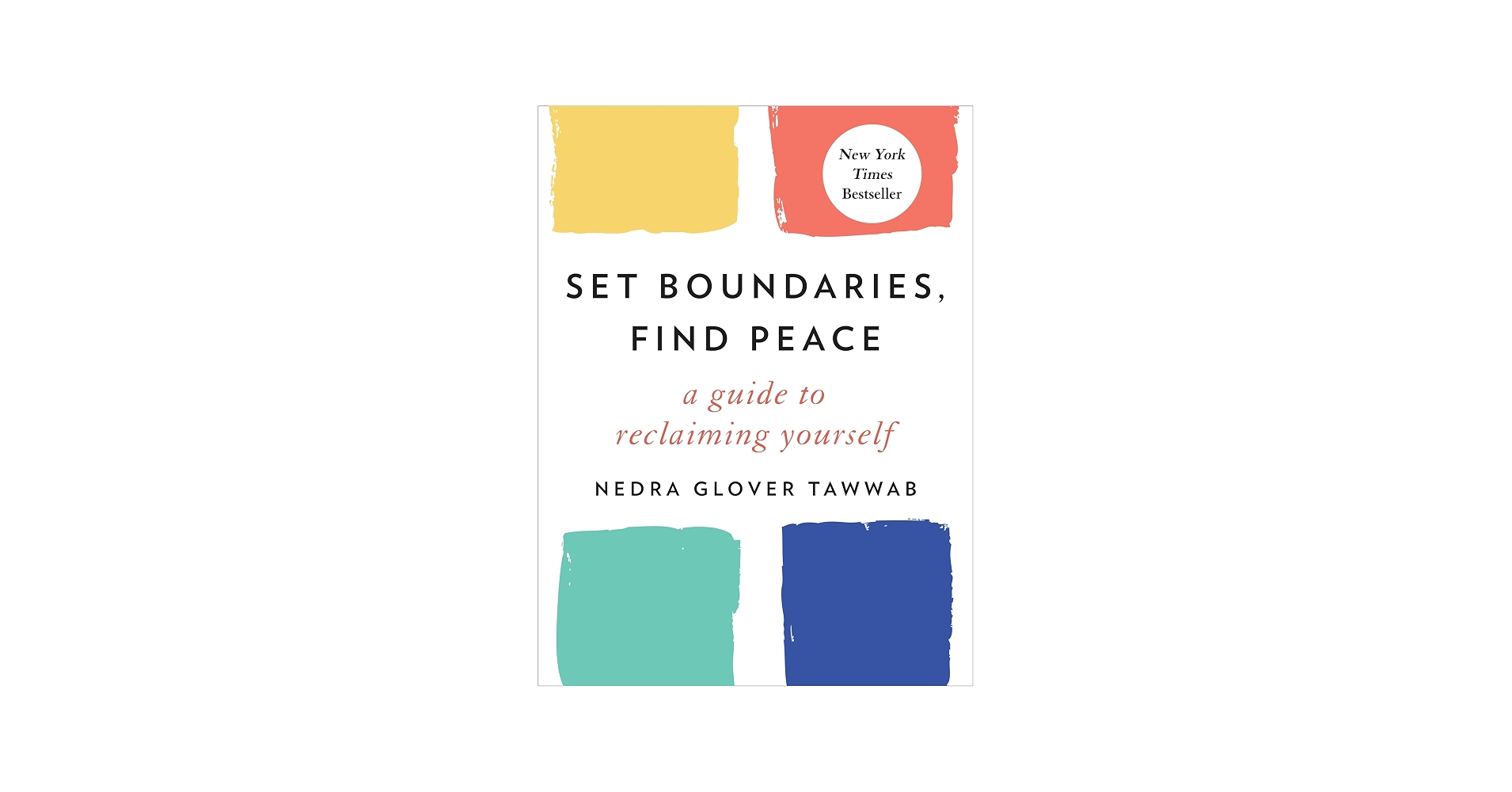
Set Boundaries, Find Peace by Nedra Glover Tawwab
Practical guide with exercises tailored for emotional boundary-setting in abusive dynamics.
Best for: Daily reading and workbook-style practice for beginners healing from manipulation.
Price Range: $14.99
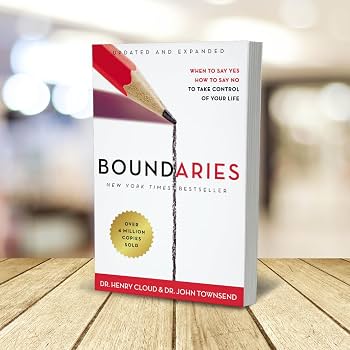
Boundaries by Henry Cloud and John Townsend
Classic on biblical and practical boundaries, with real-life abuse examples.
Best for: Reference for enforcing limits; great for long-term self-help reference.
Price Range: $10-15
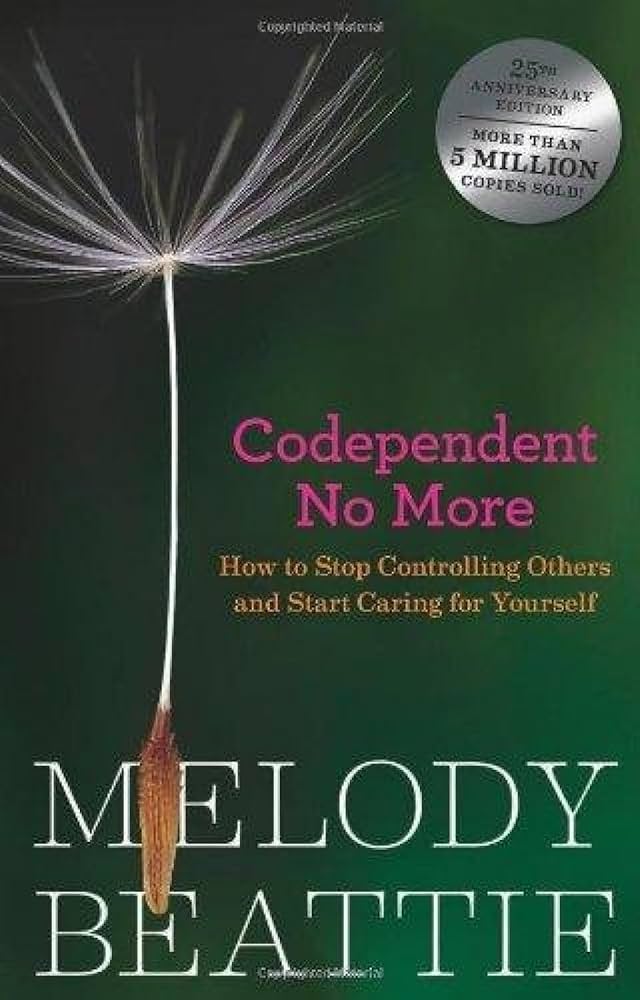
Codependent No More by Melody Beattie
Addresses enabling abuse via poor boundaries; includes recovery workbook sections.
Best for: When codependency fuels emotional abuse tolerance.
Price Range: $12.99
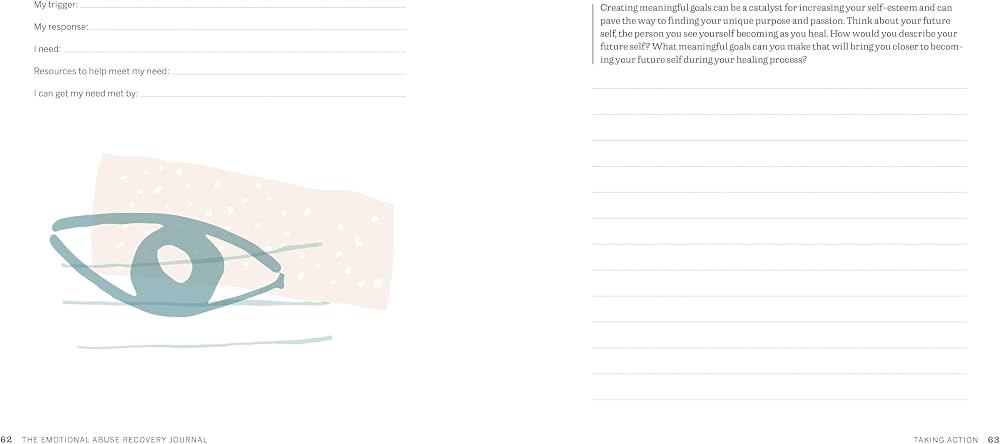
The Guided Journal for Emotional Abuse Survivors
Prompts for tracking boundaries and healing; structured for self-help.
Best for: Hands-on exercises when motivation lags.
Price Range: $15-20