Outdoor 3D prints like garden stakes, drone parts, or signage often fail prematurely due to sun exposure, rain, and temperature swings—leaving hobbyists frustrated with brittle or yellowed models. Choosing the wrong filament can mean reprints and wasted filament, but understanding ABS vs PETG empowers you to build prints that last.
In this guide, you'll compare ABS and PETG head-to-head on critical outdoor factors: UV stability, heat tolerance, moisture resistance, strength, and ease of printing. By the end, you'll know which filament (or combo) suits your project, with pro tips for maximum durability. No hands-on printing required—just 10-15 minutes to read and decide.
Expect clear analogies, real-world examples, and data-backed insights tailored for intermediate 3D printers familiar with basic slicing and bed adhesion.
▸What You'll Need
- •Basic 3D printing knowledge (e.g., slicer settings, nozzle temps)
- •Access to a 3D printer for testing (optional)
- •Familiarity with filament drying (recommended)
Estimated Time: 10-15 minutes to read and understand
Difficulty: intermediate
▸Step-by-Step Instructions
Step 1: Understand Filament Basics for Outdoors
Filaments are thermoplastic materials melted and extruded by your 3D printer to form objects. For outdoor use, focus on environmental resilience: UV light causes fading/brittleness, heat (>60°C) warps parts, moisture leads to degradation, and mechanical stress tests durability.
ABS and PETG are popular engineering filaments beyond basic PLA. ABS is like tough plastic LEGO bricks—strong but finicky. PETG is like a flexible water bottle—durable and forgiving. This foundation sets up why one shines outdoors over the other.
💡 Tips:
- •Think of outdoor prints as 'survival tests'—prioritize weather data over lab strength.
Step 2: What is ABS Filament?
ABS (Acrylonitrile Butadiene Styrene) is a classic since early 3D printing days, used in LEGO and car bumpers. It's impact-resistant and heat-tolerant up to 85-100°C, making it suitable for functional parts.
Outdoor pros: Excellent toughness; smooth post-processing (sanding, acetone vapor smoothing).
Cons: Poor UV resistance (yellowing after months); warps easily (needs enclosure); absorbs moisture, causing print defects.
⚠️ Warnings:
- •Never print ABS without ventilation—fumes are strong.
Step 3: What is PETG Filament?
PETG (Polyethylene Terephthalate Glycol) blends PLA ease with durability, like upgraded soda bottles. Print temps 230-250°C, bed 70-80°C—less warping than ABS.
Outdoor pros: Superior UV stability (minimal degradation after 1+ years); waterproof; flexible yet strong.
Cons: Slightly less heat-resistant (60-80°C); stringy prints if not tuned.
💡 Tips:
- •PETG's glycol additive prevents crystallization, aiding clarity and toughness.
Step 4: Compare UV Resistance
UV rays break polymer bonds, causing brittleness. ABS degrades quickly (30-50% strength loss in 6 months sun), turning brittle and yellow—bad for visible outdoor signs.
PETG resists UV far better (10-20% loss after a year), staying flexible. Analogy: ABS is newspaper in sun (fades fast); PETG is book cover (lasts). Test: Print samples, expose to sunlamp.
Step 5: Evaluate Temperature Tolerance
Outdoor heat (car dashboards hit 70°C) softens prints. ABS handles up to 100°C (HDT), ideal for hot climates or engine bays.
PETG softens at 70-80°C but recovers better, less creep. Choose ABS for extreme heat; PETG for moderate (most backyards).
💡 Tips:
- •Anneal prints post-print for +20°C heat boost.
Step 6: Assess Moisture and Weather Resistance
Rain/snow: Both hygroscopic, but PETG repels water better (lower absorption <1%). ABS swells 2-5%, leading to cracks.
PETG wins for humid/wet outdoors; ABS needs sealing.
Step 7: Review Mechanical Strength and Printability
ABS: Higher impact strength (tougher falls); harder to print (enclosure needed).
PETG: Good tensile/flex (bends without breaking); easier (open printers OK). For outdoor mounts, PETG's balance wins unless max toughness needed.
⚠️ Warnings:
- •Undried filament = bubbles/poor layers.
Step 8: Decide: ABS, PETG, or Hybrid?
PETG for most outdoors (UV/weather king). ABS for high-heat/impact (seal for UV). Hybrid: PETG body + ABS inserts. Factor printer setup—PETG more forgiving.
💡 Tips:
- •UV spray/paint boosts either by 2x lifespan.
▸Pro Tips
- •Always dry filaments (50°C for 4hrs)—prevents moisture pops.
- •Use enclosures for ABS; brim/raft for PETG adhesion.
- •Slow prints (40mm/s) for stronger layers.
- •Anneal PETG at 80°C/1hr for heat resistance.
- •Add 5% carbon fiber to PETG for UV+strength.
- •Test small prototypes outdoors first.
- •Prime with UV-resistant paint for colorfastness.
▸Common Mistakes to Avoid
- •Printing ABS without enclosure: Leads to warping/cracks—use a DIY box.
- •Skipping filament drying: Causes stringing/under-extrusion—invest in a dryer.
- •Ignoring UV for ABS: Yellows fast—choose PETG or coat it.
- •Overlooking bed temps: PETG needs 70°C+ or peels off.
- •High speeds on PETG: Stringy mess—drop to 30-40mm/s.
▸Troubleshooting
Problem: ABS warping
Solution: Enclose printer, use ABS slurry on bed, 100°C chamber if possible.
Problem: PETG stringing
Solution: Increase retraction (6mm), lower temp 5°C, dry filament.
Problem: Brittle outdoor prints
Solution: Wrong filament—switch to PETG; check infill >30%.
Problem: Layer adhesion failure
Solution: Hotter nozzle (+5°C), slower speed, clean nozzle.
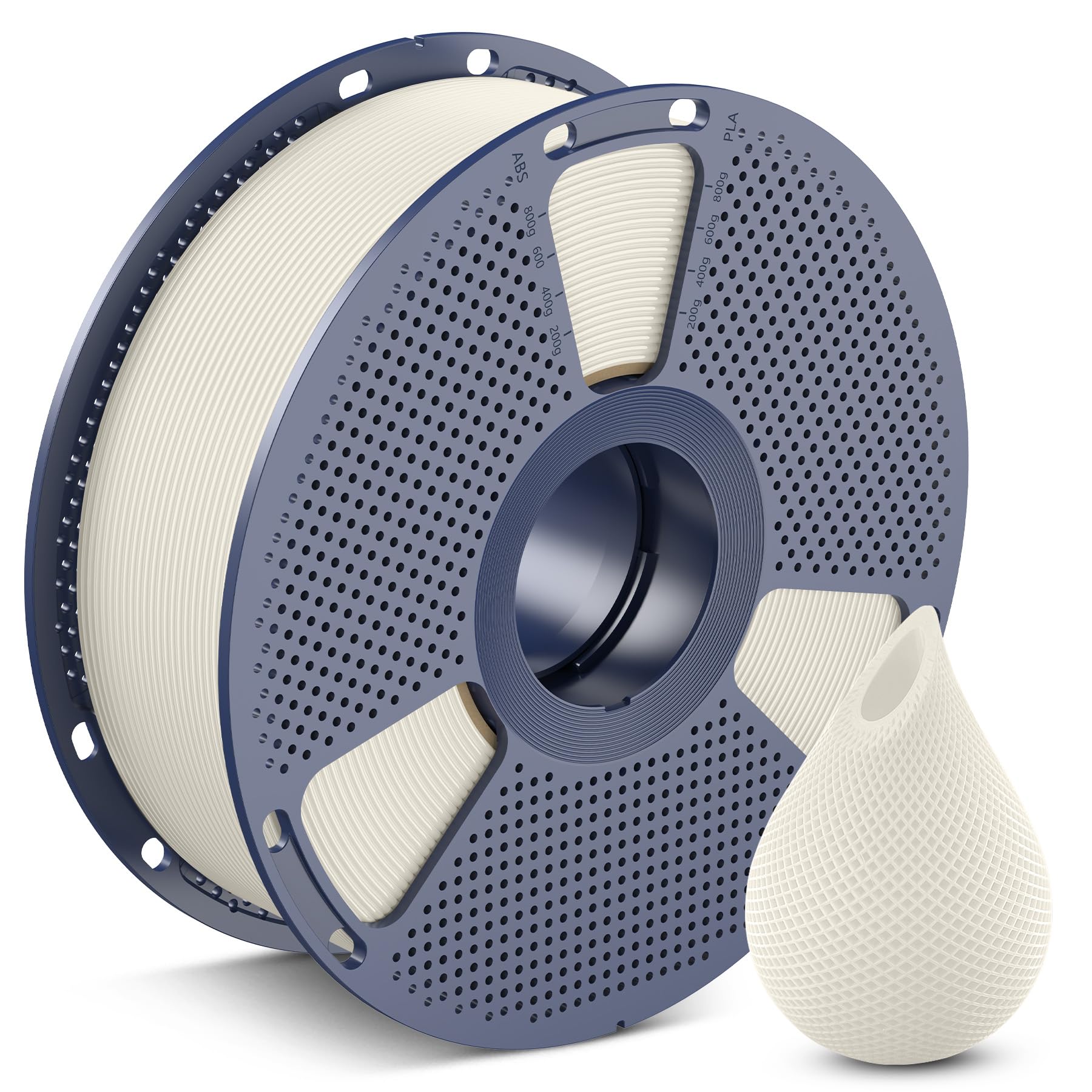
Overture PETG Filament 1.75mm, 1kg Spool
Top-rated for UV resistance and low shrinkage, perfect for outdoor durability without ABS hassles.
Best for: Garden tools, weather stations—prints reliably on stock Ender 3.
Price Range: $20-25
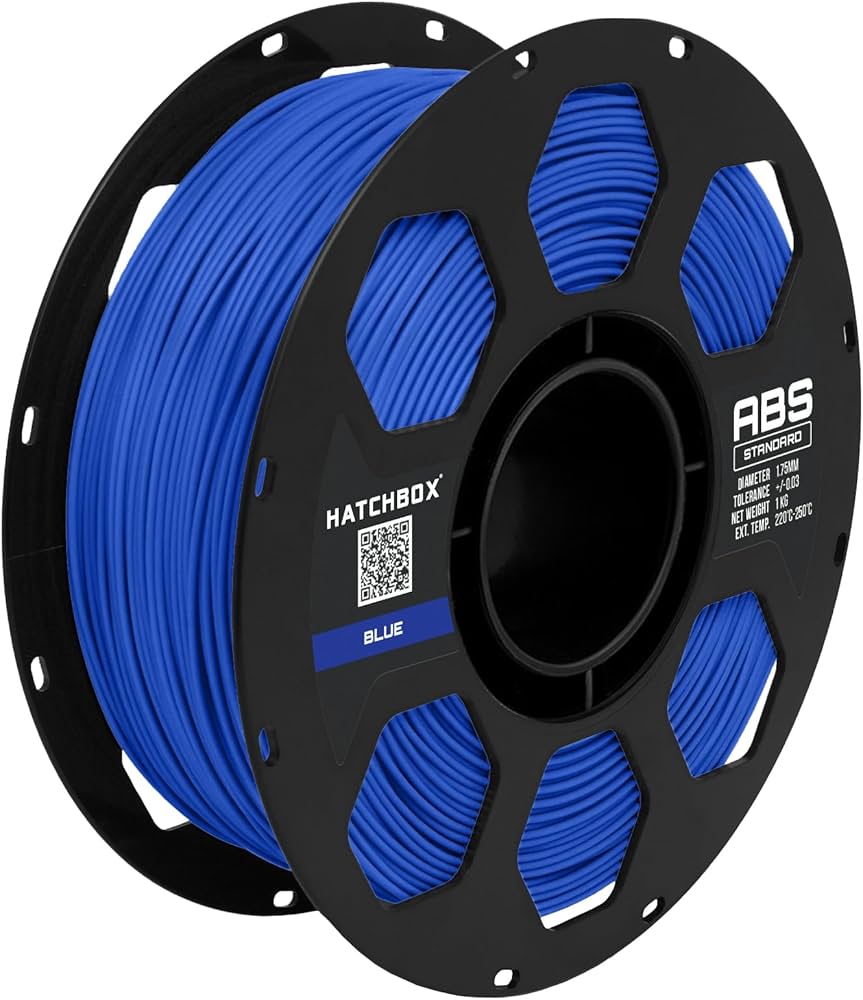
HATCHBOX ABS 3D Printer Filament 1.75mm, 1kg
Proven high-impact strength and heat tolerance for demanding outdoor parts.
Best for: Hot-climate fixtures like car mounts—pair with enclosure.
Price Range: $25-30
Polymaker PolyLite PETG 1.75mm, 1kg
Premium UV-stable formula with minimal warping for pro outdoor results.
Best for: Long-term signage or prototypes—excellent layer bonding.
Price Range: $30-35
Creality Ender 3 V2 Enclosure
Essential for ABS stability—controls temp for warp-free outdoor prints.
Best for: Any ABS project—fits most printers.
Price Range: $50-70
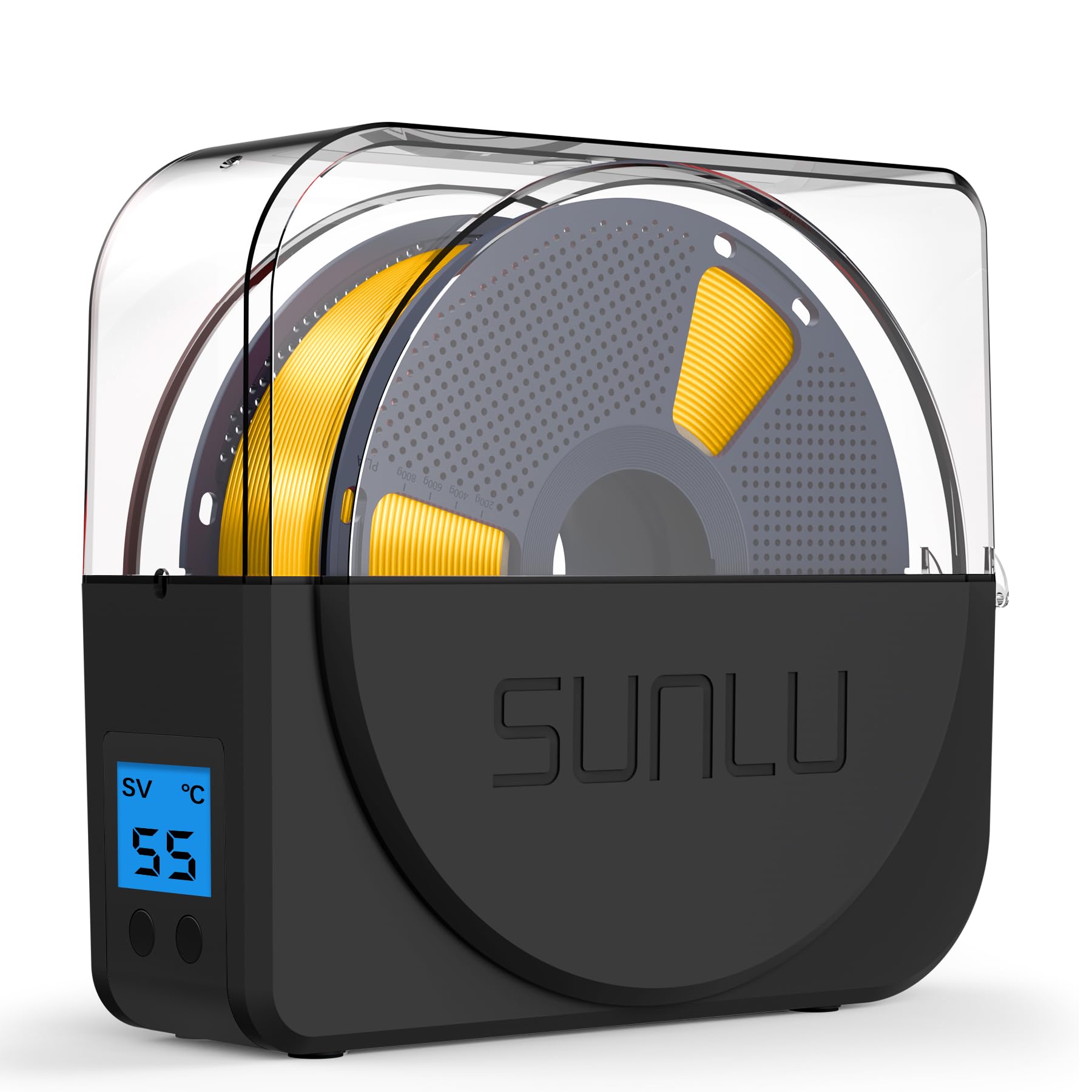
SUNLU Filament Dryer Box
Keeps both filaments dry, preventing defects in humid outdoor prep.
Best for: Daily use for moisture-prone ABS/PETG.
Price Range: $40-50