French press brewers have been delivering rich, full-bodied coffee since the 1920s. Yet many home coffee lovers avoid them, thinking they're messy or complicated. The truth? A French press is one of the simplest and most forgiving ways to make a genuinely great cup—no paper filters, no plastic pods, and nothing to program.
In this beginner-friendly guide, you'll learn exactly what a French press is, how to use it step by step, and the simple tricks that separate a velvety, flavorful brew from a bitter, gritty mess. We'll also cover common mistakes, quick fixes, and the best tools to make the whole process even more enjoyable.
By the end, you'll be brewing café-quality French press coffee in under 15 minutes—using nothing more than a beaker, a plunger, coffee, and hot water.
▸What You'll Need
- •French press (any size; 34 oz / 1 L is great for 3-4 cups)
- •Coarsely ground coffee (about 2 tablespoons per 6-8 oz water)
- •Kettle or pot to heat water
- •Spoon for stirring
- •Timer or smartphone
- •Coffee mug
- •Optional: kitchen scale for precise ratios
- •Optional: thermometer or gooseneck kettle with temperature control
- •Optional: fine mesh strainer or spoon to remove foam/grounds
Estimated Time: 10-15 minutes (including 4-5 minutes of steeping time)
Difficulty: beginner
▸Step-by-Step Instructions
Step 1: Gather Your Equipment and Coffee
Before you start, round up your French press, your favorite coarsely ground coffee, a kettle or pot for heating water, a spoon, a timer, and a mug. If you have a kitchen scale, great—it makes perfect ratio easy. No scale? No problem. Use a scoop and adjust from there.
Choose a French press that fits how much coffee you normally drink: a 34-ounce (1-liter) press makes about four 8-ounce cups, while a 17-ounce press makes two cups. For the best flavor, start with freshly roasted beans and grind them right before brewing, similar to the texture of sea salt.
💡 Tips:
- •A digital scale gives you the most consistent ratios, but a tablespoon is a fine place to start.
- •If your press is new, rinse it once with hot water before first use.
⚠️ Warnings:
- •Don't use a typical drip-grind coffee; it's often ground too fine and can pass through the mesh filter.
Step 2: Heat Your Water to the Right Temperature
Bring fresh, filtered water to a boil, then let it sit for 30 seconds to reach an ideal temperature of 195-205°F (90-96°C). The water should look just below a rolling boil—no violent bubbling. If you have an electric kettle with a temperature dial, set it to about 200°F.
Temperature matters because water that's too hot will scorch the coffee and pull out harsh bitterness; water that's too cold will leave your cup weak and under-extracted. Getting this right is the single biggest step separating average French press from amazing.
💡 Tips:
- •If you don't have a thermometer, wait 30 seconds after boiling and you'll be in the safe zone.
- •Use filtered water for the cleanest flavor—chlorinated tap water can dull your coffee.
⚠️ Warnings:
- •Aim for at least a 1:15 coffee-to-water ratio by weight; too little coffee creates a thin, weak brew.
Step 3: Add Coarsely Ground Coffee
Place your French press on a scale (zero the scale out) and add the ground coffee. A good rule of thumb is 2 tablespoons (about 10-12 grams) of coffee for every 6-8 ounces of water. For a 1-liter press, that's roughly 60-70 grams for 4 cups.
The grind size is crucial: you want the coffee at the coarsest end of the spectrum, similar to flaky sea salt or breadcrumbs. This allows water to saturate evenly and lets the mesh filter trap most of the grounds, keeping your cup clean.
💡 Tips:
- •If your coffee is too fine, the plunger will be hard to press and you'll end up with sludge in your mug.
- •Start with a 1:16 ratio (coffee to water) and adjust to taste.
⚠️ Warnings:
- •Don't overload the press. Leave enough headroom to add water and stir safely.
Step 4: Pour a Little Water to Bloom the Grounds
Just after adding your coffee, pour about double its weight in hot water—just enough to soak all of the grounds. You'll see bubbles form and the coffee may release an intense aroma. Give it 30 to 45 seconds. This is the 'bloom' phase: carbon dioxide from freshly roasted beans makes its way out, and allowing it to release brightens the flavor of the final cup.
💡 Tips:
- •A gentle, slow pour helps avoid channeling and makes sure every ground is saturated.
- •If you're in a rush, you can skip this step, but you'll notice a fresher, more vibrant taste if you don't.
⚠️ Warnings:
- •Don't pour too much water here—you want just enough to soak, not to start the steeping countdown.
Step 5: Pour the Remaining Water and Start the Timer
Now pour the rest of the hot water in a slow, circular motion over the grounds. Keep pouring until you reach your target weight (or the water is just below the top rim of the press). Once all the water is in, start your timer for four minutes.
This pour helps agitate the coffee slightly, ensuring all grounds are in contact with water. After the timer starts, you'll let the coffee sit undisturbed until it's time to press.
💡 Tips:
- •Use the markings on the press, if it has any, to measure water volume. Otherwise, a scale is your best friend.
- •If you prefer a stronger coffee, stop the water at a slightly lower weight (1:12 ratio).
⚠️ Warnings:
- •Don't fill the press to the very top—you need space to put the lid on and press without overflowing.
Step 6: Stir, Then Set the Lid with Plunger Up
Give the coffee a gentle stir with your spoon (no sugar, just a turn) to make sure the grounds aren't clumping at the bottom. Then place the lid on the press with the plunger rod all the way up. This traps heat while the coffee steeps.
Stirring right after the bloom helps create a uniform extraction. From here on, let the brew rest until the timer goes off.
💡 Tips:
- •You can also stir once more after 3 minutes and then press at 4 minutes. This second stir can enhance flavor complexity.
⚠️ Warnings:
- •Don't press the plunger down yet—reserve that for the end of the steep time.
Step 7: Steep for 4 Minutes
Now, leave the French press alone. The coffee and water are busy extracting flavor. At the end of the four minutes, you'll have a rich, aromatic brew. If you want a lighter, smoother cup, set your timer for 3 minutes and 30 seconds. For a bolder, more intense cup, go to 4 minutes and 30 seconds—but don't go much longer.
During this time the coffee's flavors, oils, and gentle body are transforming. Because the plunger is not yet pressed, the grounds remain at the top of the water, but that's okay. The extraction is still happening.
💡 Tips:
- •If you stir at 3 minutes, it breaks the 'crust' of grounds that floats on top, which can give more consistent extraction.
⚠️ Warnings:
- •Set a timer! Walking away without a timer is the quickest way to overdo it and end up with bitter coffee.
Step 8: Press the Plunger Down Slowly and Pour Immediately
When the timer goes off, apply steady, even pressure on the plunger handle, taking about 20 seconds to press all the way down. Don't rush it—a fast plunge can unsettle the grounds and cause sediment to escape through the filter.
Once the plunger is all the way down, pour your coffee into a mug right away. Don't leave it sitting in the press. The fine grounds still at the bottom will continue to extract, making your coffee bitter if you leave it.
💡 Tips:
- •Pour through a fine mesh strainer if you really dislike sediment, but a well-pressed French press should have only a light layer of fine grounds.
- •Make small batches that you can finish quickly for the best flavor.
⚠️ Warnings:
- •Never press with all your weight—pushing too hard can break the glass. Apply steady, light force.
▸Pro Tips
- •Use a 1:15 coffee-to-water ratio as a starting point, then adjust to taste.
- •Preheat your French press with a splash of hot water before brewing to keep the coffee hot longer.
- •Use a burr grinder rather than a blade grinder for a consistent grind size.
- •Don't let the coffee sit in the press after pressing—transfer to a thermos or carafe.
- •Add the plunger during steeping but don't press until ready.
- •Use a timer every time for consistency; your taste buds will thank you.
- •Clean the press immediately after use—coffee oils turn rancid and ruin flavor.
- •Experiment with steeping time to find your sweet spot.
▸Common Mistakes to Avoid
- •Using a fine grind (causes sediment and bitterness)
- •Using boiling water (scorches the coffee)
- •Steeping too long (leads to a bitter brew)
- •Plunging too fast (stirs up grounds and makes the cup gritty)
- •Not cleaning the press right away (builds up bitter, rancid oils)
▸Troubleshooting
Problem: Coffee is bitter
Solution: Water temperature is likely too high, or you steeped too long. Reheat water to about 200°F and steep for no more than 4 minutes.
Problem: Coffee is weak or watery
Solution: Use more coffee or grind slightly finer (but still coarse). Also ensure water temperature is not below 195°F.
Problem: Grounds are in the cup
Solution: The grind is too fine or you plunged too quickly. Use a coarser grind and press down slowly over 20 seconds.
Problem: Plunger won't move down
Solution: This usually means the grind is too fine and the mesh is clogged. Don't force it—the carafe could break. Use a coarser grind next time.
Problem: Glass carafe has cracks
Solution: Thermal shock from pouring very hot water into a cold glass. Preheat the glass by rinsing with warm water before adding coffee.
Problem: Coffee goes cold quickly
Solution: Warm the press and your mug before brewing. Press, pour immediately, and serve within a few minutes.
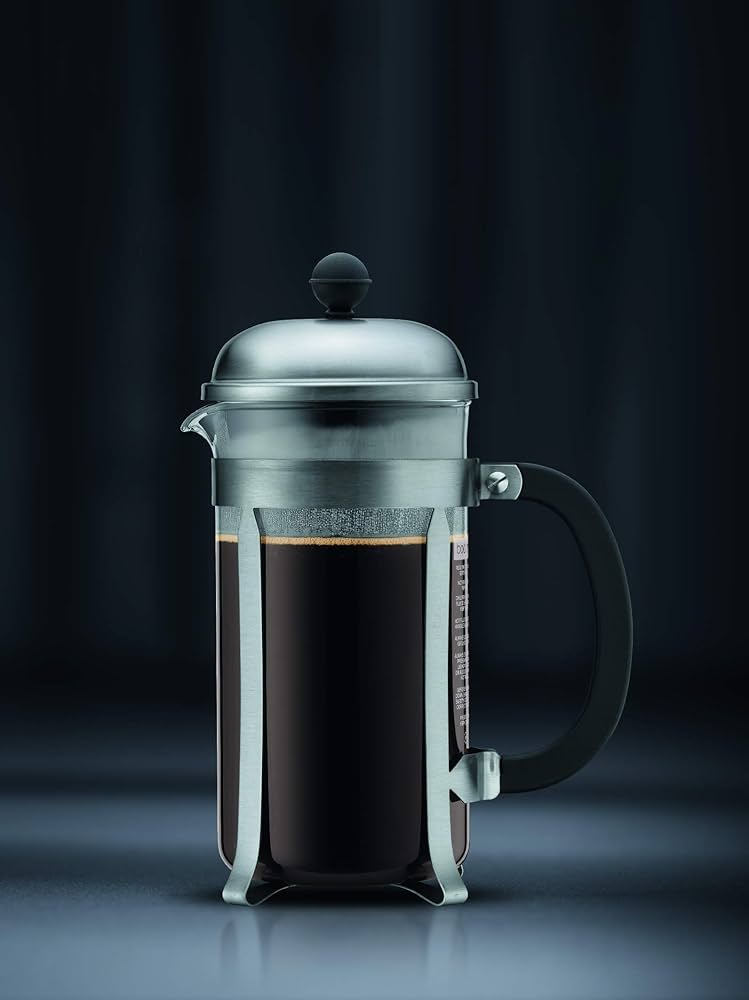
Bodum Chambord French Press (34 oz)
A classic, reliable French press with a stainless steel plunger and frame. It's easy to use, dishwasher safe, and comes in numerous sizes.
Best for: Everyday brewing for 2-4 cups of coffee; perfect for this beginner guide.
Price Range: $35 - $50
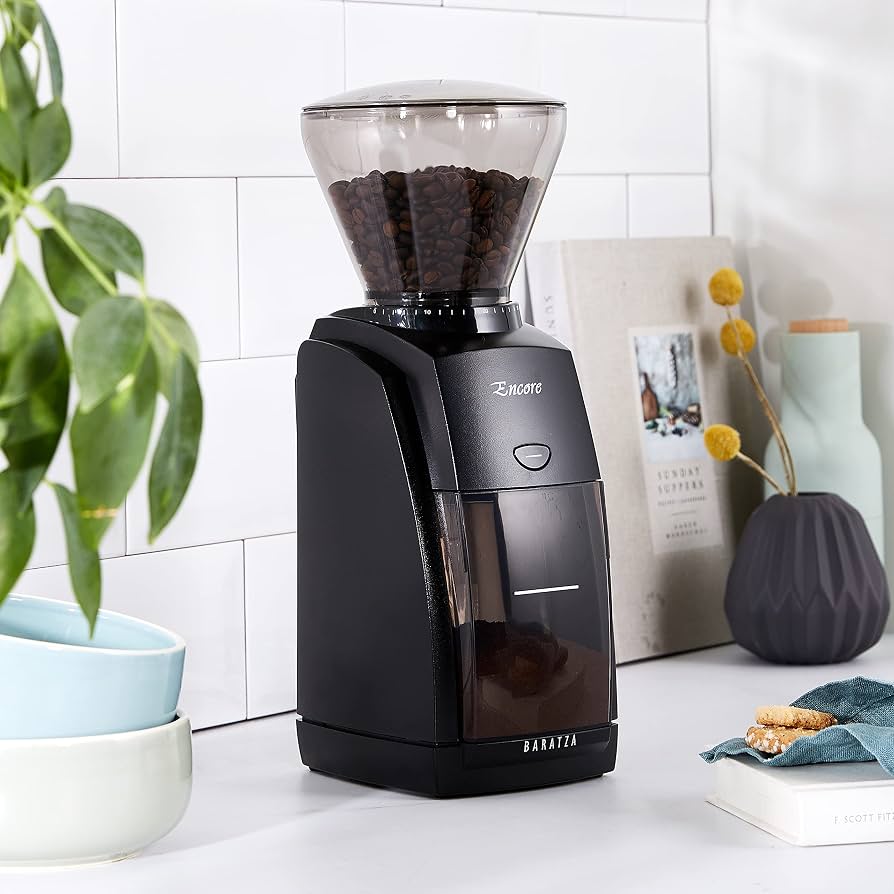
Baratza Encore Burr Grinder
A consistent burr grinder is essential for proper French press coffee. The Encore offers adjustable coarseness, making it simple to get the right grind every time.
Best for: Grinding whole beans fresh just before brewing.
Price Range: $140 - $180
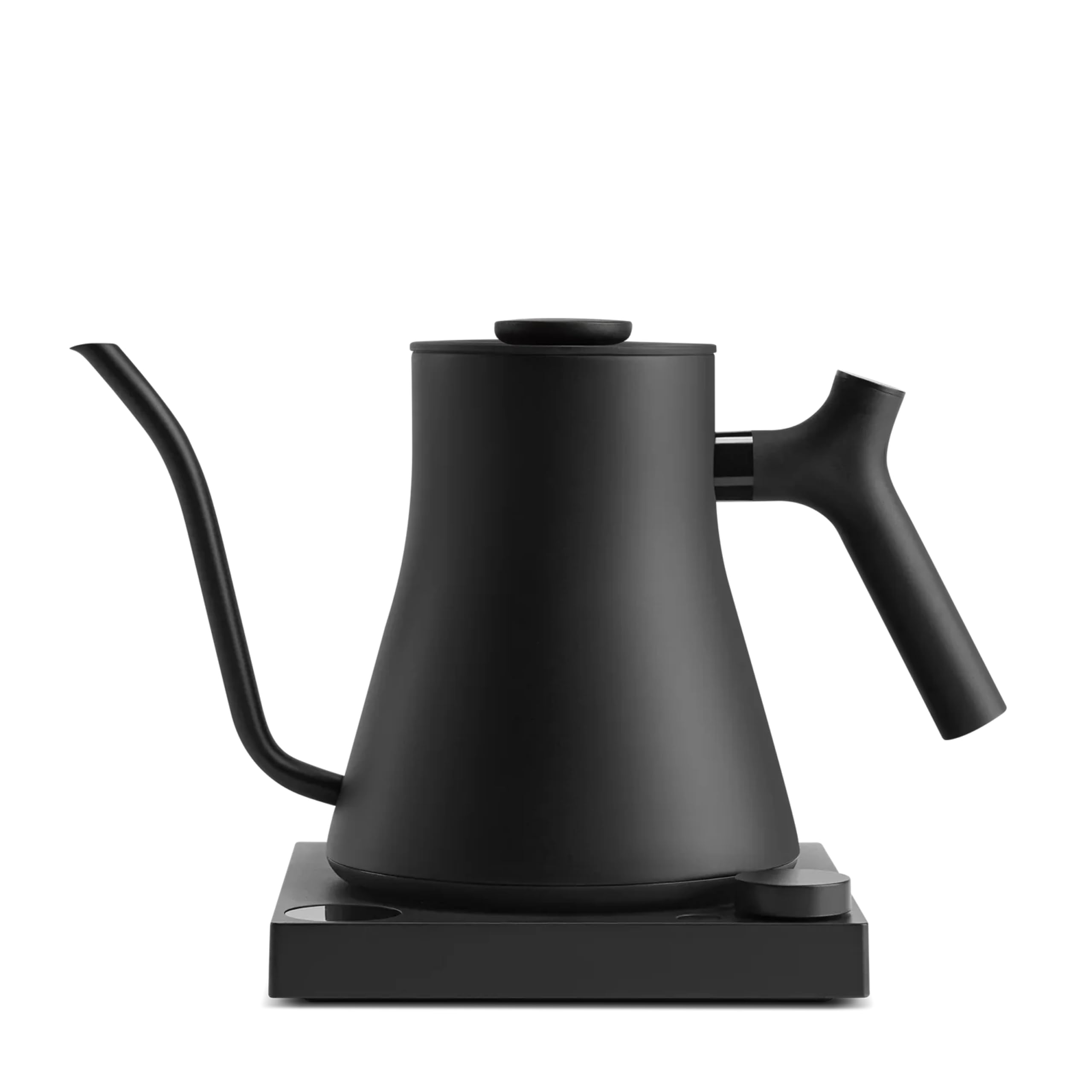
Fellow Stagg EKG Electric Gooseneck Kettle
Need hot water at a precise temperature? This gooseneck kettle includes a temperature dial and is built for pour-over style, giving you full control over water flow.
Best for: Heating water to 200°F and pouring in a controlled circular motion.
Price Range: $150 - $165
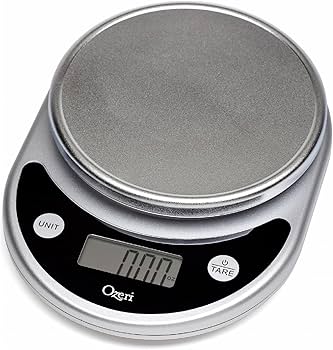
Ozeri Digital Kitchen Scale
For consistent ratios, a simple digital scale is indispensable. It lets you weigh coffee and water accurately to achieve the same great cup every time.
Best for: Measuring coffee grounds and water for your preferred strength.
Price Range: $15 - $20
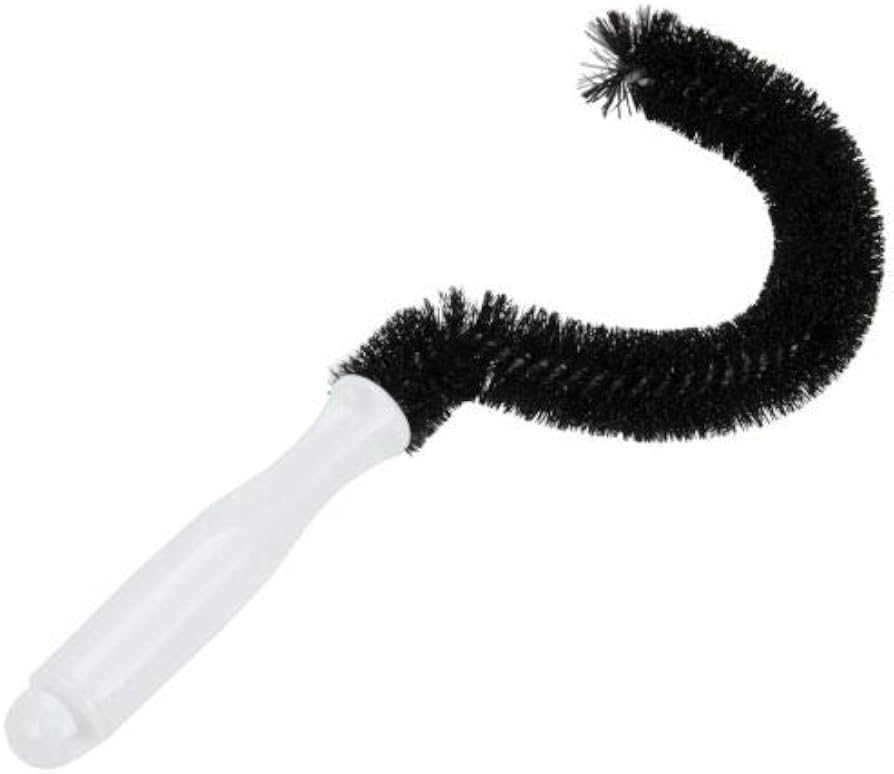
French Press Cleaning Brush
Special long-handled brushes make cleaning the mesh filter and carafe easy, helping you maintain your press without scratching the glass.
Best for: Weekly deep-cleaning of the French press to remove coffee oils and grounds.
Price Range: $10 - $15